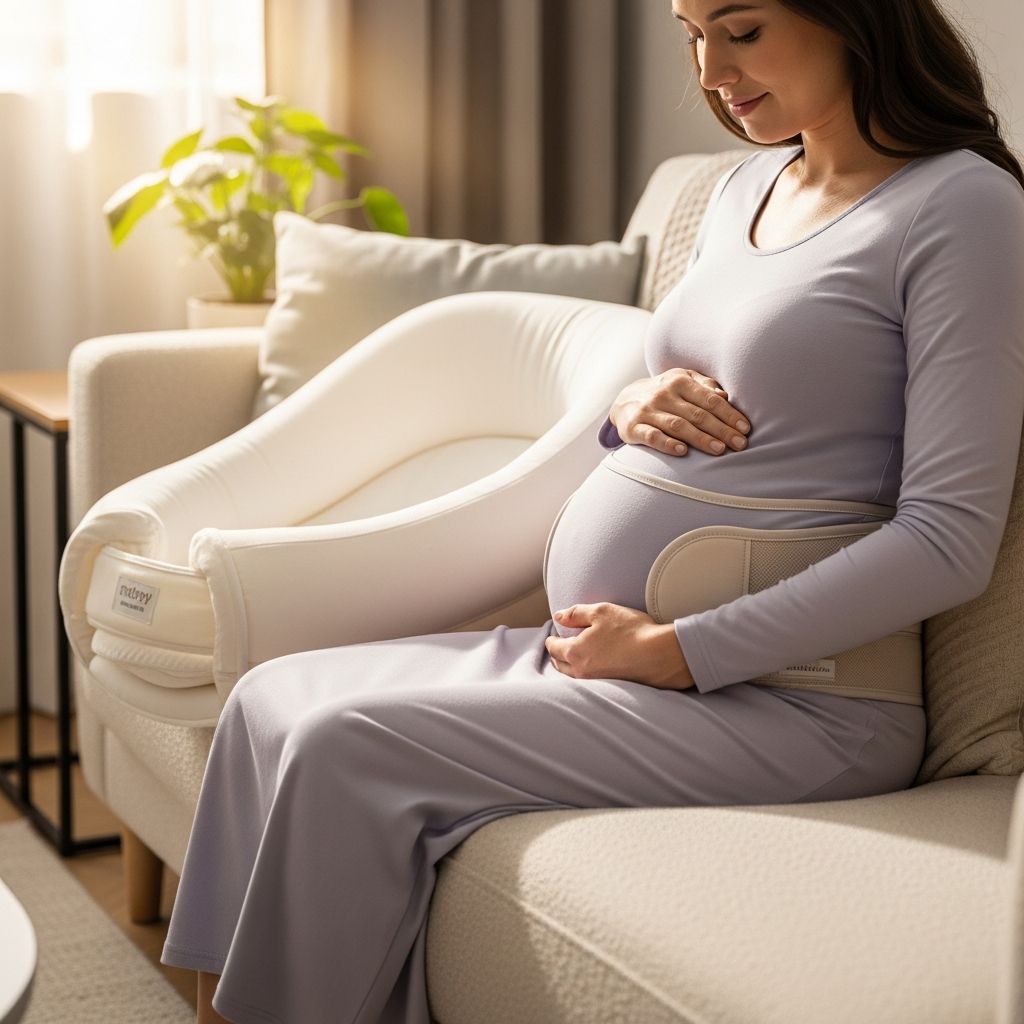
Pregnancy transforms the body in miraculous ways, but those changes can also bring back pain, pelvic pressure, and a feeling that your bump is simply too heavy by the end of the day. Prenatal cradles and maternity support belts offer gentle, targeted support so you can move, sleep, and work with less discomfort and more confidence.
Why Extra Support Matters During Pregnancy
As your baby grows, your center of gravity shifts forward, your abdominal muscles stretch, and your ligaments loosen under the influence of hormones. That combination often leads to achy lower backs, sore hips, and fatigue from carrying the extra weight all day long. A well-designed support garment redistributes that load, acting like an external set of muscles to help share the work.
Support wear is not only about comfort. Reducing strain on the spine and pelvis can make everyday tasks safer and easier, whether you are standing at work for hours, chasing a toddler, or simply trying to sleep through the night without constant tossing and turning.
What Is a Prenatal Cradle?
A prenatal cradle is a structured support garment designed to lift the belly from underneath and stabilize the back, hips, and pelvis. Unlike simple elastic bands that sit only under the bump, cradles often extend higher on the torso and may include shoulder straps or additional bands for multi-point support.
Think of a prenatal cradle as a supportive harness for your growing abdomen. It gently hugs the body, taking some of the downward pull off your ligaments while encouraging better posture so you are less tempted to lean back or slump as your pregnancy progresses.
Benefits of Prenatal Cradles and Support Belts
While every pregnancy is different, many expecting parents describe an immediate difference when they switch from going without support to wearing a cradle or belt for part of the day. Below are some of the most common benefits.
- Back pain relief: Lifting the bump and stabilizing the lumbar area reduces strain on spinal joints and muscles, especially during walking or standing.
- Less pelvic pressure: Support under the belly and around the hips can ease that heavy, downward feeling in the pelvis and pubic area.
- Improved posture: Many designs gently remind the body to stay upright, discouraging excessive arching or slouching as the bump grows.
- Better mobility: With key areas stabilized, everyday movements like climbing stairs, shopping, or light exercise may feel more manageable.
- Reduced fatigue: Sharing the load with a support garment can leave you feeling less exhausted at the end of a long day.
Types of Pregnancy Support Garments
Not all pregnancy supports are the same. Some are minimalistic and flexible, while others look more like medical braces. Understanding the main categories helps you match a product to your specific needs.
| Type | Main Features | Best For |
|---|---|---|
| Basic belly band | Soft, stretchy tube or band worn around the abdomen; light compression and minimal structure. | Mild support, early pregnancy, under-clothing smoothing, and holding up unbuttoned pants. |
| Simple support belt | Single adjustable strap that fits under the bump and fastens at the front or side. | Quick relief for occasional back or round ligament pain, easy on-and-off use. |
| Full prenatal cradle | Under-belly band connected to shoulder straps and/or upper bands to lift, cradle, and stabilize the torso. | Moderate to significant back and pelvic discomfort, all-day wear, support in later trimesters. |
| Pelvic-focused belt | Straps placed low around the hips and sometimes groin to stabilize pelvic joints. | Pelvic girdle pain, pubic symphysis discomfort, and instability with walking or turning. |
| Postpartum & dual-use belt | Adjustable design that can be worn during late pregnancy and after birth for core support. | Those wanting one product to transition from late pregnancy into early postpartum recovery. |
How to Choose the Right Prenatal Cradle
The best prenatal cradle is the one you will actually wear. Comfort, correct fit, and ease of adjustment matter more than finding the most complicated or expensive design. Below are key points to consider when comparing options.
1. Match Support Level to Your Symptoms
If you have mild occasional discomfort, a simple under-belly belt or soft band may be enough. For persistent back pain, pelvic pain, or a feeling that your bump needs serious lifting, a more structured cradle or multi-strap design can provide stronger support.
- Choose light support for early pregnancy or occasional use.
- Look for medium to firm support if pain interferes with daily activity.
- Ask your healthcare provider about pelvic-focused designs if you suspect pelvic girdle issues.
2. Sizing and Adjustability
Support garments work best when they fit snugly but not tightly. Many brands size according to pre-pregnancy clothing or hip circumference, then add expandable straps for growth. Adjustable closures, such as hook-and-loop fasteners, allow you to fine-tune fit throughout the day.
- Measure your hips and lower abdomen according to the manufacturer’s guidelines before ordering.
- Prioritize multiple adjustment points if you are between sizes or expecting to gain more later in pregnancy.
- Ensure there is room to loosen the garment as your bump grows.
3. Fabric and Breathability
Because you may wear your cradle for several hours at a time, breathable, skin-friendly fabric is critical. Soft linings, flat seams, and latex-free materials reduce the risk of irritation, particularly during warmer weather or under fitted clothing.
- Look for moisture-wicking, breathable textiles if you live in a hot climate.
- Check that any stiff or reinforced areas are padded where they contact the skin.
- Consider machine-washable options for easy cleaning between uses.
4. Lifestyle and Wardrobe Compatibility
Consider when and where you plan to wear the support. Some cradles are bulkier and more visible under clothing, while others are minimal and discreet enough to hide under workwear or dresses.
- Select low-profile designs if you want to wear the belt under thin fabrics or fitted tops.
- Opt for more structured designs if you mostly wear looser clothing or plan to use the cradle at home.
- If you exercise regularly, look for models specifically designed for movement.
When to Start Wearing a Prenatal Cradle
There is no single “right” week to begin using support wear. Some people find they benefit from light support as early as the second trimester, especially if they have a physically demanding job or are carrying multiples. Others wait until the third trimester when the bump feels especially heavy.
It is wise to introduce any new support gradually. Start with short periods during the time of day when you feel the most discomfort and build up as your body adapts. If you have a history of back or pelvic problems, discuss starting earlier with your healthcare provider.
How to Fit and Wear Your Prenatal Cradle
A good fit is the difference between relief and annoyance. While every product varies slightly, the general fitting principles are similar. Take a few minutes the first time you put it on to adjust each strap carefully rather than rushing out the door.
- Position the under-belly band: Place the main band low under your bump, cupping the abdomen rather than sitting directly across it.
- Secure the closure: Fasten the belt so it feels snug but not restrictive; you should be able to slip a couple of fingers between the strap and your body.
- Adjust secondary straps: If your cradle includes shoulder or upper bands, adjust them to gently lift without digging into your shoulders or ribs.
- Move around: Walk, sit, and bend slightly to ensure the belt does not roll, pinch, or ride up.
- Fine-tune through the day: As your body changes and your activity level shifts, you may need small adjustments for comfort.
Safety Tips and When to Talk to Your Provider
Properly used, prenatal cradles and support belts are generally considered safe for most pregnancies. However, they are not a replacement for medical care. Ongoing or severe pain always deserves professional evaluation, even if a belt seems to help temporarily.
- Do not overtighten the belt; difficulty breathing, numbness, or tingling are signs to loosen or remove it.
- Avoid wearing strong compression continuously for long stretches without breaks, especially while sleeping, unless advised by your provider.
- Seek medical advice if pain worsens, is accompanied by cramping or bleeding, or affects your ability to walk.
- Discuss any circulation issues, hernias, or high-risk pregnancy complications before using a very firm or medical-grade support.
Practical Tips for Everyday Use
Once your cradle becomes part of your routine, a few simple habits can make it even more effective. Treat the belt as one part of a broader comfort strategy that also includes movement, rest, and mindful posture.
- Pair support with gentle exercise: Prenatal yoga, walking, and stretching complement the external support by strengthening your core and hips.
- Rotate with other comfort tools: Use pillows, warm compresses, or a birth ball alongside the cradle rather than relying on one solution alone.
- Listen to your body: If the belt feels wrong on a given day, loosen it, reposition it, or take a break.
- Use support strategically: Reserve the belt for higher-demand times, such as work shifts, errands, or longer walks, if you prefer not to wear it all day.
Frequently Asked Questions About Prenatal Cradles
Do prenatal cradles really help with back pain?
Many pregnant people report noticeable relief when a cradle lifts the weight of the bump and supports the lower back. The extra stability reduces the strain on overworked muscles and joints, which can translate into less soreness by the end of the day.
Can I wear a maternity support belt all day?
Short to moderate periods of wear are generally preferred. It is often more comfortable and sustainable to use the belt during your most active hours, then remove it at home or when resting so your body can move freely.
Is it safe to sleep in a prenatal cradle?
Most people find that looser sleepwear and strategically placed pillows work better at night than structured support garments. If you feel you need extra support while sleeping, choose a softer, less restrictive option and talk with your healthcare provider about what is appropriate in your situation.
Will wearing a belly band weaken my core muscles?
Using a belt or cradle as a temporary aid does not automatically weaken muscles, especially if you continue gentle strengthening exercises approved for pregnancy. Problems are more likely if support garments replace all movement or you avoid any core engagement entirely.
Can I use my prenatal cradle after birth?
Some models are designed to transition into postpartum support, providing gentle compression and reminding you to maintain good posture as your body recovers. Always follow postpartum guidance from your provider, especially if you had a cesarean birth or complications.
Final Thoughts: Building Your Personal Comfort Toolkit
Every pregnancy is unique, and there is no single support belt or cradle that works for everyone. Treat your prenatal cradle as one tool in a larger comfort toolkit that includes rest, movement, body awareness, and professional guidance when needed.
If your bump feels heavy, your back is aching, or walking has become a chore, exploring a well-fitted prenatal cradle or maternity support belt may help you reclaim some ease in your daily routine. With the right combination of support and self-care, it is possible to stay more comfortable and active through every trimester.