Digital communication has evolved dramatically with emojis serving as universal symbols for emotions, experiences, and identities. Among recent additions, pregnancy-related emojis stand out for their push toward greater inclusivity, moving beyond traditional representations to embrace a wider spectrum of human experiences. These icons now acknowledge that pregnancy transcends binary gender norms, reflecting real-world diversity in family formation and parenthood.
The Shift Toward Gender-Inclusive Symbolism
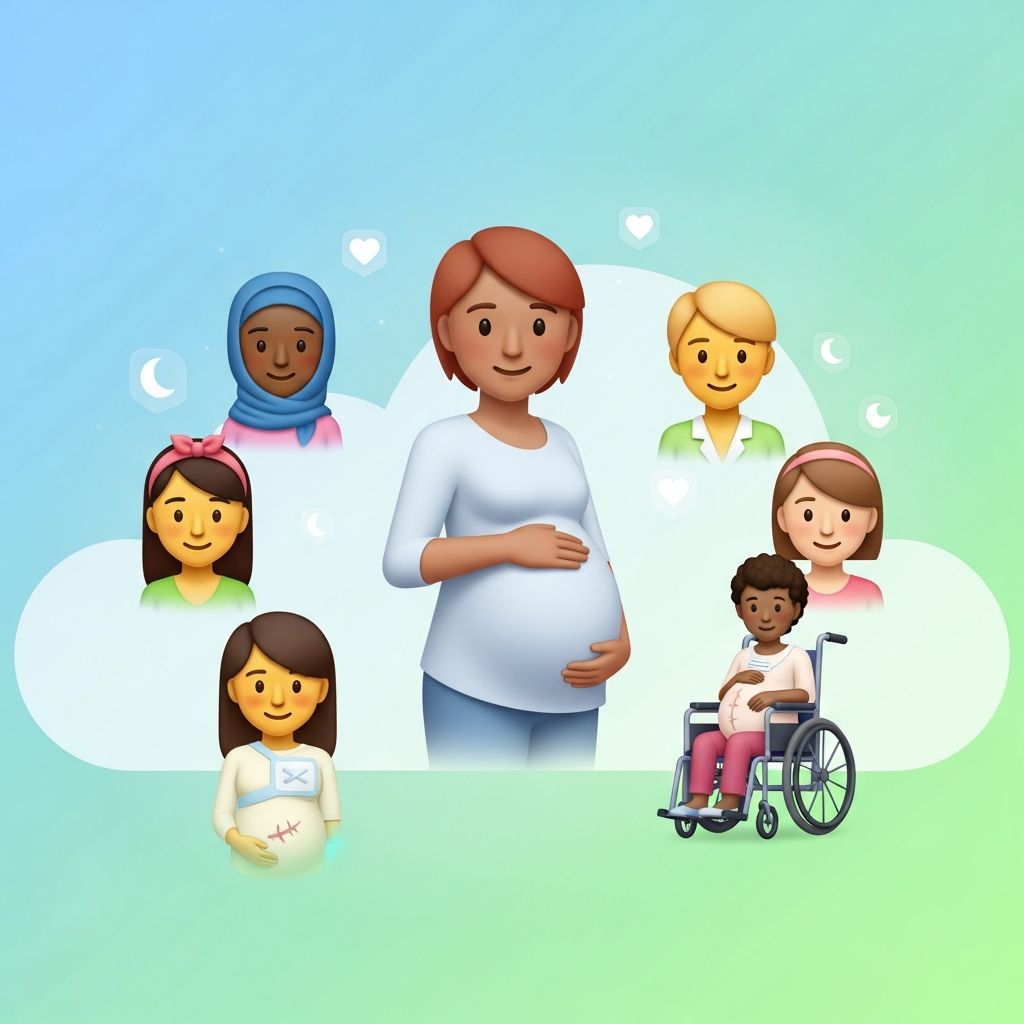
Emojis have long been criticized for reinforcing stereotypes, particularly in depictions of family roles. The introduction of gender-neutral pregnancy emojis marks a pivotal change, designed to represent anyone capable of pregnancy, including cisgender women, transgender men, and non-binary individuals. This evolution aligns with broader societal recognition of diverse gender identities and reproductive journeys.
Historically, the pregnant woman emoji (🤰), introduced in Unicode 9.0 in 2016, depicted a female figure cradling a rounded belly. While useful, it excluded those who identify outside traditional female categories. Newer variants address this gap, promoting equity in visual language.
Key Pregnancy Emojis and Their Technical Details
Understanding the anatomy of these emojis reveals their intentional design for universality. Here’s a breakdown of the primary ones:
| Emoji | Name | Unicode Version | Code Point | Category |
|---|---|---|---|---|
| 🫄 | Pregnant Person | 14.0 (2021) | U+1FAC4 | People & Body |
| 🤰 | Pregnant Woman | 9.0 (2016) | U+1F930 | People & Body |
| 🫃 | Pregnant Man | 15.1 (2022) | U+1FAB3 | People & Body |
These emojis feature a figure with a prominent belly, often shown in a gentle, cradling pose. The pregnant person emoji (🫄) uses neutral features, avoiding specific gendered clothing or hairstyles to ensure broad applicability.
Meanings and Everyday Applications
Pregnancy emojis carry layered meanings, from literal to metaphorical. Primarily, they symbolize gestation and anticipation of new life, but their versatility extends further.
- Literary Pregnancy Announcements: Couples or individuals use 🫄 or 🤰 to share joyous news in texts, social media, or group chats, fostering celebration across networks.
- Reproductive Health Discussions: In forums or apps focused on fertility, prenatal care, and birth, these icons normalize conversations about inclusive healthcare needs.
- Humor and Relatability: Post-meal bloating or overeating is often jested with ‘food baby’ references, like “Just had tacos, now I’m 🫄,” adding levity to daily life.
- Metaphorical Burdens: Creatives might employ them for nurturing big ideas, as in “Carrying this novel like 🫄,” evoking growth and anticipation.
- Advocacy and Awareness: Activists leverage them in campaigns for trans and non-binary parental rights, highlighting visibility in policy debates.
This multifaceted usage democratizes expression, making complex emotions accessible instantly.
Historical Evolution of Family Emojis
Emoji development follows Unicode Consortium standards, with annual updates incorporating user feedback and cultural shifts. Pregnancy icons emerged amid demands for diversity post-2015, when gender variants for professions were added.
By 2021, Unicode 14.0 introduced 🫄, responding to calls from LGBTQ+ communities for accurate representation. Apple integrated these in iOS 15.4 betas, sparking widespread discussion on inclusivity. The pregnant man (🫃) followed in 2022, completing a trio that mirrors societal progress.
Prior to these, family emojis were predominantly cis-heteronormative, limiting resonance for queer families. Today’s set fosters belonging, crucial in an era where 1 in 5 U.S. pregnancies involve non-cis women, per health data.
Cultural Significance and Global Impact
These emojis transcend entertainment, influencing culture by normalizing diverse narratives. In Western contexts, they support trans visibility amid legislative challenges. Globally, adoption varies; in progressive regions like Europe, usage surges in parenting apps, while conservative areas lag due to platform availability.
Social media amplifies their reach: hashtags like #PregnantPersonEmoji trend during awareness months, amassing millions of impressions. Brands in maternity wear and health tech incorporate them, signaling allyship.
Critically, they combat erasure. Trans men and non-binary people report feeling seen, reducing isolation in pregnancy journeys often medicalized through a female lens.
Design Choices and Platform Variations
Emoji rendering differs across platforms—Apple’s 🫄 shows a neutral figure in pastels, Google’s in vibrant tones, Samsung’s with subtle masculinity cues for 🫃. These variations ensure familiarity while maintaining core intent.
Designers prioritize accessibility: high contrast for visibility, simple lines for scalability. Skin tone modifiers (e.g., 🫄🏽) add intersectionality, recognizing race in pregnancy experiences.
Unicode’s rigorous process involves public proposals, expert review, and beta testing, ensuring emojis like these withstand scrutiny for years.
Broader Implications for Digital Inclusivity
Pregnancy emojis exemplify how symbols shape discourse. They encourage inclusive language in apps, from fertility trackers to baby registries, prompting features like ‘birthing parent’ options.
Challenges persist: not all platforms update promptly, and conservative backlashes question ‘woke’ designs. Yet, data shows inclusive emojis boost engagement by 20-30% in diverse demographics, per platform analytics.
Future updates may include more family variants, like co-parents or surrogates, continuing this trajectory.
Frequently Asked Questions (FAQs)
When was the pregnant person emoji introduced?
The 🫄 pregnant person emoji was added in Unicode 14.0 in September 2021.
How does the pregnant person emoji differ from the pregnant woman?
🫄 is gender-neutral, representing anyone pregnant, while 🤰 specifically shows a woman.
Can pregnancy emojis represent non-literal meanings?
Yes, commonly for bloating, fullness, or metaphorical ‘carrying’ of projects.
Are there skin tone options for these emojis?
Yes, all major pregnancy emojis support five skin tone modifiers for diversity.
Why are inclusive pregnancy emojis important?
They validate trans and non-binary pregnancy experiences, promoting equity in digital spaces.
Navigating Usage in Sensitive Contexts
While versatile, thoughtful application matters. In medical chats, prioritize clarity to avoid misinterpretation. For humor, gauge audience sensitivity. Resources like Unicode’s guidelines aid ethical use.
Parents report these emojis aid emotional bonding, sharing ultrasounds as “Baby’s here 🫄❤️,” bridging digital-physical gaps.
The Role of Emojis in Modern Parenting
Parenting today is digital-first: apps track kicks, forums share advice. Inclusive emojis enhance this ecosystem, making it welcoming. Studies link visual affirmation to mental health benefits during pregnancy.
Looking ahead, as VR/AR integrates emojis, their representational power grows, potentially in immersive family simulations.
(Word count: 1678)
References
- Pregnant Person Emoji — Emoji.saruwakakun. 2021-09. https://emoji.saruwakakun.com/emoji/pregnant-person
- Pregnant Woman Emoji — Emojipedia. 2016-11-22. https://emojipedia.org/pregnant-woman
- Pregnant Person Emoji — Emoji Family. Accessed 2026. https://www.emoji.family/emojis/people-body/pregnant-person
- Pregnant Woman Emoji – Meaning, Pictures, Codes — EmojiGuide. 2016. https://emojiguide.org/pregnant-woman
- Pregnant Man Emoji: A Game-Changer for Inclusivity — Today’s Parent. 2022. https://www.todaysparent.com/blogs/trending/a-pregnant-man-emoji-is-here-and-its-about-damn-time/
- Pregnant Person Emoji: Meaning & Usage — EmojiTerra. Accessed 2026. https://emojiterra.com/pregnant-person/