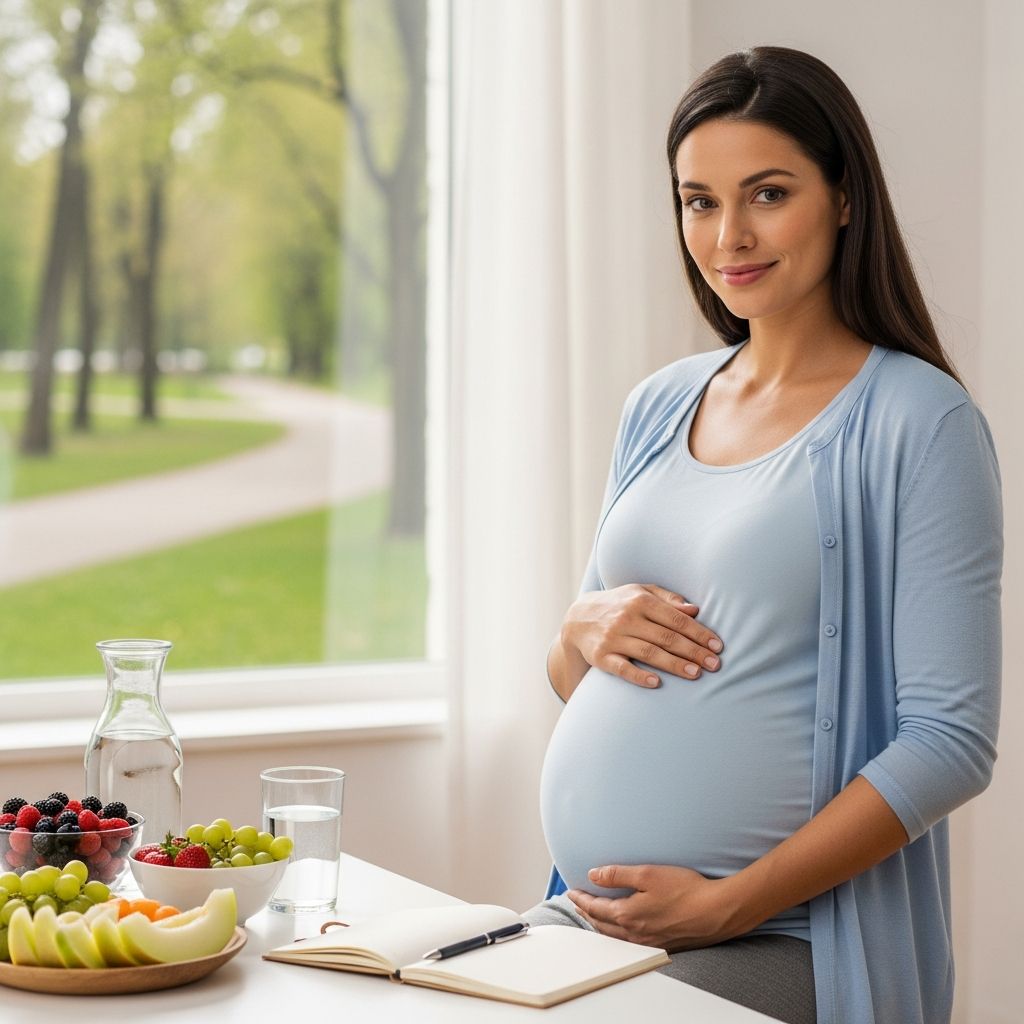
Navigating body weight during pregnancy requires careful consideration to safeguard both maternal and fetal health. While societal pressures may push for slimness, medical experts universally advise against intentional weight loss, emphasizing controlled gain instead, particularly for those starting with higher BMIs.
Why Intentional Weight Reduction Poses Serious Dangers
Pregnancy triggers profound physiological changes, including increased blood volume, placental development, and fetal growth, all necessitating additional energy reserves. Attempting to shed pounds can deprive the developing baby of vital nutrients, leading to adverse outcomes.
- **Low Birth Weight Risk**: Losing over 2.2 pounds heightens chances of delivering an infant below the healthy range, associated with developmental delays and long-term health issues.
- **Nutritional Deficiencies**: Calorie restriction may limit essential fats, proteins, and vitamins crucial for organ formation and brain development.
- **Maternal Complications**: Rapid loss correlates with fatigue, weakened immunity, and exacerbated gestational conditions like anemia.
Authoritative bodies such as the UK’s National Health Service (NHS) explicitly state that for obese pregnant individuals (BMI 30+), weight loss efforts do not mitigate complications and could harm the fetus. Similarly, the American College of Obstetricians and Gynecologists (ACOG) prioritizes stability over reduction.
Understanding Recommended Gestational Weight Gain
Guidelines from the Centers for Disease Control and Prevention (CDC) and National Academy of Medicine provide BMI-specific targets to optimize outcomes. These promote sufficient gain without excess, reducing risks like preeclampsia and cesarean deliveries.
| Pre-Pregnancy BMI | Category | Recommended Total Gain |
|---|---|---|
| 18.5–24.9 | Normal | 25–35 pounds |
| 25.0–29.9 | Overweight | 15–25 pounds |
| 30.0+ | Obese | 11–20 pounds |
For those in the obese category, staying within these bounds via lifestyle tweaks—not loss—yields benefits like normal infant birth weights, as shown in a Northwestern Medicine study where coached participants gained 5 pounds less than controls without compromising fetal growth.
Exceeding these limits amplifies risks: gestational diabetes (up to 3x higher in obese pregnancies), hypertension, and macrosomia (large babies complicating delivery). Under-gaining, conversely, invites preterm birth and intrauterine growth restriction.
Health Risks Tied to Excess Pre-Pregnancy Weight
Entering pregnancy overweight or obese independently elevates complications, underscoring pre-conception optimization. Key concerns include:
- **Gestational Diabetes**: Impaired insulin sensitivity affects 15-20% of obese pregnancies, risking neonatal hypoglycemia.
- **Preeclampsia**: High BMI doubles odds of this hypertensive disorder, potentially leading to early delivery.
- **Cesarean Needs**: Macrosomia and labor dystocia increase surgical delivery rates by 30-50%.
- **Fetal Anomalies**: Neural tube defects and heart issues rise with maternal obesity due to folate metabolism disruptions.
Postpartum, challenges persist: hemorrhage, infections, and difficulties with breastfeeding. Long-term, offspring face higher obesity risks, perpetuating cycles.
Safe Approaches to Limit Excessive Gain
Rather than loss, focus on quality nutrition and movement to align with guidelines. A 2018 Northwestern trial (MOMFIT) demonstrated success using diet apps, phone coaching, and the DASH pattern—rich in fruits, veggies, lean proteins, and low in sodium/sugars—curtailing gain in overweight/obese women.
Nutrition Principles for Optimal Pregnancy
Aim for 2,200-2,900 daily calories in normal-weight pregnancies, adjusting upward by trimester, but prioritize nutrient density over quantity. Key strategies:
- Emphasize whole foods: Leafy greens, berries, nuts, yogurt, and whole grains for fiber and micronutrients.
- Balance macros: 45-65% carbs from complex sources, 20-35% fats (focus omega-3s), 10-35% protein.
- Avoid empties: Limit added sugars (<25g/day), processed meats, and high-mercury fish.
- Stay hydrated: 10-12 cups water daily combats false hunger.
Tommy’s UK recommends stable blood sugar via frequent small meals, starting with protein-rich breakfasts to curb cravings. Referral to dietitians is standard for BMI 30+.
Exercise Regimens Tailored for Expectant Mothers
Moderate activity—30-60 minutes most days—supports gain control without stress. Safe options per Healthline and CDC:
- Brisk walking or swimming: Low-impact, builds endurance.
- Prenatal yoga/Pilates: Enhances flexibility, reduces back pain.
- Strength training: Light weights for muscle maintenance (avoid Valsalva).
Target 10,000 steps or 150 weekly minutes; apps track progress. Consult providers before starting, especially if inactive pre-pregnancy. Benefits extend to mood, sleep, and diabetes prevention.
Tech and Professional Support for Success
Modern tools amplify adherence. The MOMFIT study leveraged Lose It! app for logging, paired with remote coaching, yielding 68.6% compliance vs. 85% exceeding limits in controls. Features like reminders and nutrient analysis adapt to prenatal needs, unlike standard weight-loss apps.
Healthcare integration is vital: Routine weigh-ins, ultrasound monitoring, and multidisciplinary teams (OBs, dietitians, midwives). RCOG guidelines stress risk discussions and management plans. Bariatric history? Delay conception 12-24 months post-surgery.
Postpartum Planning and Family Impact
Pregnancy motivates habit shifts with lasting ripple effects. MOMFIT emphasized family modeling: Healthier maternal diets influence pediatric nutrition, curbing generational obesity. Post-delivery, gradual loss (1-2 lbs/week) via breastfeeding and activity is safer.
Sleep 7-9 hours nightly; deprivation sabotages metabolism. Track progress with CDC charts to ensure trajectory.
Frequently Asked Questions About Pregnancy Weight
Is it ever safe to diet while pregnant?
No, intentional dieting is discouraged by ACOG and NHS, as it risks fetal undernutrition. Focus on balanced gain.
How much weight is normal if I’m obese?
11-20 pounds total, per CDC, achieved through diet quality and activity, not restriction.
Can exercise alone prevent excess gain?
It helps significantly but pairs best with nutrition; aim for 150+ minutes weekly of moderate intensity.
What if I’ve gained too much already?
Don’t panic—adjust habits moving forward and consult your provider. Late moderation still benefits.
Are weight loss meds okay in pregnancy?
RCOG prohibits anti-obesity drugs due to fetal harm risks.
How does pre-pregnancy obesity affect my baby long-term?
Increased childhood obesity and metabolic risks; preconception loss is ideal.
This guide empowers informed choices. Always personalize with your obstetric team for best outcomes.
References
- Overweight pregnant women can safely cut calories, restrict weight gain — Northwestern Medicine. 2018-09-24. https://news.northwestern.edu/stories/2018/september/overweight-pregnant-women-can-safely-cut-calories-restrict-weight-gain
- How to Safely Lose Weight During Pregnancy — Healthline. 2023. https://www.healthline.com/health/pregnancy/how-to-lose-weight-safely
- Overweight and pregnant — NHS. 2024. https://www.nhs.uk/pregnancy/keeping-well/overweight/
- Clinical guidelines for the management of weight during pregnancy — PMC (RCOG-informed). 2023. https://pmc.ncbi.nlm.nih.gov/articles/PMC10007759/
- What To Know About Losing Weight While Pregnant — MyObesityTeam. 2024. https://www.myobesityteam.com/resources/what-to-know-about-losing-weight-while-pregnant
- Obesity and Pregnancy — ACOG. 2024. https://www.acog.org/womens-health/faqs/obesity-and-pregnancy
- 11 tips for managing your weight in pregnancy — Tommy’s. 2024. https://www.tommys.org/pregnancy-information/im-pregnant/weight-management/11-tips-managing-your-weight-pregnancy