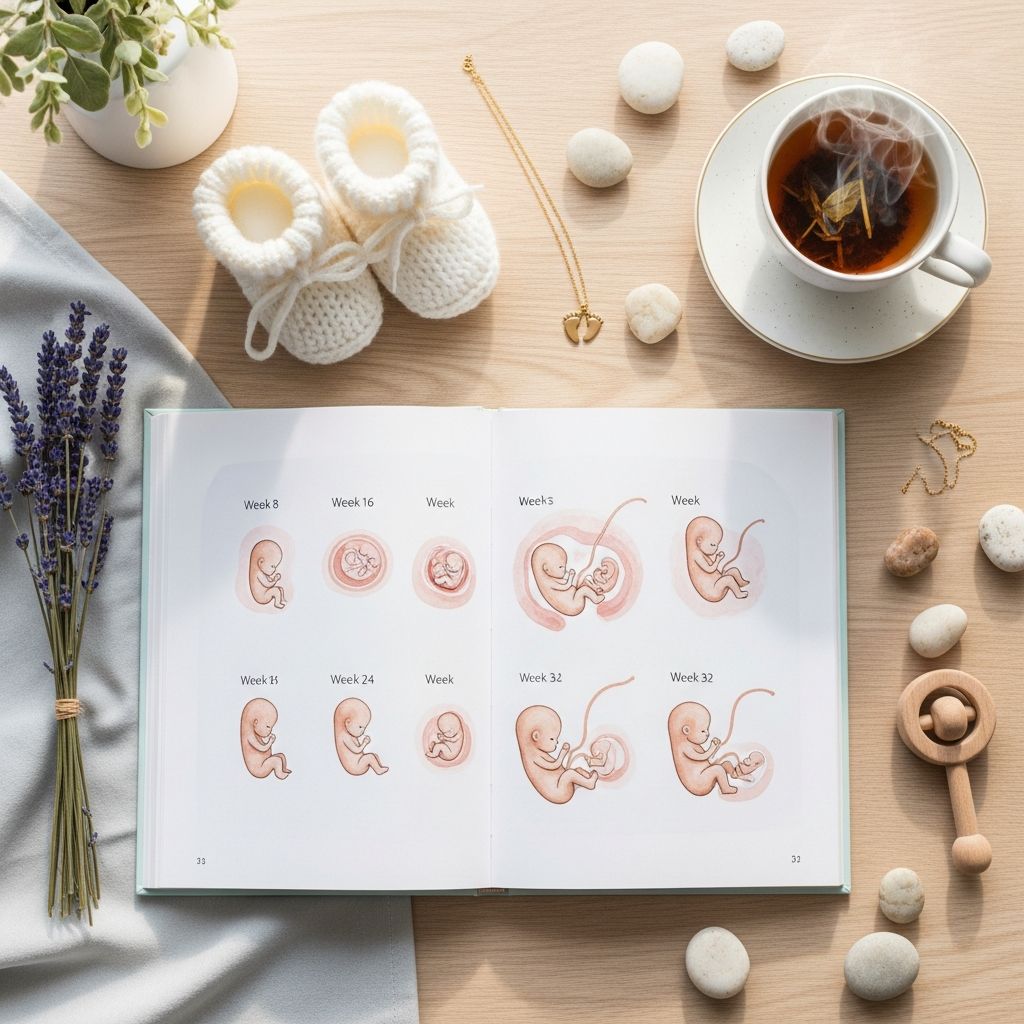
Pregnancy is often described in trimesters, but many parents find it easier and more comforting to think about it week by week. Each week brings subtle changes to your baby’s development and to your own body, emotions, and daily routines.
This guide walks you from the very first weeks through birth with practical explanations, realistic expectations, and compassionate reassurance. It is not a medical diagnosis tool but a companion to the advice you receive from your midwife or doctor.
Understanding the Big Picture: Trimesters and Timing
Healthcare professionals usually talk about pregnancy as a span of about 40 weeks counted from the first day of your last menstrual period (LMP). These weeks are grouped into three major stages:
- First trimester: Week 1 to week 12–13 – foundational organ development and early symptoms.
- Second trimester: About week 13–14 to week 26–28 – growth and maturing systems, often more physical comfort.
- Third trimester: About week 27–29 to birth – rapid weight gain, lung maturation, and preparation for labor.
Every pregnancy is unique, so exact dates can shift slightly depending on how your clinician defines the boundaries, but the overall pattern is consistent.
Weeks 1–4: The Invisible Beginning
In the earliest weeks, you may not feel pregnant at all, yet a lot is happening at the microscopic level.
- Conception and implantation: A fertilized egg travels down the fallopian tube and implants in the uterus, starting the placenta and early embryo.
- Hormonal shift: Levels of hormones like hCG and progesterone begin to rise, setting the stage for many early symptoms and supporting the uterine lining.
- Common experiences: Some people notice light spotting, mild cramping, or breast tenderness; others feel completely normal.
Even at this stage, behaviors like avoiding tobacco and alcohol, taking a prenatal vitamin with folic acid, and discussing medications with your clinician support early development.
Weeks 5–8: Foundations of Organs and Systems
By the time many people first see a positive pregnancy test, the embryo is already forming a basic blueprint for nearly every major organ.
- Organ formation: Early brain, spinal cord, and heart structures form, along with buds that will become arms and legs.
- Heartbeat: A primitive heartbeat can often be seen on ultrasound around this time, although exact timing varies.
- Rapid change in size: The embryo grows from a tiny cluster of cells to something recognizably human in shape by about 8 weeks.
For you, this phase is strongly associated with classic early pregnancy symptoms:
- Nausea or “morning sickness,” sometimes at any time of day.
- Extreme tiredness and the need for more sleep.
- Sore or fuller breasts and more frequent urination.
These changes can be intense but usually reflect healthy hormonal shifts. Talk to your clinician if you cannot keep food or fluids down, or if symptoms feel overwhelming.
Weeks 9–12: From Embryo to Fetus
By the end of the first trimester, the baby is typically referred to as a fetus. Externally, most major structures are present, though they are still tiny and immature.
- Movement begins: The fetus can bend and move, but you will not feel it yet.
- Nerves and muscles connect: The ability to make small movements and even a fist develops as nerves and muscles start working together.
- Sex organs form: External genitalia begin to differentiate, though it still may be early to identify sex on most ultrasounds.
You may continue to experience fatigue and nausea, but many people start to notice gradual improvement toward the end of this period.
Weeks 13–16: Early Second Trimester – A New Rhythm
This stage is often described as a turning point. Many feel more like themselves again as early nausea subsides and energy returns.
- Skeletal development: Bone tissue continues to form, and the baby’s skeleton becomes more defined.
- Skin and reflexes: Very thin skin starts to cover the body, and reflexes such as sucking begin to appear.
- Meconium formation: The baby’s intestines begin to store meconium, the first bowel movement after birth.
For you, the uterus rises higher in the pelvis, often helping relieve some bladder pressure but modestly changing your shape and posture. You may notice a small baby bump beginning to show.
Weeks 17–20: Feeling the First Flutters
Many expectant parents remember this phase warmly as they feel the baby move for the first time—often described as fluttering, bubbles, or gentle taps.
- More active movements: The fetus kicks, rolls, and stretches, becoming more coordinated and active.
- Protective coatings: A fine hair called lanugo and a waxy layer called vernix cover the skin to protect it in the watery environment.
- Hearing develops: The baby can hear sounds, including your heartbeat and muffled voices.
You might also notice physical changes such as darkening of the areola, stretch marks, or a dark line down the abdomen. These changes are common and usually harmless, though sudden itching or yellowing of the skin or eyes deserves medical attention.
Weeks 21–24: Growing Stronger
During these weeks, the baby’s organs and senses become more refined, and you may start to see more of a pattern in movement and rest.
- Sleep-wake cycles: The baby begins to have periods of activity and rest that may or may not match your own schedule.
- Taste buds and fingerprints: Unique features like taste buds, footprints, and fingerprints form.
- Lung formation: The structure of the lungs is in place, though they are not yet fully functional.
You may experience back pain, leg cramps, or heartburn as your center of gravity shifts and hormones affect joints and muscles. Gentle movement, stretching, adequate hydration, and supportive footwear often help.
Weeks 25–28: Approaching the Third Trimester
By this time, most of the baby’s major systems exist and are maturing, and the focus turns to growth and fine-tuning.
- Brain and nerves: The nervous system becomes more sophisticated, supporting more complex movements and responses to the environment.
- Eye development: Eyelids open and close, and the baby can sense light and shadow through the uterus.
- Body fat: The baby starts to store fat under the skin, helping regulate temperature after birth.
Many people have a glucose screening test around this time to check for gestational diabetes, along with ongoing blood pressure monitoring and other routine checks.
Weeks 29–32: Third Trimester – Home Stretch Begins
As the third trimester starts, you may feel both excitement and physical strain. Your baby has less space to move but continues to be active and increasingly strong.
- Stronger kicks and jabs: Movements are more powerful and may be visible on the surface of your abdomen.
- Bone and mineral storage: The bones are fully formed but still relatively soft, and the baby stores minerals like calcium and iron.
- Practice breathing: The baby rehearses breathing motions, even though the lungs are not yet working with air.
Meanwhile, you may notice:
- Shortness of breath as the uterus presses upward against the diaphragm.
- Frequent urination and pelvic pressure.
- Difficulty finding comfortable sleeping positions.
These discomforts are common but should still be discussed with your care team, particularly if you notice sudden swelling, headaches, vision changes, or pain.
Weeks 33–36: Final Growth and Positioning
During these weeks, the baby usually gains weight quickly and begins shifting into a position for birth.
- Lanugo shedding: The fine hair that once covered the body begins to fall away as the skin matures.
- More vernix: The creamy vernix coating thickens, protecting the skin and easing passage through the birth canal.
- Less intense movements: As space runs out, kicks may feel more like stretches and rolls rather than sharp jabs.
Your healthcare team may begin talking more specifically about your birth preferences, group B strep testing, and what signs should prompt a call or visit to the hospital or birth center.
Weeks 37–40+: Ready for Birth
A pregnancy is often considered “full term” around 39–40 weeks, though some babies arrive earlier or later under careful medical supervision.
- Final lung maturation: By full term, the lungs and most organs are usually ready to function outside the uterus.
- Dropping (lightening): The baby may move lower into your pelvis, which can ease breathing but increase pelvic pressure and trips to the bathroom.
- Labor signs: You may notice more frequent Braxton Hicks contractions, backache, or changes in vaginal discharge as the cervix softens and prepares for labor.
Trimester Overview Table
| Trimester | Approx. Weeks | Key Baby Milestones | Common Experiences for You |
|---|---|---|---|
| First | 1–12 | Organ foundations form, heartbeat appears, basic body shape develops. | Nausea, fatigue, breast tenderness, emotional shifts. |
| Second | 13–26 | Skeletal growth, sensory development, feeling baby move, lung structure forms. | Increased energy, baby bump growth, possible back pain and heartburn. |
| Third | 27–40+ | Rapid weight gain, bone hardening, lung maturation, baby moves into birth position. | Shortness of breath, swelling, sleep changes, stronger contractions. |
Practical Self-Care Tips by Stage
Early Pregnancy (Weeks 1–12)
- Keep small, frequent snacks on hand to help with nausea.
- Ask your clinician before starting or stopping any medication.
- Schedule your first prenatal visit and recommended bloodwork.
Middle Pregnancy (Weeks 13–28)
- Experiment with gentle exercise (like walking or prenatal yoga) if approved by your clinician.
- Use pillows to support your growing belly and lower back at night.
- Begin learning about childbirth classes, feeding options, and parental leave.
Late Pregnancy (Weeks 29–Birth)
- Practice positions and breathing techniques that feel comfortable.
- Prepare your hospital or birth center bag and a simple plan for transport and childcare.
- Know when to call: ask your clinician for clear guidelines about contractions, bleeding, reduced movements, or fluid leakage.
Frequently Asked Questions (FAQs)
How accurate are week-by-week pregnancy timelines?
Week-by-week guides are based on average patterns of growth established through decades of observation and imaging studies. However, every baby and body is different, so the exact day a milestone happens can vary. Your ultrasound measurements and clinical exams provide the most accurate picture of your individual pregnancy.
When should I worry about not feeling the baby move yet?
Many people first notice movement between about 16 and 22 weeks, especially if this is their first pregnancy. If you are beyond this range and have not felt anything, or if you notice a sudden decrease in movements later on, contact your healthcare provider for guidance.
Is it normal to feel worse in early pregnancy but better later?
Yes. Early pregnancy is often the most intense for nausea and fatigue because hormones change quickly. Many people feel significantly better in the second trimester before new physical strains appear late in pregnancy. If symptoms are severe at any time, seek medical advice.
How can I tell the difference between Braxton Hicks and real labor?
Braxton Hicks contractions are usually irregular, may stop with rest or hydration, and do not grow steadily stronger. True labor contractions typically become longer, stronger, and closer together over time. If you are uncertain, it is always reasonable to call your clinician or labor unit for assessment.
Where can I find reliable information to supplement this guide?
Trusted organizations such as national health services, academic medical centers, and professional obstetrics groups provide evidence-based information about pregnancy and fetal development. These sources can complement the guidance you receive from your personal care team.
References
- Stages of pregnancy — Office on Women’s Health, U.S. Department of Health & Human Services. 2021-01-31. https://womenshealth.gov/pregnancy/youre-pregnant-now-what/stages-pregnancy
- Pregnancy trimesters: Everything you need to know — Medical News Today. 2019-09-23. https://www.medicalnewstoday.com/articles/323742
- First, Second & Third Trimester | Pregnancy Milestones and Stages — Jackson Health System. 2022-06-01. https://maternity.jacksonhealth.org/pregnancy-milestones/first-second-third-trimester/
- Fetal Development: Week-by-Week Stages of Pregnancy — Cleveland Clinic. 2023-02-01. https://my.clevelandclinic.org/health/articles/7247-fetal-development-stages-of-growth
- Pregnancy — UCSF Health. 2022-04-15. https://www.ucsfhealth.org/conditions/pregnancy
- How Your Fetus Grows During Pregnancy — American College of Obstetricians and Gynecologists (ACOG). 2021-10-01. https://www.acog.org/womens-health/faqs/how-your-fetus-grows-during-pregnancy
- Pregnancy week by week: First trimester — Mayo Clinic. 2023-03-01. https://www.mayoclinic.org/healthy-lifestyle/pregnancy-week-by-week/basics/first-trimester/hlv-20049471