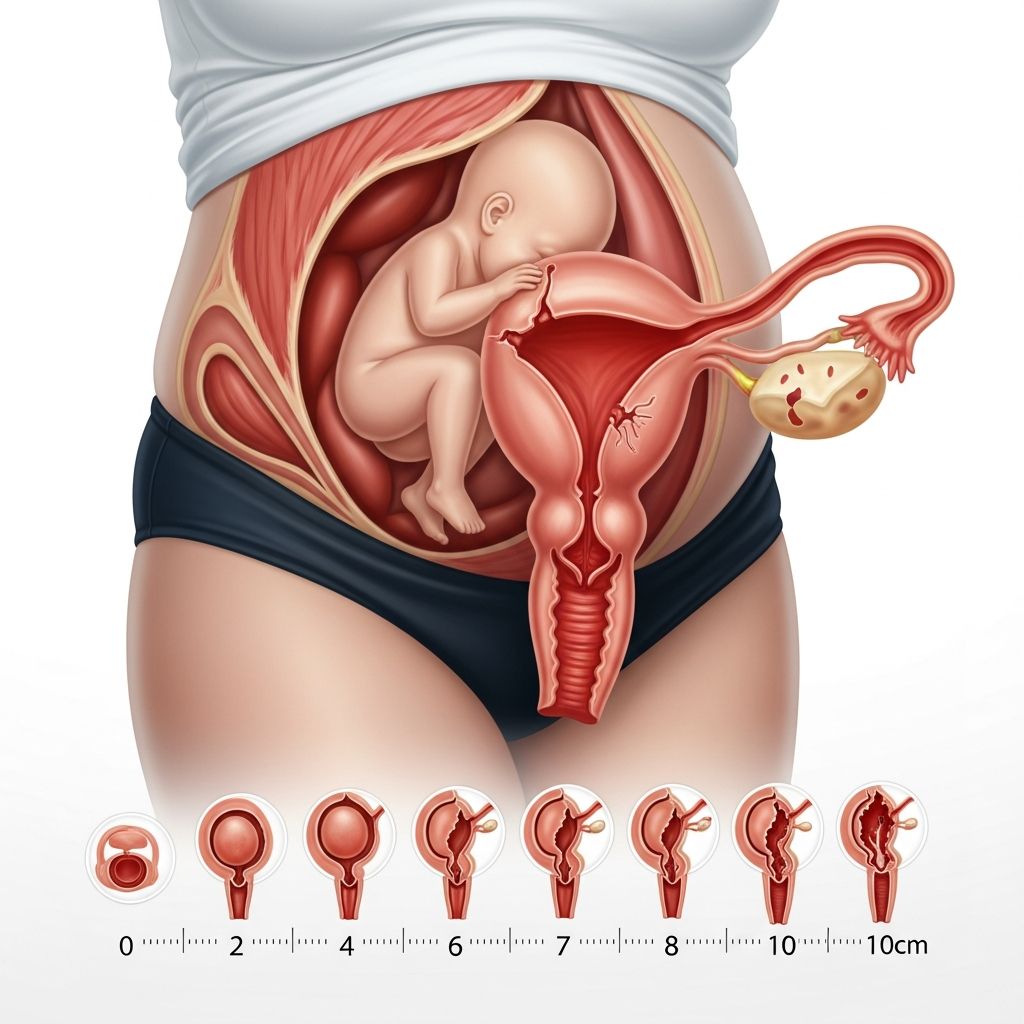
Pregnancy brings profound hormonal shifts that can disrupt vaginal balance, making infections more likely. These conditions, while common, require prompt attention to safeguard maternal and fetal health.
Why Pregnancy Increases Infection Vulnerability
During pregnancy, elevated estrogen levels promote glycogen production in vaginal cells, fostering yeast growth. Immune system adjustments and pH changes further heighten susceptibility to bacterial overgrowth and other pathogens. High progesterone also alters vaginal flora, creating an environment conducive to imbalances. Factors like antibiotics, steroids, elevated blood sugar, and frequent intercourse compound these risks. Understanding these dynamics empowers expectant mothers to monitor changes proactively.
Prevalent Vaginal Infections and Their Characteristics
Several infections stand out during pregnancy due to their frequency and potential implications. Each presents distinct symptoms and demands specific management.
Candidiasis: The Yeast Overgrowth
Candidiasis, caused by Candida fungus, affects up to 30% of pregnant women, peaking in the second and third trimesters. Symptoms include intense vulvovaginal itching, thick white clumpy discharge akin to cottage cheese, burning during urination or intercourse, and vulvar redness or swelling. Unlike non-pregnant states, pregnancy-related cases often recur due to hormonal persistence. While not typically harmful to the fetus, untreated discomfort can affect quality of life.
Bacterial Vaginosis: Bacterial Imbalance
Bacterial vaginosis (BV) arises from an overgrowth of anaerobic bacteria disrupting normal lactobacilli dominance. Common signs are thin grayish-white discharge with a fishy odor intensifying post-intercourse, vaginal itching, burning on urination, and sometimes spotting. BV prevalence rises in pregnancy, linked to estrogen-driven flora shifts. Untreated, it elevates risks of preterm labor, low birth weight, and pelvic inflammatory disease.
Group B Streptococcus: The Silent Carrier
Group B Streptococcus (GBS) colonizes the vagina or rectum in many women asymptomatically, though some experience urinary pain or discharge. Routine late-pregnancy screening identifies carriers; intrapartum antibiotics prevent neonatal transmission, which can cause pneumonia, sepsis, or meningitis. GBS poses no ongoing threat to the mother but necessitates vigilance near delivery.
Trichomoniasis and Other STIs
Trichomoniasis, a protozoan STI from Trichomonas vaginalis, manifests as frothy yellow-green discharge, fishy odor, vulvar irritation, and dyspareunia. Other STIs like chlamydia, gonorrhea, syphilis, herpes, and HIV carry fetal risks including preterm birth, eye infections, pneumonia, or congenital infection if untreated. Pregnancy screening and partner treatment are crucial to mitigate vertical transmission.
Symptoms Signaling the Need for Medical Evaluation
Normal pregnancy discharge is thin, white, milky, and odorless, increasing due to hormonal surges. Deviations warrant attention:
- Foul-smelling or fishy discharge
- Thick, clumped, or colored discharge (greenish-yellow, gray)
- Intense itching, burning, or pain in vulva/vagina
- Redness, swelling, or sores
- Painful urination or intercourse
- Unexplained spotting or bleeding
These signs may overlap across infections, underscoring the importance of professional diagnosis via exam, pH testing, microscopy, or culture. Self-diagnosis risks mismanagement.
Potential Complications for Mother and Baby
Most vaginal infections resolve with treatment without sequelae, but neglect amplifies dangers. BV correlates with preterm birth (before 37 weeks), low birth weight (<2500g), amniotic fluid infection, and miscarriage risk. Yeast infections rarely impact the fetus directly but may signal gestational diabetes. STIs heighten chorioamnionitis, neonatal sepsis, and long-term developmental issues. GBS transmission during labor affects 1-2% of newborns without prophylaxis. Early intervention curtails these threats substantially.
| Infection | Key Symptoms | Main Risks if Untreated | Treatment Approach |
|---|---|---|---|
| Yeast (Candidiasis) | Itching, thick white discharge, burning | Discomfort, possible recurrence | Topical antifungals |
| BV | Fishy gray discharge, itching | Preterm birth, low birth weight | Oral/topical antibiotics |
| GBS | Often none; urinary pain | Neonatal sepsis, pneumonia | Intrapartum IV antibiotics |
| Trichomoniasis | Frothy green discharge, odor | Preterm labor, STI coinfection | Metronidazole (with caution) |
Diagnosis Methods in Pregnant Patients
Healthcare providers employ a multi-step approach: history review, speculum exam for discharge characteristics, vaginal pH (BV >4.5, yeast normal), whiff test (fishy amine odor with KOH), saline/wet mount microscopy for clue cells (BV), hyphae (yeast), or trichomonads, and cultures for confirmation. GBS uses rectovaginal swab at 36-37 weeks. Ultrasound may assess amniotic effects if complications suspected.
Safe Treatment Protocols During Pregnancy
Treatments prioritize fetal safety. Yeast infections respond to intravaginal azoles like miconazole or clotrimazole creams/suppositories for 7 days; oral fluconazole is avoided. BV requires oral metronidazole (400-500mg BID x7 days) or clindamycin cream, completing full courses despite symptom resolution. Trichomoniasis uses single-dose metronidazole 2g, though tinidazole is contraindicated. GBS mandates IV penicillin or ampicillin during labor. STIs follow CDC/ACOG guidelines with partner notification. Avoid douching, OTC remedies without advice.
Everyday Prevention Strategies
Proactive habits minimize infection odds:
- Wear breathable cotton underwear; avoid tight synthetics
- Practice front-to-back wiping
- Clean genitals with warm water only; skip scented soaps/products
- Urinate post-intercourse; use condoms for STI prevention
- Control blood sugar if diabetic
- Probiotics (lactobacillus) may restore flora, per provider approval
- Avoid unnecessary antibiotics
Daily hygiene and lifestyle vigilance form the cornerstone of defense.
Lifestyle Adjustments for Symptom Relief
Pending medical care, cool compresses, sitz baths with baking soda, and loose clothing alleviate itching/burning. Yogurt or probiotic intake supports lactobacilli, though evidence varies. Refrain from intercourse if painful; over-the-counter hydrocortisone is unsafe without guidance.
Frequently Asked Questions (FAQs)
Can vaginal infections cause miscarriage?
Untreated BV or STIs elevate miscarriage risk, particularly early pregnancy, via inflammation or preterm labor induction. Prompt treatment mitigates this.
Is increased discharge normal in pregnancy?
Yes, leukorrhea is typical—thin, white, odorless. Abnormal color, odor, or consistency signals infection.
Are home remedies safe for yeast infections?
Limited relief from yogurt or garlic exists, but antifungals are essential; consult first to avoid delays.
Does GBS testing hurt?
A quick rectovaginal swab at 36 weeks resembles a Pap smear—mild discomfort only.
Can infections affect labor?
Yes, untreated cases prolong labor or necessitate C-section; screening ensures safe delivery.
Long-Term Health Monitoring Post-Treatment
Post-therapy follow-up confirms clearance, especially for BV recurrence (up to 30%). Recurrent yeast may prompt diabetes screening. Postpartum, flora normalizes, but breastfeeding-compatible treatments apply if needed. Annual STI checks recommended for at-risk individuals.
Maintaining open dialogue with obstetricians fosters early detection. Empowered by knowledge, pregnant women navigate these challenges effectively, prioritizing wellness for themselves and their babies.
References
- Common Vaginal and Vulvar Issues During Pregnancy — Valley Perinatal Medical Group. 2023. https://valleyperinatal.com/vaginal-vulvar-disorders/
- Vaginal Infections and Pain During Pregnancy – What are the Risks — Cloudnine Hospitals. 2024. https://www.cloudninecare.com/blog/vaginal-infections-and-pain-during-pregnancy-what-are-the-risks
- How Does Pregnancy Impact Your Vaginal Health? — Dr. Jovanovic. 2023. https://www.drjovanovic.com/blog/how-does-pregnancy-impact-your-vaginal-health
- Infections in pregnancy and how they affect the baby — Medical News Today. 2023-05-15. https://www.medicalnewstoday.com/articles/322210
- Vaginitis — American College of Obstetricians and Gynecologists (ACOG). 2024. https://www.acog.org/womens-health/faqs/vaginitis
- Bacterial vaginosis and pregnancy — March of Dimes. 2024. https://www.marchofdimes.org/find-support/topics/pregnancy/bacterial-vaginosis-and-pregnancy