During pregnancy, many women observe shifts in their urine color, ranging from pale yellow to darker shades or even unusual hues. These changes often stem from physiological adaptations like increased fluid needs, hormonal surges, and dietary adjustments, but they can also signal issues requiring medical attention.
Why Urine Color Varies in Expecting Mothers
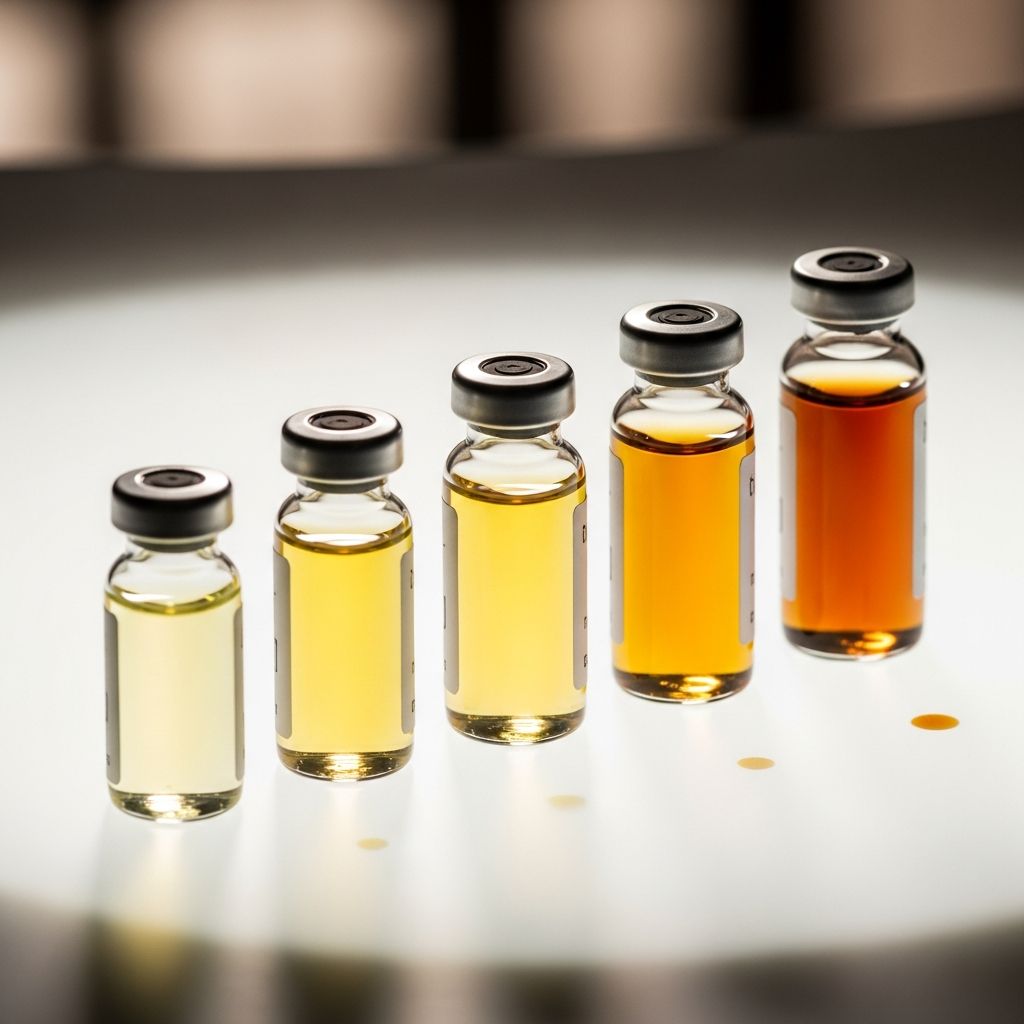
Urine gets its typical yellow tint from urochrome, a byproduct of hemoglobin breakdown in red blood cells. In pregnancy, this pigment’s concentration fluctuates based on hydration status, kidney function, and waste filtration efficiency. Well-hydrated bodies produce dilute urine appearing light straw-colored, while concentrated urine turns amber or deeper yellow.
Hormones such as human chorionic gonadotropin (hCG) and progesterone play key roles by altering kidney filtration rates and bladder pressure, leading to more frequent urination and potential color variations. As blood volume expands by up to 50% to support the fetus, kidneys work overtime, processing extra fluids and influencing output appearance.
Common Factors Influencing Urine Shades
Several everyday elements contribute to these observations:
- Hydration Levels: Expecting mothers require 8-10 glasses of water daily to manage expanded blood volume and amniotic fluid. Dehydration concentrates urochrome, darkening urine to amber or orange.
- Dietary Shifts: Foods rich in beta-carotene like carrots or beets can tint urine orange or red, while asparagus may add a greenish hue temporarily.
- Prenatal Supplements: Riboflavin (vitamin B2) in multivitamins often causes bright or neon yellow urine as excess is excreted, confirming nutrient absorption.
- Hormonal Effects: Early hCG rises can slightly darken urine by affecting fluid balance.
| Factor | Typical Color Change | Why It Happens |
|---|---|---|
| Hydration | Pale to dark yellow | Dilution vs. concentration of urochrome |
| Vitamins | Bright/flourescent yellow | Excess B vitamins excreted |
| Diet | Orange, red, green | Pigments from foods |
| Hormones | Slight darkening | Altered kidney function |
Normal vs. Concerning Color Variations
Pale yellow to transparent indicates optimal hydration, essential for preventing complications like preterm labor or neural tube defects in the baby. Dark yellow or amber usually resolves with increased fluids but warrants monitoring.
Uncommon shades demand vigilance:
- Cloudy Urine: May arise from excess protein (proteinuria) or phosphates; persistent cloudiness could hint at preeclampsia.
- Pink/Red Tinge: Possible hematuria from minor bleeding, kidney stones, or infections.
- Dark Brown/Orange: Rare but linked to severe dehydration, liver issues, or kidney problems; immediate consultation needed.
- Green/Blue: Often from medications or dyes, but could signal rare infections.
Accompanying symptoms like burning, frequency beyond normal, fever, or back pain elevate concern levels.
Urinary Tract Infections: A Frequent Risk
UTIs affect up to 10% of pregnancies, with symptoms including cloudy, strong-smelling urine, often darker due to bacteria or pus. Risk rises from urinary stasis—enlarged ureters slow flow, fostering bacterial growth—and sweeter urine composition from higher sugars/proteins.
Untreated UTIs heighten chances of low birth weight or preterm delivery. Diagnosis via urinalysis detects nitrites, leukocytes, or bacteria; treatment involves safe antibiotics.
Other Medical Contributors to Color Shifts
Beyond basics, conditions like gestational diabetes insipidus can produce clear, excessive urine from hormonal antidiuretic issues. Kidney stones, more common in pregnancy due to calcium shifts, cause bloody or dark urine with flank pain.
Preeclampsia markers include foamy urine from proteinuria alongside high blood pressure. Routine prenatal urine tests screen for protein, glucose, and infections, guiding early intervention.
Practical Tips for Healthy Bladder Habits
- Hydrate Strategically: Aim for clear-to-pale urine; sip throughout the day to avoid nighttime overload.
- Track Intake: Log water and note color patterns correlating with meals or supplements.
- Hygiene Practices: Wipe front-to-back, urinate post-intercourse, and opt for cotton underwear to curb UTIs.
- Diet Balance: Limit caffeine/sugary drinks that irritate the bladder; embrace fiber for constipation relief.
- Regular Checkups: Attend all prenatal visits for urine analysis.
Monitoring Your Urine: A Daily Guide
Observe first morning void for concentration insights and midstream samples for tests. Apps or journals help log changes alongside symptoms for doctor discussions.
When to act: Sudden persistent odd colors, pain, or swelling prompt same-day provider contact.
Frequently Asked Questions
Is bright yellow urine normal in pregnancy?
Yes, it’s commonly due to prenatal vitamins rich in B2; it shows effective nutrient uptake without harm.
Does dark urine mean I’m dehydrated?
Often yes—increase fluids if pale yellow isn’t achieved, but pair with other symptoms for full assessment.
Can early pregnancy darken urine?
Yes, hCG surges mildly concentrate it, amplified by nausea-related low intake.
What if urine is bloody during pregnancy?
Contact your doctor immediately; it may indicate UTI, stones, or placental issues.
Does urine smell change too?
Frequently, from hormones/diet, but foul odor with color shifts suggests infection.
Empowering Your Pregnancy Journey
Urine color serves as a simple health barometer. By understanding these dynamics, expecting mothers can proactively manage hydration, nutrition, and alerts, fostering optimal outcomes for themselves and their babies. Consult professionals for tailored advice, as individual factors vary.
References
- How Does Your Urine Change When You’re Pregnant? — Raleigh OB. Accessed 2026. https://www.raleighob.com/how-does-your-urine-change-when-youre-pregnant/
- Understanding Changes in Urine Colour During Pregnancy — Cloudnine Care. Accessed 2026. https://www.cloudninecare.com/blog/understanding-changes-in-urine-colour-during-pregnancy
- How Pregnancy Can Affect Your Urine Color — Proactive For Her. Accessed 2026. https://proactiveforher.com/blogs/pregnancy/how-can-pregnancy-affect-urine-color/
- Can Early Pregnancy Affect Urine Color? — SneakPeek. Accessed 2026. https://sneakpeektest.com/blog/can-early-pregnancy-affect-urine-color/
- Why is there a change in urine colour in pregnancy? — Pristyn Care. 2023-01-01. https://www.pristyncare.com/blog/why-change-in-urine-colour-in-pregnancy-pc0101/
- Understanding Pregnancy Urine Color: What It Means for Your Health — SRM Global Hospitals. Accessed 2026. https://srmglobalhospitals.com/blog/understanding-pregnancy-urine-color-what-it-means-for-your-health/
- UTI During Pregnancy: Causes, Symptoms & Treatment — Cleveland Clinic. Accessed 2026. https://my.clevelandclinic.org/health/diseases/uti-during-pregnancy