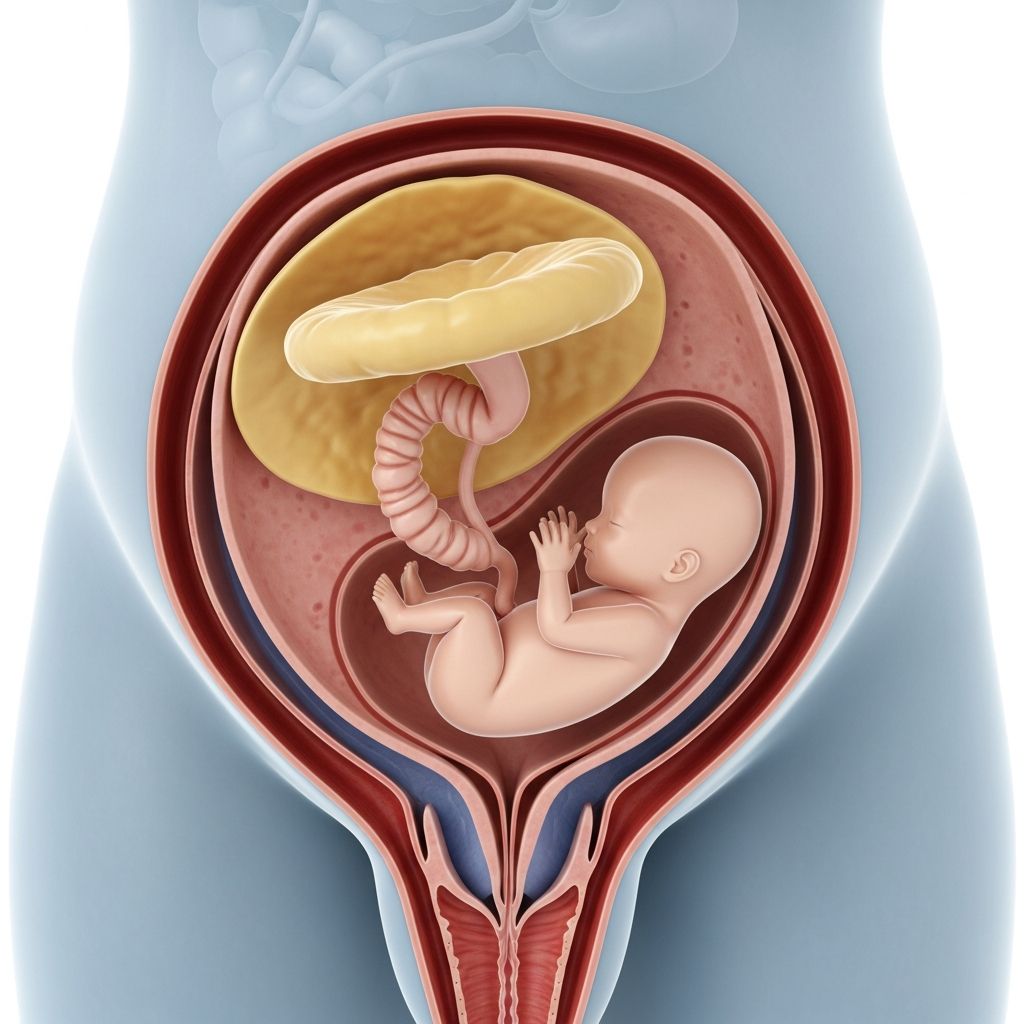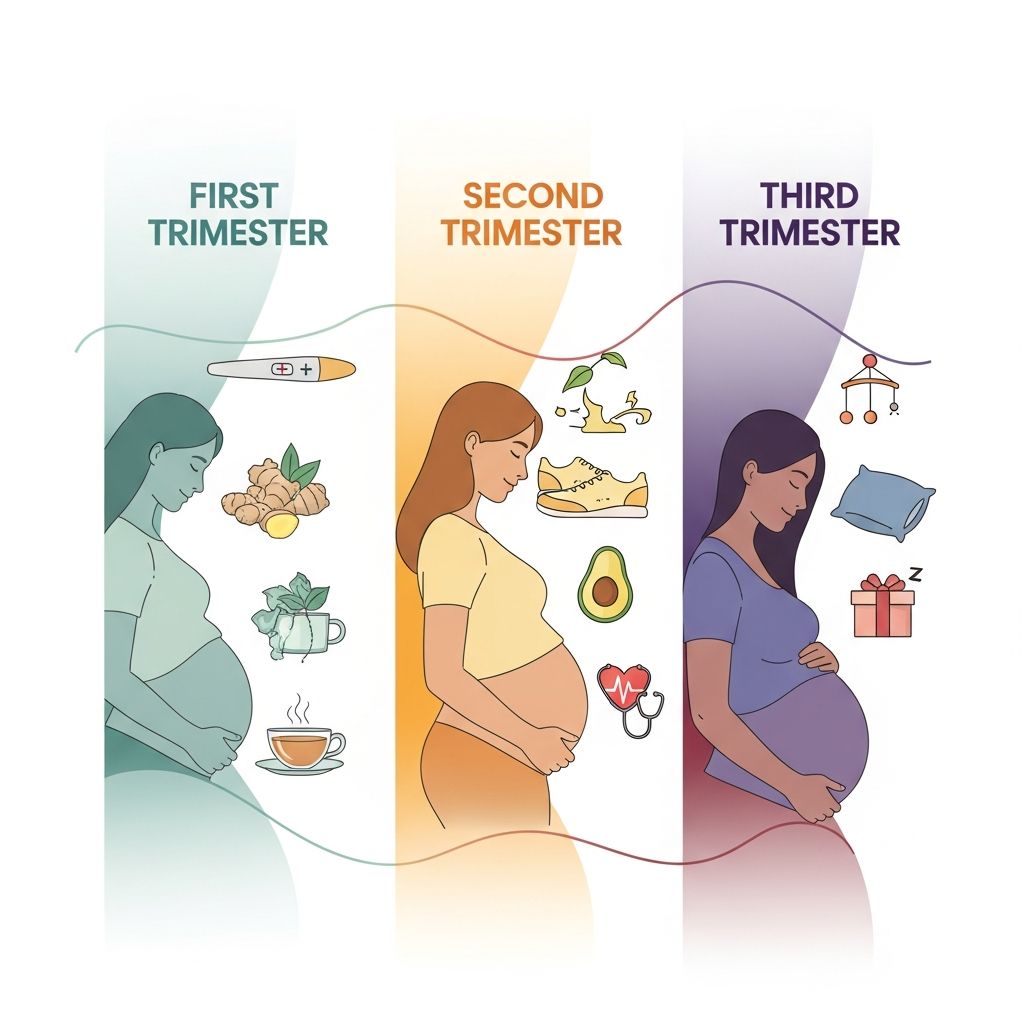
Pregnancy brings a cascade of physical and emotional changes driven by hormonal shifts, as the body adapts to support fetal development. These symptoms typically emerge shortly after conception, with many noticeable by the time a pregnancy test confirms the news. Understanding this timeline helps expectant parents prepare and distinguish normal experiences from those requiring medical attention.
Earliest Indicators: From Conception to Week 4
The journey often starts subtly around implantation, roughly 6-12 days after fertilization. Light spotting, known as implantation bleeding, may occur and is lighter than a typical period. A missed period is the hallmark sign for those with regular cycles, often prompting the first home test.
Basal body temperature remains elevated post-ovulation, and subtle fatigue might creep in due to rising progesterone. Not everyone notices these initial clues, but they signal the placenta’s early formation.
- Missed period: Most reliable early cue, around week 4.
- Implantation spotting: Pink or brown discharge lasting 1-2 days.
- Slight fatigue: Progesterone-induced drowsiness begins.
First Trimester Surge: Weeks 4 to 12
This period sees the most intense symptoms as hCG levels double every few days, peaking around week 10. Nausea, dubbed ‘morning sickness’ despite occurring anytime, affects up to 80% of pregnancies, starting week 4-6 and easing by week 12-14 for many.
Breasts transform early: tenderness, swelling, and darkened areolas from week 4-6 as mammary glands prepare for lactation. Frequent urination ramps up from increased blood volume straining the kidneys. Fatigue is profound, linked to progesterone surges and the energy demands of organ formation.
| Week | Common Symptoms | Baby’s Milestone |
|---|---|---|
| 5 | Sore breasts, nausea, frequent urination, mild cramps | Heart begins beating; size of apple seed |
| 7 | Bloating, heartburn, acne, mood swings | Limbs forming; blueberry-sized |
| 9-10 | Headaches, nasal congestion, visible veins | Fingers/toes distinct; strawberry-sized |
Mood swings arise from estrogen, progesterone, and fatigue. Digestive slowdown causes constipation and bloating. Some experience metallic taste or heightened smell sensitivity, triggering aversions.
Second Trimester Relief: Weeks 13 to 27
Often called the ‘honeymoon phase,’ symptoms like nausea typically subside by week 14 as hCG plateaus. Energy returns, and the ‘pregnancy glow’ emerges from increased blood flow and oilier skin.
Quickening—first fetal movements—starts around week 16-22, felt as flutters. Breasts continue enlarging, sometimes leaking colostrum by week 20. Backaches develop from shifting center of gravity, while round ligament pain causes sharp twinges during growth spurts.
- Week 16: Possible kicks, radiant skin, constipation persists.
- Week 22: Stretch marks, belly button protrusion, leaky breasts.
- General: Itchiness, dry eyes, bleeding gums from hormonal impacts.
Weight gain accelerates: about 1 pound per week, totaling 6-8 kg by trimester’s end.
Third Trimester Challenges: Weeks 28 to 40
As baby grows rapidly—gaining half its birth weight here—discomfort intensifies. Shortness of breath eases mid-trimester but returns as the uterus crowds lungs. Swelling (edema) in ankles and feet is common from fluid retention and pressure.
Braxton Hicks contractions, irregular ‘practice’ tightenings, increase from week 30. Pelvic pressure, frequent urination, and insomnia plague many. Colostrum leakage signals breast readiness.
| Symptom | Cause | Management Tips |
|---|---|---|
| Pelvic pressure | Baby’s head engaging | Pelvic tilts, warm baths |
| Edema | Fluid retention, circulation | Elevate feet, compression socks |
| Braxton Hicks | Uterine stretching | Hydrate, change position |
| Leaking colostrum | Hormonal prep for milk | Breast pads, normal occurrence |
By week 36, weekly check-ups monitor for labor signs like mucus plug loss or water breaking.
Factors Influencing Symptom Onset and Intensity
Every pregnancy varies: multiples amplify symptoms due to higher hormones; prior pregnancies may feel milder. Age, health, and lifestyle play roles—smokers or those with hyperemesis gravidarum face severe nausea.
Emotional factors like stress can exacerbate fatigue or mood shifts. Nutrition impacts: iron-rich foods combat anemia-related tiredness.
When to Contact Your Healthcare Provider
Most symptoms are benign, but vigilance is key. Seek immediate care for severe vomiting preventing eating, bleeding beyond spotting, intense cramps, vision changes, or sudden swelling signaling preeclampsia.
- Red flags: Persistent headaches, high fever, reduced fetal movement post-24 weeks.
- Routine checks: Prenatal visits confirm progress via ultrasounds and bloodwork.
Lifestyle Strategies for Comfort Throughout Pregnancy
Stay hydrated (8-10 glasses daily) to ease constipation and Braxton Hicks. Small, frequent meals combat nausea—crackers before rising help. Supportive bras and maternity wear reduce breast/back strain.
Exercise like prenatal yoga or walking boosts mood and stamina. Rest when possible; naps recharge. A balanced diet with folic acid, calcium, and protein supports both parent and baby.
Frequently Asked Questions About Pregnancy Symptoms
Can pregnancy symptoms start before a missed period?
Yes, implantation signs like spotting or mild fatigue can appear 1-2 weeks post-conception, before week 4.
Why do some women have no symptoms?
Up to 20% experience few signs, especially in early stages; symptoms may intensify later.
Does symptom severity predict multiples?
Stronger symptoms can correlate with twins due to elevated hCG, but not reliably.
When does morning sickness end?
Typically by week 12-14, though some persist longer; consult for hyperemesis.
Are cramps normal throughout?
Mild early cramps yes, from implantation/expansion; severe or with bleeding warrants a check.
Emotional and Mental Health Considerations
Hormonal fluxes fuel anxiety or ‘baby blues’ in 10-20% early on. Mood swings peak first trimester but stabilize. Connect with support groups or professionals if depression symptoms like persistent sadness emerge.
Mindfulness, partner communication, and prenatal classes foster resilience. Track symptoms in a journal for discussions at appointments.
This timeline equips you with knowledge for a proactive pregnancy. Every body responds uniquely—tune into yours and partner with your provider.
References
- Pregnancy Timeline: Week by Week — NewYork-Presbyterian. Accessed 2026. https://www.nyp.org/womens/pregnancy-and-birth/timeline
- Early Pregnancy Symptoms: 15 Signs and Timeline — Healthline. 2024-11-25. https://www.healthline.com/health/pregnancy/early-symptoms-timeline
- Symptoms of pregnancy: What happens first — Mayo Clinic. Accessed 2026. https://www.mayoclinic.org/healthy-lifestyle/getting-pregnant/in-depth/symptoms-of-pregnancy/art-20043853
- Pregnancy stages and changes — Better Health Channel (Victorian Government). Accessed 2026. https://www.betterhealth.vic.gov.au/health/healthyliving/pregnancy-stages-and-changes
- Early pregnancy symptoms and signs: What to expect in the first weeks — Clearblue. Accessed 2026. https://www.clearblue.com/how-to-get-pregnant/first-weeks-pregnancy