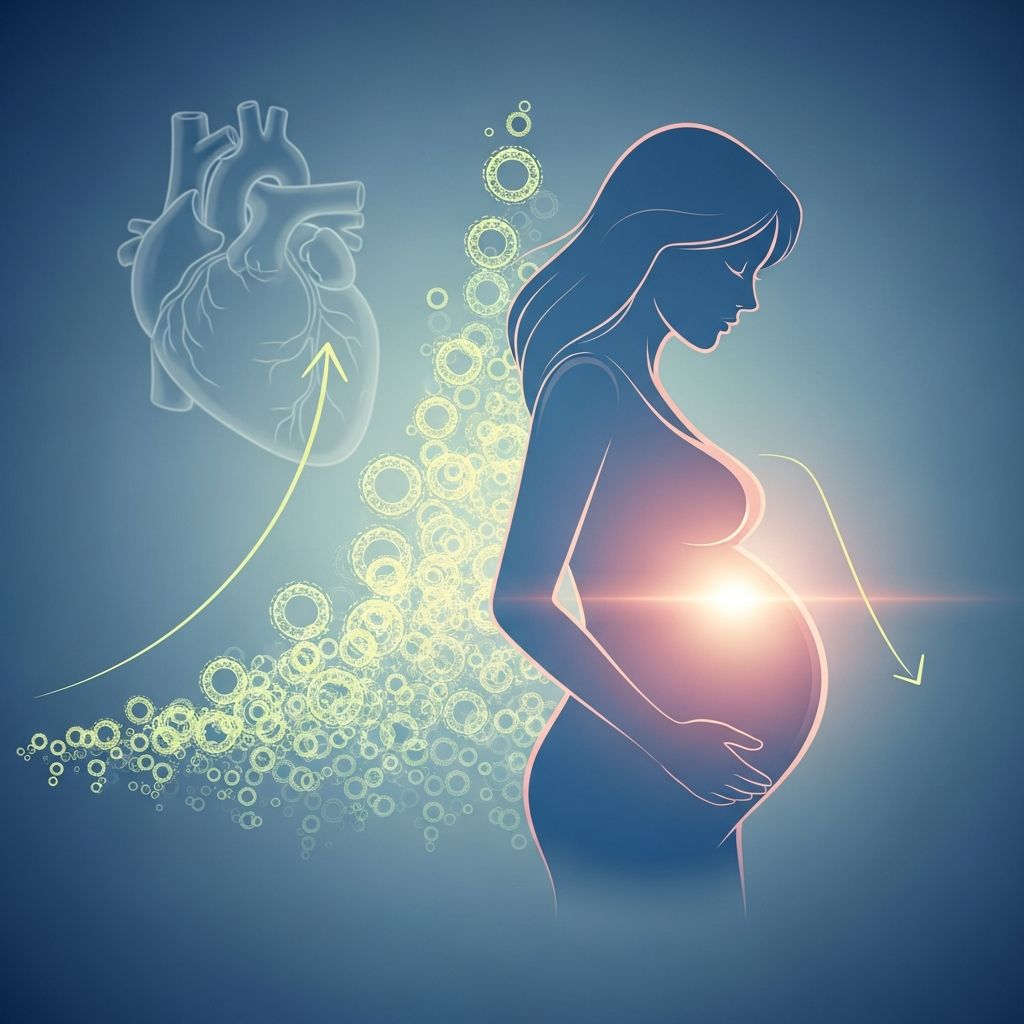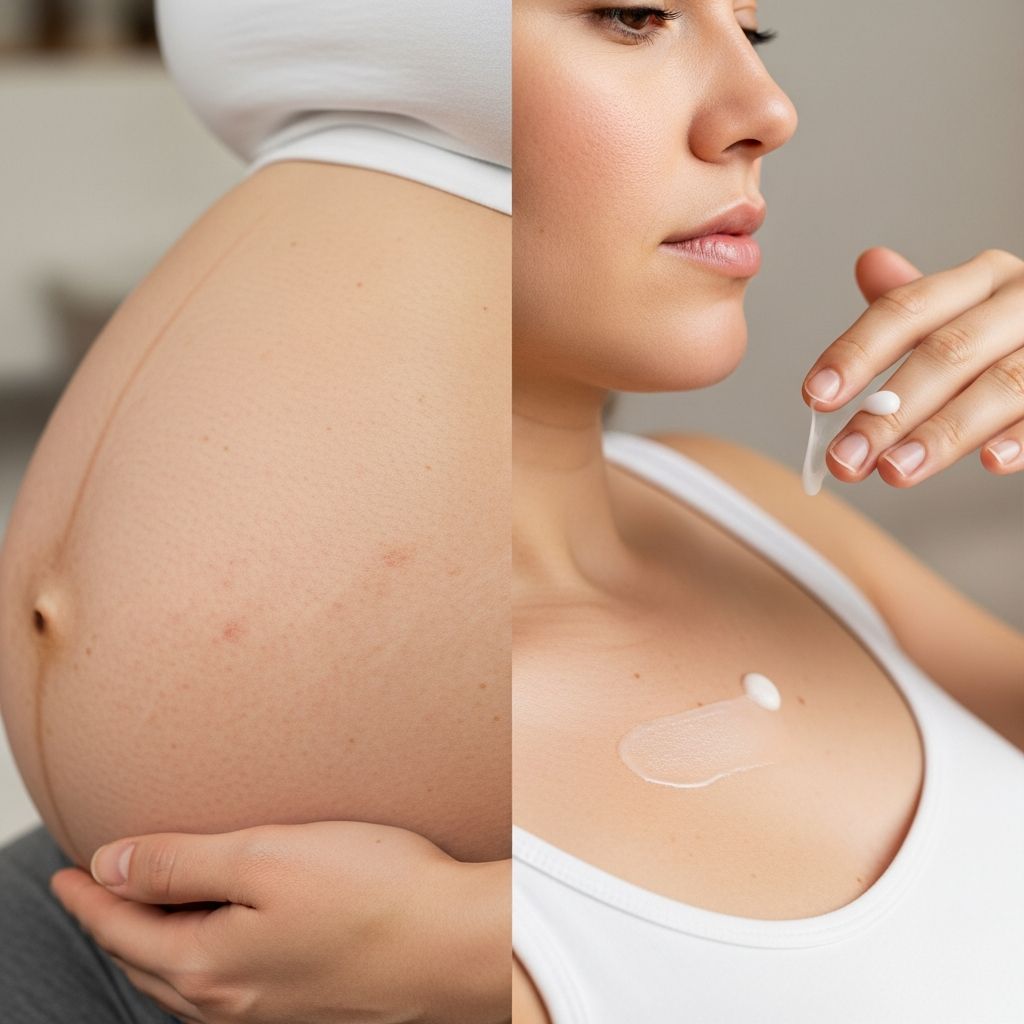
Pregnancy triggers profound hormonal shifts that manifest visibly on the skin, affecting up to 90% of expectant mothers with changes ranging from pigmentation alterations to itchy eruptions. These transformations, while often temporary, can impact comfort and confidence. Understanding their origins, recognizing symptoms early, and adopting pregnancy-safe interventions are key to navigating this phase effectively.
Hormonal Drivers Behind Skin Changes
The surge in estrogen, progesterone, and melanocyte-stimulating hormone during pregnancy amplifies melanin production, leading to hyperpigmentation in areas like the areolae, nipples, and abdominal midline. Increased blood volume and skin stretching further contribute to conditions such as spider veins and stretch marks. These changes typically peak in the second and third trimesters but may persist postpartum.
- Estrogen and Progesterone: Stimulate oil glands, exacerbating acne, and promote pigment cell activity.
- Melanocyte-Stimulating Hormone (MSH): Directly causes darkening of skin in sun-exposed or friction-prone zones.
- Physical Factors: Abdominal expansion strains collagen fibers, resulting in striae gravidarum (stretch marks).
Hyperpigmentation Disorders: Melasma and Linea Nigra
Hyperpigmentation stands as the most frequent skin alteration, impacting the face and body. Melasma, dubbed the ‘mask of pregnancy,’ presents as symmetrical brown or gray-brown patches on the cheeks, forehead, nose bridge, and upper lip. Affecting 45-70% of pregnancies, it worsens with sun exposure due to UV-induced melanin overproduction.
Linea nigra, a dark vertical line from the navel to the pubic symphysis, emerges in 75% of pregnancies, darkening progressively. Both conditions fade postpartum but may linger for months or years, especially in those with darker skin tones.
Safe Management for Pigmentation
- Daily broad-spectrum SPF 30+ sunscreen, even indoors, to block UV triggers.
- Gentle brightening agents like vitamin C serums or azelaic acid (pregnancy-safe at low concentrations).
- Avoid hydroquinone, retinoids, and salicylic acid above 2% during pregnancy.
Postpartum, options expand to include chemical peels and laser therapies once breastfeeding concludes.
Stretch Marks: Prevention and Fading
Stretch marks, or striae gravidarum, appear as reddish-purple streaks on the abdomen, breasts, hips, and thighs, evolving to silvery-white scars. They result from dermal tears due to rapid stretching and collagen breakdown, influenced by genetics and weight gain. Up to 90% of women develop them, primarily in the third trimester.
| Stage | Appearance | Treatment Focus |
|---|---|---|
| Early (Red/Purple) | Inflammatory phase | Moisturize with centella asiatica or hyaluronic acid; massage daily. |
| Mature (White) | Scar-like | Microneedling, tretinoin (postpartum), or silicone gels. |
While prevention is challenging, consistent hydration with emollients and stable weight gain (11-16kg recommended) minimize severity. No cream fully eradicates them, but early intervention improves texture.
Acne and Oil Imbalances
Elevated androgens boost sebum production, clogging pores and sparking acne vulgaris, particularly on the face, chest, and back. This affects 40-50% of pregnancies, worsening in trimesters two and three before improving postpartum.
Safe regimens prioritize:
- Topicals: Benzoyl peroxide (2.5-5%), azelaic acid (15-20%), glycolic acid (<10%).
- Cleansing: Twice-daily gentle foaming washes.
- Avoid: Retinoids, oral isotretinoin, tetracyclines.
For moderate cases, short erythromycin courses may be prescribed. Post-delivery, acne often resolves as hormones normalize.
Itchy Rashes: PUPPP and Atopic Eruptions
Pruritic Urticarial Papules and Plaques of Pregnancy (PUPPP), the most common pregnancy-specific dermatosis (1 in 200 cases), debuts late third trimester with intensely itchy red papules and plaques around abdominal stretch marks, spreading to thighs, buttocks, and arms. It spares the face and umbilicus, resolving 1-2 weeks postpartum without scarring.
Atopic Eruption of Pregnancy (AEP), encompassing eczema and prurigo, affects flexural areas and extensors with dry, scaly, pruritic patches. Eczema flares early, driven by immune shifts.
Relief Strategies
- Cool oatmeal baths and fragrance-free moisturizers for immediate soothing.
- Low-potency topical corticosteroids (e.g., hydrocortisone 1%) and oral antihistamines like loratadine.
- Severe PUPPP may require mid-potency steroids under supervision.
Rare but Serious Conditions
Intrahepatic Cholestasis of Pregnancy (ICP) causes severe itching without rash, worst on palms/soles, due to bile acid buildup. Occurring in 0.5-1% of pregnancies, it risks preterm birth and fetal distress, demanding ursodeoxycholic acid and monitoring.
Pemphigoid Gestationis involves tense blisters on abdomen and limbs, starting second trimester, linked to autoimmunity. High-dose steroids and fetal surveillance are essential.
Vascular and Structural Changes
Spider angiomas and palmar erythema arise from hyperestrogenism, fading postpartum. Varicose veins and hemorrhoids stem from uterine pressure on pelvic veins; compression stockings and elevation help.
Postpartum Skin Recovery Roadmap
Most changes regress within 6-12 months: melasma lightens, acne clears, rashes vanish. Persistent stretch marks benefit from:
- Laser resurfacing (fractional CO2).
- Topical retinoids after weaning.
- Microneedling with platelet-rich plasma.
Breastfeeding may prolong some pigmentation but supports healing via prolactin.
Lifestyle Tips for Optimal Skin Health
- Daily Sun Protection: Mineral sunscreens (zinc oxide/titanium dioxide).
- Hydration Routine: Ceramide-based creams twice daily.
- Dietary Support: Omega-3s, antioxidants from berries and greens.
- Stress Management: Prenatal yoga to curb cortisol-driven flares.
- Professional Consultation: Dermatologist visit for personalized plans.
Frequently Asked Questions (FAQs)
Can all pregnancy skin changes be prevented?
No, genetics and hormones play major roles, but moisturizing, sun protection, and moderate weight gain reduce risks.
Is PUPPP harmful to the baby?
PUPPP is benign for mother and fetus, self-resolving post-delivery without long-term effects.
What skincare ingredients are safe during pregnancy?
Safe: Azelaic acid, benzoyl peroxide, hyaluronic acid, niacinamide. Unsafe: Retinoids, high salicylic acid, hydroquinone.
How long do stretch marks take to fade?
They lighten over 6-12 months; full fading varies, often leaving faint lines.
Should I worry about new moles during pregnancy?
Monitor for asymmetry, irregular borders, color changes; biopsy if concerning, as pregnancy rarely triggers melanoma.
Does breastfeeding affect skin recovery?
It may delay pigmentation fade but aids overall healing; pump-and-dump not needed for most topicals.
References
- Common Skin Conditions During Pregnancy — American Academy of Family Physicians (AAFP). 2023-02-00. https://www.aafp.org/pubs/afp/issues/2023/0200/skin-conditions-during-pregnancy.html
- Skin Conditions During Pregnancy — American College of Obstetricians and Gynecologists (ACOG). 2023. https://www.acog.org/womens-health/faqs/skin-conditions-during-pregnancy
- 6 skin problems that can develop during pregnancy — UT Southwestern Medical Center. 2023. https://utswmed.org/medblog/pregnancy-rash-skin-conditions/
- Pregnancy Related Skin Conditions — Riva Dermatology. 2024. https://www.rivaderm.com/conditions/pregnancy-related-skin-conditions
- Changes to your skin during pregnancy — Pregnancy Birth & Baby (Australian Government). 2024. https://www.pregnancybirthbaby.org.au/changes-to-your-skin-during-pregnancy
- Skin changes in pregnancy — DermNet NZ. 2024. https://dermnetnz.org/topics/skin-changes-in-pregnancy