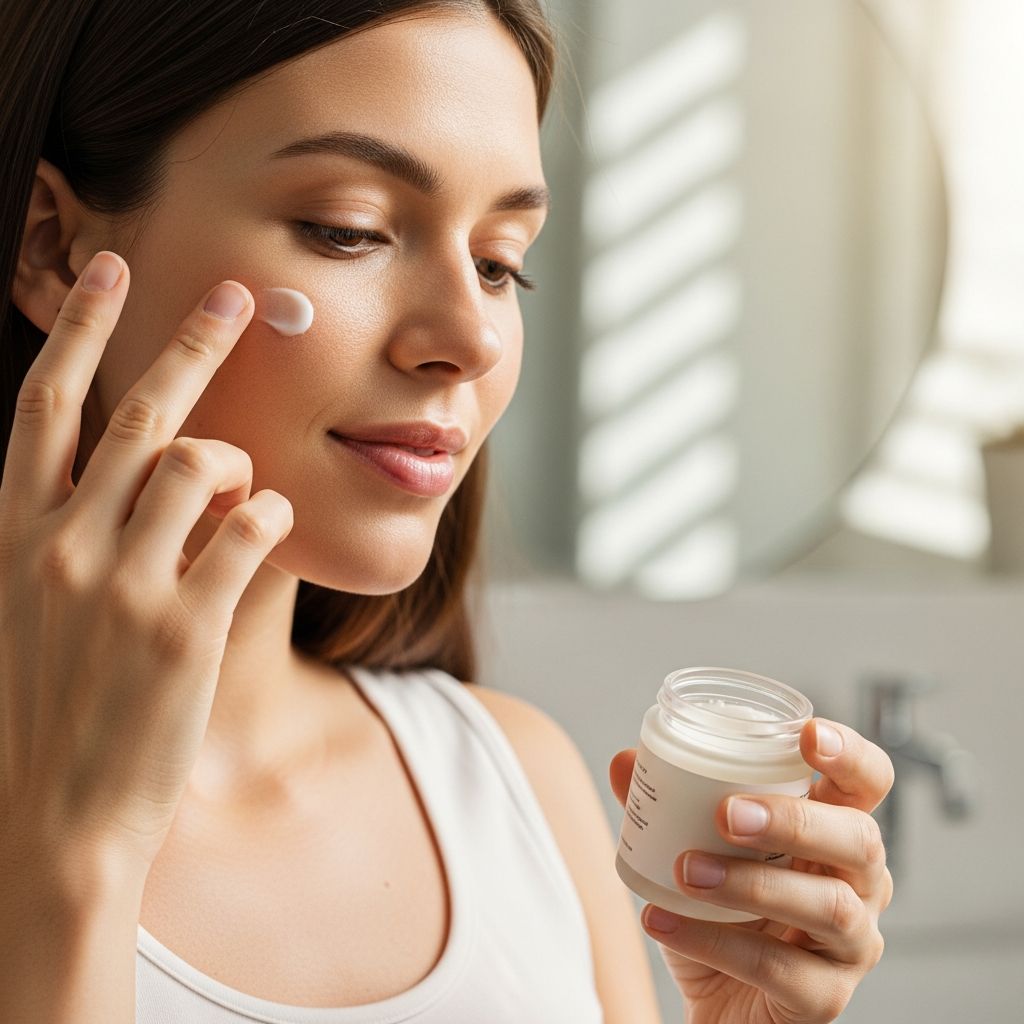
During pregnancy, hormonal shifts can transform your skin, leading to glow, dryness, acne, or pigmentation. Maintaining a skincare routine requires caution to protect both maternal and fetal health. This guide draws from dermatological recommendations to outline safe ingredients, effective products, and routines tailored for expectant mothers.
Understanding Skin Changes in Pregnancy
Pregnancy triggers increased estrogen, progesterone, and melanin production, often causing hyperpigmentation like melasma, acne flare-ups, or stretch marks. The placental barrier offers some protection, but topical ingredients can absorb systemically, necessitating selective choices. Limited studies on pregnant populations underscore the need for conservative approaches using well-researched, low-risk components.
Safe skincare focuses on hydration, gentle exfoliation, and sun protection while avoiding teratogenic substances. Consulting healthcare providers ensures personalized advice, especially for pre-existing conditions.
Ingredients Safe for Use During Pregnancy
Many skincare staples pose minimal risk when used topically in moderation. These support common concerns like dryness, acne, and uneven tone without crossing safety thresholds.
- Vitamin C: Brightens skin, boosts collagen, and fights pigmentation. Stable forms like ascorbyl glucoside are ideal for sensitive pregnancy skin.
- Niacinamide: Calms inflammation, regulates oil, and strengthens the barrier. Effective at 5-10% for acne and rosacea.
- Hyaluronic Acid: Draws in moisture for plump, hydrated skin, countering hormonal dryness.
- Azelaic Acid: Treats acne, rosacea, and melasma with anti-inflammatory and antibacterial effects. Safe up to 10-20% topically.
- Glycolic Acid: An AHA for mild exfoliation; limit to under 10% to promote cell turnover without irritation.
- Benzoyl Peroxide: Combats acne bacteria; low absorption makes it suitable in 2.5-5% concentrations.
- Vitamin E: Antioxidant that aids healing and elasticity, helpful for stretch marks.
- Bakuchiol: Retinoid alternative for anti-aging, improving texture without risks.
- Peptides: Support collagen for firmness.
- Mineral Sunscreens (Zinc Oxide, Titanium Dioxide): Block UV rays physically, preventing melasma worsening.
Ingredients to Avoid or Limit
Certain actives have potential risks due to absorption or animal studies showing teratogenicity. Steer clear or use sparingly after professional consultation.
| Ingredient | Risk Level | Why Avoid | Alternatives |
|---|---|---|---|
| Retinoids (Retinol, Tretinoin) | High | Linked to birth defects; high absorption. | Bakuchiol, Peptides |
| Hydroquinone | High | Potential systemic effects; limited pregnancy data. | Vitamin C, Azelaic Acid |
| High-Dose Salicylic Acid (>2%) | Moderate | BHA with possible antiplatelet effects. | Low-dose (<2%), Glycolic Acid |
| Parabens | Moderate | Estrogenic concerns; opt for paraben-free. | Natural preservatives |
| Phthalates | Moderate | Endocrine disruption potential. | Fragrance-free products |
| Chemical Sunscreens (Oxybenzone) | Moderate | Absorption and hormone mimicry risks. | Mineral-based |
Building a Pregnancy-Safe Skincare Routine
A simple, consistent routine suffices: cleanse, treat, moisturize, protect. Introduce one product weekly to monitor reactions, as skin sensitivity heightens.
- Morning: Gentle cleanser, vitamin C serum, hyaluronic acid moisturizer, mineral SPF 30+.
- Evening: Double cleanse if needed, niacinamide or azelaic acid treatment, rich moisturizer.
- Weekly: Low-concentration glycolic acid mask or benzoyl peroxide spot treatment.
For acne-prone skin, prioritize niacinamide and azelaic acid. Dry skin benefits from hyaluronic and ceramide-rich creams. Always patch-test and discontinue if irritation occurs.
Recommended Product Categories and Picks
Focus on fragrance-free, dermatologist-tested options. Examples inspired by expert endorsements:
- Cleansers: Niacinamide or low salicylic acid formulas like gentle foaming washes.
- Serums: The Ordinary Niacinamide 10% + Zinc, Azelaic Acid Suspension.
- Moisturizers: Ceramide-infused with hyaluronic acid.
- Sunscreens: Zinc oxide tints for even coverage.
- Body Oils: Vitamin E and calendula blends for stretch mark prevention.
Botanical extras like chamomile or rosehip oil soothe without risks.
Sun Protection: Non-Negotiable
UV exposure exacerbates melasma. Mineral sunscreens with zinc oxide or titanium dioxide reflect rays safely, with minimal absorption confirmed in studies. Reapply every 2 hours; seek shade during peak sun.
Addressing Common Concerns
Acne Management
Hormonal acne responds to benzoyl peroxide, azelaic acid, and niacinamide. Avoid picking to prevent scarring.
Pigmentation and Melasma
Vitamin C, glycolic acid, and mineral SPF fade spots gradually.
Stretch Marks and Dryness
Hydrate with hyaluronic acid and oils; vitamin E supports elasticity, though evidence for prevention is anecdotal.
Professional Treatments and When to Consult
Delay chemical peels or lasers until postpartum. Hydrafacials with gentle acids may be okay; confirm with providers. Discuss all topicals with obstetricians and dermatologists, especially if on medications.
Frequently Asked Questions
Is salicylic acid completely off-limits?
No, low concentrations (<2%) in washes are generally safe; avoid high-dose leave-ons.
Can I use essential oils?
Limit to pregnancy-safe ones like lavender in dilution; avoid rosemary or clary sage.
What about makeup?
Choose non-comedogenic, mineral-based; check for retinoids or parabens.
Does diet affect pregnancy skin?
Omega-3s and antioxidants support skin health internally.
Is bakuchiol truly a retinol substitute?
Yes, it offers similar benefits without retinoid risks.
Postpartum Transition
Breastfeeding mirrors pregnancy restrictions for retinoids. Gradually reintroduce actives under guidance.
Prioritizing safety yields healthy skin and peace of mind. This routine empowers glowing through all trimesters.
References
- Safe Skincare During Pregnancy — Boulder Medical Center, Lindsay Boyers, MD. 2023. https://www.bouldermedicalcenter.com/safe-skincare-pregnant/
- Skincare During Pregnancy: Skincare Ingredients Safe to Use & Avoid — Dr. Nerina Wilkinson. 2023. https://drnerinawilkinson.co.za/skincare-during-pregnancy/
- Dermatologist-approved pregnancy skin care — American Academy of Dermatology (AAD). 2024. https://www.aad.org/public/everyday-care/skin-care-secrets/routine/pregnancy-skin-care
- Pregnancy-Safe Skincare: Ingredients Decoded — Ingrid & Isabel. 2023. https://www.ingridandisabel.com/blogs/pregnancy/pregnancy-safe-skincare-ingredients-decoded
- Safety of skin care products during pregnancy — PMC / NIH. 2011-06-01. https://pmc.ncbi.nlm.nih.gov/articles/PMC3114665/
- Skin Care, Hair Care and Cosmetic Treatments in Pregnancy — SESLHD / Royal Hospital for Women. 2021-04. https://www.seslhd.health.nsw.gov.au/sites/default/files/groups/Royal_Hospital_for_Women/Mothersafe/documents/skinhaircareandcosmetictreatmentsapril2021.pdf