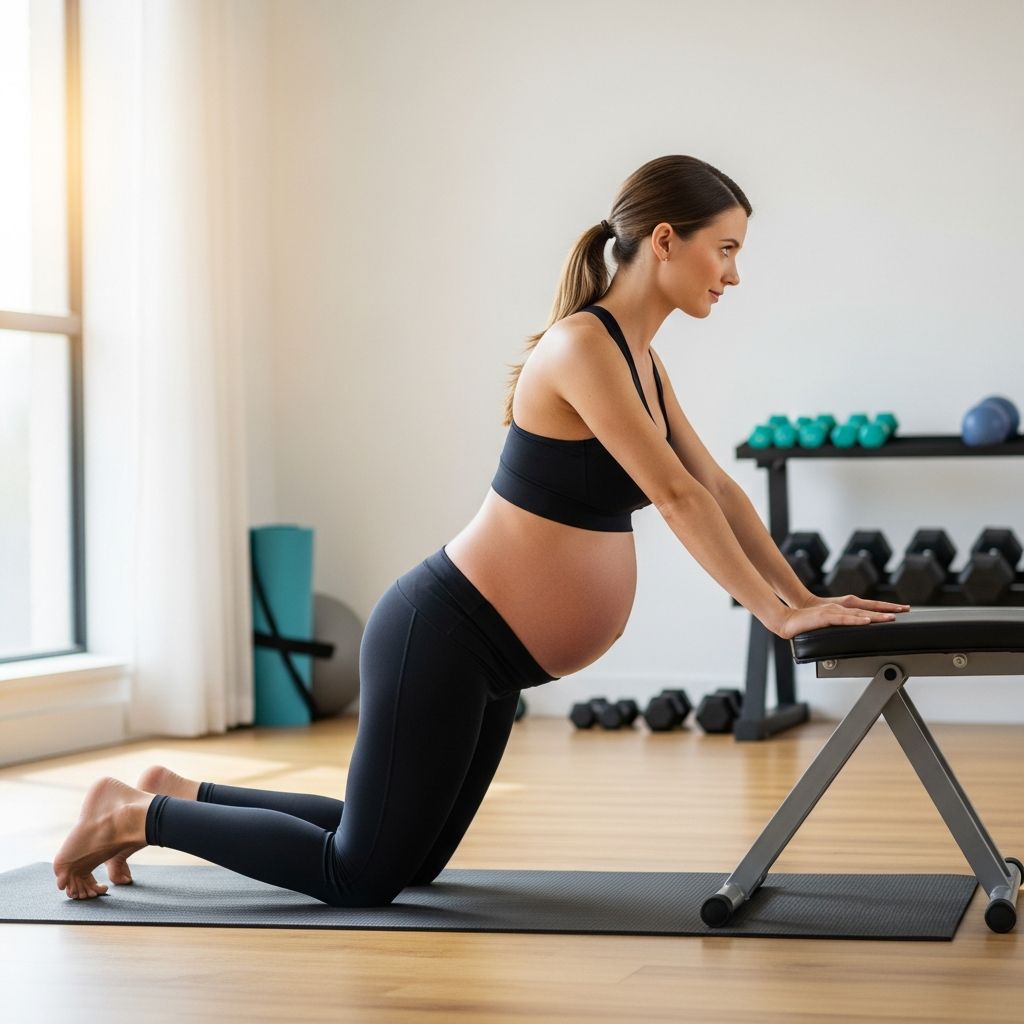
Push-ups, when properly modified, offer pregnant women a powerful way to maintain upper body strength, enhance posture, and promote better circulation throughout pregnancy. These adaptations reduce strain on the core and balance, making them suitable for all trimesters when approved by a healthcare provider.
Why Strength Training Matters During Pregnancy
Regular physical activity during pregnancy supports maternal cardiovascular health, reduces gestational diabetes risk, and eases labor preparation. Strength exercises like modified push-ups target the arms, shoulders, chest, and back, countering the postural shifts caused by a growing belly. A study in the Journal of Physical Therapy Science found that hands-and-knees push-ups safely improved upper body strength and posture in pregnant participants without adverse effects.
These exercises also combat common discomforts such as swelling in the extremities by improving blood flow. Strong upper body muscles aid in daily tasks like lifting a stroller or carrying groceries post-delivery, facilitating a smoother postpartum recovery.
Assessing Your Fitness Readiness
Before incorporating push-ups, consult your obstetrician or midwife, especially if you have high-risk factors like placenta previa or severe anemia. Begin with a baseline assessment: Can you hold a plank for 20 seconds comfortably? If not, start with gentler variations. Monitor for warning signs including dizziness, shortness of breath, calf pain, or contractions—stop immediately if any occur.
- Track your heart rate: Aim for moderate intensity where you can still talk.
- Warm up with 5-10 minutes of light walking or arm circles.
- Cool down with stretches for the chest and shoulders.
First Trimester Push-Up Adaptations
In the first trimester, energy levels may fluctuate due to hormonal changes, but your center of gravity remains stable. Hands-and-knees push-ups are ideal here, mimicking full push-ups while minimizing abdominal pressure.
Step-by-Step Guide:
- Kneel on a soft mat with hands shoulder-width apart, directly under shoulders.
- Engage your core by drawing your navel toward your spine.
- Lower your chest toward the floor by bending elbows to 90 degrees, keeping body in a straight line from knees to head.
- Push through palms to return to start. Aim for 8-12 reps, 2-3 sets.
This variation builds pectoral and triceps strength effectively. Breathe steadily—inhale as you lower, exhale on the push up—to avoid breath-holding, which can spike blood pressure.
Second Trimester Modifications for Growing Bellies
As your uterus expands, supine positions become uncomfortable, and balance shifts. Transition to elevated or unilateral push-ups to accommodate your changing body.
Incline push-ups using a sturdy bench, wall, or box reduce load on the core. For added challenge, incorporate a unilateral reach: From a plank on an elevated surface, extend one arm sideways before pushing up, alternating sides.
| Variation | Surface Height | Reps/Sets | Benefits |
|---|---|---|---|
| Standard Incline | Waist height | 10-15 reps, 3 sets | Full upper body engagement |
| Unilateral Reach | Chest height | 8 reps per side, 2 sets | Improves stability and coordination |
| Box Step-Out | Knee height | 12 reps, 3 sets | Low-impact cardio boost |
These keep intensity moderate while avoiding diastasis recti strain. Physical therapists recommend avoiding full planks if coning (abdominal bulging) occurs.
Third Trimester: Low-Impact Upper Body Focus
With pronounced fatigue and balance challenges, wall push-ups or seated dumbbell presses become primary options. Wall push-ups allow upright positioning, reducing fall risk.
Execution Tips:
- Stand arm’s length from a wall, feet hip-width apart.
- Place hands wider than shoulders at chest height.
- Bend elbows to bring chest toward wall, then press back. Perform 15 reps slowly.
For variety, use resistance bands for chest presses while seated on a stability ball, enhancing pelvic floor awareness.
Breathing and Core Integration Techniques
Proper breathing prevents intra-abdominal pressure buildup, crucial for pelvic floor health. Exhale during exertion (the push phase) to engage the transverse abdominis naturally.
Modify for diastasis recti prevention: Avoid crunches; opt for pallof presses or bird-dogs alongside push-ups. These stabilize the core without separation risk.
Complementary Exercises for Balanced Routines
Pair push-ups with lower body and core moves for comprehensive fitness:
- Squats with Ball: Lean against a wall for support, 12 reps.
- Modified Planks: On knees or elevated, hold 20-30 seconds.
- Leg Raises: Seated or supine early on, focus on control.
- Step-Ups: Low box for cardio and glutes.
A weekly routine: 3 strength days with 20-30 minutes, including 2 push-up variations, plus walking.
Common Pitfalls and How to Avoid Them
Steer clear of full push-ups past week 12, as they compress vena cava and strain abs. Don’t ignore pain—sharp twinges signal overexertion. Hydrate well and wear supportive shoes.
Progress gradually: If pre-pregnancy you did 20 reps, halve it initially. Track via journal for adjustments.
Frequently Asked Questions
Are push-ups safe in all trimesters?
Yes, with modifications: hands-knees first, incline second, wall third. Always get medical clearance.
How many push-ups per session?
Start with 8-12 reps, 2-3 sets, adjusting based on comfort and fatigue levels.
Can push-ups help with labor preparation?
They build endurance and posture, indirectly aiding pushing stages by strengthening upper body.
What if I feel dizzy during push-ups?
Stop immediately, lie on your left side, and consult your doctor. It may indicate low blood pressure.
Postpartum push-up return?
Wait 6-8 weeks or until cleared; resume with modifications for core healing.
Long-Term Benefits for Mom and Baby
Consistent prenatal strength training correlates with lower cesarean rates, better birth weights, and faster recovery. Modified push-ups contribute by sustaining muscle mass amid relaxin-induced laxity.
Expand your routine seasonally: Incorporate yoga for flexibility and swimming for buoyancy in later months. Consistency yields vitality for motherhood’s demands.
References
- Can You Do Push Ups While Pregnant? Safe Techniques & Tips — Personal Edge Fitness. 2023. https://personaledgefitness.com/push-ups-during-pregnancy/
- CrossFit modifications for pregnancy — Arrow Physical Therapy Seattle. 2023. https://www.arrowptseattle.com/news/crossfitmodificationsforpregnancy
- Pregnancy Workout: Push-Ups | 1 Move, 3 Trimesters | Parents — YouTube (Parents). 2023. https://www.youtube.com/watch?v=uuZgpsgbvmI
- Monday Move: Push Up Modifications | Get Mom Strong — Get Mom Strong. 2023. https://getmomstrong.com/blog/monday-move-push-up-modifications-and-breathing-for-core-diastasis-recti/
- Pregnancy exercises — Mayo Clinic. 2025-01-01. https://www.mayoclinic.org/healthy-lifestyle/pregnancy-week-by-week/in-depth/pregnancy-exercises/art-20546799
- CrossFit Scaling Guide for Pregnant and Postpartum Women — Mayhem Athlete. 2022-11-01. https://www.mayhemathletes.com/wp-content/uploads/2022/11/CrossFit-Scaling-Guide-for-Pregnant-and-Postpartum-Women.pdf