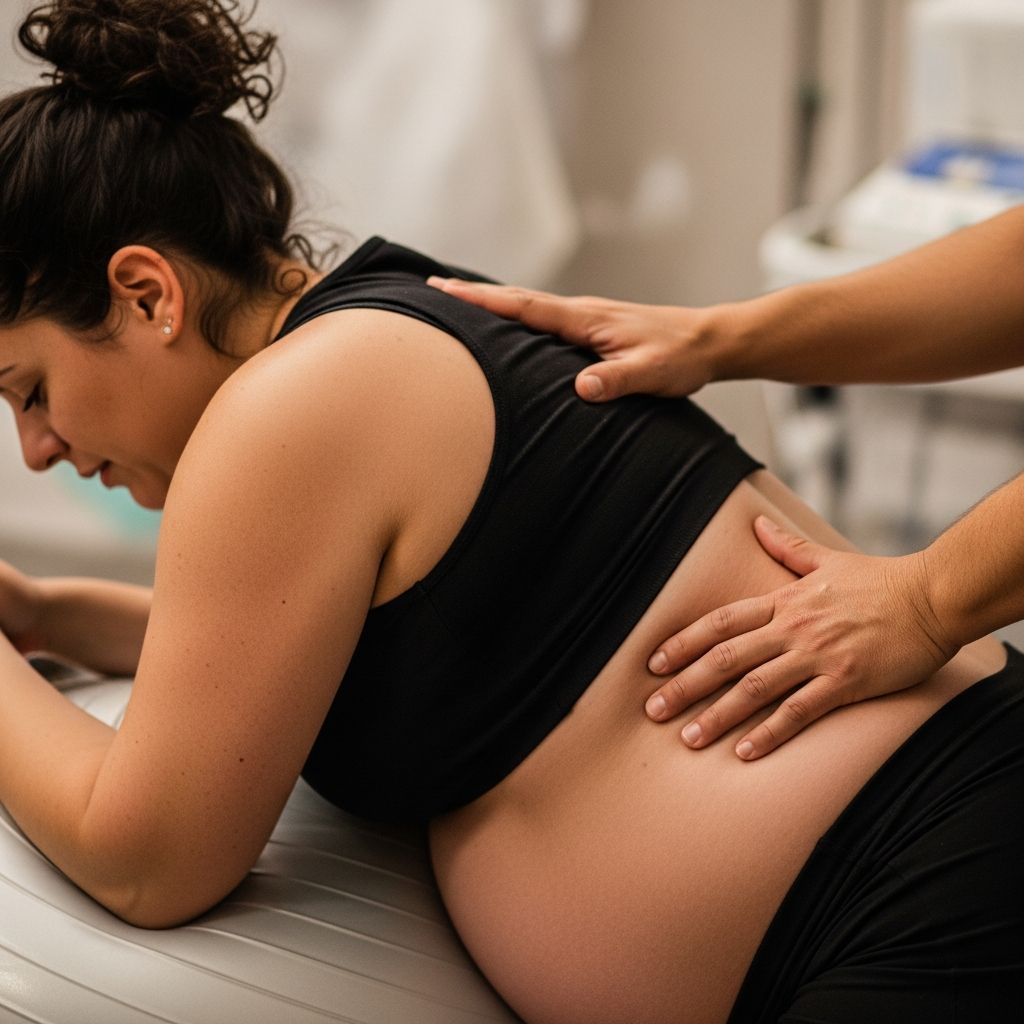
Pregnancy nausea, often called morning sickness, impacts up to 70% of expectant mothers, typically starting in the first trimester and peaking around weeks 6 to 12, though it can persist longer for some. Despite the name, symptoms like queasiness and vomiting can strike anytime, disrupting daily life and nutrition. The good news is a range of evidence-based strategies—from simple dietary tweaks to supplements and medical interventions—can provide significant relief. This article explores practical, safe approaches drawn from authoritative health guidelines, helping you manage symptoms effectively while prioritizing maternal and fetal health.
Understanding the Causes of Pregnancy Nausea
Nausea during pregnancy stems primarily from surging hormones like human chorionic gonadotropin (hCG) and estrogen, which slow digestion and heighten stomach sensitivity. Other contributors include low blood sugar, fatigue, strong odors, and prenatal vitamin iron content. While mild cases resolve by the second trimester, severe forms like hyperemesis gravidarum require medical attention to prevent dehydration and nutrient loss. Recognizing triggers is the first step: track when symptoms worsen to tailor remedies accordingly.
Dietary Strategies to Combat Nausea
Adjusting what and how you eat forms the foundation of nausea management. Focus on frequent, light intake to stabilize blood sugar and ease digestion.
- Opt for small, frequent meals: Consume 5-6 mini meals daily instead of three large ones to prevent an empty or overly full stomach, which exacerbates queasiness. Start your day with crackers or dry toast bedside before rising.
- Choose bland, starchy foods: The BRAT diet—bananas, rice, applesauce, toast—absorbs excess stomach acid with its gentle profile. These low-fiber options minimize irritation.
- Incorporate high-protein snacks: Protein boosts gastrin, a digestion-aiding hormone. Try nuts, cheese, yogurt, eggs, or peanut butter; aim for 60g daily to support pregnancy needs.
- Embrace cold foods and drinks: Cold items like smoothies, almond milk, or popsicles reduce odor triggers compared to hot meals.
A sample daily meal plan might include:
| Time | Suggestion |
|---|---|
| Upon waking | Dry crackers or toast |
| Mid-morning | Greek yogurt with banana |
| Lunch | Rice with boiled chicken |
| Afternoon | Apple slices with peanut butter |
| Dinner | Broth-based soup with toast |
| Evening | Handful of nuts |
Natural Remedies and Hydration Hacks
Nature offers potent allies against nausea, backed by clinical evidence.
- Ginger’s proven power: Ginger reduces vomiting via anti-inflammatory compounds; consume as tea, chews, or in meals. Studies support its safety and efficacy.
- Herbal infusions: Peppermint, red raspberry leaf, chamomile, or lemon teas soothe the gut. Sip slowly for hydration. Avoid excessive amounts; consult your provider.
- Carbonated relief: Bubbly water or ginger ale cuts stomach acidity. Flavored mineral water adds variety without sugar overload.
- Water-rich produce: When liquids fail, eat watermelon, cucumbers, celery, or strawberries for hydration and electrolytes, plus vitamins for fetal growth.
- Aromatherapy scents: Inhale lemon, orange, or mint; these pleasant aromas interrupt nausea signals per research.
Stay ahead of dehydration by sipping fluids little and often—aim for 8-10 glasses daily, prioritizing clear options.
Supplement Solutions for Symptom Control
Targeted nutrients address deficiencies linked to worsened nausea.
- Vitamin B6 (pyridoxine): This essential vitamin for fetal brain development also curbs nausea. Take 10-25mg up to three times daily; safe as a first-line OTC option.
- Timing prenatal vitamins: Iron can provoke upset—switch to evening with food, or try chewables/gummies.
- Combo products: Formulas blending B6, B12, ginger, and calcium (e.g., PregEase) tackle multiple symptoms like heartburn.
- Specialty aids: Pregnancy lollipops or drops with ginger/lemon offer portable relief.
Always verify supplement safety with your obstetrician, as needs vary.
Lifestyle Adjustments for Lasting Ease
Beyond diet, daily habits play a crucial role.
- Prioritize rest: Aim for 8-10 hours nightly; fatigue amplifies symptoms. Nap strategically, avoiding post-meal lie-downs.
- Manage your environment: Stay cool, ventilate spaces, and dodge offending smells like cooking fats.
- Acupressure bands: Wristbands applying pressure to the P6 point show evidence of relief.
- Move mindfully: Light walks aid digestion without exhaustion; avoid intense exercise during peaks.
When to Escalate: Medical Interventions
If home remedies falter—especially with weight loss, dehydration, or ketones in urine—seek care promptly.
- OTC starters: Doxylamine (Unisom) alone or with B6 is pregnancy-safe and effective.
- Prescription options: For persistent cases, medications like ondansetron may be prescribed after risks/benefits discussion.
- IV therapy: Severe dehydration warrants hospital fluids and antiemetics.
The American College of Obstetricians and Gynecologists endorses a stepwise approach: lifestyle first, then B6/doxylamine, escalating as needed.
Common Questions About Pregnancy Nausea
Can morning sickness harm my baby?
Mild nausea is harmless and may indicate healthy hormone levels. Severe cases need monitoring to ensure nutrition.
How long does pregnancy nausea last?
Most improve by week 14, but 10-20% experience it into the third trimester.
Is ginger safe throughout pregnancy?
Yes, in moderation (1g/day); evidence supports its use without fetal risks.
Should I stop prenatal vitamins if they cause nausea?
No—adjust timing or type instead to maintain essential nutrients.
What if I can’t keep anything down?
Contact your provider immediately for dehydration assessment and intervention.
Personalizing Your Nausea Plan
Every pregnancy differs, so experiment safely: log effective remedies in a journal. Combine strategies—like B6 with ginger tea and protein snacks—for synergy. Regular prenatal visits ensure tailored advice, especially if multiples or prior hyperemesis history heighten risks. With these tools, reclaim comfort and focus on your growing miracle.
References
- Morning Sickness Remedies — American Pregnancy Association. 2023. https://americanpregnancy.org/healthy-pregnancy/pregnancy-health-wellness/morning-sickness-remedies/
- Vomiting and morning sickness — NHS. 2023-10-23. https://www.nhs.uk/pregnancy/common-symptoms/vomiting-and-morning-sickness/
- Morning sickness – Diagnosis and treatment — Mayo Clinic. 2024. https://www.mayoclinic.org/diseases-conditions/morning-sickness/diagnosis-treatment/drc-20375260
- Morning Sickness: Nausea and Vomiting of Pregnancy — ACOG. 2023. https://www.acog.org/womens-health/faqs/morning-sickness-nausea-and-vomiting-of-pregnancy
- Morning Sickness: When It Starts, Treatment & Prevention — Cleveland Clinic. 2023-08-15. https://my.clevelandclinic.org/health/diseases/16566-morning-sickness-nausea-and-vomiting-of-pregnancy
- Got Morning Sickness? 13 Solutions That Really Work — Holistic OBGYN. 2023. https://www.holisticobgyn.com/blog/got-morning-sickness-13-solutions-that-really-work