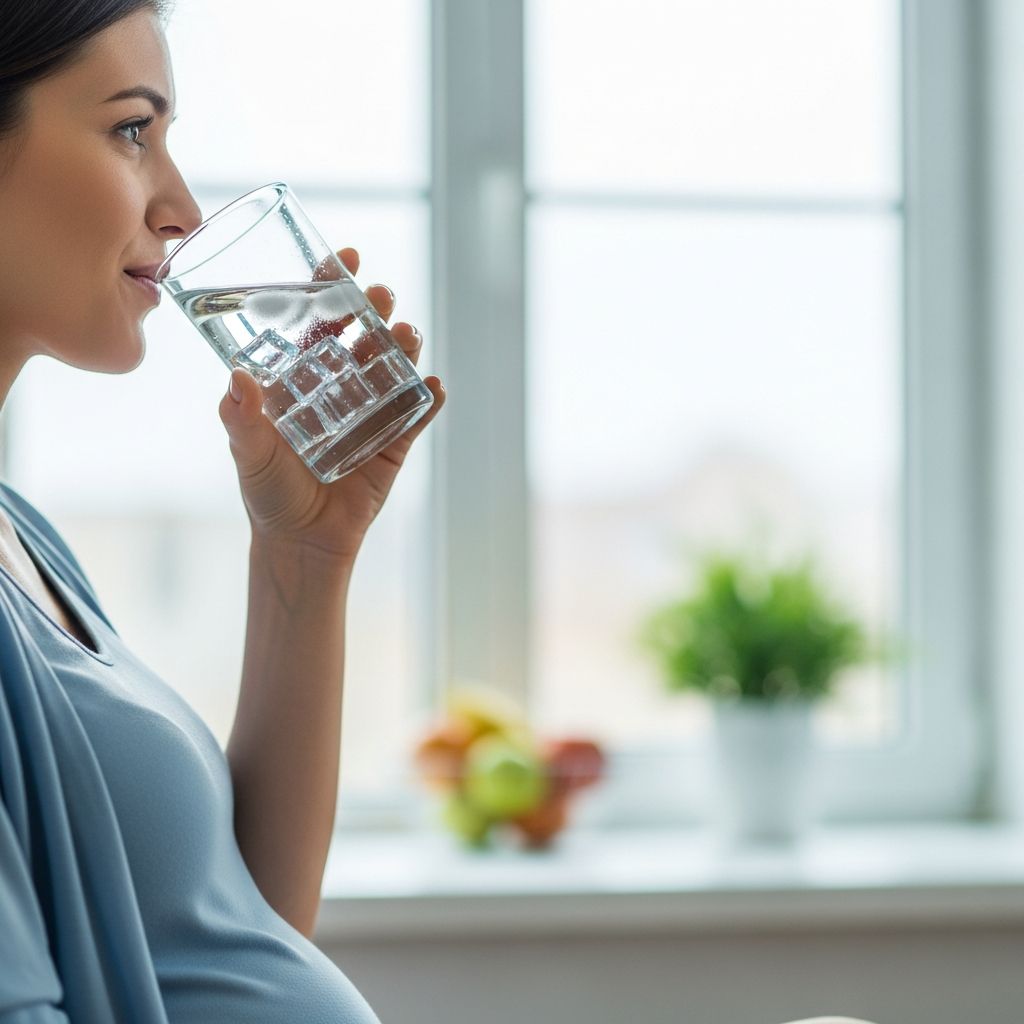
Understanding Your Water Intake Needs During Pregnancy
Pregnancy fundamentally changes your body’s relationship with water and hydration. The demands placed on your body increase significantly, and proper fluid intake becomes essential for supporting both your health and your developing baby. Unlike non-pregnant women who typically benefit from eight glasses of water daily, pregnant women require substantially more to maintain optimal health throughout their nine-month journey.
Healthcare professionals recommend that pregnant women consume between 10 to 12 glasses of water each day, equivalent to 80 to 96 ounces. This significant increase serves multiple critical functions within your body. Adequate hydration supports the development of your baby, helps create sufficient amniotic fluid that protects and nurtures your growing child, and reduces the likelihood of various pregnancy complications that can arise from insufficient fluid intake.
Monitoring your hydration status becomes straightforward when you know what to look for. A simple indicator is the color of your urine—pale yellow urine typically signals adequate hydration, while darker urine suggests you need to increase your water consumption. Additionally, paying attention to your thirst cues helps guide you toward maintaining proper fluid balance throughout your pregnancy.
The Critical Role of Water in Pregnancy
Water serves as the foundation for virtually every physiological process that intensifies during pregnancy. Your body undergoes remarkable transformations, and adequate hydration supports each of these changes. The benefits extend far beyond simple thirst quenching, offering protection and support across multiple systems.
Proper hydration during pregnancy provides the following maternal benefits:
- Prevents urinary tract infections, which are more common and more serious during pregnancy
- Reduces constipation and hemorrhoids, common pregnancy complaints that stem partly from decreased fluid intake
- Supports healthy body temperature regulation as your metabolism increases
- Boosts energy levels and reduces fatigue, helping you manage the physical demands of pregnancy
- Aids in nutrient absorption of water-soluble vitamins essential for fetal development
- Prevents kidney stone formation, which can be triggered by concentrated urine
- Reduces swelling in feet and ankles, a frequent complaint among pregnant women
Beyond these maternal benefits, consistent hydration directly impacts your baby’s development. Adequate fluid intake ensures sufficient amniotic fluid production, creates the protective environment your baby needs, and supports the complex processes of fetal growth and organ development.
Recognizing the Risks of Insufficient Water Intake
While mild dehydration from a single day of reduced water consumption typically poses minimal risk, chronic or severe dehydration during pregnancy can trigger serious complications affecting both mother and baby. Understanding these potential outcomes emphasizes the importance of maintaining consistent hydration throughout your pregnancy.
Maternal complications associated with inadequate hydration include:
- Low amniotic fluid levels (oligohydramnios), which can compromise fetal development and movement
- Preterm labor or premature delivery, potentially necessitating intensive neonatal care
- Increased vulnerability to urinary tract infections and kidney stone formation
- Challenges in preparing your body for milk production if you plan to breastfeed
- Braxton-Hicks contractions, which increase in frequency and intensity with dehydration
These complications underscore why healthcare providers emphasize hydration as a cornerstone of prenatal care. The interconnected nature of pregnancy means that water intake affects multiple systems simultaneously, making consistent fluid consumption a simple yet powerful tool for protecting your pregnancy.
Can You Drink Too Much Water?
While dehydration poses well-documented risks, the opposite extreme—consuming excessive water—can create a different set of problems. Although rare, overhydration during pregnancy can lead to a condition called hyponatremia, which involves abnormally low sodium levels in the bloodstream. This condition results from diluting electrolyte concentrations by consuming water at rates faster than your body can process.
Signs that you may be drinking too much water include:
- Persistent headaches or migraines
- Nausea and vomiting without other apparent causes
- Confusion or difficulty concentrating
- Muscle weakness or cramping
- In severe cases, seizures (though this is exceptionally rare)
The best approach involves sipping water steadily throughout the day rather than consuming large quantities at once. This measured approach allows your body to absorb and process water efficiently while maintaining proper electrolyte balance. Your body naturally signals when it needs hydration through thirst, so listening to these cues while maintaining your recommended daily intake creates an effective balance.
Evaluating the Safety of Your Water Supply
Water quality varies significantly across different geographic regions and water sources. While most municipal water systems in developed areas maintain safety standards, understanding what your water contains provides important information for your pregnancy planning and health decisions.
Public water systems operate under strict regulatory frameworks. In the United States, the Environmental Protection Agency (EPA) establishes and enforces the Safe Drinking Water Act, which sets standards for water quality and requires regular testing and reporting by water suppliers. Most Americans receive water from these regulated public systems, which undergo continuous monitoring to ensure safety and compliance.
Private well water presents a different situation. Wells are not subject to EPA regulation, which means property owners bear responsibility for testing and maintenance. The quality of well water can vary considerably based on local geology, agricultural practices, and industrial activities. If you rely on private well water, annual testing by a state-certified laboratory becomes essential for identifying potential contaminants.
To assess your specific water situation, contact your local water supplier and request a copy of the annual water quality report, also known as a Consumer Confidence Report. This document provides transparency regarding:
- The source of your tap water and where it originates
- Specific chemicals detected in your water supply
- Concentration levels of contaminants at the time of testing
- Disinfectant properties and treatment methods used at the source
Common Contaminants and Pregnancy Risks
Several substances can contaminate water supplies and pose specific risks to pregnant women and developing babies. Understanding these contaminants helps you make informed decisions about your water consumption and identify when additional precautions become necessary.
Lead represents one of the most serious potential contaminants in drinking water. This heavy metal enters water supplies through corroded pipes, particularly in older plumbing systems and water infrastructure. The Centers for Disease Control and Prevention (CDC) identifies multiple risks associated with lead exposure during pregnancy, including increased miscarriage risk, premature birth, and damage to a baby’s brain, kidneys, and nervous system. Lead exposure can also cause learning and behavioral problems in children. Because lead is a cumulative toxin, even small amounts ingested over time can result in significant health effects. Lead contamination is not limited to water; it also enters the body through lead paint, lead fuel residue, and other environmental sources, making total exposure assessment complex.
Perfluorochemicals (PFOAs) and related compounds are synthetic chemicals used in various industrial applications and consumer products. These “forever chemicals” persist in the environment and accumulate in the body over time, potentially affecting fetal development and organ function.
Bisphenol-A (BPA) can leach into water from plastic pipes and storage containers. This endocrine disruptor may interfere with hormonal processes essential during pregnancy.
Pesticides enter water supplies through agricultural runoff and may carry risks to developing babies, particularly regarding neurological development and organ formation.
Perchloroethylene (PCE), also called tetrachloroethylene, historically leached from asbestos cement water pipes used in municipal water systems. Research has linked PCE exposure during the first trimester to birth defects including spina bifida, cleft lip, and hypospadias.
Practical Steps to Ensure Water Safety During Pregnancy
Taking proactive steps to verify and improve your water quality provides peace of mind during pregnancy. Several options exist at different price points and levels of complexity, allowing you to choose solutions matching your specific situation and concerns.
Water Testing offers definitive information about what contaminants, if any, exist in your water supply. For private well users, annual testing by a state-certified laboratory should be standard practice. The cost ranges from $15 to several hundred dollars depending on how many contaminants you want tested. This investment provides concrete data about your water quality rather than relying on assumptions.
Water Filtration Systems reduce levels of various contaminants including lead, some bacteria and viruses, and chemical substances like chlorine. Different filters target different contaminants, so selecting a system requires understanding what specific concerns apply to your water supply. Whole-home treatment systems represent the most comprehensive approach but involve significant installation costs reaching into the thousands of dollars. More affordable alternatives include countertop pitcher filters and faucet-mounted units, some available for under $50, offering practical solutions for budget-conscious families. Refillable water coolers delivered through wholesale or bulk retailers provide another option for those preferring pre-filtered water.
Bottled Water serves as a fallback option when tap water quality is questionable. However, bottled water carries its own considerations. It typically costs more than tap water, may contain chemicals leaching from plastic bottles, generates plastic waste contributing to environmental concerns, and often contains tap water that has simply been bottled and resold. Unless your tap water is known to be contaminated, bottled water is not necessary during pregnancy.
Communication with Your Healthcare Provider
Your doctor plays a crucial role in assessing your specific water situation and pregnancy needs. When you have your first prenatal visit, inform your healthcare provider about your location and whether you have access to public water or private well water. This information helps your doctor assess any specific risks related to your geographic area and provide tailored recommendations for your pregnancy.
If you have concerns about your water quality or notice any signs of waterborne illness, discuss these with your healthcare provider promptly. Symptoms like gastrointestinal distress, unexplained fatigue, or other health changes warrant professional evaluation to rule out waterborne contamination as a contributing factor.
FAQs About Water Safety and Hydration During Pregnancy
Is it safe to drink tap water throughout my entire pregnancy?
Most tap water in regulated municipal systems is safe for pregnant women. However, you should verify your water quality by requesting your local water supplier’s annual report and having well water tested annually if you rely on private wells. If contaminants are present above safe levels, additional precautions like filtration become important.
How can I tell if I’m drinking enough water during pregnancy?
Check your urine color—pale yellow indicates adequate hydration, while dark yellow suggests you need more water. You should aim for 10-12 glasses daily, though individual needs vary based on climate, activity level, and other factors. Listen to your body’s thirst signals as an additional guide.
What should I do if I’m concerned about lead in my water?
Request your water quality report from your local supplier. If lead is present, have your water tested for specific lead levels. Consider using a lead-reduction filter on your faucet or drinking cooler water as interim measures while investigating your options. Discuss lead exposure concerns with your healthcare provider.
Is bottled water safer than tap water during pregnancy?
Bottled water is not inherently safer than properly treated tap water and may contain chemicals from plastic bottles. It’s typically unnecessary unless your tap water is known to be contaminated, and it costs significantly more while creating plastic waste.
What if I don’t like the taste of my tap water?
Taste differences don’t necessarily indicate safety issues. If taste is the only concern, affordable filters or pitcher systems can improve water flavor while also reducing certain contaminants. These solutions provide both palatability and safety benefits.
Can dehydration during pregnancy affect my baby’s development?
Yes, inadequate hydration can reduce amniotic fluid levels and increase risks of preterm labor. Consistent water intake supports proper fetal development, protects the amniotic environment, and helps prevent pregnancy complications.
Key Takeaways for Pregnancy Hydration and Water Safety
Maintaining proper hydration during pregnancy ranks among the simplest yet most impactful steps you can take to support your health and your baby’s development. With a daily goal of 10-12 glasses of water, you provide your body with the fluid foundation necessary for the remarkable transformations occurring throughout pregnancy.
Water safety requires basic diligence rather than extensive worry. Understanding your water source, verifying quality through available reports or testing, and taking reasonable precautions when indicated allows you to make confident decisions about your hydration. For most women, tap water from regulated municipal systems proves safe, but individual circumstances warrant personalized assessment.
The combination of adequate hydration and safe water creates the optimal environment for both maternal health and fetal development. By taking these considerations seriously and communicating openly with your healthcare provider, you can focus on enjoying your pregnancy while knowing you’re taking important steps to protect yourself and your baby.
References
- Drinking Tap Water During Pregnancy — Nemours KidsHealth. 2024. https://kidshealth.org/en/parents/tap-water-pregnancy.html
- How Much Water Should I Drink During Pregnancy? — Aeroflow Breastpumps. 2024. https://aeroflowbreastpumps.com/blog/how-much-water-should-i-drink-during-pregnancy
- Ensure Safe Drinking Water During Pregnancy — FloWater. 2024-07-07. https://drinkflowater.com/ensure-safe-drinking-water-during-pregnancy
- National Primary Drinking Water Regulations — U.S. Environmental Protection Agency. 2024. https://www.epa.gov/ground-water-and-drinking-water/national-primary-drinking-water-regulations