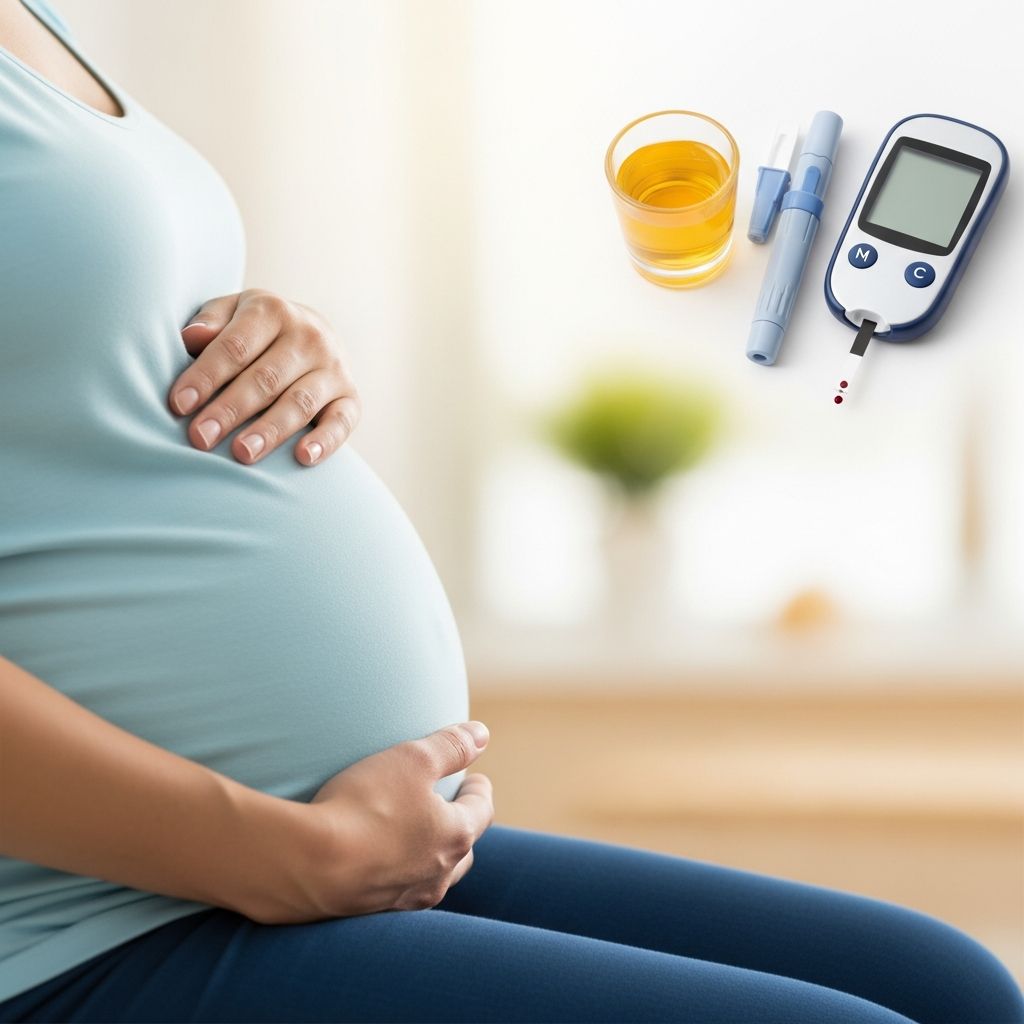
Pregnancy glucose screening is a standard prenatal test designed to detect gestational diabetes mellitus (GDM), a condition affecting blood sugar regulation that can impact both maternal and fetal health. Performed typically between 24 and 28 weeks, this test helps identify risks early for timely intervention.
Understanding Gestational Diabetes and Its Implications
Gestational diabetes occurs when pregnancy hormones impair insulin function, leading to elevated blood glucose levels. Without detection, it raises risks for mothers including preeclampsia and future type 2 diabetes (15-60% within 5-15 years postpartum), and for babies such as macrosomia, shoulder dystocia, neonatal hypoglycemia, and long-term issues like obesity or type 2 diabetes.
Research from large studies shows a continuous relationship between maternal blood sugar and adverse outcomes like large-for-gestational-age babies, Cesareans, and preterm births, emphasizing the value of screening despite imperfect thresholds.
Standard Protocols for Glucose Testing
In the U.S., the American College of Obstetricians and Gynecologists (ACOG) endorses a two-step approach: a non-fasting 50g glucose challenge test (GCT) at 24-28 weeks, followed by a diagnostic three-hour 100g oral glucose tolerance test (OGTT) if the one-hour result exceeds 130-140 mg/dL.
Thresholds for OGTT diagnosis include fasting ≥95 mg/dL, 1-hour ≥180 mg/dL, 2-hour ≥155 mg/dL, or 3-hour ≥140 mg/dL (two or more abnormal values). High-risk women (obesity, family history, prior GDM) may screen earlier, from 12-16 weeks.
Is the Glucose Drink Safe? Addressing Common Concerns
The Glucola drink, containing 50g or 100g glucose with artificial additives, prompts nausea, vomiting, or discomfort in some women. While the risk from ingredients is low compared to untreated GDM harms, concerns persist about artificial dyes and preservatives.
Studies affirm screening’s evidence-based benefits, reducing preeclampsia, macrosomia, and birth injuries via diet, monitoring, and insulin if needed. The U.S. Preventive Services Task Force (USPSTF) notes moderate net benefits for mother-infant pairs.
| Test Aspect | Two-Step Approach | One-Step Approach |
|---|---|---|
| Timing | 24-28 weeks GCT + OGTT if needed | Single 75g OGTT at 24-28 weeks |
| Outcomes Comparison | Slightly lower neonatal hypoglycemia | Higher GDM detection, similar macrosomia/C-section rates |
| Pros | Fewer full tests | Simpler, quicker diagnosis |
| Cons | Two visits possible | More diagnoses, potential overtreatment |
Accuracy and Limitations of Current Tests
Glucose tests have a 76% false negative rate, missing many GDM cases, and 25% false positives, leading to unnecessary stress and interventions. A 2025 study of 83,500 pregnancies found unscreened women had higher stillbirth risks (2.5x in high-risk decliners) but lower macrosomia/Cesarean rates than normals, suggesting selection bias or overdiagnosis.
International variations exist: one-step 75g OGTT (IADPSG criteria) detects more cases but questions remain on treatment benefits for milder ones.
Promising Alternatives to Traditional OGTT
- Hemoglobin A1c (HbA1c): Early test (<16-20 weeks) rules in/out GDM; high levels prompt early treatment, potentially avoiding later OGTT.
- Early OGTT: TOBOGM trial supports 1-step early screening with Canadian criteria for high-risk perinatal outcomes.
- Random Glucose or Home Monitoring: Non-standard options for some, though less validated.
Consult providers for personalized alternatives if Glucola is intolerable; options like glucose gels or juice exist but must meet dose requirements.
Risks of Skipping Screening Altogether
Declining screening correlates with higher stillbirth (especially high-risk) and small-for-gestational-age babies, though lower intervention rates. Untreated GDM links to asthma, autoimmune diseases, cardiovascular issues, diabetes, and autism in offspring.
USPSTF recommends universal screening for potential glucose control via lifestyle/pharmacology, curbing macrosomia and related complications.
Managing a Positive Diagnosis
Diagnosis triggers frequent monitoring, dietary adjustments (low glycemic index foods), exercise, and insulin/metformin if needed. Most achieve control without meds, reducing complications.
Postpartum, 4-12 week OGTT checks persistent diabetes risk; breastfeeding aids regulation.
Preparation Tips for Your Test Day
- Eat normally the night before but fast 8-14 hours for OGTT.
- Rest well; arrive hydrated.
- Bring entertainment for wait times.
- Discuss nausea remedies or alternatives beforehand.
- Follow up promptly on results.
Frequently Asked Questions
What if I feel sick from the glucose drink?
Inform your provider; reschedule or try alternatives like juice. Vomiting may invalidate results.
Can I screen earlier than 24 weeks?
Yes, if high-risk (e.g., BMI >30, PCOS, prior macrosomia). Early HbA1c helps triage.
Does GDM mean I’ll need a C-section?
Not necessarily; good management often allows vaginal birth, though macrosomia raises odds.
Are home glucose tests reliable?
Useful for monitoring post-diagnosis but not diagnostic substitutes.
How does diet impact GDM risk?
Balanced meals prevent spikes; post-diagnosis, carb counting is key.
Empowering Choices for Optimal Pregnancy Health
Glucose screening, despite flaws, remains crucial for mitigating GDM risks. Discuss options with your care team to balance benefits, accuracy, and comfort. Early detection empowers proactive steps for healthier pregnancies.
References
- Diagnosing Gestational Diabetes and the Glucola Test — Evidence Based Birth. 2025. https://evidencebasedbirth.com/gestational-diabetes-and-the-glucola-test/
- Screening for Gestational Diabetes Mellitus: Recommendation — American Academy of Family Physicians. 2014-12-01. https://www.aafp.org/pubs/afp/issues/2014/1201/od1.html
- Early Diabetes Screening in Pregnancy: Challenges and Opportunities — Rutgers School of Public Health. Recent. https://sph.rutgers.edu/news/early-diabetes-screening-pregnancy-challenges-and-opportunities
- Glucose Tolerance Test — Mayo Clinic. Recent. https://www.mayoclinic.org/tests-procedures/glucose-tolerance-test/about/pac-20394296
- Glucose screening tests during pregnancy — MedlinePlus (U.S. National Library of Medicine). Recent. https://medlineplus.gov/ency/article/007562.htm
- Recommendation: Gestational Diabetes: Screening — U.S. Preventive Services Task Force. Recent. https://www.uspreventiveservicestaskforce.org/uspstf/recommendation/gestational-diabetes-screening