Food cravings during pregnancy affect up to 90% of expectant mothers, often intensifying desires for specific tastes or textures that seem to appear out of nowhere. These urges stem primarily from hormonal fluctuations that alter taste perception and appetite regulation, similar to amplified premenstrual symptoms.
The Science Behind Pregnancy Food Urges
Pregnancy triggers a surge in hormones like estrogen, progesterone, and human chorionic gonadotropin (hCG), which can reshape sensory experiences. Taste buds become more sensitive, and smell intensifies, making certain foods irresistible while others provoke nausea. For instance, early pregnancy often sees heightened sweet or savory preferences as the body adapts to increased caloric demands—about 300 extra calories daily in the second trimester.
Research indicates these changes parallel perimenstrual cravings, where hormones act as catalysts rather than direct causes, permitting indulgence in palatable foods. Sensory shifts peak in the first trimester, aligning with rising craving intensity.
Common Types of Cravings and Their Possible Meanings
Expectant women report diverse cravings, from sweets to proteins. Here’s a breakdown:
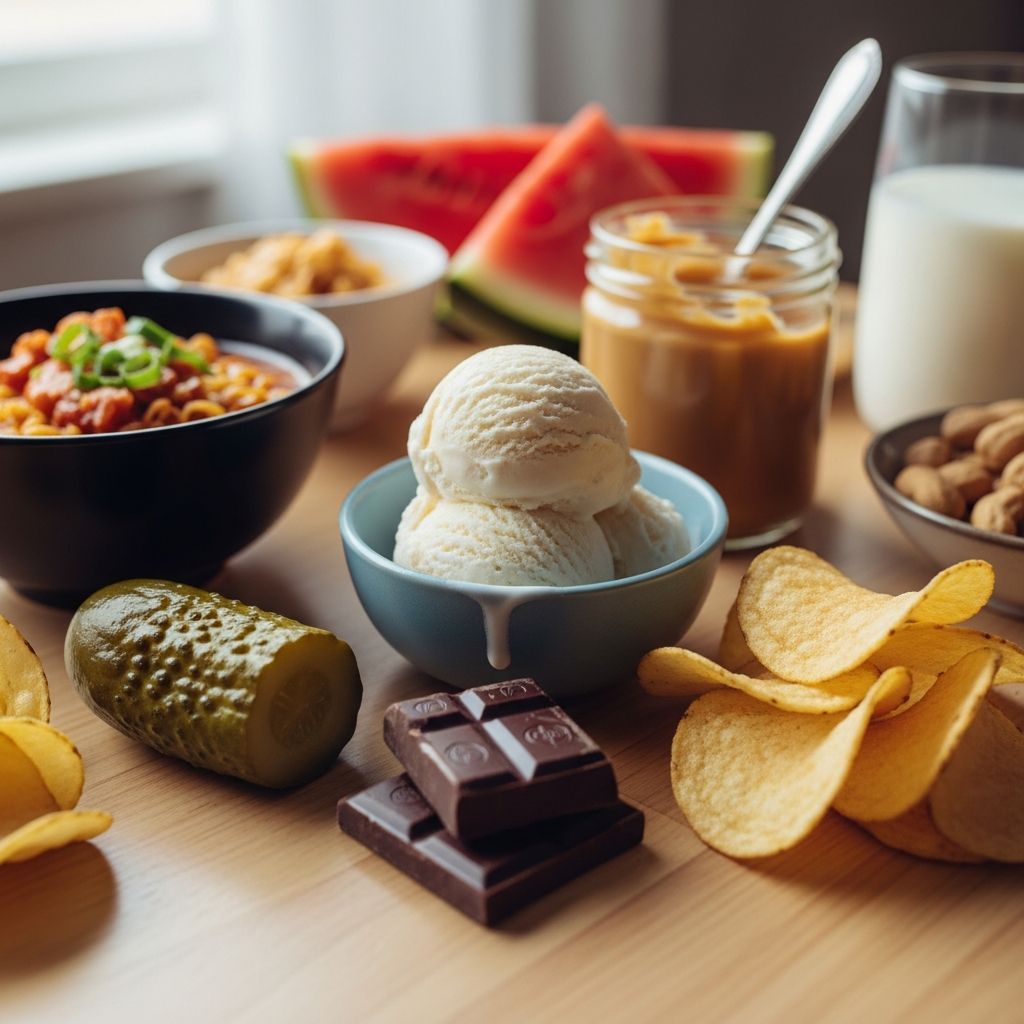
- Sweets like chocolate or ice cream: Often linked to elevated energy needs or comfort-seeking amid fatigue. Ice cream may signal calcium demands as the body prioritizes fetal bone development.
- Fruits and sour foods: Could indicate vitamin C shortages or a need for hydration. Sour pickles might help with nausea relief.
- Salty snacks such as chips or fries: Possibly due to expanded blood volume (up to 50% increase), prompting sodium retention to balance fluids.
- Red meats or proteins: Frequently points to iron or protein deficiencies, crucial for blood production and tissue growth.
- Dairy products: Suggests calcium needs, as pregnancy draws from maternal stores for the baby’s skeleton.
While not every craving directly mirrors a deficiency, patterns like persistent meat urges warrant checking iron levels via prenatal bloodwork.
Nutritional Signals or Myths?
The idea that cravings pinpoint exact nutrient gaps is popular but oversimplified. Some evidence supports loose connections—e.g., fruit cravings with low vitamin C—but most arise from complex interplay of biology and psychology. Blood volume expansion naturally boosts salt appetite, not always indicating deficiency.
| Craving Type | Possible Nutrient Link | Healthy Alternatives |
|---|---|---|
| Sweets | Calories, calcium | Yogurt with fruit, dark chocolate with nuts |
| Salty | Sodium, fluids | Popcorn, salted nuts, veggie sticks with hummus |
| Protein/Meat | Iron, protein | Lean beef, lentils, eggs, spinach |
| Dairy | Calcium | Fortified plant milks, cheese, leafy greens |
| Sour/Fruit | Vitamin C | Citrus, berries, kiwi |
This table outlines practical swaps to meet needs without overindulging.
Unusual Cravings: When to Seek Help
Most cravings are benign, but non-food urges like clay, dirt, or starch (pica) signal potential issues. Pica can cause electrolyte imbalances, constipation, or blockages, often tied to iron or zinc shortages. Impaired taste/smell may also indicate zinc deficiency; red meats, oysters, or supplements help.
Excessive sweet cravings might precede gestational diabetes risks, especially with rapid weight gain. Consult your OB-GYN for unusual patterns, as they monitor nutrient intake and weight trajectory.
Managing Cravings for a Healthy Pregnancy
Balance is key: Satisfy urges moderately to avoid excess weight gain, which raises risks for gestational diabetes and hypertension. Aim for nutrient-dense options—pair sweets with protein for steady blood sugar.
- Track intake: Log cravings to spot patterns.
- Stay hydrated: Thirst mimics hunger.
- Balanced meals: Include proteins, fats, and fibers to curb spikes.
- Mindful eating: Savor small portions slowly.
- Exercise: Light walks reduce stress-driven urges.
Prenatal vitamins bridge gaps, but whole foods are ideal.
Hormonal and Psychological Influences
Beyond biology, environment shapes cravings. Hearing about a friend’s pickle obsession might trigger yours, amplified by cultural expectations of pregnancy indulgences. Stress or fatigue can heighten emotional eating, viewing food as solace.
Studies on overweight women found cravings as the top predictor of excess gestational weight gain (GWG), underscoring moderation’s role.
Cravings Across Pregnancy Stages
First Trimester: Nausea drives bland or sour preferences; aversions protect against toxins.
Second Trimester: Energy surges boost sweet/savory wants.
Third Trimester: Iron needs spike, prompting meat cravings; swelling may increase salt desires.
Expert Tips from Dieticians and OB-GYNs
Professionals emphasize personalization. “Discuss cravings openly,” advises one OB-GYN, as they guide based on labs. Focus on overall diet quality over single foods.
Frequently Asked Questions
Do all pregnant women experience cravings?
Not everyone does, but most report them, varying by individual hormones and culture.
Can cravings predict my baby’s gender?
No scientific basis; this is a myth.
Are sweet cravings a sign of gestational diabetes?
Possibly if excessive; routine screening checks this.
How do I stop constant cravings?
You don’t ‘stop’ them—manage with balanced snacks and prenatal care.
Is pica dangerous?
Yes, it risks deficiencies and complications; see your doctor immediately.
Long-Term Impacts and Myths Debunked
Cravings don’t dictate fetal preferences long-term, despite anecdotes. Excess GWG from unchecked urges contributes to maternal fat mass, not just fetal weight. Prioritize sustainable habits for postpartum health.
(Word count: 1678)
References
- Uncovering the Causes of Pregnancy Cravings — Hawaii Pacific Health. 2017-12-19. https://www.hawaiipacifichealth.org/healthier-hawaii/eat-healthy/uncovering-the-causes-of-pregnancy-cravings/
- Pickles and ice cream! Food cravings in pregnancy — PubMed Central (PMC). 2014. https://pmc.ncbi.nlm.nih.gov/articles/PMC4172095/
- Pregnancy cravings: What do they mean and does everyone have them — The Beast. N/A. https://thebeast.com/blogs/journal/pregnancy-cravings-what-do-they-mean-and-does-everyone-have-them
- An OB-GYN’s Guide to Cravings During Pregnancy — Northwestern Medicine. N/A. https://www.nm.org/healthbeat/healthy-tips/pregnancy-cravings
- Six popular types of food on pregnancy cravings lists — The Mother Baby Center. 2022-12. https://www.themotherbabycenter.org/blog/2022/12/pregnancy-cravings-list/
- Women’s Experience and Understanding of Food Cravings in Pregnancy — PubMed Central (PMC)/NIH. 2020. https://pmc.ncbi.nlm.nih.gov/articles/PMC7186144/