Weighing Life-Changing Decisions in Uncertain Times
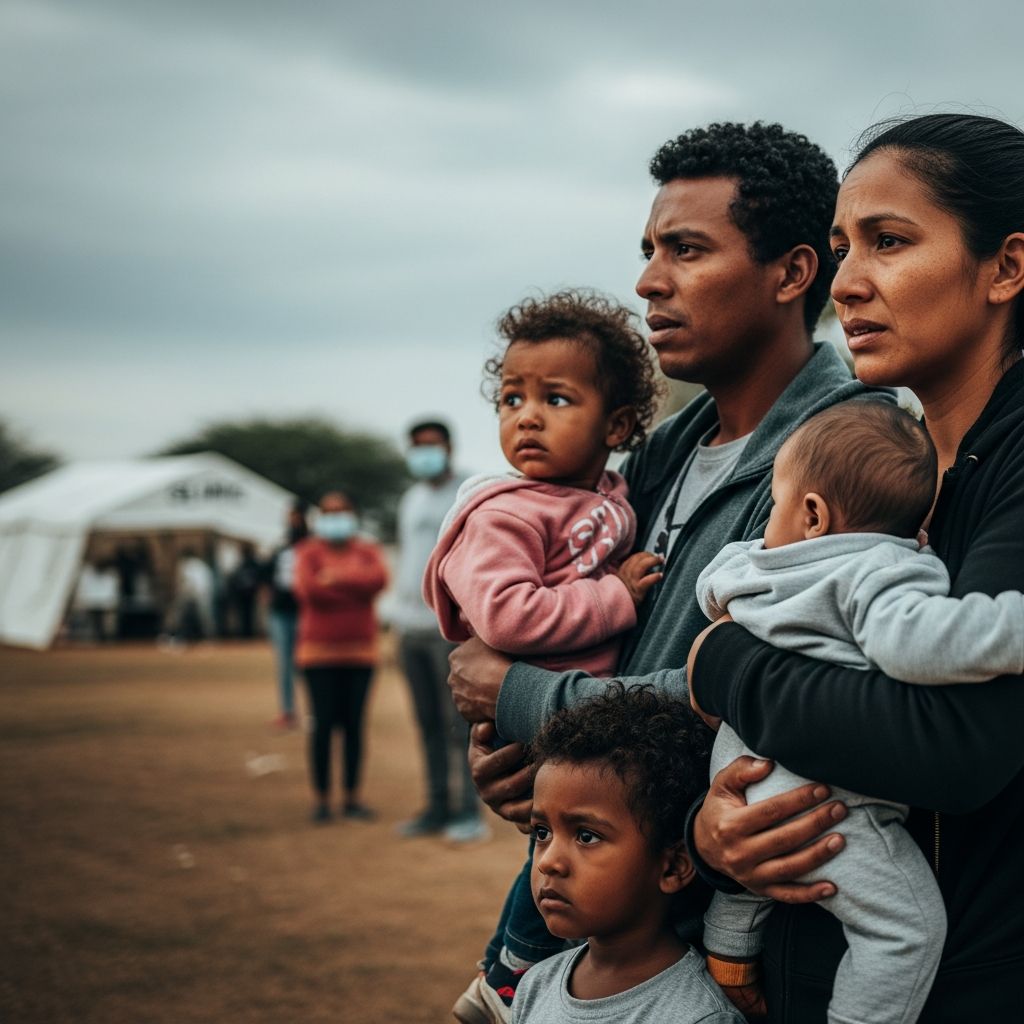
When global health emergencies emerge, fundamental life decisions become infinitely more complicated. For couples contemplating parenthood, a pandemic introduces layers of complexity that extend far beyond standard fertility considerations. The question of whether to pursue conception during widespread illness and disruption forces prospective parents to evaluate not just medical factors, but economic stability, healthcare accessibility, and psychological resilience. These individuals navigate a landscape where traditional timelines feel obsolete, and the future appears shrouded in ambiguity.
The psychological dimension of conceiving during a health crisis cannot be overstated. Research indicates that expecting mothers face heightened daily anxiety stemming from contamination fears and uncertainty about prenatal care continuity. This mental burden compounds the already natural anxieties accompanying pregnancy, creating what many describe as a persistent state of tension that permeates the entire gestational period.
The Healthcare Access Paradox
One of the most significant barriers couples encountered during the pandemic was reduced access to reproductive services. Medical facilities implemented restrictions that disrupted fertility treatments and rescheduled doctor appointments at critical moments. For those seeking to become pregnant, these interruptions created impossible timing decisions. Fertility clinics reduced capacity, extended wait times became standard, and couples faced uncertainty about whether pursuing treatment during the crisis was medically prudent or financially sustainable.
The consequences of healthcare disruptions proved particularly severe in resource-limited settings. Research from low-income communities documented that clinic closures and shortened operating hours forced more women to book prenatal appointments later in pregnancy and to seek assistance from untrained traditional practitioners rather than medical professionals. When healthcare systems contracted, the most vulnerable populations bore disproportionate burdens. Women living with HIV faced compounded challenges, as they struggled to access antiretroviral medications while managing COVID-19 fears and maintaining privacy about their health status.
The ripple effects extended beyond diagnosis and treatment. Healthcare workers themselves became sources of exposure anxiety for many pregnant individuals. Healthcare professionals who continued working throughout the crisis carried additional stress—the persistent fear of inadvertently bringing infection into their homes and exposing their developing babies to disease.
Financial Uncertainty and Timing Recalibration
Economic dimensions of pandemic planning fundamentally altered reproductive timelines for many couples. Job security became unpredictable, healthcare costs escalated, and financial planning horizons shortened dramatically. Some experts recognized that pandemic-induced uncertainty created unprecedented interest in fertility preservation strategies such as egg or embryo freezing, allowing individuals to defer conception decisions while protecting their reproductive options.
Interestingly, while many couples postponed conception due to uncertainty, aggregate data revealed a counterintuitive pattern. The economic recession accompanying the pandemic actually resulted in increased birth rates among US-born mothers, marking the first reversal in declining fertility rates since the Great Depression. This paradox suggests that while some segments of the population delayed parenthood, others accelerated their timelines, possibly due to remote work arrangements, changed life priorities, or different economic circumstances affecting specific demographic groups.
Emotional Architecture of Pandemic Pregnancy
Pregnancy fundamentally involves inherent fears—concerns about miscarriage, fetal development, and childbirth complications form the baseline anxiety of expecting mothers. The pandemic amplified these baseline fears exponentially by introducing pervasive uncertainty about disease transmission, healthcare system reliability, and the unknown effects of novel illness on fetal development.
Research examining pregnancy experiences during the pandemic identified four dominant emotional themes:
- Contamination-related anxiety: Fear of virus transmission led to severe social isolation, even from traditional support networks that expecting mothers typically relied upon during pregnancy.
- Grief and adjustment: Women mourned the loss of traditional pregnancy experiences—baby showers, family gatherings, and celebratory rituals had to transition to virtual formats, fundamentally changing how these life milestones were marked.
- Isolation consequences: Extended solitude created psychological suffering and reported loneliness among some pregnant individuals, particularly those who limited their social interactions to protect themselves and their developing babies.
- Unexpected benefits: Paradoxically, isolation enabled some women to focus intensely on pregnancy preparation, family bonding, and personal reflection in ways that might not have occurred during typical pregnancies with busier social schedules.
The Disclosure Dilemma for Vulnerable Populations
Pregnant women managing chronic conditions encountered unique challenges during healthcare disruptions. Those living with HIV faced compounded pressure during pandemic restrictions. When movement limitations were implemented, managing medication schedules became fraught with complications. Women whose partners remained at home due to travel restrictions struggled to collect medications discreetly or maintain privacy about their health status, particularly when they had not disclosed their seropositivity to partners or family members.
The intersection of pandemic restrictions and relationship dynamics created impossible situations. Some women who had previously accessed healthcare services while maintaining privacy found their confidentiality compromised when household members questioned their movements and whereabouts during lockdowns. Healthcare workers attempting to provide community support through home visits encountered resistance from patients fearful that these visits would inadvertently reveal their HIV status to cohabiting family members unaware of their diagnosis.
Adapting Prenatal Care to Virtual Environments
Healthcare systems rapidly shifted components of prenatal care to telemedicine platforms, fundamentally transforming the pregnancy monitoring experience. While some appointments transitioned successfully to virtual consultations, others required in-person clinical evaluation. Expecting mothers navigated confusion about which visits could be conducted remotely and which necessitated travel to medical facilities, introducing anxiety about potential disease exposure during essential medical appointments.
The celebration of pregnancy itself adapted to virtual constraints. Pregnancy is typically a uniquely celebrated period in women’s lives, involving family participation, community acknowledgment, and physical togetherness. During the pandemic, these rituals shifted to video calls and online announcements, fundamentally changing the emotional tenor of these milestones for many expectant parents. Some women described this transformation as mourning the loss of their envisioned pregnancy experience—an experience they felt the pandemic had stolen from them.
Support System Disruption and Its Aftermath
The need for social distancing and isolation interfered substantially with the practical and emotional support networks pregnant people typically accessed. Family members and friends could not provide hands-on assistance with pregnancy preparation or postpartum recovery as they traditionally might have. This meant that expecting parents bore not only standard pregnancy anxieties but also the additional stress of managing new parenthood with reduced familial support during the vulnerable postpartum period.
The strategies that pregnant women adopted to minimize virus exposure included restricting visitors, limiting time outside the home, canceling vacations, and implementing strict isolation protocols. While these measures aimed to protect both mother and developing baby, they simultaneously eliminated many of the support structures and positive social interactions that typically buffer pregnancy-related stress.
Healthcare Provider Perspectives
Medical professionals themselves grappled with rapidly changing protocols and incomplete information. Hospital policies regarding labor and delivery support changed repeatedly as understanding of virus transmission evolved. The uncertainty about which support persons could remain present during childbirth created additional anxiety for expecting parents who faced the possibility of giving birth without their chosen partner, family member, or doula present.
Healthcare workers in maternity settings reported challenges in delivering compassionate, continuous care while managing their own fears about virus transmission and protecting their families. The combination of increased patient anxiety, reduced support systems, and uncertainty about optimal clinical protocols created an emotionally taxing environment for healthcare teams.
Fertility Preservation as Future Planning
Recognition of pandemic-related uncertainty led some reproductive specialists to recommend fertility preservation strategies for individuals concerned about maintaining reproductive options during prolonged uncertainty. Egg and embryo freezing technologies offered a way to defer conception decisions while protecting fertility status, effectively allowing individuals to pause the ticking biological clock while navigating pandemic complexities.
This development represented a significant shift in how fertility preservation was conceptualized—previously considered primarily for medical reasons (such as cancer treatment or age-related concerns), pandemic-induced uncertainty created a new category of indication. The ability to preserve reproductive capacity provided psychological reassurance for some individuals who felt unprepared to conceive but wanted to maintain future options.
The Ambiguous Resolution
The experience of pregnancy during global health crises remained profoundly ambiguous throughout the disruption. For some women, the period was characterized by anxiety, isolation, and mourning for the pregnancy experience they had envisioned. For others, the enforced slowdown enabled unexpected connection with their pregnancies and families, creating positive reflections on an otherwise challenging time.
What united these varied experiences was the fundamental disruption to expected timelines and normal pregnancy rituals. Whether experienced as blessing or burden, pregnancy during pandemic represented something entirely outside the ordinary—a departure from what society recognized as the standard way of being pregnant. This departure itself became a source of emotional complexity, as women processed the grief of an altered life milestone while simultaneously celebrating their impending parenthood amid global suffering.
Frequently Asked Questions
Did COVID-19 infection during pregnancy pose specific risks to fetal development?
Research initiatives including National Institute of Health-funded studies examined medical records of over 20,000 pregnant patients and tracked 1,500 confirmed COVID-19 cases to understand specific effects on maternal health and fetal development, though complete findings and recommendations evolved as research progressed.
How did pandemic restrictions affect prenatal care access globally?
Clinic closures and reduced operating hours resulted in delayed prenatal bookings and increased home deliveries assisted by untrained practitioners in some regions, with infants missing critical testing and prophylaxis interventions.
What psychological support did pregnant women need during the pandemic?A: The combination of baseline pregnancy anxiety amplified by contamination fears, isolation, and healthcare uncertainty created substantial mental health needs, with some women experiencing persistent anxiety and irritability throughout their pregnancies.
Q: Did the pandemic affect fertility rates overall?
Contrary to expectations of declining birth rates, data revealed an overall “baby bump” among US-born mothers during the pandemic, representing the first reversal in declining fertility rates since the Great Depression, suggesting varied responses across different population segments.
How did healthcare disruptions impact women with pre-existing chronic conditions?
Women living with HIV faced particular challenges accessing antiretroviral medications and maintaining privacy about their health status when movement restrictions and home isolation complicated medication management and healthcare visits.
Were fertility preservation services recommended during the pandemic?
Some reproductive specialists recognized pandemic uncertainty as a potential indication for egg or embryo freezing, allowing individuals to defer conception decisions while maintaining reproductive options.
References
- The experience of pregnancy in the COVID-19 pandemic — National Center for Biotechnology Information (NCBI/PMC), U.S. National Library of Medicine. 2024. https://pmc.ncbi.nlm.nih.gov/articles/PMC12002724/
- “Getting pregnant during COVID-19 was a big risk because getting help from the clinic was not easy”: COVID-19 experiences of women and healthcare providers — National Center for Biotechnology Information (NCBI/PMC), U.S. National Library of Medicine. https://pmc.ncbi.nlm.nih.gov/articles/PMC10773929/
- Getting pregnant during the pandemic: COVID-19, pregnancy, and fertility — Extend Fertility. https://extendfertility.com/coronavirus-covid-19-pregnancy-fertility/
- Generation COVID Pt.1: Pregnancy, Fertility Treatments, and Infant Development — Pandemic Parent Organization. https://www.pandemic-parent.org/podcast/generation-covid-pt-1-pregnant-during-the-pandemic
- The COVID-19 baby bump in the United States — Proceedings of the National Academy of Sciences (PNAS). 2023. https://www.pnas.org/doi/10.1073/pnas.2222075120
- I Had to Go in a Bubble: Investigating the Effects of COVID-19 on Fertility Treatment and Food Access — Women’s Health Reports, SAGE Publishing. 2022. https://journals.sagepub.com/doi/full/10.1089/whr.2022.0028