Monitoring heart rate during pregnancy exercise has evolved from rigid rules to flexible, personalized approaches that prioritize overall well-being. Modern guidelines emphasize perceived exertion over strict numbers, allowing most women to maintain fitness safely throughout gestation.
Why Heart Rate Matters for Expectant Mothers
During pregnancy, the cardiovascular system undergoes significant changes, including increased blood volume and heart rate at rest, which can influence exercise responses. Tracking heart rate helps gauge intensity to avoid overexertion that might reduce blood flow to the fetus or cause maternal discomfort. However, outdated thresholds like 140 beats per minute (bpm) have been replaced by more nuanced strategies.
The American College of Obstetricians and Gynecologists (ACOG) no longer endorses a universal maximum heart rate, recognizing individual variations in fitness levels, age, and pregnancy stage. Instead, focus shifts to how exercise feels, ensuring it remains sustainable without undue strain.
Evolution of Exercise Recommendations
Early guidelines from the 1980s set conservative limits to protect mother and baby amid limited research. By 1996, ACOG rescinded the 140 bpm cap, citing insufficient evidence for its universal application. Today’s consensus supports 150 minutes of moderate aerobic activity weekly for uncomplicated pregnancies, akin to non-pregnant adults.
- Increased cardiac output: Up to 50% by term to meet fetal oxygen demands.
- Resting heart rate rise: 10-20 bpm above pre-pregnancy baseline.
- Adaptation to exercise: Bodies adjust efficiently if previously active.
For elite athletes, heart rate monitors serve as supplementary tools since they may push boundaries instinctively. Sedentary women benefit most from gradual progression under medical clearance.
Should You Use a Heart Rate Monitor?
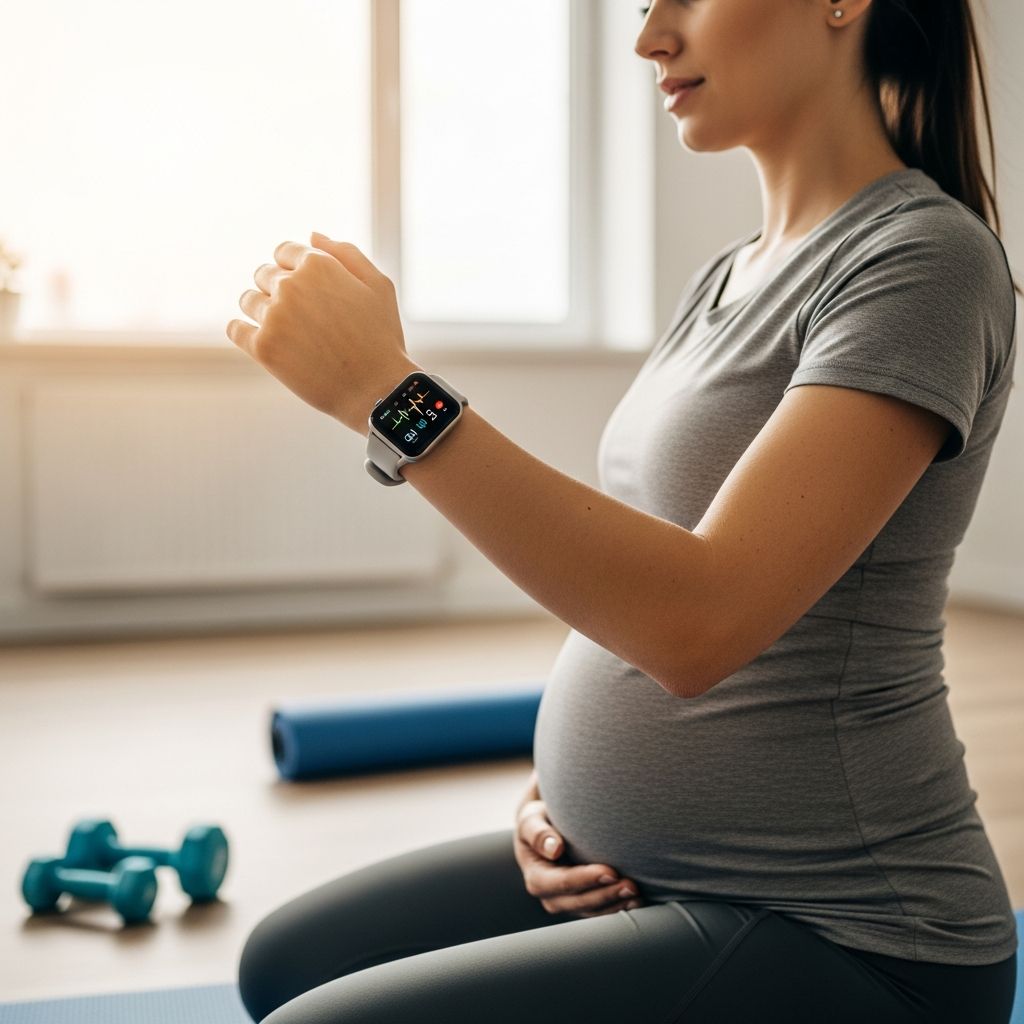
Wearable devices like fitness trackers or chest straps offer real-time data, but they’re not essential for everyone. They can motivate by quantifying effort, yet accuracy varies—wrist-based models may falter with movement or sweat. Chest straps provide precision but require skin contact, potentially uncomfortable with a growing belly.
| Method | Pros | Cons | Best For |
|---|---|---|---|
| Wrist Tracker | Convenient, multi-feature | Less accurate during motion | Daily casual use |
| Chest Strap | High accuracy | Bulky, needs moisture | Athletes |
| Armband | Comfortable alternative | Battery life varies | Mid-intensity |
| Perceived Exertion | No equipment | Subjective | All levels |
Consult your provider before relying on gadgets, especially if high-risk factors like hypertension or multiples exist.
Safe Intensity Levels Explained
Replace bpm targets with the Rate of Perceived Exertion (RPE) scale. ACOG favors the 15-point Borg scale, aiming for 12-14 (somewhat hard—you can talk but not sing). The 10-point version simplifies to 4-5 for moderate effort.
The talk test is equally effective: You should converse comfortably in full sentences during moderate activity. If breathless, dial back. This method accounts for pregnancy’s natural heart rate elevation without arbitrary cutoffs.
- Low intensity: Light walking, yoga—easy chatting.
- Moderate: Brisk walking, swimming—talk possible with effort.
- Vigorous: Jogging, cycling—short phrases only; limit if new to fitness.
Benefits of Regular Exercise in Pregnancy
Staying active reduces gestational diabetes risk by 28%, eases labor, boosts mood via endorphins, and supports postpartum recovery. It counters excessive weight gain, enhances sleep, and lowers preeclampsia odds. Fetal benefits include better stress tolerance and growth.
Activities like swimming (buoyancy eases joints), stationary cycling (stable), and prenatal Pilates strengthen core without impact. Strength training with light weights builds endurance safely.
Recognizing When to Stop or Seek Help
Warning signs demand immediate pause: dizziness, chest pain, contractions, calf swelling, blurred vision, or amniotic fluid leak. Hydrate well, avoid overheating (above 102°F core temp), and steer clear of contact sports, scuba, or supine positions post-first trimester.
High-risk conditions—preterm labor history, placenta previa, severe anemia—warrant tailored plans. Always obtain clearance for exercise if new symptoms arise.
Practical Workout Routines
Sample Weekly Plan (Moderate, 30-min sessions):
- Monday: Walk briskly outdoors, RPE 13.
- Wednesday: Prenatal yoga focusing on balance.
- Friday: Water aerobics for low-impact cardio.
- Saturday: Light resistance bands for arms/legs.
- Rest Days: Gentle stretching, daily walks.
Progress slowly, listening to your body. Track non-numeric metrics like energy post-workout.
Technology and Innovations
Apps integrate RPE with wearables, offering guided sessions. Fetal Doppler devices for home heart rate checks exist but FDA cautions against non-medical use due to potential tissue heating. Professional monitoring trumps consumer gadgets for fetal assessment.
Expert Perspectives from Guidelines
ACOG’s 2020 physical activity update affirms exercise safety for low-risk pregnancies, mirroring general population advice. Fetal monitoring during labor—distinct from maternal exercise tracking—uses electronic methods for high-risk cases. Intermittent checks suffice otherwise.
Frequently Asked Questions (FAQs)
Is 140 bpm still the pregnancy exercise limit?
No, ACOG dropped this in 1996; use talk test or RPE instead.
Can I use my fitness tracker?
Yes, as a guide, but not sole reliance—combine with exertion cues.
What if I’m an athlete?
Continue training with monitoring; consult sports medicine OB.
How often should I check heart rate?
Periodically during sessions, not continuously unless advised.
Does exercise harm the baby?
Not if moderate; benefits often outweigh minimal risks.
Nutrition and Recovery Tips
Fuel workouts with complex carbs, proteins, and electrolytes. Post-exercise, prioritize protein for muscle repair and cool-down stretches. Sleep 7-9 hours to aid adaptations.
Pregnancy alters metabolism; aim for 300 extra daily calories in second/third trimesters, focusing on nutrient density.
Postpartum Transition
Resume gently 4-6 weeks post-delivery, or sooner if vaginal birth without complications. Heart rate norms return gradually; monitor for diastasis recti or pelvic floor issues.
References
- OB Guideline 15: Assessment and Monitoring in Labor and Delivery — Risk Management Foundation, Harvard Medical. 2022. https://www.rmf.harvard.edu/Risk-Prevention-and-Education/Guidelines-and-Algorithms-Catalog-Page/Guidelines-Algorithms/2022/OB-Guideline-Files/Guideline15-Assessment-and-Monitoring-in-Labor-and-Delivery
- Fetal monitoring in labour — National Institute for Health and Care Excellence (NICE), NCBI. 2022. https://www.ncbi.nlm.nih.gov/books/NBK589158/
- Fetal Heart Monitoring: Purpose, Procedures & Results — Cleveland Clinic. Accessed 2026. https://my.clevelandclinic.org/health/diagnostics/23464-fetal-heart-rate-monitoring
- Intrapartum Fetal Heart Rate (FHR) Monitoring — Perinatology.com. Accessed 2026. https://perinatology.com/Fetal%20Monitoring/Intrapartum%20Monitoring.htm
- Fetal Monitoring During Labor and Delivery — Merck Manuals Professional Edition. Accessed 2026. https://www.merckmanuals.com/professional/gynecology-and-obstetrics/labor-and-delivery/fetal-monitoring-during-labor-and-delivery
- What is a Safe Heart Rate During Pregnancy? — Moms Into Fitness (referencing ACOG). Accessed 2026. https://www.momsintofitness.com/heart-rate-monitors-during-pregnancy/
- Intrapartum Fetal Heart Rate Monitoring: Interpretation and Management — American College of Obstetricians and Gynecologists (ACOG). 2025-10. https://www.acog.org/clinical/clinical-guidance/clinical-practice-guideline/articles/2025/10/intrapartum-fetal-heart-rate-monitoring-interpretation-and-management