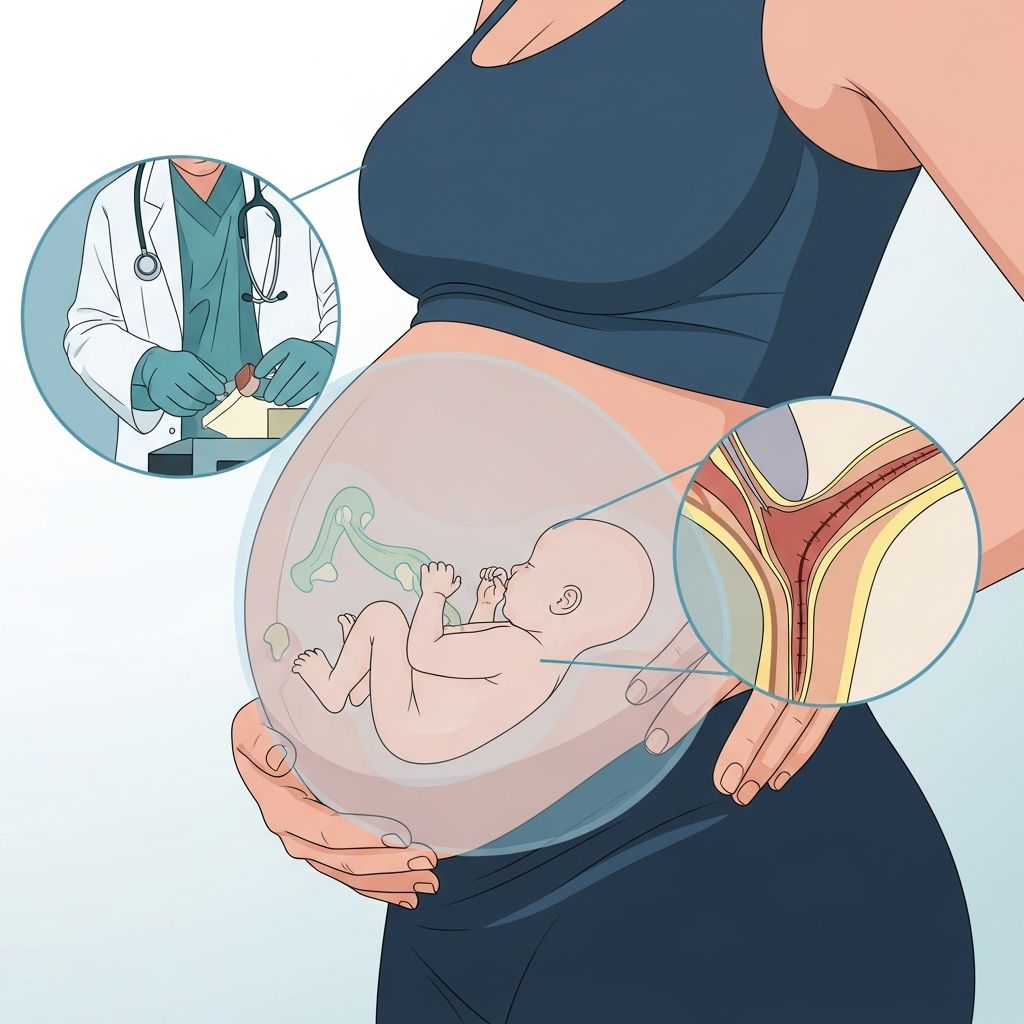
Pregnancy triggers profound emotional fluctuations influenced by surging hormones like estrogen and progesterone, which alter mood-regulating chemicals such as serotonin and dopamine. These shifts, combined with physical discomforts and life transitions, create a dynamic emotional landscape that affects up to one in four expectant individuals with anxiety symptoms.
Why Emotions Intensify During Pregnancy
The body undergoes massive hormonal changes to nurture fetal development, directly impacting brain chemistry and emotional responses. Estrogen and progesterone levels rise sharply, especially early on, leading to heightened sensitivity, rapid mood shifts from euphoria to exhaustion, and increased vulnerability to stress. Beyond biology, psychological factors like uncertainty about parenthood, body image alterations, and relationship dynamics amplify these effects. Physical symptoms—nausea, fatigue, aches—further contribute, as discomfort naturally fosters irritability or sadness. Social pressures, financial concerns, and fears for the baby’s health compound the experience, making emotional volatility a near-universal aspect of gestation.
Emotional Spectrum Across Trimesters
Emotions evolve distinctly by trimester, reflecting hormonal peaks, physical milestones, and psychological milestones.
First Trimester: Turbulence and Ambivalence
Early pregnancy often feels like an emotional whirlwind. Skyrocketing hormones provoke frequent swings—elation one moment, tears the next over minor triggers like a commercial. Common feelings include surprise (especially if unplanned), joy, fear of the unknown, and vulnerability. Fatigue and morning sickness exacerbate irritability and anxiety about viability or complications. Up to 25% report anxiety symptoms here, with worries centering on miscarriage or maternal health.
Second Trimester: A Calmer Horizon
Dubbed the ‘honeymoon phase,’ this period brings relative emotional stability as hormones stabilize. Many report balanced moods, heightened well-being, and excitement from feeling fetal movements, solidifying the pregnancy’s reality. However, lingering stresses persist—financial strains, work-life balance, or sibling adjustments—though irritability often lessens.
Third Trimester: Mounting Anticipation and Apprehension
As birth nears, nesting instincts surge alongside anxiety about labor, pain, and parenting competence. Physical bulkiness reignites body dissatisfaction, sleep disruptions fuel fatigue, and ‘what-if’ scenarios intensify—will the baby be healthy? Can I cope?. Mood swings may resurface with hormonal flux toward delivery.
Common Emotional Experiences
- Joy and Excitement: Bonding with the growing baby, sharing news, and envisioning family life spark profound happiness.
- Fear and Worry: Concerns over birth outcomes, infant health, or personal readiness dominate, often disproportionate to risks.
- Anger and Irritability: Triggered by discomforts, hormonal surges, or feeling out of control.
- Sadness or Grief: From complications, unmet expectations, or global woes amplified by sensitivity.
- Love and Connection: Deepening affection for partner, family, and unborn child.
Recognizing Prenatal Mental Health Challenges
While fluctuations are normal, persistent issues signal deeper concerns. Prenatal Anxiety involves excessive worry, restlessness, irritability, concentration difficulties, and physical signs like rapid heartbeat or panic attacks. Prenatal Depression manifests as ongoing sadness, hopelessness, appetite/weight changes, insomnia, fatigue, guilt, indecisiveness, and harmful thoughts. These affect fetal brain development via stress hormones, raising risks of preterm birth, low birth weight, and later developmental issues. Perinatal stress also heightens postpartum depression odds, impairing bonding.
| Condition | Key Symptoms | Potential Impacts |
|---|---|---|
| Anxiety | Excessive fear, edginess, panic attacks | Fetal stress exposure, preterm labor risk |
| Depression | Sadness, anhedonia, fatigue, suicidal ideation | Low birth weight, bonding difficulties |
Strategies for Emotional Balance
Proactive steps mitigate intensity and foster resilience.
- Self-Care Routines: Prioritize sleep, nutritious meals, gentle exercise like walking or prenatal yoga to stabilize moods.
- Mindfulness Practices: Meditation, deep breathing, or journaling process fears and cultivate calm.
- Social Support: Confide in partners, friends, or prenatal groups; sharing normalizes experiences.
- Professional Nutrition and Activity: Balanced diet supports hormone regulation; activity boosts endorphins.
- Limit Stressors: Curate media intake, delegate tasks, and set boundaries.
Building a Support Network
Lean on partners for empathy and shared responsibilities. Join community groups or online forums for peer validation. Prenatal classes educate on expectations, reducing unknowns. Therapists specializing in perinatal health offer tailored cognitive-behavioral tools.
When to Seek Professional Help
Consult a provider if emotions disrupt daily life, persist beyond two weeks, or include self-harm thoughts. Screening via tools like the Edinburgh Postnatal Depression Scale is routine; treatments include therapy, medication if safe, and lifestyle interventions. Early action protects maternal and fetal well-being.
Frequently Asked Questions (FAQs)
Are mood swings normal in pregnancy?
Yes, hormonal surges cause common shifts from happiness to tears; they typically ease with self-care.
Can pregnancy emotions harm my baby?
Chronic stress may elevate risks like preterm birth, but management minimizes impacts.
How does the second trimester differ emotionally?
Hormones stabilize, fostering calm and excitement, though worries linger.
What if I feel depressed during pregnancy?
Seek help promptly; symptoms like persistent sadness warrant professional evaluation.
Do fathers experience similar emotions?
Yes, partners often feel excitement, anxiety, and role shifts.
This comprehensive guide empowers expectant parents to embrace pregnancy’s emotional journey with tools for thriving. (Word count: 1678)
References
- Common emotions when expecting a baby — NCT. Accessed 2026. https://www.nct.org.uk/information/pregnancy/wellbeing-and-lifestyle-pregnancy/common-emotions-when-expecting-baby
- Pregnancy stages and changes — Better Health Channel (Victorian Government). Accessed 2026. https://www.betterhealth.vic.gov.au/health/healthyliving/pregnancy-stages-and-changes
- Psychological Effects of Pregnancy — For When Helpline. Accessed 2026. https://forwhenhelpline.org.au/parent-resources/psychological-effects-of-pregnancy/
- Understanding and navigating pregnancy emotions — The Mother Baby Center. 2024-09. https://www.themotherbabycenter.org/blog/2024/09/pregnancy-emotions/
- The phenomenon of pregnancy – a psychological view — PubMed (Peer-reviewed). 2018. https://pubmed.ncbi.nlm.nih.gov/29512815/
- Mental Health During Pregnancy — My OB/GYN Vegas. Accessed 2026. https://myobgynvegas.com/mental-health-during-pregnancy/