Global health emergencies like the COVID-19 pandemic reshaped the journey of pregnancy for millions of women, introducing layers of uncertainty, isolation, and adaptation. Expectant mothers faced not only the natural anxieties of gestation but also fears of viral transmission, restricted medical access, and disrupted support networks. This article delves into these experiences, highlighting emotional struggles, healthcare shifts, and surprising positives, informed by peer-reviewed studies and personal accounts.
Emotional Turbulence: Fear and Anxiety Amplified
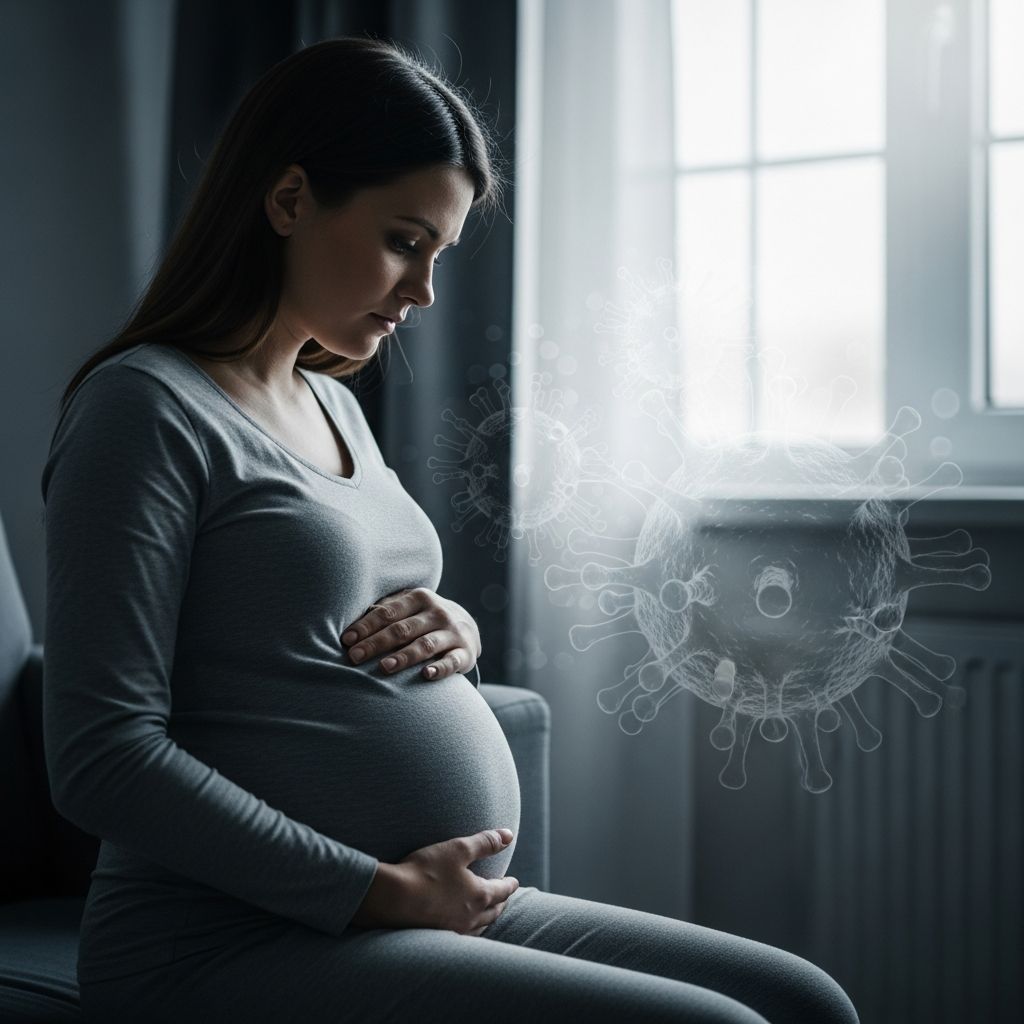
Pregnancy inherently involves worries about fetal development, labor, and postpartum recovery. However, pandemics intensify these concerns exponentially. Women reported pervasive dread of contracting the virus, which could harm both mother and child. In Brazil, where pregnant women faced some of the highest COVID-19 mortality rates globally, this fear manifested as hyper-vigilance and routine overhauls.
Daily life transformed into a calculated risk assessment. Many curtailed social interactions, canceled travel, and minimized outings, even for essential prenatal visits. Healthcare workers among them endured acute stress, haunted by the possibility of bringing infection home. This constant alertness bred irritability, tension, and in some cases, profound psychic distress.
Studies confirm elevated anxiety and depression rates. Pregnant individuals in Washington state showed a 70% higher risk of severe COVID-19 outcomes, fueling anticipatory grief over potential separations from newborns or breastfeeding interruptions. Virtual consultations replaced in-person checkups, leaving women feeling disconnected from their care teams.
Isolation’s Double-Edged Sword
Social distancing, a cornerstone of pandemic response, profoundly affected pregnancies. While protective, it severed vital support systems. Partners were barred from ultrasound appointments and delivery rooms, amplifying solitude during vulnerable moments. Families postponed baby showers and visits, shifting celebrations to screens.
Yet, isolation yielded unexpected benefits for some. With commutes eliminated and external demands reduced, women savored uninterrupted bonding time. Preparations like nursery setups and prenatal exercises became focal points, fostering a sense of control amid chaos. One mother noted the luxury of focusing solely on her pregnancy without work distractions, turning quarantine into a reflective cocoon.
- Harms of Isolation: Loneliness, mental health strain, limited physical support during discomforts.
- Benefits of Isolation: Deeper self-care, family-centric planning, reduced exposure to unrelated illnesses.
Transformed Prenatal and Postnatal Care
Healthcare protocols pivoted rapidly. Routine visits dwindled; a second-time mother saw her obstetrician only twice between mid-pregnancy and birth, supplemented by video calls. Hospitals enforced mask mandates, visitor bans, and rapid testing, altering the birth experience.
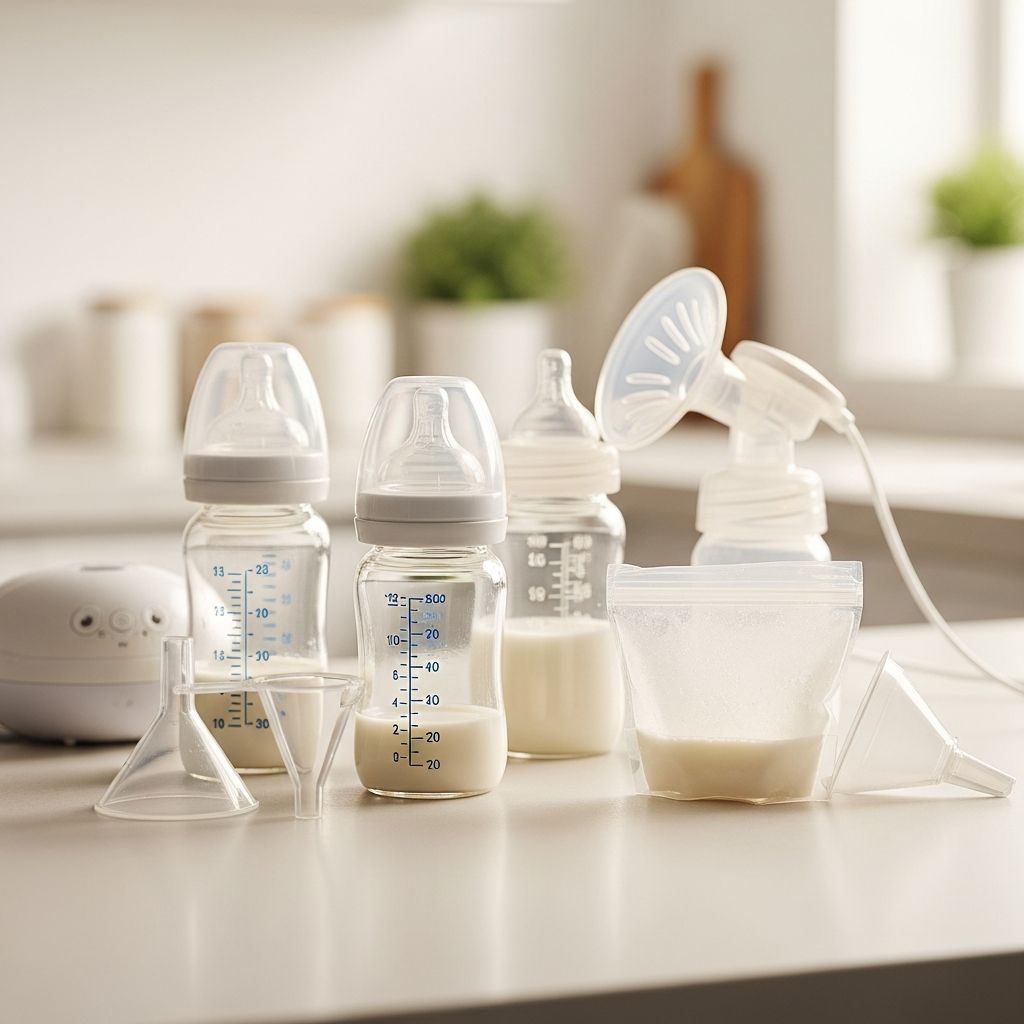
Postpartum challenges compounded. New mothers navigated recovery without extended family help, while breastfeeding faced hurdles from stress-induced supply issues or policy-driven separations. Themes from research include unanticipated policy shifts and adverse lactation experiences, yet many adapted resiliently.
| Pre-Pandemic Norm | Pandemic Adaptation | Impact on Mothers |
|---|---|---|
| Partner at every appointment | Solo visits or telehealth | Increased isolation, less shared joy |
| Family in delivery room | No visitors, masked staff only | Heightened stress, solo bonding |
| In-person postpartum checks | Virtual follow-ups | Convenience vs. tactile reassurance gap |
Real Voices: Mothers’ Lived Realities
Personal narratives reveal the spectrum of experiences. Moriel, delivering her second child in August 2020, managed a toddler alongside pandemic protocols. Her husband’s absence from appointments underscored the emotional toll, yet she cherished the intimate early days with newborn Tor.
Others shared amplified pregnancy anxieties, where routine fears of miscarriage or birth complications merged with viral threats. Mums in the UK and beyond recounted logistical nightmares—masking through contractions, virtual baby announcements—but also inspiring triumphs like home birth successes.
University of Michigan research identified heightened distress alongside surprise upsides, such as stronger partner involvement at home. These stories humanize data, showing resilience amid adversity.
Long-Term Mental Health Implications
Beyond immediate crises, pandemics left lasting imprints. Postpartum women exhibited spiked depression and anxiety, exacerbated by sleep deprivation and absent support. Fear of infant vulnerability lingered, prompting prolonged isolation even post-peak.
However, many emerged with newfound strengths. The forced introspection cultivated coping skills, from mindfulness to virtual communities. Celebrating new life amid widespread loss reframed perspectives, blending grief with gratitude.
Lessons for Future Preparedness
Pandemics exposed healthcare vulnerabilities, prompting innovations like telehealth permanence and hybrid care models. Policymakers now prioritize maternal mental health protocols, including routine screenings for pandemic-related trauma.
Expectant families can prepare by building digital networks, stocking self-care essentials, and advocating for flexible policies. Research underscores the need for tailored support, ensuring no mother faces crisis alone.
Frequently Asked Questions (FAQs)
Was pregnancy riskier during COVID-19?
Pregnant individuals faced higher severe infection risks, but most had healthy outcomes with precautions like masking and vaccination.
How did isolation affect baby preparations?
It limited in-person help but allowed focused nesting and virtual showers, balancing drawbacks with intimate planning.
Did pandemics change birth experiences permanently?
Many hospitals retained telehealth and low-visitor policies, improving efficiency while addressing past isolation complaints.
What mental health support helped most?
Virtual therapy, partner involvement, and peer groups mitigated anxiety effectively.
Are there positives to pandemic pregnancies?
Yes, reduced work stress and quality family time provided unexpected joys for some.
Building Resilience: Strategies for Expectant Mothers in Uncertain Times
To thrive amid disruptions, prioritize mental wellness through daily routines: gentle exercise, nutritious meals, and gratitude journaling. Leverage apps for virtual prenatal classes and connect via mom forums. Discuss fears openly with partners and providers to foster unity.
Physical health remains paramount—maintain vaccinations, monitor symptoms, and adhere to hygiene. For postpartum, prepare meal trains via delivery and accept virtual visits. These proactive steps transform vulnerability into empowerment.
Reflecting on COVID-19, women’s adaptability shines. From doubled-down caution to virtual celebrations, they protected their miracles amid mayhem. As global health evolves, these stories guide better support systems, ensuring joyful journeys ahead.
References
- The experience of pregnancy in the COVID-19 pandemic — PMC – NIH. 2024. https://pmc.ncbi.nlm.nih.gov/articles/PMC12002724/
- My Experience Having a Baby During the COVID-19 Pandemic — American College of Obstetricians and Gynecologists (ACOG). 2020. https://www.acog.org/womens-health/experts-and-stories/the-latest/my-experience-having-a-baby-during-the-covid19-pandemic
- Moms Share Stories of Being Pregnant and Giving Birth in a Pandemic — The Bump. 2020. https://www.thebump.com/a/mom-stories-pandemic
- Pregnant In The Pandemic: Real Mums, Real Stories — Lola&Lykke. 2021. https://lolalykke.com/blogs/mamahood-manuals/pregnant-in-the-pandemic-real-mums-real-stories
- Pandemic pregnancy: Increased anxiety, distress, but also a few surprise benefits — University of Michigan News. 2021. https://news.umich.edu/pandemic-pregnancy-increased-anxiety-distress-but-also-a-few-surprise-benefits/
- Understanding the Mental Health Impact of Giving Birth During a Pandemic — MGH Center for Women’s Mental Health. 2021. https://womensmentalhealth.org/posts/covid-19-childbirth/
- Being Pregnant During COVID-19 — UW Medicine Right as Rain. 2021. https://rightasrain.uwmedicine.org/well/stories/pregnant-during-covid-pandemic