Embarking on the journey to parenthood begins well before a positive pregnancy test. Proper preparation enhances fertility, supports fetal development, and reduces risks during gestation. This guide outlines key actions from preconception through delivery, drawing on established health recommendations to ensure you and your baby thrive.
Building a Strong Foundation Before Conception
Optimizing your health prior to trying to conceive sets the stage for a successful pregnancy. Start by scheduling a preconception consultation with an obstetrician or gynecologist to assess overall wellness, review medical history, and address potential issues like chronic conditions or vaccinations.
Key preconception steps include:
- Daily folic acid intake: Consume 400 micrograms of folic acid through prenatal vitamins at least one month before attempting conception to prevent neural tube defects.
- Lifestyle adjustments: Eliminate smoking, alcohol, and recreational drugs, as they impair fertility and fetal growth.
- Balanced nutrition: Focus on complex carbohydrates, lean proteins, healthy fats, and hydration to support hormonal balance and energy levels.
- Regular exercise: Engage in 30 minutes of moderate activity five days a week, such as walking or swimming, to maintain a healthy weight and boost cardiovascular health.
- Stress management: Incorporate meditation or relaxation techniques to lower cortisol levels, which can affect ovulation.
Maintaining a healthy body mass index is crucial; underweight or overweight conditions can complicate conception and increase risks like gestational diabetes.
First Trimester Priorities: Confirming and Nurturing Early Growth
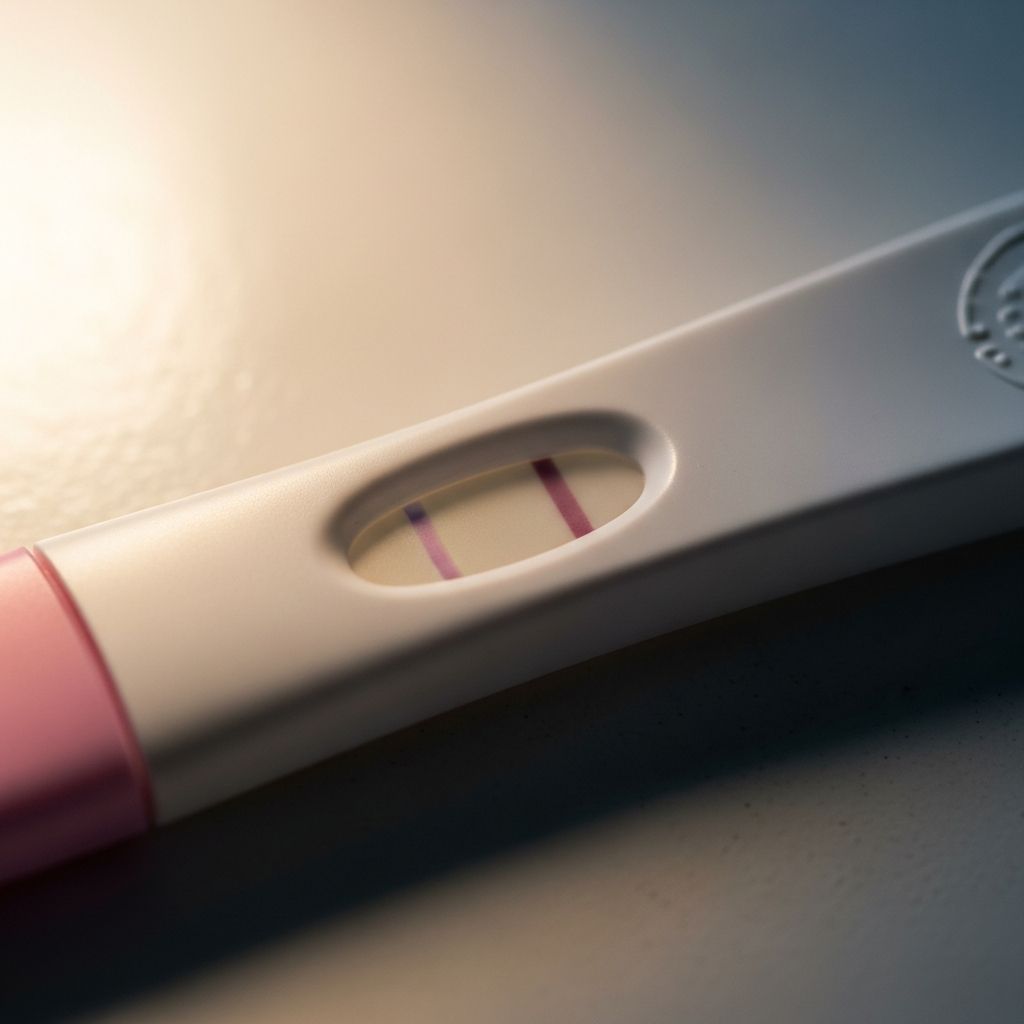
Once pregnancy is confirmed via a home test, immediate actions protect the developing embryo during its most vulnerable phase (weeks 1-12).
| Action | Why It Matters | Timeline |
|---|---|---|
| Schedule first prenatal visit | Establishes baseline health and screens for genetic risks | Weeks 4-8 |
| Continue prenatal vitamins | Supports neural development | Daily |
| Avoid high-risk foods (raw fish, deli meats, unpasteurized dairy) | Prevents foodborne infections like listeria | Throughout |
| Limit caffeine to 200mg daily | Reduces miscarriage risk | Ongoing |
Additional focuses: Get ample rest, schedule dental care, and avoid hot tubs to prevent overheating. Discuss insurance coverage and financial planning early, as maternity leave and baby costs add up.
Second Trimester: Gaining Strength and Planning Ahead
Weeks 13-27 bring more energy, allowing focus on comfort, education, and baby preparations.
- Join prenatal yoga or exercise classes to enhance flexibility and reduce back pain.
- Practice side-sleeping to improve circulation as the belly grows.
- Enroll in childbirth and breastfeeding classes for informed decision-making.
- Begin nursery setup and babyproofing: secure furniture, cover outlets, and install safety gates.
- Compile a baby name list and registry for essentials like diapers and strollers.
- Develop a birth preferences document, covering pain management and labor positions.
Prevent common issues like constipation and hemorrhoids by staying hydrated and eating fiber-rich foods. This period is ideal for announcing the pregnancy and arranging childcare for older siblings.
Third Trimester: Final Preparations for Arrival
Weeks 28-40 emphasize readiness for labor and postpartum recovery.
Essential tasks:
- Hospital bag packing: Include ID, insurance, comfortable clothes, toiletries, snacks, and nursing bras.
- Car seat installation: Have it inspected for safety compliance.
- Pediatrician selection: Choose a provider and schedule a newborn visit.
- Contraction monitoring: Download an app and practice relaxation techniques.
- Postpartum supplies: Stock stool softeners, peri bottles, and frozen meals.
- Final nursery touches: Assemble crib and stock diapers, wipes, and onesies.
Weeks 32-36 require bi-weekly appointments, including Group B Strep testing. Map the fastest route to your birth facility, factoring in traffic, and pre-register if possible.
Nutrition and Exercise Throughout Pregnancy
A nutrient-dense diet fuels both maternal and fetal needs. Prioritize folate, iron, calcium, and omega-3s from sources like leafy greens, lean meats, dairy, and fish (low-mercury varieties).
Exercise guidelines:
- 150 minutes weekly of moderate activity, avoiding contact sports or activities risking falls.
- Yoga and swimming alleviate swelling and prepare pelvic muscles.
- Consult your provider before new routines, especially with complications.
Hydration (8-10 glasses daily) combats fatigue and supports amniotic fluid.
Emotional and Partner Involvement
Pregnancy impacts mental health; discuss parenting styles with your partner and seek support groups if anxiety arises. Partners should attend appointments, practice comfort measures, and prepare their own hospital bag with snacks and chargers.
Financial and Logistical Planning
Review maternity leave policies 15 weeks pre-due date and budget for gear, childcare, and healthcare. Consider birth announcements and keepsake books for lasting memories.
Frequently Asked Questions
When should I start prenatal vitamins?
Begin at least one month before trying to conceive to ensure adequate folic acid levels.
What foods to avoid during pregnancy?
Steer clear of raw eggs, undercooked meats, unpasteurized products, and high-mercury fish to minimize infection risks.
How much exercise is safe?
Aim for 30 minutes most days, but get provider approval and stop if dizzy or short of breath.
What goes in the hospital bag?
Essentials: ID, comfortable layers, toiletries, snacks, phone charger, and baby clothes.
Can I travel in the third trimester?
Yes, up to 36 weeks with airline approval, but confirm hospital proximity post-32 weeks.
References
- Pregnancy To-Do Checklist — Woman’s Hospital. 2023-11. https://www.womans.org/sites/default/files/2023-11/PregnancyToDoChecklist.pdf
- Preparing for Pregnancy Checklist — Memorial Health. N/A. https://memorialohio.com/news-health-tips/preparing-for-pregnancy-checklist/
- Pregnancy Care – Trimester Checklist — Geisinger. N/A. https://www.geisinger.org/patient-care/conditions-treatments-specialty/trimester-to-do-checklist
- Pre-Pregnancy Checklist | Planning for a Baby — UT Southwestern Medical Center. N/A. https://utswmed.org/conditions-treatments/planning-for-a-baby-obstetrics/pre-pregnancy-checklist/
- Your pregnancy to do list — NHS. N/A. https://www.nhs.uk/pregnancy/finding-out/your-pregnancy-to-do-list/
- Third trimester checklist: preparing to welcome your baby — The Mother Baby Center. 2022-09. https://www.themotherbabycenter.org/blog/2022/09/third-trimester-checklist/
- Your Pre-Pregnancy Checklist — Memorial Hermann. N/A. https://memorialhermann.org/health-wellness/health/your-pre-pregnancy-checklist
- Planning for Pregnancy — CDC. N/A. https://www.cdc.gov/pregnancy/about/index.html