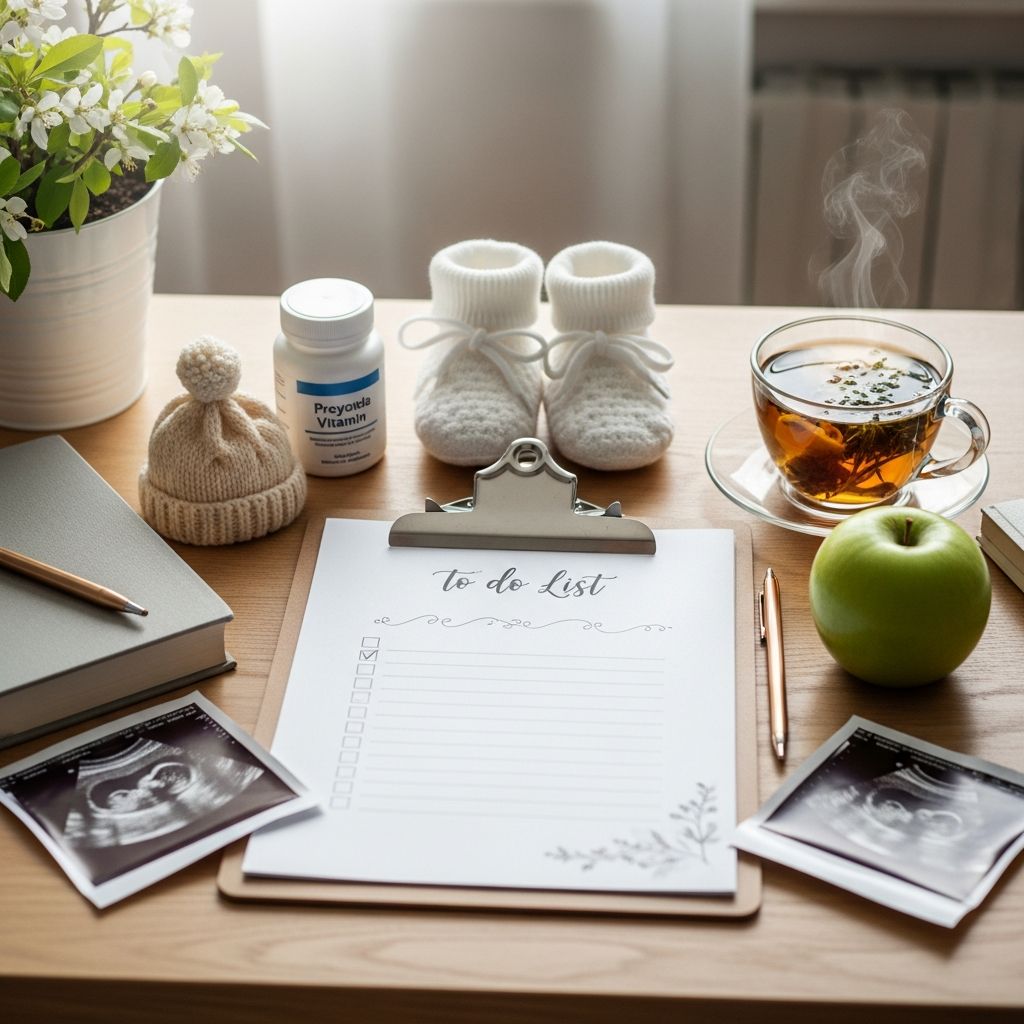
Pregnancy comes with excitement, questions, and a surprising number of practical tasks. A clear, realistic checklist helps turn that swirl of “Should I be doing something right now?” into a calm, step-by-step plan. This guide walks through each stage of pregnancy with simple actions for your health, your baby, and your home, plus a quick-reference table and FAQs at the end.
Before You Start: How to Use This Checklist
This is not a list you must complete perfectly. Think of it as a menu: pick what fits your life, health, budget, and values. Every pregnancy is unique, so always follow the advice of your own healthcare provider before changing medications, diet, or exercise routines.
- Use this as a guide, not a rulebook.
- Print it or save it on your phone and highlight priorities for each month.
- Share the tasks with your partner, family, or close friends so you do not carry everything alone.
First Trimester (Weeks 1–13): Laying the Foundation
The first trimester is about confirming the pregnancy, protecting your health, and setting up good habits that will carry you through the rest of the journey. You may be exhausted or queasy, so the focus here is on essentials rather than perfection.
Medical and Health Essentials
Your earliest choices have long-term effects on you and your baby’s wellbeing. Prioritize medical care and basic lifestyle changes first, before worrying about baby gear or nursery themes.
- Schedule your first prenatal visit as soon as you know (or strongly suspect) you are pregnant.
- Begin or continue taking a prenatal vitamin with folic acid, as advised by your provider.
- Discuss all medications, supplements, and herbal products with your clinician to confirm they are safe in pregnancy.
- Stop smoking, vaping, drinking alcohol, and using recreational drugs; ask for support programs if needed.
- Talk about any chronic conditions (such as diabetes, high blood pressure, thyroid issues, or mental health conditions) so your care can be adjusted appropriately.
Daily Habits and Self-Care
Nausea, fatigue, and emotional ups and downs are common early on. Gentle routine changes and small comforts can make this phase more manageable.
- Eat small, frequent meals if nausea is an issue; keep simple snacks on hand.
- Prioritize sleep and rest; go to bed earlier when possible and listen to your body’s need to slow down.
- Hydrate regularly; keep a water bottle nearby and sip throughout the day.
- Continue or start low-impact activity (such as walking, swimming, or prenatal yoga) with your provider’s approval.
- Explore simple relaxation practices like deep breathing or short guided meditations.
Planning and Paperwork
Getting organized early saves stress later, especially around finances and work. You do not need all the answers right away, but beginning these conversations now gives you time to adjust.
- Review your health insurance or national healthcare coverage to understand prenatal and birth benefits.
- Map out your expected prenatal appointment schedule so you can plan around work and commitments.
- Start a simple pregnancy journal or notes app to track questions, symptoms, and thoughts for your provider.
- Begin thinking about when and how you might announce your pregnancy to family, friends, and workplace.
Second Trimester (Weeks 14–27): Building Momentum and Preparing Practically
Many people find the second trimester more comfortable: nausea often eases, energy returns, and the baby bump begins to show. This is a great time to tackle practical projects and enjoy the experience of preparing for your baby.
Strengthening Health and Wellbeing
With more energy, you can refine your routines and build strength for birth and postpartum recovery. Focus on sustainable habits instead of strict rules or sudden intense exercise.
- Attend scheduled prenatal visits and recommended screening or anatomy scans.
- Ask your provider about recommended vaccines during pregnancy and their timing.
- Develop a gentle exercise routine that you can maintain most days of the week.
- Adjust your wardrobe with a few comfortable maternity or stretchy pieces rather than replacing everything.
- Schedule a dental check-up if you have not had one recently, as gum health can change during pregnancy.
Home, Gear, and Logistics
The second trimester is ideal for planning your physical space and essential purchases. Focus on safety and practicality before aesthetics or extras.
- Research safe car seats and confirm that at least one will be installed in any car that will regularly transport your baby.
- Decide where the baby will sleep in the first few months (your room, nursery, or both) and plan furniture accordingly.
- Create a short list of truly essential items (safe sleep space, diapers, clothing, feeding supplies) before adding “nice-to-have” extras.
- Consider starting a baby registry or wish list to help friends and family choose helpful gifts.
- Check your home for simple safety updates, such as securing loose rugs or planning where outlets and cords might need covers later.
Education and Emotional Preparation
Knowledge can reduce fear and help you make informed decisions. The second trimester is a good time to learn about birth, feeding, and early baby care without feeling rushed.
- Explore childbirth education options (in-person classes, online courses, or books) and sign up in advance.
- Read or watch reliable sources on newborn care basics such as bathing, safe sleep, and soothing techniques.
- Talk with your partner or support person about expectations for labor support and early parenting roles.
- Reflect on your feelings about parenthood, fears, and hopes; consider journaling or discussing them with a trusted person or therapist.
Third Trimester (Weeks 28–Birth): Final Prep and Mental Readyness
As your due date approaches, your focus shifts to fine-tuning plans, finishing must-do tasks, and preparing emotionally for birth and postpartum. This is also a time to slow down where you can and protect your energy.
Birth Planning and Hospital Logistics
A birth plan is not a script; it is a communication tool that clarifies your preferences while staying flexible. Even if your birth does not go exactly as imagined, thinking through your options ahead of time can be empowering.
- Discuss pain relief options, induction, monitoring, and possible interventions with your provider so you understand common scenarios.
- Write a concise birth preferences document (often one page) highlighting your top priorities.
- Tour your birth location virtually or in person if available, or read through the hospital or birth center’s policies.
- Pack a hospital or birth center bag for yourself, your baby, and your support person several weeks before your due date.
- Plan transportation to your birth location, including a backup driver if your primary support person is unavailable.
Postpartum and Home Support
Life after birth can be intense, joyful, and challenging all at once. Thoughtful planning for meals, rest, and help with everyday chores can make recovery smoother.
- Arrange practical help, such as a family member, friend, or postpartum doula, for the first days or weeks at home.
- Prepare a simple feeding and diaper change station near where you expect to spend most of your time with baby.
- Stock your home with easy meals, snacks, and basic household supplies to reduce last-minute errands.
- Gather postpartum recovery items you may need, such as comfortable clothing, pads, and perineal or incision care supplies recommended by your provider.
- Discuss visitors ahead of time and set gentle boundaries that protect your rest and bonding time.
Work, Finances, and Legal Details
Handling practical matters before baby arrives allows you to focus more on healing and bonding afterward. Even a few small steps can reduce mental load.
- Confirm your maternity, paternity, or parental leave plans with your employer in writing.
- Review your household budget, adding approximate baby-related costs such as diapers, transportation, and childcare.
- Identify a pediatrician or family doctor for your baby, confirm they accept your insurance or local coverage, and note their contact information.
- Consider basic legal tasks such as updating a will, naming a guardian, or reviewing life insurance if appropriate.
Quick Reference: Trimester Task Snapshot
The table below condenses major focus areas for each stage of pregnancy so you can quickly see what belongs where.
| Trimester | Main Focus | Key Actions |
|---|---|---|
| First (Weeks 1–13) | Health foundation & confirmation | Schedule first prenatal visit; begin prenatal vitamins; review medications; adjust lifestyle habits; plan initial finances and work discussions. |
| Second (Weeks 14–27) | Education & practical setup | Attend scans and checkups; start childbirth and newborn education; plan baby’s sleep space; research car seat and essentials; organize home and registry. |
| Third (Weeks 28–Birth) | Birth, postpartum & support | Write birth preferences; pack hospital bag; plan postpartum help; finalize leave and childcare; choose pediatrician; prepare meals and recovery supplies. |
Emotional Health and Relationships Throughout Pregnancy
Emotional wellbeing deserves as much attention as physical health. Mood changes can stem from hormones, life stress, or both, and they are common—but you do not have to cope alone.
- Share your feelings honestly with your partner or another trusted person, even when they are mixed or confusing.
- Ask your provider what is considered a normal mood shift and when they recommend additional support.
- Seek professional help if you notice persistent sadness, anxiety, hopelessness, or intrusive thoughts.
- Protect a little regular connection time with your partner (such as short walks or shared meals) to talk about hopes, fears, and practical next steps.
Optional Extras: Nice-to-Have, Not Must-Do
Many pregnancy checklists pile on tasks that sound mandatory but are actually optional. These extras can be enjoyable if they fit your circumstances, but your pregnancy is not “less than” if you skip them.
- Creating elaborate pregnancy photo shoots or social media announcements.
- Designing a perfectly themed nursery before the baby arrives.
- Buying every specialized gadget or piece of baby equipment marketed as “essential.”
- Attending multiple classes or groups if your schedule or energy is limited.
The real essentials are healthcare, safety, basic supplies, some form of emotional support, and a flexible plan for birth and postpartum. Everything else is optional decoration.
Frequently Asked Questions About Pregnancy Checklists
Do I have to follow a trimester checklist exactly?
No. Checklists are tools, not rules. Use them to remember options and ideas, then adjust the timing and details based on your health, provider’s guidance, work schedule, energy level, and support system.
What if I am already halfway through pregnancy and just starting to organize?
It is never too late to get more organized. Start by focusing on current and upcoming needs: your next medical appointments, basic baby supplies, plans for birth, and support for the first weeks postpartum. Earlier tasks that no longer apply can be let go.
How can I avoid feeling overwhelmed by all the advice?
Limit the number of sources you rely on and stick to those you trust, such as your healthcare team and a few evidence-based organizations. Break tasks into small steps, choose one or two focus areas per week, and involve your support network rather than trying to handle everything alone.
Do I need every item on typical baby gear lists?
Most families use far fewer products than marketing suggests. Start with safety essentials—car seat, safe sleep space, basic clothing, and feeding supplies—then add items only if you find you truly need them once your baby is home.
How should I adapt this checklist for a high-risk pregnancy or multiples?
If you are carrying multiples or have a high-risk pregnancy, your medical care and activity recommendations may differ. In that case, base your checklist first and foremost on your specialist’s guidance, and feel free to simplify or delegate many of the non-medical tasks described above.
Pregnancy brings many unknowns, but a thoughtful, flexible checklist can turn vague worries into manageable actions. Focus on what matters most: your health, your baby’s safety, a supportive environment, and space to adjust as you learn along the way.