The Reality of Spinal Discomfort in Expecting Mothers
Back pain represents one of the most prevalent discomforts experienced during pregnancy, with approximately 40% of pregnant women reporting this symptom at some point during their nine-month journey. While many expectant mothers assume this pain is simply an inevitable consequence of pregnancy, understanding its underlying causes and recognizing when professional intervention is necessary can significantly improve quality of life and ensure both maternal and fetal well-being.
The experience of back discomfort during pregnancy varies considerably among women. Some experience mild, occasional twinges that resolve with rest, while others endure persistent, debilitating pain that interferes with daily functioning and sleep quality. Regardless of severity, it’s crucial for pregnant women to understand what’s happening in their bodies and to distinguish between normal pregnancy-related pain and symptoms that warrant immediate medical evaluation.
Anatomical and Physiological Mechanisms Behind Spinal Pain
The human spine undergoes remarkable transformations during pregnancy to accommodate the growing baby and supporting structures. Understanding these changes provides insight into why back discomfort occurs and how to address it effectively.
Weight Distribution and Postural Adjustment
During a healthy pregnancy, women typically gain between 25 and 35 pounds. This substantial weight increase fundamentally alters how the body maintains balance and distributes physical load. The spine, which serves as the central support structure for the entire body, must accommodate this additional weight burden. The sacroiliac joint, located where the pelvis meets the spine, often becomes the epicenter of discomfort due to this increased pressure.
As the uterus expands and the abdomen protrudes forward, the body’s center of gravity shifts significantly. Women often unconsciously adjust their posture to compensate for this shift, frequently leaning backward slightly to counterbalance the forward weight distribution. This postural compensation, while necessary for maintaining equilibrium, places excessive strain on the lumbar spine and the paraspinal muscles that support it. The result is muscle tension, fatigue, and persistent discomfort.
Hormonal Changes and Ligament Laxity
Pregnancy initiates profound hormonal shifts that directly impact musculoskeletal structures. The body produces increased levels of relaxin, a hormone specifically designed to prepare the pelvic region for childbirth. Relaxin functions by relaxing and increasing the elasticity of ligaments and joints throughout the pelvic area. However, this hormonal effect is not localized solely to the pelvis.
The same hormone that softens pelvic ligaments in preparation for labor also affects the ligaments supporting the spine throughout the body. This ligament laxity, while necessary for facilitating birth, results in increased spinal instability and reduced structural support. The intervertebral joints become looser, and the spine loses some of its ability to maintain rigidity. Consequently, the muscles surrounding the spine must compensate by working harder to stabilize the vertebral column, leading to muscle strain and pain.
Abdominal Muscle Separation and Core Weakness
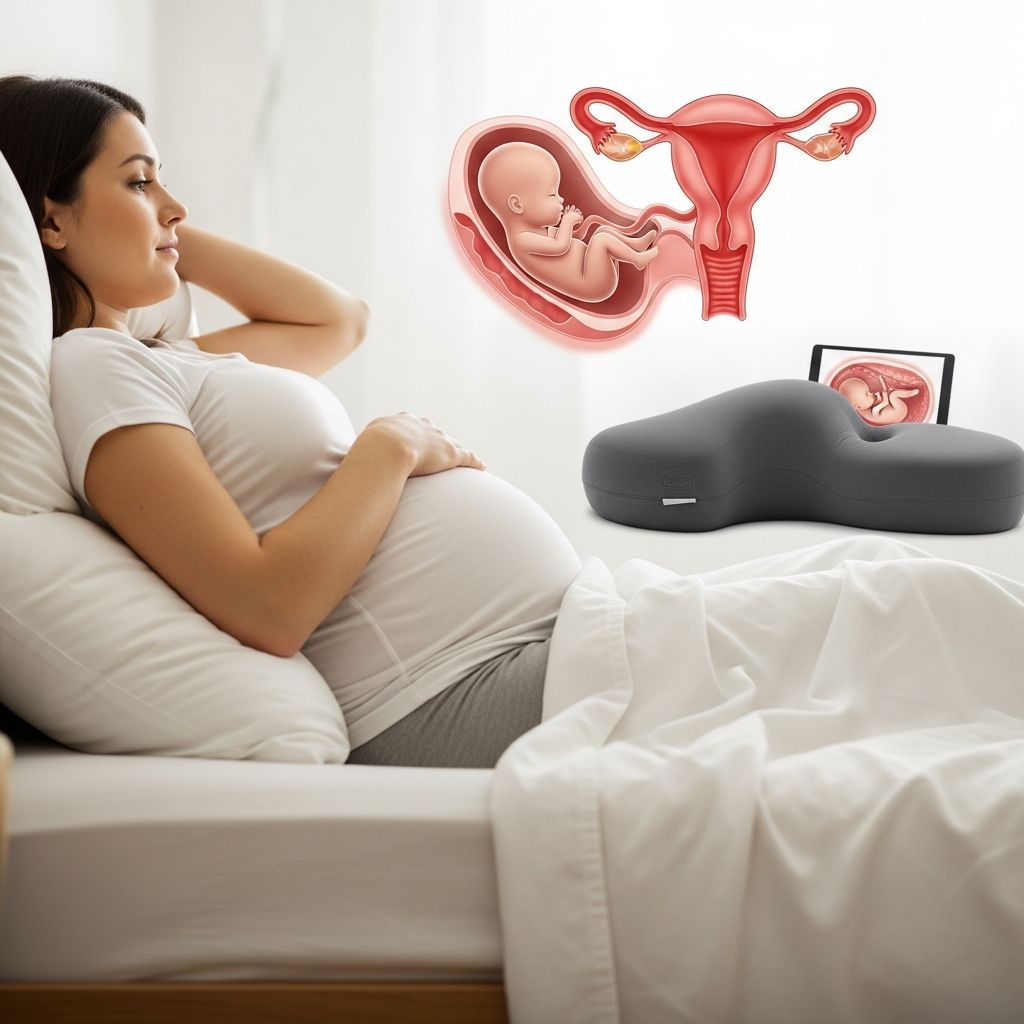
The rectus abdominis muscles, which run vertically from the rib cage to the pubic bone, play a critical role in spinal support and stability. As the uterus expands, these parallel sheets of muscle stretch and separate along their center seam in a condition known as diastasis recti. This natural separation, while necessary to accommodate the growing baby, weakens the core muscular system that normally provides crucial support to the spine.
With compromised abdominal muscle function, the lumbar spine bears greater responsibility for maintaining stability and posture. This increased demand on the lower back, combined with hormone-induced ligament laxity, creates the perfect conditions for pain development and progression throughout pregnancy.
Timeline of Pain Development Across Pregnancy Trimesters
Back discomfort patterns vary significantly depending on which stage of pregnancy a woman has reached. Recognizing when pain typically emerges helps expectant mothers understand whether their experiences align with normal pregnancy progression.
Early Pregnancy Onset
Contrary to common assumptions, back pain frequently begins during the first trimester, even before significant weight gain occurs. At this early stage, the expanding uterus stretches the ligaments supporting it, and hormonal changes increase body sensitivity. Many women report experiencing lower back tension and discomfort as early as the first few weeks of pregnancy. Additionally, hormonal fluctuations in early pregnancy can trigger chest discomfort and uterine pain as increased progesterone and estrogen levels accelerate blood flow and promote breast growth.
Second Trimester Intensification
Back pain typically becomes more pronounced during the second trimester as the lumbar curve becomes more accentuated in response to the baby’s increasing weight. The combination of the baby’s growth, placental weight, and natural increases in body fluid and fat accumulation place substantially greater pressure on the spine. The shift in center of gravity becomes more pronounced, and postural compensation becomes increasingly pronounced.
Third Trimester Severity
The third trimester generally produces the most significant and bothersome back pain for most pregnant women. The baby reaches maximum size, the abdomen is at its largest, and the biomechanical stress on the spine reaches its peak. Hormonal effects also intensify, and fatigue from carrying excess weight accelerates. Pain that may have been manageable earlier in pregnancy often becomes chronic and persistent during these final months.
Special Consideration: Sciatica in Pregnancy
A particular form of pregnancy-related back pain deserves special attention: sciatic nerve involvement. The sciatic nerve, which runs through the spine and extends down through the legs, becomes compressed in approximately 50% of pregnant women. When postural changes and abdominal weight increases place pressure on this nerve, women experience distinctive symptoms including severe lower back pain that radiates down one or both legs, accompanied by tingling, numbness, or weakness in the lower extremities.
Sciatic pain typically worsens as pregnancy progresses and the baby grows larger. However, most women experience relief once the baby is delivered and the nerve is no longer compressed, though resolution may take several weeks postpartum.
Distinguishing Normal Discomfort from Concerning Symptoms
While back pain is common during pregnancy, certain symptoms warrant immediate medical evaluation and suggest potential complications requiring professional intervention.
Red Flags Requiring Immediate Attention
Pregnant women should contact their healthcare provider immediately if they experience:
- Severe, persistent pain: Pain that is intense, constant, and fails to improve with rest or positional changes suggests potential complications beyond normal pregnancy-related discomfort.
- Fever accompanying back pain: The simultaneous presence of fever and back discomfort may indicate infection requiring prompt medical assessment.
- Radiating pain with neurological symptoms: Pain that spreads to one or both legs and includes weakness, tingling, or numbness warrants professional evaluation.
- Significant mobility impairment: If back pain severely limits walking ability or prevents performance of daily activities, medical guidance is necessary.
- Vaginal bleeding: Back pain combined with vaginal bleeding may indicate miscarriage or other obstetric complications.
- Cramping or contractions: Regular, rhythmic back pain with cramping sensations may signal preterm labor and requires immediate medical evaluation.
- Urinary symptoms: Back pain accompanied by a burning sensation during urination may indicate a urinary tract infection requiring treatment.
Potential Underlying Complications
While uncommon, severe pregnancy-related back pain can occasionally indicate more serious conditions. Preterm labor represents one of the most concerning possibilities, as women may experience back pain alongside contractions and cramping. Urinary tract infections, which are more common during pregnancy, can cause back pain and require antibiotic treatment to prevent progression to kidney infection. In rare cases, pregnancy-associated osteoporosis, vertebral osteoarthritis, or septic arthritis may develop, necessitating specialized medical management.
Evidence-Based Relief Strategies and Management Approaches
Multiple interventions can reduce pregnancy-related back discomfort and improve quality of life without relying on potentially problematic medications.
Physical Approaches and Lifestyle Modifications
- Heat application: Using heating pads on the affected area can reduce muscle tension and provide temporary pain relief.
- Rest and position modification: Adjusting sleeping and sitting positions to reduce spinal strain, combined with appropriate rest periods, often alleviates discomfort.
- Pregnancy support belts: Specially designed support garments can reduce strain on the lower back and provide additional spinal stability during daily activities.
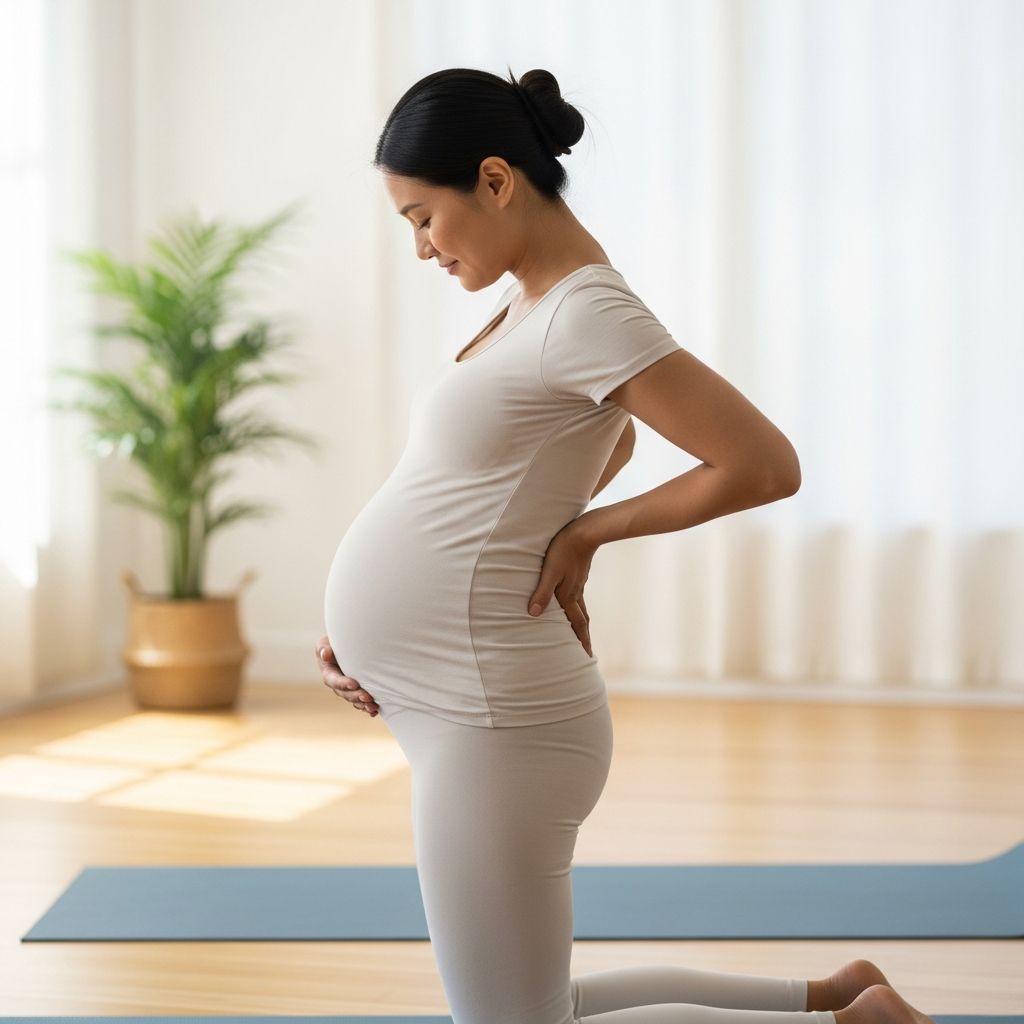
- Gentle prenatal exercise: Movement programs specifically designed for pregnant women can strengthen supporting muscles and improve posture.
- Postural awareness: Conscious attention to maintaining proper posture during standing, sitting, and working can minimize spinal stress.
Professional Interventions
When self-care strategies prove insufficient, several professional treatments can provide relief without compromising pregnancy safety. Physical therapists specializing in prenatal care can develop individualized exercise programs and provide manual therapy techniques tailored to pregnancy. Spine specialists and maternal-fetal medicine experts can evaluate persistent pain and recommend appropriate interventions. Prenatal massage from trained practitioners can reduce muscle tension and promote relaxation. In some cases, temporary pain management strategies approved for use during pregnancy may be discussed with healthcare providers.
Risk Factors and Individual Vulnerability
Certain factors increase the likelihood that a woman will experience significant back pain during pregnancy. Women who experienced back pain before pregnancy or in previous pregnancies face substantially higher risk of recurrence and potentially greater severity. Additionally, fetal positioning affects pain intensity—when the baby’s head positions against the mother’s tailbone or lower back, increased pain may result. Larger-than-average babies also increase spinal stress and pain likelihood.
Emotional and psychological stress significantly influences pregnancy-related back pain intensity. Stress triggers muscle tension throughout the body, which may manifest as back pain or muscle spasms, making stress management an important component of comprehensive pain relief strategies.
Long-Term Implications and Postpartum Considerations
While many women expect back pain to resolve immediately after delivery, the reality is often more complex. Although pain typically improves following childbirth as hormone levels normalize and body weight decreases, residual discomfort may persist for months in some women. Understanding this postpartum timeline helps set realistic expectations and encourages appropriate follow-up care if pain lingers beyond the immediate postpartum period.
Frequently Asked Questions About Pregnancy Back Pain
At what point during pregnancy does back pain typically become most problematic?
While back pain can emerge as early as the first trimester, it typically becomes most pronounced during the second and especially the third trimester, when weight gain, hormonal effects, and postural changes reach their maximum intensity.
Is back pain during pregnancy dangerous for the baby?
Most pregnancy-related back pain is not dangerous for the baby and reflects normal physiological changes. However, certain symptoms accompanying back pain may indicate complications requiring medical attention, which is why distinguishing normal discomfort from concerning symptoms is important.
Can back pain be completely prevented during pregnancy?
Complete prevention is difficult given the inevitable physiological changes of pregnancy. However, women at higher risk due to previous back issues can often reduce severity and frequency through proactive interventions including appropriate exercise, postural awareness, and support strategies.
How long does pregnancy-related back pain typically last after delivery?
Most back pain resolves within weeks as hormone levels normalize and the body returns to its pre-pregnancy state. However, some women experience residual discomfort lasting several months postpartum.
Are there medications that are safe for pregnancy-related back pain?
Healthcare providers can discuss pain management options that are considered safe during pregnancy. Physical approaches like heat, support belts, and prenatal exercise are typically recommended as first-line interventions.
What positions or activities should pregnant women avoid due to back pain?
Pregnant women should avoid sudden movements and activities that excessively strain the lower back. The relaxin hormone increases injury risk by loosening ligaments, making caution during physical activity particularly important.
References
- Back pain during pregnancy: symptoms and how to relieve it — Columna. January 2026. https://columna.com/en/back-pain-during-pregnancy-causes-and-how-to-prevent-it/
- Back Pain During Pregnancy: Causes and Treatments — WebMD. https://www.webmd.com/baby/back-pain-in-pregnancy
- Back Pain During Pregnancy — American College of Obstetricians and Gynecologists (ACOG). https://www.acog.org/womens-health/faqs/back-pain-during-pregnancy
- Back pain in pregnancy — National Health Service (NHS). https://www.nhs.uk/pregnancy/common-symptoms/back-pain/
- Back Pain During Pregnancy — Cleveland Clinic. https://my.clevelandclinic.org/health/symptoms/back-pain-during-pregnancy
- Back pain during pregnancy: 7 tips for relief — Mayo Clinic. https://www.mayoclinic.org/healthy-lifestyle/pregnancy-week-by-week/in-depth/pregnancy/art-20046080
- Back Pain During Pregnancy — Cedars-Sinai. https://www.cedars-sinai.org/health-library/diseases-and-conditions/b/back-pain-during-pregnancy.html