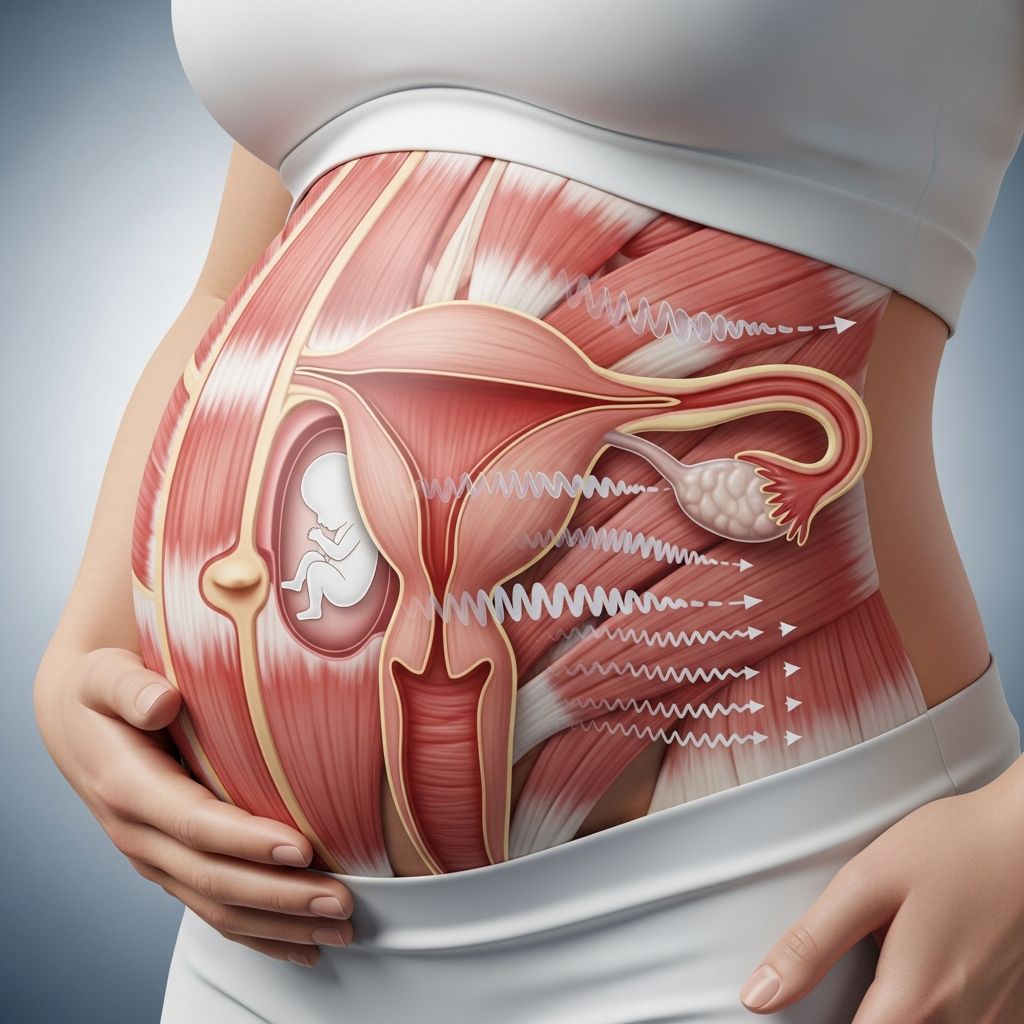
An ectopic pregnancy can be one of the most frightening and heartbreaking experiences a person faces on the path to parenthood. Yet in many cases, a healthy pregnancy in the future is still very possible, and understanding your body, your risks, and your options can restore hope and confidence.
This article explores what an ectopic pregnancy is, the common causes and treatments, how it affects future fertility, and practical steps you can take physically and emotionally as you move toward trying again.
What Is an Ectopic Pregnancy?
An ectopic pregnancy happens when a fertilized egg implants outside the main cavity of the uterus. Most of the time, this occurs in a fallopian tube, but it can rarely implant in the cervix, ovary, or abdominal cavity. Because the pregnancy is in the wrong location, it cannot develop normally and can become a serious medical emergency if not treated.
Unlike a normal intrauterine pregnancy, the tissue around an ectopic pregnancy is not designed to stretch. As the pregnancy grows, it can cause pain, bleeding, and even rupture of the affected tube or organ, which is why early recognition and treatment are crucial for protecting your health and future fertility.
Common Causes and Risk Factors
Sometimes there is no obvious reason why an ectopic pregnancy occurs, but certain factors are known to raise the risk. Having one or more of these does not guarantee you will have an ectopic pregnancy, but it can make it more likely.
- Previous ectopic pregnancy.
- Pelvic inflammatory disease or untreated sexually transmitted infections.
- Previous pelvic or tubal surgery, including surgery for endometriosis or tubal ligation reversal.
- Structural problems or scarring of the fallopian tubes.
- Use of assisted reproductive technologies, such as IVF.
- Smoking, which can affect tubal function and egg transport.
It is also important to remember that an ectopic pregnancy can happen even when none of these risk factors are present. Nothing you did or did not do caused it; it is a medical event, not a failure on your part.
Signs, Symptoms, and Diagnosis
Early ectopic pregnancies can look very similar to normal early pregnancies. A person may have a missed period, positive pregnancy test, breast tenderness, and mild cramping. As the ectopic pregnancy progresses, more specific warning signs often appear.
- One-sided pelvic or abdominal pain that may be sharp or stabbing.
- Vaginal spotting or bleeding that is different from a normal period.
- Pain in the shoulder tip, which can signal internal bleeding irritating the diaphragm.
- Dizziness, fainting, or feeling lightheaded, which may indicate significant blood loss.
Diagnosis usually involves a combination of pelvic examination, serial blood tests to measure pregnancy hormone levels, and early transvaginal ultrasound to determine where the pregnancy has implanted. When a pregnancy test is positive but no pregnancy is seen in the uterus at levels where it should be visible, an ectopic pregnancy becomes a major concern.
Treatment Options for Ectopic Pregnancy
The goal of treatment is to remove the ectopic pregnancy safely, prevent complications like rupture, and preserve as much fertility as possible. The exact treatment depends on your symptoms, hormone levels, ultrasound findings, and overall health.
Methotrexate (Medical Management)
Methotrexate is a medication that stops rapidly dividing cells from growing. When used to treat an ectopic pregnancy, it helps the body absorb the pregnancy tissue over time without surgery. It is typically used when the pregnancy is small, there is no rupture, and you are stable.
- Given by injection, usually in one or sometimes multiple doses.
- Requires close follow-up with blood tests to ensure pregnancy hormone levels are falling appropriately.
- Often preserves the fallopian tube, which may help protect future fertility.
Surgical Treatment
Surgery is recommended when the ectopic pregnancy is advanced, there is concern for rupture, bleeding has already occurred, or methotrexate is not appropriate. Most procedures are done using minimally invasive laparoscopy, though emergency situations may require an open incision.
- Salpingostomy: A small incision is made in the fallopian tube to remove the pregnancy while leaving the tube in place.
- Salpingectomy: The affected fallopian tube is removed, which may be necessary if it is severely damaged or bleeding.
Which procedure is used depends on the extent of tubal damage, how urgently surgery is needed, and your future fertility plans. Many people are still able to conceive and carry a pregnancy after surgery, even if one tube is removed.
Physical Recovery After Ectopic Pregnancy
Recovery from an ectopic pregnancy involves both physical healing and medical monitoring. Your body needs time to return hormone levels to normal and to repair any tissue damage from medication or surgery.
- If treated with methotrexate, you will usually have regular blood tests until pregnancy hormone levels reach zero.
- If you had surgery, you may experience post-operative discomfort, fatigue, and spotting for a few weeks.
- Your healthcare provider may advise avoiding strenuous activity, heavy lifting, and intercourse for a period of time.
It is common to feel more tired than usual and to have unpredictable periods for a short while. Over time, most people return to their usual menstrual cycles as hormone levels stabilize.
Emotional Healing and Grief
An ectopic pregnancy is not just a medical event; it is a pregnancy loss. Many people describe a mix of grief, fear, anger, and confusion afterward. These emotions can be intense, especially when others may not recognize this as a “real” loss.
- Allow yourself to acknowledge the loss and grieve in your own way and time.
- Consider talking with a counselor, support group, or trusted friend who understands pregnancy loss.
- Partners may grieve differently, so open communication about emotions and needs can help both people cope.
There is no deadline for feeling ready to try again. Some people want to attempt pregnancy as soon as it is medically safe, while others need months or longer before they feel emotionally prepared.
When Can You Try to Conceive Again?
The timing for trying to conceive again after an ectopic pregnancy depends partly on how it was treated and on your individual recovery. Your healthcare provider will give the most accurate advice for your situation, but there are general guidelines that are often recommended.
- After methotrexate, many providers suggest waiting at least three months or two full menstrual cycles before trying to conceive, to allow the medication to clear and folate levels to normalize.
- After surgery, your provider may recommend waiting until you have fully healed and had at least one or two normal periods.
- It is wise to use reliable contraception during the waiting period, especially after methotrexate treatment.
In addition to physical recovery, emotional readiness is just as important. If you still feel overwhelmed by anxiety at the thought of another pregnancy, it may help to speak with a counselor or join a support community before trying again.
Future Fertility After an Ectopic Pregnancy
One of the biggest fears after an ectopic pregnancy is, “Will I ever be able to have a baby?” In many cases, the answer is yes. Many people go on to have healthy, full-term pregnancies even after losing a tube or having significant treatment.
| Situation | Future Fertility Considerations |
|---|---|
| Methotrexate treatment, no rupture | Fallopian tube often preserved; many people conceive naturally in the future. |
| Salpingostomy (tube-sparing surgery) | Tube remains but may have some scarring; natural conception is often still possible. |
| Salpingectomy (one tube removed) | Conception is still possible with the remaining tube if it is healthy. |
| Severe tubal damage or both tubes removed | Natural conception is unlikely; IVF and assisted reproduction become key options. |
Statistically, many people who experience an ectopic pregnancy go on to have a successful intrauterine pregnancy later. While the risk of another ectopic pregnancy does increase, careful monitoring and early care can significantly improve safety and outcomes.
Risk of Another Ectopic Pregnancy
Having one ectopic pregnancy does increase your risk of having another, but it does not mean that a healthy pregnancy is impossible. The exact risk depends on the cause of the first ectopic, the health of your remaining tube or tubes, and any underlying conditions.
- If one tube is damaged or removed, the other tube may still function normally.
- If the cause was an infection or scarring, there may be a higher chance of recurrence, especially if the underlying condition persists.
- Smoking, unmanaged pelvic infections, and repeated tubal surgery can continue to raise the risk.
Because the risk is higher than before, early medical care in your next pregnancy is essential. Prompt monitoring can catch a problem sooner and give you more options for safe treatment.
Getting Pregnant Naturally After an Ectopic
Many people conceive naturally after an ectopic pregnancy, especially if one or both fallopian tubes are open and functioning. Even when one tube is removed, the remaining tube can still ovulate and capture eggs from either ovary in some cases.
- Maintain a healthy lifestyle, including a balanced diet, regular moderate exercise, and avoiding smoking and excessive alcohol.
- Track ovulation using cycle charts, ovulation predictor kits, or fertility apps to time intercourse during the fertile window.
- Have regular preconception checkups to manage chronic conditions, review medications, and discuss supplements like folic acid.
If you have been trying to conceive for a year (or six months if over 35) without success after an ectopic pregnancy, a fertility evaluation can help identify tubal problems, hormonal issues, or other barriers.
Assisted Reproduction and IVF
When tubal damage is significant, or repeated ectopic pregnancies have occurred, assisted reproductive technologies can offer a safer path to pregnancy. In vitro fertilization (IVF) is often recommended when both tubes are blocked or removed.
- IVF bypasses the fallopian tubes by fertilizing eggs in a lab and transferring embryos directly into the uterus.
- The risk of another ectopic pregnancy with IVF is lower than with natural conception, though it is not zero.
- Other options, such as fertility medications with careful monitoring, may help in milder cases of tubal damage or ovulation problems.
A fertility specialist can explain success rates based on your age, medical history, and specific diagnosis, and help you compare the risks and benefits of natural attempts versus assisted reproduction.
Preparing for a Future Pregnancy
Before trying to conceive again, taking proactive steps can improve both your physical readiness and your sense of control. Think of this as laying a healthy foundation for a future pregnancy.
- Schedule a preconception consultation to review your ectopic pregnancy, treatment, and any test results.
- Ask whether additional testing is recommended, such as imaging of the fallopian tubes, hormone evaluations, or infection screening.
- Begin prenatal vitamins with folic acid, ideally at least one to three months before trying to conceive.
- Address lifestyle factors like smoking cessation, weight management, and stress reduction.
Clarifying your individual risk factors and plan for early monitoring in your next pregnancy can make the process feel less frightening and more manageable.
Monitoring Your Next Pregnancy
Once you become pregnant again, early and careful monitoring becomes especially important. Let your healthcare provider know about your previous ectopic pregnancy as soon as you have a positive test.
- Your provider may order serial blood tests to track pregnancy hormone levels.
- An early transvaginal ultrasound is often scheduled to confirm that the pregnancy is in the uterus.
- If there is any concern that the pregnancy might be ectopic again, your provider can act quickly to protect your health.
Some people feel very anxious during this early phase. Building a clear plan with your provider about what symptoms to watch for and when to come in can reduce uncertainty and help you feel more supported.
Supporting Your Mental Health and Relationships
The emotional impact of an ectopic pregnancy can linger long after the physical recovery is complete. Anxiety, depression, or post-traumatic stress can appear or intensify around milestones such as your original due date, the anniversary of the loss, or during a new pregnancy.
- Consider individual therapy or couples counseling to work through grief, fear, and communication challenges.
- Look for online or in-person support groups focused on ectopic pregnancy or pregnancy loss.
- Talk honestly with your partner about how each of you is coping and what support you need from one another.
Taking care of your mental health is not separate from your reproductive health; it is an important part of preparing for and sustaining a future pregnancy.
Frequently Asked Questions (FAQs)
1. Can I have a healthy baby after an ectopic pregnancy?
Yes. Many people who experience an ectopic pregnancy go on to have healthy pregnancies later. The chances are especially good if at least one fallopian tube remains open and if underlying conditions are treated.
2. How long should I wait before trying to conceive again?
This depends on your treatment and personal health. Many providers recommend waiting several months after methotrexate and at least one or two regular cycles after surgery, but your own clinician’s guidance should come first.
3. What are the chances of another ectopic pregnancy?
The risk of another ectopic is higher once you have had one, but most future pregnancies are still intrauterine. Your specific risk will depend on factors such as tubal health, prior infections, and whether any structural problems remain.
4. Is pregnancy possible with one fallopian tube?
Yes. Many people conceive naturally with one functioning tube, provided it is open and healthy. Ovulation and egg pick-up can still occur effectively on the remaining side.
5. When should I see a fertility specialist?
You may want to see a specialist if both tubes are damaged or removed, if you have had more than one ectopic pregnancy, or if you have been trying to conceive without success for a recommended length of time for your age.
Key Takeaways for Hope and Healing
- An ectopic pregnancy is a serious medical condition but also a real pregnancy loss that deserves recognition and compassion.
- Many people go on to have healthy, full-term pregnancies after an ectopic, whether naturally or with fertility treatments.
- Close partnership with your healthcare team, early monitoring in future pregnancies, and attention to your emotional well-being can make the path forward safer and more hopeful.
While the experience of an ectopic pregnancy can change how you view fertility and pregnancy, it does not erase the possibility of parenthood. With time, support, and informed care, many people find their way to the healthy pregnancy they have long hoped for.