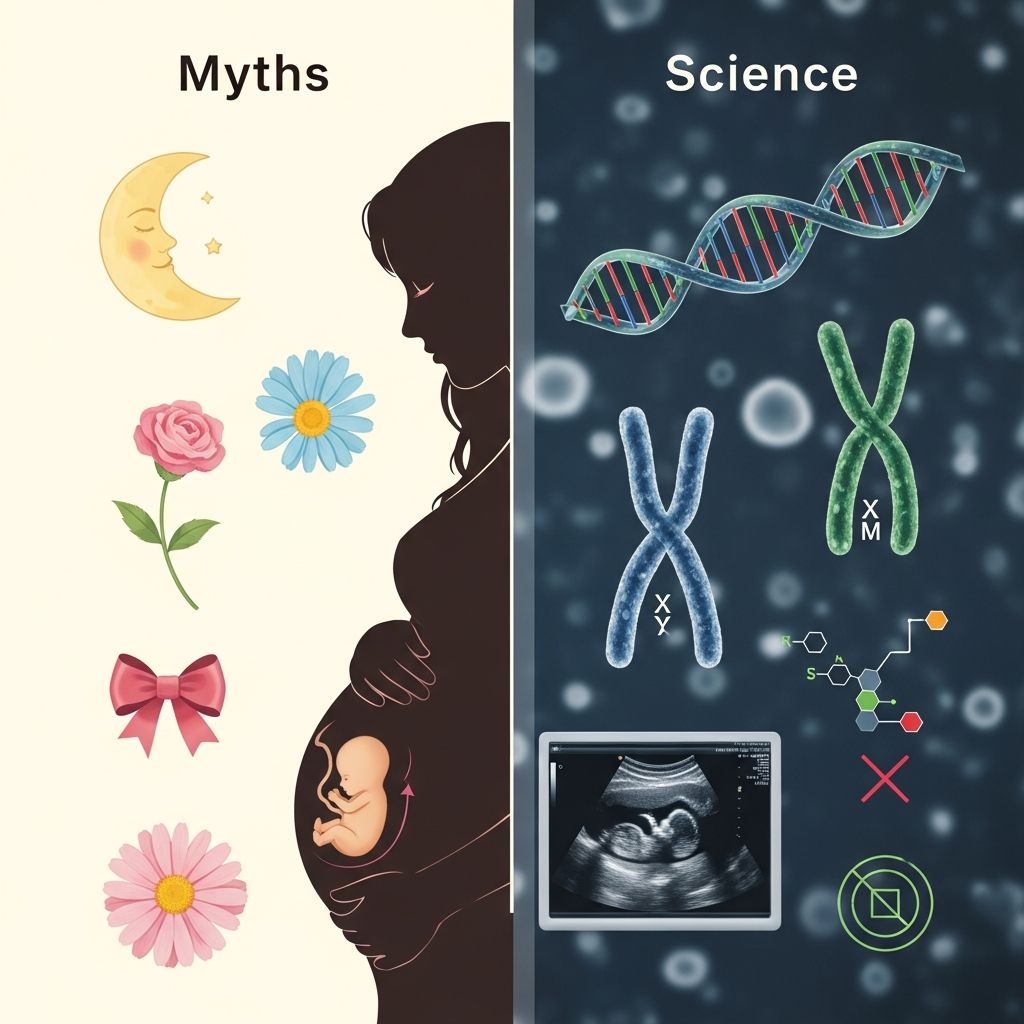
Pregnancy after age 35, often termed advanced maternal age, presents a unique blend of opportunities and challenges. While medical advancements have made it safer than ever, women in this group face elevated risks compared to younger counterparts, yet they often enjoy greater life stability and health awareness.
Understanding Advanced Maternal Age
The threshold of 35 marks advanced maternal age due to observable increases in pregnancy complications, as defined by organizations like the American College of Obstetricians and Gynecologists (ACOG). Centers for Disease Control and Prevention data from 2020 highlight a rising trend in average maternal age, reflecting societal shifts toward later childbearing. This age group experiences progressive risk escalation, particularly beyond 40, even among healthy individuals without comorbidities.
Factors contributing to these changes include declining egg quality, rising prevalence of chronic conditions like hypertension and diabetes, and physiological shifts in uterine function. Population studies show women 35 and older are two to four times more likely to have chronic hypertension and nearly twice as likely to have type 2 diabetes compared to those aged 25-29.
Key Benefits of Delaying Motherhood
Despite potential hurdles, pregnancy later in life offers substantial upsides rooted in personal and societal maturity.
- Emotional and Psychological Preparedness: Women over 35 frequently report heightened readiness for parenthood, drawing from life experiences that foster resilience and patience.
- Financial and Professional Security: Established careers provide economic stability, work flexibility, and resources essential for child-rearing.
- Health-Conscious Habits: Older expectant mothers tend to prioritize nutrition, exercise, and wellness, contributing to better prenatal outcomes.
- Robust Support Systems: Stronger networks of family, friends, and professionals ease the parenting transition.
- Access to Cutting-Edge Care: Modern prenatal screenings and interventions mitigate many age-related concerns effectively.
Primary Health Risks and Complications
Observational studies consistently link advanced maternal age to heightened maternal and fetal risks, forming a continuum that intensifies with age.
| Risk Factor | Details | Increased Likelihood vs. Younger Mothers |
|---|---|---|
| Gestational Diabetes | Higher insulin resistance due to age-related metabolic changes. | Significantly elevated; twice as likely in some cohorts. |
| Preeclampsia/High Blood Pressure | Linear risk increase, prominent after 40. | Progressive rise; statistically significant over 40. |
| Miscarriage | Linked to egg quality decline. | Higher rates observed. |
| Preterm Birth/Low Birth Weight | Increased spontaneous or iatrogenic preterm delivery. | Elevated, with neonatal ICU needs. |
| Chromosomal Abnormalities (e.g., Down Syndrome) | Rising aneuploidy risk with oocyte age. | Notably higher; screenings recommended. |
| Cesarean Delivery | Slower labor, complications prompt surgical intervention. | More common post-35. |
Stillbirth risk also rises independently of maternal health, with meta-analyses confirming persistence even in healthy older women. Racial disparities amplify preterm birth risks, notably among non-Hispanic Black and American Indian/Alaska Native populations.
Navigating Fertility Challenges
Fertility declines naturally after 35 due to reduced egg quantity and quality, potentially prolonging conception. Multiples are more common with assisted reproductive technologies (ART), heightening complication risks.
Options include ovulation induction, intrauterine insemination, and IVF. Success rates drop with age, but many achieve pregnancy naturally or with support. Preconception counseling emphasizes optimizing BMI, quitting smoking, and managing chronic conditions.
Essential Prenatal Monitoring and Screenings
Enhanced surveillance is standard for this demographic. ACOG recommends:
- Early and frequent ultrasounds for growth and anomalies.
- Non-invasive prenatal testing (NIPT) for chromosomal risks from 10 weeks.
- Cell-free DNA screening and diagnostic amniocentesis if indicated.
- Oral glucose tolerance testing earlier for diabetes.
Low-dose aspirin from 12 weeks reduces preeclampsia risk (pooled RR 0.85). Induction at 39 weeks minimizes neonatal morbidity, especially over 40.
Lifestyle Optimization for Better Outcomes
Proactive habits significantly offset risks.
- Nutrition: Folate-rich diet, balanced calories to avoid excessive gain.
- Exercise: 150 minutes moderate activity weekly, tailored to fitness level.
- Weight Management: Pre-pregnancy BMI under 30 ideal; obesity exacerbates risks.
- Avoid Toxins: No alcohol, smoking, or illicit drugs.
- Sleep and Stress: 7-9 hours nightly; mindfulness practices.
Regular provider visits ensure timely interventions. Chronic condition control via medication adjustments is crucial.
Delivery and Postpartum Considerations
Labor induction at 39 0/7 to 39 6/7 weeks aligns with nadir risk for adverse neonatal outcomes across ages, with greatest benefit over 40. C-sections, while more frequent, carry standard recovery challenges amplified by age-related healing.
Postpartum, monitor for hemorrhage, infection, and mental health issues like postpartum depression, which may rise slightly. Breastfeeding support and pelvic floor therapy aid recovery.
Real-World Success Stories and Statistics
Outcomes have improved dramatically; many women 35+ deliver healthy babies. A nadir in neonatal risks occurs at 39 weeks, underscoring timely delivery’s value. Healthy lifestyles further lower odds of complications.
Frequently Asked Questions
Is pregnancy after 35 considered high-risk?
Yes, due to elevated complications like gestational diabetes and preeclampsia, warranting closer monitoring.
What screenings are recommended for women over 35?
NIPT, detailed ultrasounds, and genetic counseling for chromosomal issues.
Can lifestyle changes reduce risks?
Absolutely; optimal weight, diet, exercise, and chronic disease management lower many risks substantially.
Is induction at 39 weeks advised?
Yes, evidence shows it reduces neonatal morbidity without increasing maternal risks.
Are C-sections more likely after 35?
Yes, due to labor dynamics and complications, but vaginal births remain possible.
Empowering Choices for Future Mothers
Informed decisions, bolstered by advanced care, enable thriving pregnancies post-35. Consult healthcare providers for personalized plans balancing risks and rewards effectively.
References
- Pregnancy after 35 risks benefits and essential health tips — Complete Women’s Care. 2023. https://completewomenscare.net/pregnancy-after-35/
- Pregnancy After 35: What You Need to Know About Risks and Benefits — Cary OBGYN. 2024. https://caryobgyn.com/pregnancy-after-35-what-you-need-to-know-about-risks-and-benefits/
- Pregnancy at Age 35 Years or Older — American College of Obstetricians and Gynecologists (ACOG). 2022-08. https://www.acog.org/clinical/clinical-guidance/obstetric-care-consensus/articles/2022/08/pregnancy-at-age-35-years-or-older
- Pregnancy After 35: Benefits, Risks, and Tips for a Healthy Conception — My OBGYN Vegas. 2023. https://myobgynvegas.com/pregnancy-after-35/
- Evidence on: Pregnancy at Age 35 and Older — Evidence Based Birth. 2023. https://evidencebasedbirth.com/advanced-maternal-age/
- Pregnancy after 35: Healthy pregnancies, healthy babies — Mayo Clinic. 2024. https://www.mayoclinic.org/healthy-lifestyle/getting-pregnant/in-depth/pregnancy/art-20045756
- Advanced Maternal Age: Pregnancy After 35 — Cleveland Clinic. 2024. https://my.clevelandclinic.org/health/diseases/22438-advanced-maternal-age