Understanding Abdominal Sensations Throughout Your Pregnancy Journey
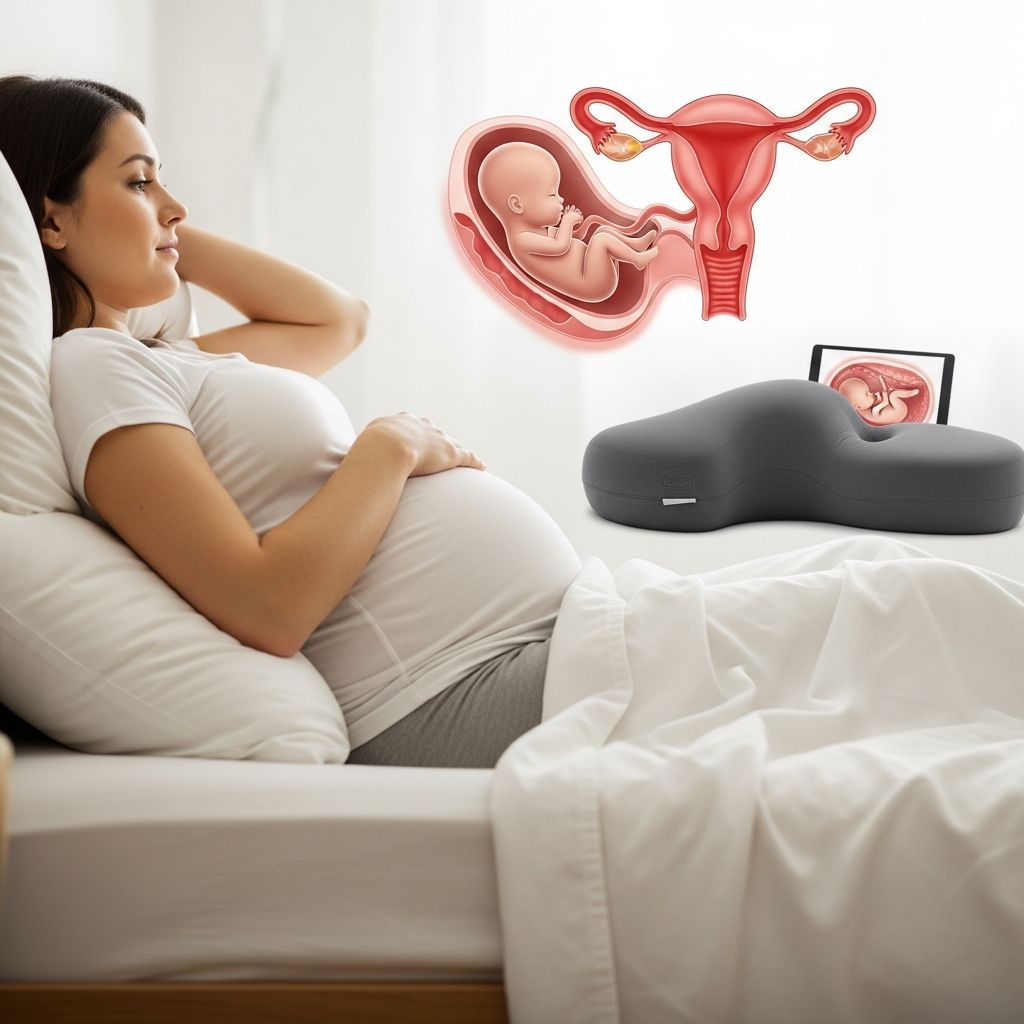
Pregnancy transforms your body in profound ways, and abdominal sensations are among the most common experiences expectant mothers encounter. From the earliest weeks through the final trimester, your expanding uterus, shifting organs, and hormonal changes create a range of physical sensations that can feel unfamiliar or concerning. However, understanding what constitutes normal pregnancy discomfort versus warning signs empowers you to navigate this transformative period with greater confidence and peace of mind. Many abdominal sensations during pregnancy are entirely benign and represent your body’s natural adaptation to supporting new life, while others may require prompt medical evaluation.
The Role of Hormonal Changes in Early Pregnancy Discomfort
During the first weeks and months of pregnancy, your body undergoes dramatic hormonal shifts that directly affect your gastrointestinal system and abdominal muscles. Rising progesterone levels relax the smooth muscle tissue throughout your digestive tract, which slows digestion and allows for better nutrient absorption—a beneficial adaptation for fetal development. However, this same relaxation effect can cause bloating, gas, constipation, and mild cramping sensations.
These early hormonal changes frequently create sensations similar to premenstrual symptoms, including mild bloating and tender abdominal tissue. Many women experience light cramping during the implantation phase, roughly one to two weeks after conception, as the embryo embeds itself into the uterine lining. These sensations are typically subtle and may be easily confused with approaching menstruation, though they represent a normal and positive sign of pregnancy establishment.
Common Sources of Normal Pregnancy Belly Discomfort
Ligament Stretching and Round Ligament Pain
As your baby develops and your uterus expands, the round ligaments—two cords of connective tissue positioned on either side of the womb that anchor it to your pelvis—stretch to accommodate growth. This stretching can trigger sharp, localized pain that often feels worse during movement, sudden position changes, or physical activity. Round ligament pain typically manifests as sharp sensations in the lower abdomen or groin area and most commonly appears during the second trimester, though some women experience it earlier in pregnancy.
The intensity and frequency of round ligament pain varies significantly among pregnant individuals. Some women describe it as a quick, shooting sensation that subsides within seconds or minutes, while others experience more persistent discomfort. This type of pain is not dangerous and typically resolves with rest, gentle movement, warm compresses, or adjusting your position to reduce strain on the ligaments.
Constipation and Digestive Challenges
Pregnancy-related constipation represents one of the most frequently encountered digestive complaints among expectant mothers. The combination of slowed intestinal motility from progesterone, increased pressure on the digestive tract from your enlarging uterus, and iron supplementation (commonly recommended during pregnancy) creates the perfect environment for constipation and related abdominal discomfort.
Beyond constipation, bloating and trapped gas can cause significant abdominal discomfort during pregnancy. These sensations result from the same hormonal relaxation that slows your digestive system, allowing gas to accumulate and creating sensations of fullness or pressure in your abdomen. Staying well-hydrated, consuming adequate dietary fiber, and eating smaller, more frequent meals can substantially alleviate these digestive-related symptoms.
Heartburn and Reflux Issues
Heartburn and gastroesophageal reflux disease (GERD) affect up to 80 percent of pregnant individuals at some point during their pregnancy. This remarkably high prevalence occurs because two simultaneous factors create ideal conditions for acid reflux: the hormonal relaxation of the sphincter between your esophagus and stomach, combined with the physical pressure your expanding uterus exerts on your stomach. While heartburn typically causes chest or upper abdominal discomfort rather than lower abdominal pain, understanding this common condition helps you manage pregnancy-related digestive changes comprehensively.
Braxton Hicks Contractions: Practice Contractions Explained
Beginning in early pregnancy but most commonly experienced during the second and third trimesters, Braxton Hicks contractions represent your uterine muscles practicing for labor. These contractions feel like tightening sensations across your abdomen and occur irregularly, typically more than ten minutes apart. Braxton Hicks contractions are usually uncomfortable rather than truly painful and last only briefly before subsiding.
These practice contractions serve an important physiological purpose and are entirely normal. However, if your contractions become regular, increase in intensity, or occur more frequently than every five to ten minutes, particularly if accompanied by vaginal bleeding, severe pain, or other concerning symptoms, contact your healthcare provider immediately as these signs may indicate early labor or other complications requiring medical attention.
Distinguishing Normal Discomfort From Warning Signs
Physical Characteristics of Concerning Pain
While much abdominal discomfort during pregnancy is benign, certain characteristics suggest you should seek immediate medical evaluation. Pain that is localized to one specific area, begins suddenly without apparent cause, remains constant rather than intermittent, or is severe enough to limit your activities warrants prompt professional assessment.
Additionally, abdominal pain accompanied by nausea and vomiting that extends beyond the first trimester (approximately 20 weeks), along with fever or diarrhea, may indicate a condition requiring medical intervention rather than normal pregnancy-related discomfort. Similarly, persistent abdominal pain that does not improve after thirty to sixty minutes of rest suggests the need for professional evaluation.
Red Flag Symptoms Requiring Immediate Contact
Contact your maternity unit or healthcare provider immediately if you experience any of the following symptoms alongside abdominal pain:
- Vaginal bleeding or spotting at any point during pregnancy
- Regular cramping or tightening sensations that become progressively stronger
- Lower back pain, particularly if accompanied by other symptoms
- Unusual vaginal discharge or fluid leaking from your vagina
- Pain or burning sensation during urination
- Cloudy, pink, red, or brown-colored urine
- Severe abdominal pain that doesn’t resolve with rest
Serious Pregnancy Conditions Associated With Abdominal Pain
Ectopic Pregnancy
An ectopic pregnancy occurs when a fertilized embryo implants outside the uterus, most commonly in a fallopian tube. Since fetal tissue cannot develop normally outside the uterine environment, ectopic pregnancies are not viable and require medical removal to protect the pregnant person’s health and life. Symptoms typically appear between four and twelve weeks of pregnancy and include abdominal pain combined with vaginal bleeding, pain at the tip of the shoulder, and discomfort during bowel movements or urination.
The shoulder pain associated with ectopic pregnancy, caused by internal bleeding irritating the diaphragm, represents a particularly distinctive warning sign. If you suspect an ectopic pregnancy, seek immediate emergency care, as this condition can become life-threatening if not promptly addressed.
Miscarriage Indicators
Although experiencing abdominal pain does not necessarily indicate a miscarriage is occurring, severe cramping accompanied by other symptoms warrants urgent evaluation. The most common miscarriage indicator is vaginal bleeding, though not all bleeding during pregnancy indicates pregnancy loss.
Additional symptoms suggestive of miscarriage include severe cramping and lower abdominal pain resembling menstrual cramps, vaginal discharge of fluid, tissue discharge from the vagina (which may appear as a blood clot), and the sudden cessation of pregnancy symptoms such as nausea and breast tenderness. If you experience these symptoms, contact your healthcare provider or midwife immediately for proper evaluation and support.
Preeclampsia and Upper Abdominal Pain
Preeclampsia is a serious pregnancy complication typically developing after twenty weeks of gestation, characterized by high blood pressure and protein in the urine. Upper abdominal pain, particularly on the right side just beneath the ribs, can signal preeclampsia development.
Additional preeclampsia symptoms include severe headaches that don’t respond to typical pain relief, vision problems such as blurring or flashing lights, vomiting, and sudden swelling of the face, hands, and feet. If you experience these symptoms, seek immediate medical attention. Your healthcare provider monitors for preeclampsia through routine blood pressure checks and urine analysis during prenatal appointments.
Placental Abruption
Placental abruption occurs when the placenta separates from the uterine wall before delivery, potentially depriving the fetus of oxygen and nutrients. While more common in the second half of pregnancy, this serious condition can develop at any gestational stage. Symptoms include severe abdominal cramps with or without vaginal bleeding lasting several hours, vaginal bleeding, contractions, and lower back pain.
Placental abruption represents a medical emergency. If you suspect this condition, contact your midwife or maternity unit immediately, or call emergency services if experiencing severe bleeding or pain that makes you feel very unwell.
Urinary Tract Infections and Kidney Issues
During pregnancy, structural and hormonal changes increase susceptibility to urinary tract infections (UTIs) and kidney infections, both capable of causing lower abdominal or back pain. If you experience lower abdominal or dull back pain accompanied by painful or burning urination, unusually frequent urination, cloudy or discolored urine with a strong odor, or sudden urinary urgency, contact your healthcare provider.
Untreated UTIs during pregnancy can ascend to the kidneys, creating more serious infections that may impact fetal health. Prompt treatment with pregnancy-safe antibiotics typically resolves these infections effectively.
When to Contact Your Healthcare Provider
Understanding the appropriate time to seek medical evaluation helps ensure your pregnancy receives proper monitoring while avoiding unnecessary anxiety over common, benign sensations. Contact your doctor or midwife if you experience concerning symptoms such as inability to keep down fluids (especially water), persistent or worsening gastrointestinal symptoms, vaginal or rectal bleeding, bloody stools, abdominal pain or cramping beyond normal sensations, dizziness or lightheadedness, or dark urine or decreased urination.
For less urgent concerns, contact your healthcare provider during regular business hours. For potentially serious symptoms occurring outside regular hours, use your healthcare system’s nurse hotline or urgent care facilities. For life-threatening emergencies, such as severe bleeding, severe pain, difficulty breathing, or chest pain, call emergency services immediately.
Frequently Asked Questions About Pregnancy Abdominal Pain
Q: Is mild cramping in the first week of pregnancy normal?
A: Yes, mild cramping during implantation (one to two weeks after conception) is a normal part of early pregnancy as the embryo embeds in the uterine lining. However, if cramping is severe or accompanied by heavy bleeding, seek medical evaluation.
Q: How can I distinguish between round ligament pain and something more serious?
A: Round ligament pain is typically sharp, localized to the sides of your lower abdomen, worse with movement, and subsides with rest. Serious pain is usually constant, severe, or accompanied by bleeding, fever, or other concerning symptoms. When uncertain, contact your healthcare provider.
Q: Is nausea and vomiting throughout pregnancy normal?
A: Up to 80 percent of pregnant women experience nausea and vomiting, particularly in the first trimester. However, if nausea and vomiting persist past twenty weeks and include severe symptoms, abdominal pain, fever, or diarrhea, contact your healthcare provider.
Q: What should I do if I can’t reach my regular doctor?
A: Call your maternity unit directly, use your healthcare system’s nurse hotline, or visit an urgent care facility. For emergencies, call 911 or your local emergency number immediately.
Q: Can I safely manage pregnancy heartburn and bloating at home?
A: Yes, eating smaller meals, staying hydrated, consuming adequate fiber, and avoiding trigger foods can alleviate heartburn and bloating. Discuss medication options with your healthcare provider if home remedies prove insufficient.
References
- Abdominal Pain in Early Pregnancy — Agency for Healthcare Research and Quality (AHRQ), PSNet. Accessed January 2026. https://psnet.ahrq.gov/web-mm/abdominal-pain-early-pregnancy
- Stomach Pain in Pregnancy — National Health Service (NHS). 2025. https://www.nhs.uk/pregnancy/common-symptoms/stomach-pain/
- 5 Common Pregnancy-Related GI Issues and When to Call the Doctor — UT Southwestern Medical Center. 2024. https://utswmed.org/medblog/5-common-pregnancy-related-gi-issues-and-when-call-doctor/
- Stomach (Abdominal) Pain or Cramps in Pregnancy — Tommy’s (UK Pregnancy Charity). 2025. https://www.tommys.org/pregnancy-information/pregnancy-symptom-checker/stomach-abdominal-pain-or-cramps-pregnancy
- How Does a 1 Week Pregnant Stomach Feel? — Dr. Joseph Roofeh, MD. 2024. https://josephroofehmd.com/how-does-a-1-week-pregnant-stomach-feel/
- Signs and Symptoms of Urgent Maternal Warning Signs — Centers for Disease Control and Prevention (CDC). 2025. https://www.cdc.gov/hearher/maternal-warning-signs/index.html