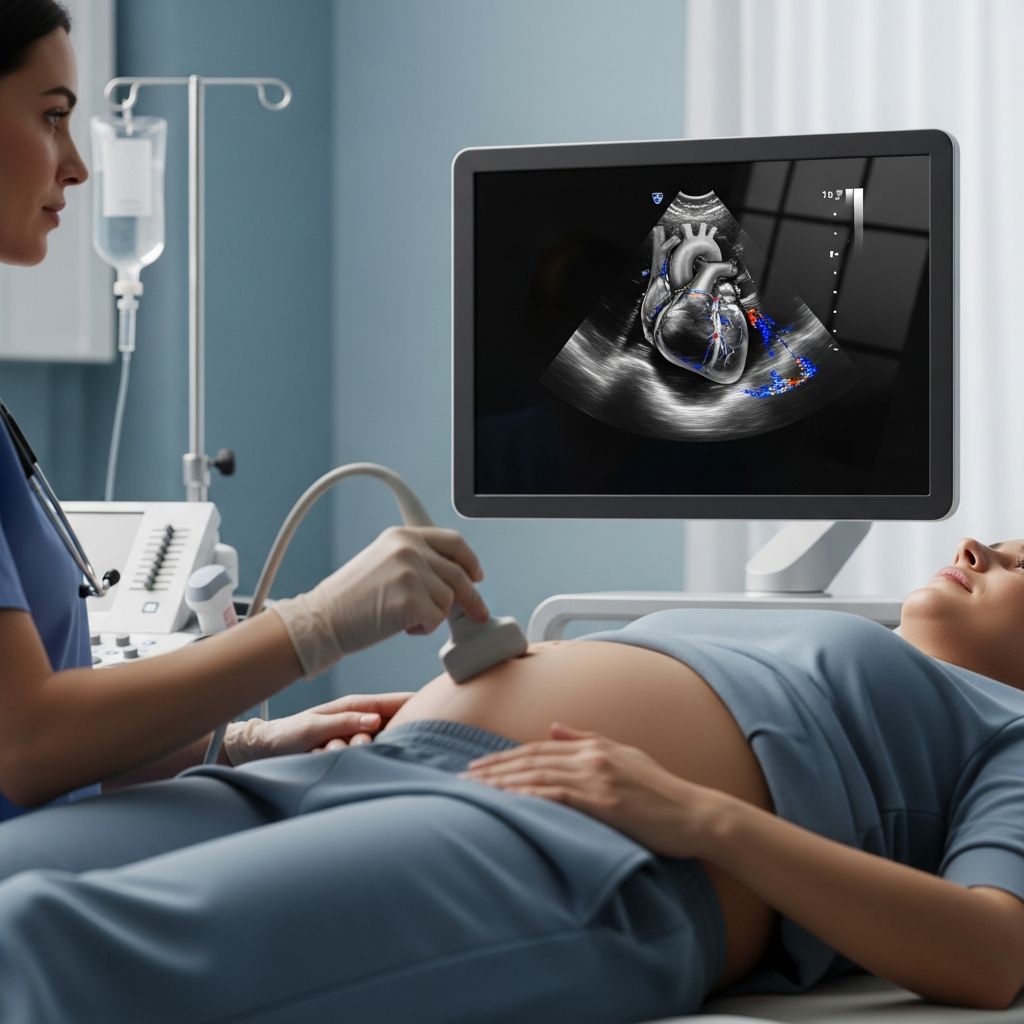
Foundation for a Healthy Pregnancy: Understanding Preconception Health
The months leading up to conception represent a critical window of opportunity to optimize your physical and mental health. While many people focus their attention on prenatal care after a positive pregnancy test, the preconception period—ideally three to six months before attempting to conceive—offers a valuable chance to address underlying health concerns, establish beneficial lifestyle habits, and ensure your body is in the best possible condition to support a developing fetus. Medical professionals increasingly recognize that proactive preconception planning significantly improves pregnancy outcomes and reduces the risk of complications.
This comprehensive preparation involves multiple interconnected dimensions of health, from managing chronic conditions to optimizing nutrition and eliminating harmful substances. The groundwork you lay during this period directly influences not only your ability to conceive but also the health trajectory of your future pregnancy and your child’s long-term wellbeing.
Establishing a Foundation with Medical Evaluation
The cornerstone of preconception planning is scheduling a dedicated appointment with your obstetrician-gynecologist or primary care physician. This visit differs from routine checkups in that it specifically focuses on assessing your readiness for pregnancy and identifying any potential obstacles. During this comprehensive evaluation, your healthcare provider will examine your medical and family history, review any current medications or supplements, and discuss your lifestyle factors in detail.
Medical screening during this phase typically includes several important assessments designed to catch conditions that could complicate pregnancy. A blood pressure check helps identify hypertension, which can increase risks of preeclampsia and gestational complications. Thyroid function tests are essential because thyroid disorders can affect fertility and pregnancy outcomes. Blood sugar screening or hemoglobin A1C testing identifies diabetes or prediabetes, conditions requiring careful management during pregnancy.
Your provider may also recommend sexually transmitted infection testing, as certain infections require treatment before conception. A Pap smear should be current, ensuring cervical health is not a concern. Additionally, genetic carrier screening—a simple blood or saliva test—can reveal whether you carry genes for inherited conditions such as cystic fibrosis or Tay-Sachs disease, allowing you to make informed reproductive decisions.
This medical foundation-building also includes discussion about any previous pregnancies, miscarriages, or complications that might inform your current planning. Your provider can address concerns, answer questions, and create a personalized preconception plan aligned with your specific health profile.
Vaccination Status and Disease Prevention
Protecting yourself through appropriate vaccinations is a crucial but sometimes overlooked aspect of preconception preparation. Certain vaccines must be administered before pregnancy because they contain live vaccines that are not recommended during gestation.
The measles-mumps-rubella (MMR) vaccine should be given at least one month before conception if you lack immunity. Rubella infection during pregnancy poses serious risks to fetal development, including birth defects and miscarriage. Similarly, the varicella (chickenpox) vaccine requires administration prior to conception if you are not already immune, as chickenpox infection during pregnancy can harm the developing fetus.
Other vaccines are safe and recommended during pregnancy itself. The tetanus-diphtheria-pertussis (Tdap) vaccine can be given during pregnancy to protect the newborn from pertussis during vulnerable early months. Annual influenza vaccination is recommended before and during pregnancy to protect both mother and baby from seasonal flu complications. The COVID-19 vaccine is safe and recommended for pregnant individuals to reduce the risk of severe illness. Newer recommendations include respiratory syncytial virus (RSV) vaccination during weeks 32 through 36 of pregnancy, offering the newborn protection during their most vulnerable months.
Many of these vaccinations can be conveniently administered by healthcare providers at local pharmacies or primary care offices, making it accessible to incorporate this important protective step into your preconception timeline.
Nutritional Optimization: Fueling Fertility and Fetal Development
Nutrition during the preconception period directly influences your fertility, hormonal balance, and your ability to support early fetal development. Rather than waiting until pregnancy to adjust your diet, establishing healthy eating patterns now creates a stronger biological foundation for conception and early pregnancy.
A well-balanced preconception diet should emphasize whole foods rich in essential micronutrients. Iron-rich foods such as spinach, lean meats, and beans support reproductive health and counteract the increased blood volume demands of pregnancy. Calcium sources including dairy products, fortified plant-based milks, and leafy greens prepare your skeletal system and support fetal bone development. Omega-3 fatty acids from fatty fish such as salmon (choosing low-mercury varieties), chia seeds, and walnuts support hormonal function and fetal brain development.
Consuming abundant fruits and vegetables, whole grains, and lean proteins creates a nutrient-dense foundation. Simultaneously, reducing processed foods, excess sugar, and empty-calorie snacks helps stabilize blood sugar levels, reduce inflammation, and optimize hormone balance. Caffeine intake should be limited to no more than 200 milligrams daily—approximately one cup of coffee—as excessive caffeine has been associated with decreased fertility in some studies.
Proper hydration is equally important. Aiming for eight to ten glasses of water daily supports metabolic function, aids nutrient absorption, and prepares your body for the increased fluid demands of pregnancy. Your partner can support this nutritional transition by joining you in dietary improvements, creating a household environment that reinforces healthy eating patterns.
Essential Supplement Strategy: Beyond Basic Nutrition
While a balanced diet provides many necessary nutrients, certain supplements are specifically recommended during the preconception period to address nutritional gaps and reduce specific birth defect risks.
Folic acid supplementation stands as the most critical preconception supplement. This B vitamin plays a foundational role in early fetal development, particularly in the formation of the neural tube—the structure that develops into the brain and spinal cord. Taking 400 micrograms (0.4 milligrams) daily can reduce the risk of serious birth defects such as spina bifida and anencephaly by up to 70 percent. Because neural tube defects occur very early in pregnancy—often before a woman realizes she is pregnant—beginning folic acid supplementation at least one month before attempting conception is crucial.
Many fertility experts recommend starting a prenatal vitamin containing folic acid (typically 800 micrograms to 1 milligram) at least two to three months before attempting conception. Beyond folic acid, quality prenatal vitamins contain calcium for bone and tooth development, iron to prevent anemia during the increased blood volume of pregnancy, and various other essential nutrients.
Some individuals may require additional supplementation. Your healthcare provider might recommend vitamin D supplementation if you have insufficient levels, iodine if you lack adequate dietary sources, or other targeted nutrients based on your individual assessment. Discussing your specific supplement needs with your provider ensures you are taking appropriate amounts without exceeding safe upper limits.
Achieving and Maintaining Optimal Body Weight
Body weight significantly influences fertility and pregnancy outcomes, making weight optimization an important preconception consideration. Both being significantly underweight and overweight can interfere with conception and increase pregnancy complications.
Excessive weight gain can predispose pregnancies to gestational diabetes, high blood pressure, and delivery complications. Being seriously underweight may make conception more difficult, as insufficient body fat can disrupt hormonal signaling necessary for ovulation and regular menstrual cycles. Additionally, both extremes of weight can increase the risk of certain birth defects such as cleft palate.
Rather than pursuing extreme or rapid weight loss, focus on gradual, sustainable changes toward your ideal weight range. Working with your healthcare provider to establish realistic weight goals specific to your body composition and health profile is more effective than following generic weight targets. Even modest weight changes—a five to ten percent reduction from current weight—can significantly improve fertility outcomes and reduce pregnancy complications.
Achieving healthy weight involves both dietary adjustments and regular physical activity. This process is ideally undertaken gradually over several months rather than rushed, allowing your body to adapt and ensuring changes are sustainable long-term.
Lifestyle Modifications: Eliminating Substances That Harm Fertility and Pregnancy
Certain lifestyle habits directly compromise fertility and increase risks of serious pregnancy complications, making elimination of these substances a non-negotiable aspect of preconception preparation.
Smoking and Secondhand Smoke Exposure
Tobacco smoke contains over 7,000 chemicals, hundreds of which are toxic and approximately 70 of which are known carcinogens. Smoking reduces fertility by damaging egg quality and decreasing sperm motility. Even after quitting smoking, your body requires time to eliminate stored toxins, as some substances are retained in fatty tissues and take longer to clear from the system.
The consequences of continued smoking during pregnancy include increased miscarriage risk, preterm birth, low birth weight, and sudden infant death syndrome (SIDS). Secondhand smoke exposure carries similar risks and should be avoided when possible. If quitting feels overwhelming, numerous evidence-based resources exist, including nicotine replacement therapies, prescription medications, and counseling services.
Alcohol Consumption
Alcohol use during pregnancy can cause fetal alcohol spectrum disorders, permanent conditions characterized by physical and intellectual disabilities. Because pregnancy may not be recognized immediately—particularly if conception occurs unexpectedly—the safest approach is to eliminate alcohol consumption entirely when attempting to conceive. This eliminates the risk of inadvertent exposure during the critical early weeks of fetal development before pregnancy testing confirms conception.
Recreational Drugs
Recreational drugs including cannabis, cocaine, methamphetamine, and opioids significantly increase risks of miscarriage, preterm birth, low birth weight, and other serious complications. These substances can also impair fertility and affect long-term child development. If you struggle with substance use, professional resources and treatment options are available to support your journey toward conception.
Physical Activity and Exercise: Building Fitness for Pregnancy
Regular physical activity during the preconception period offers multiple benefits: it helps achieve healthy weight, improves cardiovascular fitness, enhances mental health, and prepares your body for the physical demands of pregnancy and childbirth. Exercise also improves insulin sensitivity, reducing the risk of gestational diabetes.
Aim for at least 150 minutes of moderate-intensity aerobic activity weekly, such as brisk walking, swimming, or cycling. Include strength training exercises two or more days weekly to build muscle and bone density. However, if you have been sedentary or have any health conditions, consult your healthcare provider before beginning a new exercise program to ensure the selected activities are appropriate for your individual circumstances.
The preconception period is an excellent time to establish exercise habits that will continue throughout pregnancy and postpartum recovery, creating lasting health improvements beyond conception planning.
Oral Health: A Component of Overall Preconception Wellness
Dental health often receives less attention in preconception planning, yet oral health significantly impacts pregnancy outcomes. Poor oral hygiene and untreated dental disease increase the risk of complications including preterm birth and low birth weight.
Before conception, schedule a dental checkup to identify and address any issues such as cavities, gum disease, or infections. Establishing consistent brushing and flossing habits reduces the bacterial load in your mouth, preventing bacteria that could be transmitted to your baby later. Routine dental care is safe during pregnancy, but addressing dental needs before conception is ideal, allowing you to receive any necessary treatments without concern.
Mental Health and Emotional Readiness
Preconception planning encompasses not only physical health but also psychological and emotional readiness for pregnancy and parenthood. Mental health conditions such as depression and anxiety affect both fertility and pregnancy outcomes, making mental health assessment an important component of preconception evaluation.
During your preconception medical visit, discuss any history of mental health concerns with your healthcare provider. If you are currently taking psychiatric medications, your provider can review whether adjustments are necessary during pregnancy planning. Many psychiatric medications are safe during pregnancy, but your provider can offer personalized guidance. Additionally, consider exploring mental health support through therapy, counseling, or support groups as you prepare emotionally for this significant life transition.
Comparison of Key Preconception Priorities
| Preconception Area | Key Actions | Timeline |
|---|---|---|
| Medical Screening | Schedule ob/gyn visit, blood pressure check, thyroid tests, diabetes screening, STI testing | 3-6 months before conception |
| Vaccinations | MMR, Varicella, Tdap, flu shot, COVID-19, RSV (if applicable) | 1-2 months before conception (live vaccines) |
| Folic Acid | Begin 400 mcg daily (or prenatal vitamin with 800 mcg-1 mg) | At least 1 month before conception |
| Substance Elimination | Stop smoking, alcohol, recreational drugs | Immediately and continuously |
| Weight Optimization | Achieve healthy BMI through diet and exercise | 3-6 months before conception |
| Dental Care | Schedule checkup, treat cavities/disease | 2-3 months before conception |
Frequently Asked Questions About Preconception Preparation
How far in advance should I start preconception planning?
Ideally, begin preconception planning three to six months before attempting conception. This timeline allows sufficient duration to address medical conditions, establish healthy habits, achieve weight goals, and ensure folic acid supplementation has been in place for the critical early weeks when birth defects can develop.
Is folic acid supplementation necessary if I eat a healthy diet?
While a healthy diet contributes to overall folic acid intake, supplementation is still recommended. Supplements provide consistent, measurable amounts that reliably reduce neural tube defect risk. Food-based folic acid is less reliably absorbed and processed than synthetic folic acid supplements, making supplementation the most reliable approach to ensure adequate levels during the critical early pregnancy period.
Can I continue my current medications during preconception planning?
This depends on the specific medication. Some medications are safe during pregnancy, while others require adjustment or discontinuation. Discuss all current medications and supplements with your healthcare provider during your preconception visit, as they can provide personalized guidance based on your health conditions and pregnancy plans.
What if I have a chronic health condition like diabetes or high blood pressure?
Having a chronic condition does not preclude pregnancy, but preconception management is crucial. Working with your healthcare provider to optimize control of these conditions before conception significantly reduces pregnancy risks and improves outcomes for both mother and baby.
Is genetic testing recommended for everyone during preconception planning?
The American College of Obstetricians and Gynecologists recommends genetic carrier screening for anyone considering pregnancy, regardless of family history or health status. This simple blood or saliva test can identify whether you carry genes for inherited conditions, allowing informed decision-making about conception and pregnancy planning.
What role should my partner play in preconception preparation?
Partners play an important supportive role by adopting healthy lifestyle habits alongside the person planning pregnancy. This includes eliminating smoking and excessive alcohol, maintaining healthy weight, eating a nutritious diet, and exercising regularly. These habits improve overall health and support sperm health if male partners are involved.
Creating Your Personalized Preconception Timeline
While this comprehensive guide outlines essential preconception steps, your individual needs may differ based on your medical history, current health status, and specific circumstances. Work collaboratively with your healthcare provider to create a personalized preconception plan addressing your unique situation.
Begin by scheduling your preconception medical visit—this foundational appointment informs all subsequent planning. From this consultation, prioritize the recommendations most relevant to your individual health profile. Some people may need only minor adjustments, while others require more extensive management of existing conditions.
The preconception period represents an investment in your health and your future child’s wellbeing. The efforts you undertake during these months create positive ripple effects throughout pregnancy, childbirth, and your child’s lifelong health trajectory. By addressing health concerns, eliminating harmful substances, optimizing nutrition, and establishing healthy habits now, you maximize your fertility and set the stage for the healthiest possible pregnancy and baby.
References
- Check Your Pre-Pregnancy Checklist — Kelsey-Seybold Clinic. 2018-03-14. https://www.kelsey-seybold.com/your-health-resources/blog/check-your-pre-pregnancy-checklist
- Pre-Pregnancy Checklist: Planning for a Baby — UT Southwestern Medical Center. https://utswmed.org/conditions-treatments/planning-for-a-baby-obstetrics/pre-pregnancy-checklist/
- Preconception Checklist — St. Louis Children’s Hospital. https://www.stlouischildrens.org/conditions-treatments/women-infants-center/newborn-medicine/planning-family/preconception-checklist
- Your Pregnancy Preparation List — CU Medicine OB-GYN East Denver. https://eastdenver.coloradowomenshealth.com/blog/your-pregnancy-preparation-list
- Planning for Pregnancy — Centers for Disease Control and Prevention (CDC). https://www.cdc.gov/pregnancy/about/index.html