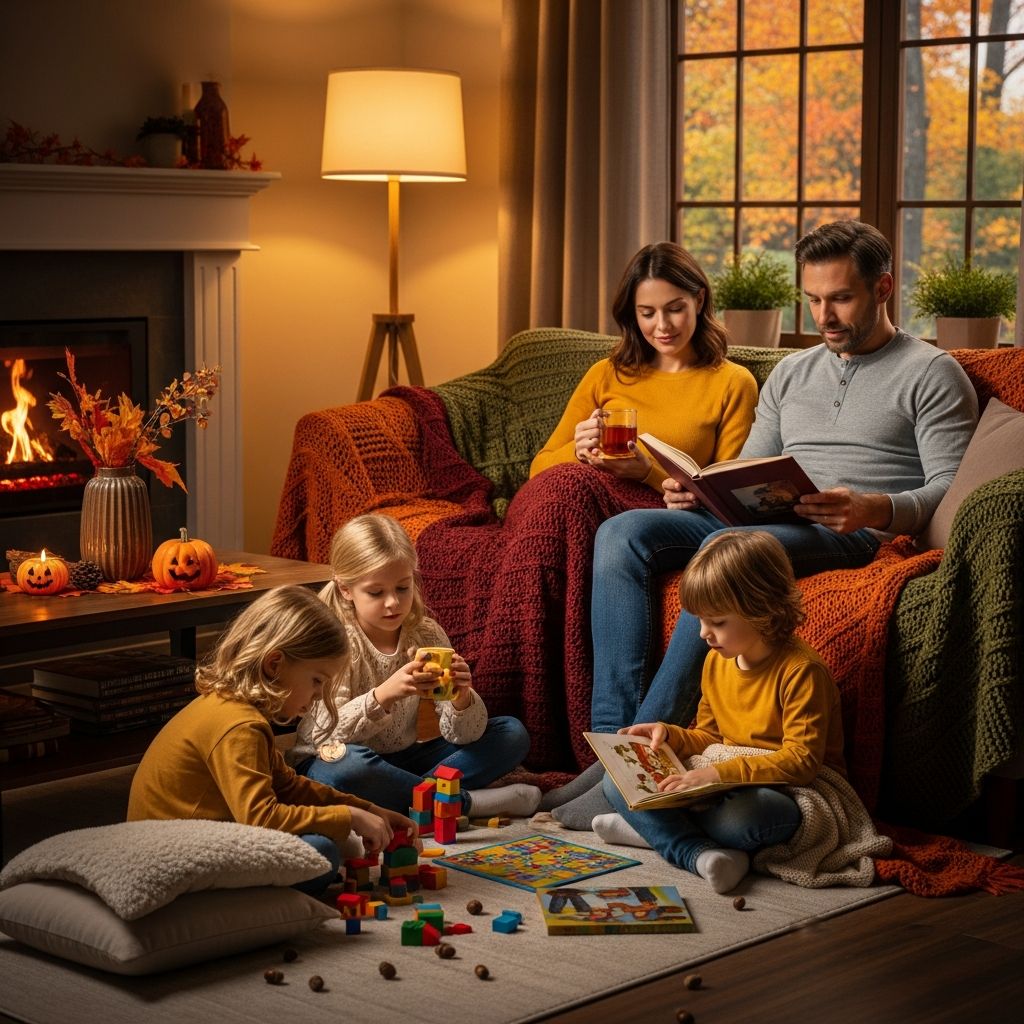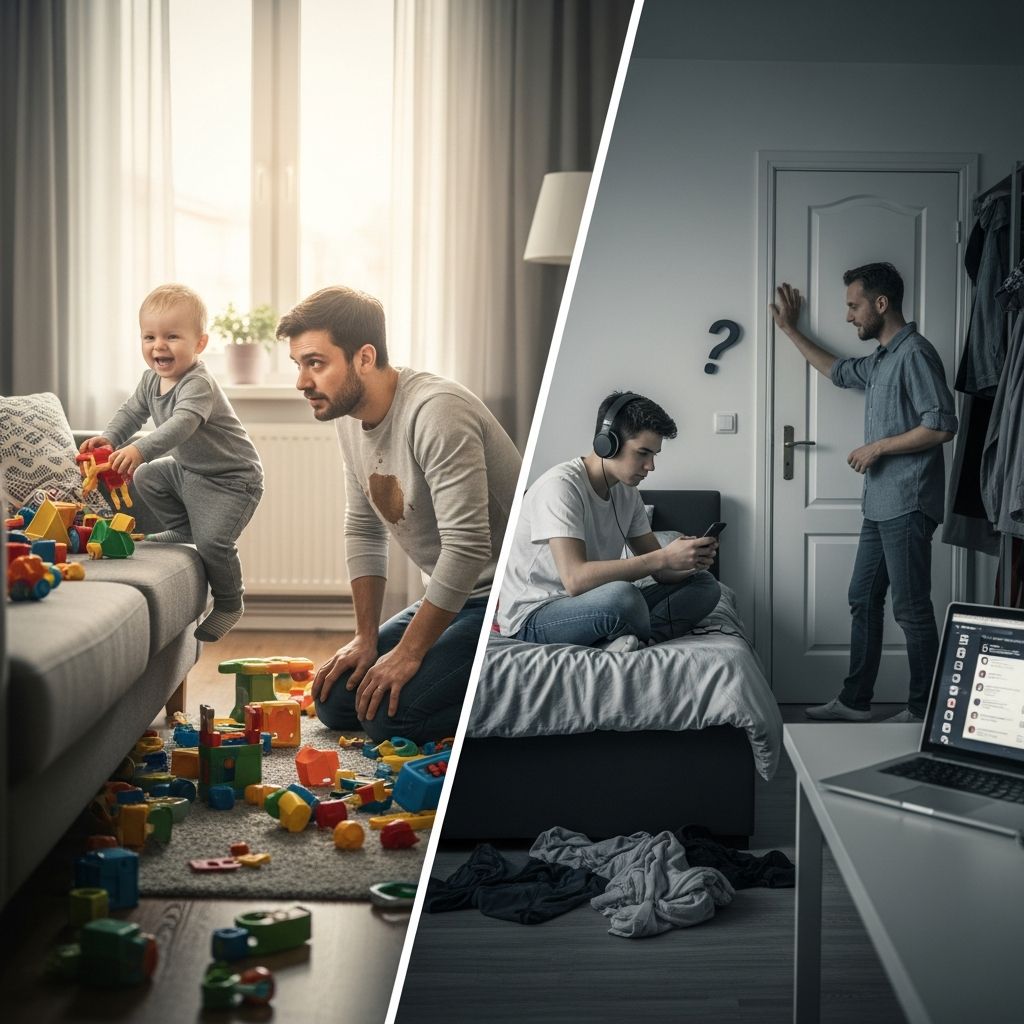
Keeping a home organized amid family routines can feel daunting, but targeted approaches make it achievable. These strategies emphasize starting small, grouping essentials, and using everyday items for storage to foster a serene environment.
Building a Foundation: The Core Principles of Effective Organizing
Successful organization begins with a systematic mindset rather than elaborate purchases. Focus on visibility and accessibility to maintain habits long-term. By emptying spaces fully, you gain perspective on possessions, enabling smarter decisions about what stays.
Divide overwhelming areas into manageable zones, such as tackling a single shelf before an entire closet. This prevents burnout and builds momentum. Grouping similar objects reveals duplicates, streamlining inventory and reducing visual chaos.
- Empty the area completely to assess contents objectively.
- Sort into categories like daily-use, seasonal, or discard.
- Prioritize function over aesthetics initially.
Decluttering Essentials: Sorting and Streamlining Possessions
Decluttering is the gateway to organization. Start by discarding trash immediately, then create three piles: retain, donate, and dispose. Assign a designated spot for keepers to avoid reshuffling.
For family homes, involve everyone in the process to encourage ownership. Set timers for 15-minute sessions to keep it light. Question each item’s utility: Has it been used recently? Does it spark joy or serve a purpose?
| Category | Keep Criteria | Let Go If |
|---|---|---|
| Kitchen Utensils | Used weekly | Duplicate or broken |
| Clothing | Fits and flatters | Outgrown or outdated |
| Toys | Played with monthly | Forgotten in a year |
This table guides quick decisions, saving time during sorts.
Kitchen Mastery: Optimizing Cooking and Meal Prep Zones
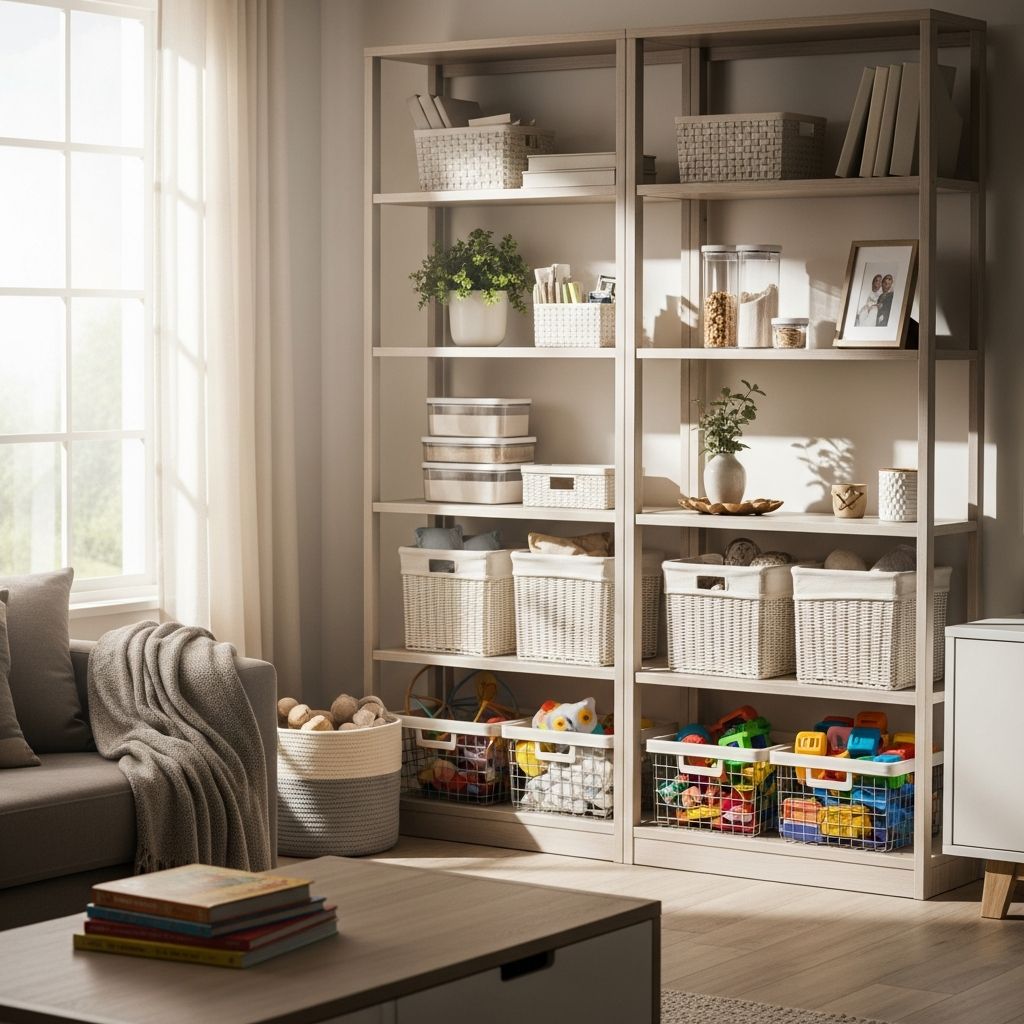
The kitchen demands efficiency due to frequent use. Vertical storage maximizes space: install tension rods for stacking towels or wraps, preventing drawer clutter. Under-sink rolling caddies with dividers access cleaners effortlessly, turning dead space into functional areas.
Pan racks prevent stacking mishaps, keeping cabinets tidy. Clear, uniform containers for pantry staples allow stacking and quick inventory checks, ideal for meal planning. Label bins for shared family use, specifying contents like ‘snacks’ or ‘baking essentials.’
- Use drawer dividers for utensils to grab-and-go.
- Group spices alphabetically in a pull-out drawer.
- Baskets for produce on counters reduce fridge overload.
Bedroom Bliss: Creating Restful, Clutter-Free Retreats
Bedrooms thrive on minimalism for better sleep. Hooks surpass hangers for quick jacket drops, especially near entryways or closets. Under-bed rolling bins store off-season clothes, maintaining floor space.
Nightstands benefit from small trays corralling chargers and remotes. A stair basket collects upstairs items, processed during ascents to avoid pile-ups. Fold blankets into couch-side baskets for cozy access without sprawl.
Bathroom Efficiency: Streamlining Daily Routines
Bathrooms accumulate fastest with toiletries. Binder rings bundle hair ties, freeing drawers. Over-door pockets hold accessories, utilizing vertical space behind doors.
Stackable shower caddies organize products by user, preventing mix-ups in family baths. Magnetic strips inside cabinets secure metals like tweezers, saving counter real estate.
- Tiered trays for skincare elevate visibility.
- Clear jars for cotton balls and swabs.
- Hooks for towels reduce floor dampness.
Family Command Centers: Managing Schedules and Essentials
Designate a hub for keys, mail, and calendars using wall-mounted pockets or hooks. Odd-number groupings of bins add visual appeal while categorizing school papers, bills, and invites.
Color-coding by family member—ROYGBIV for folders—speeds retrieval. A weekly ‘put-away’ basket at stairs integrates chores into routines.
Playroom and Craft Zones: Containing Creativity
Children’s areas need flexible containment. Bins by toy type (blocks, dolls) with picture labels aid tidying. Stackable LEGO containers prevent scatter.
Sporting gear racks near doors ease transitions. Art supplies in divided trays with lids curb mess during projects.
Sustaining Organization: Habits for Long-Term Success
Maintenance trumps initial setups. Daily 5-minute resets, like clearing counters, prevent buildup. Weekly family audits reinforce rules: one-in, one-out for toys.
Adapt as needs evolve; reassess seasonally. Hooks and open shelving encourage immediate returns.
Frequently Asked Questions
How do I start organizing a messy home?
Pick one small area, like a drawer, empty it, sort ruthlessly, and assign homes for keepers. Build from there.
What’s the best way to organize a small kitchen?
Prioritize vertical and rolling storage: tension rods, racks, and caddies maximize every inch.
How can families maintain organization?
Use baskets for transitions, involve kids in routines, and schedule quick daily resets.
Do I need to buy expensive organizers?
No—repurpose boxes, jars, and hooks first for cost-effective, creative solutions.
How often should I declutter?
Daily micro-sorts, weekly deep cleans, and seasonal overhauls keep clutter at bay.
References
- How to Organize Every Space in Your House — Just a Girl and Her Blog. 2023-05-15. https://justagirlandherblog.com/how-to-organize-every-space-in-your-house/
- 8 Easy Ways to Start Decluttering Your Home — AARP. 2024-02-10. https://www.aarp.org/home-living/simple-decluttering-and-organization-tips/
- 20 Home Organization Ideas For A Clutter-Free Home — Driven by Decor. 2023-11-20. https://www.drivenbydecor.com/home-organization-ideas/
- Clever Home Organizing Tips for Every Room — Good Housekeeping. 2024-08-05. https://www.goodhousekeeping.com/home/g69585634/clever-home-organizing-tips-every-room/
- The Lazy Girl’s Guide to Home Organization — YouTube (Clutterbug). 2023-07-12. https://www.youtube.com/watch?v=kJLrmdJqJ9w
- 20 FIVE-MINUTE HACKS for an Organized and Clutter-Free Home — YouTube (A to Zen Life). 2024-03-18. https://www.youtube.com/watch?v=pT-0xKFYCbg