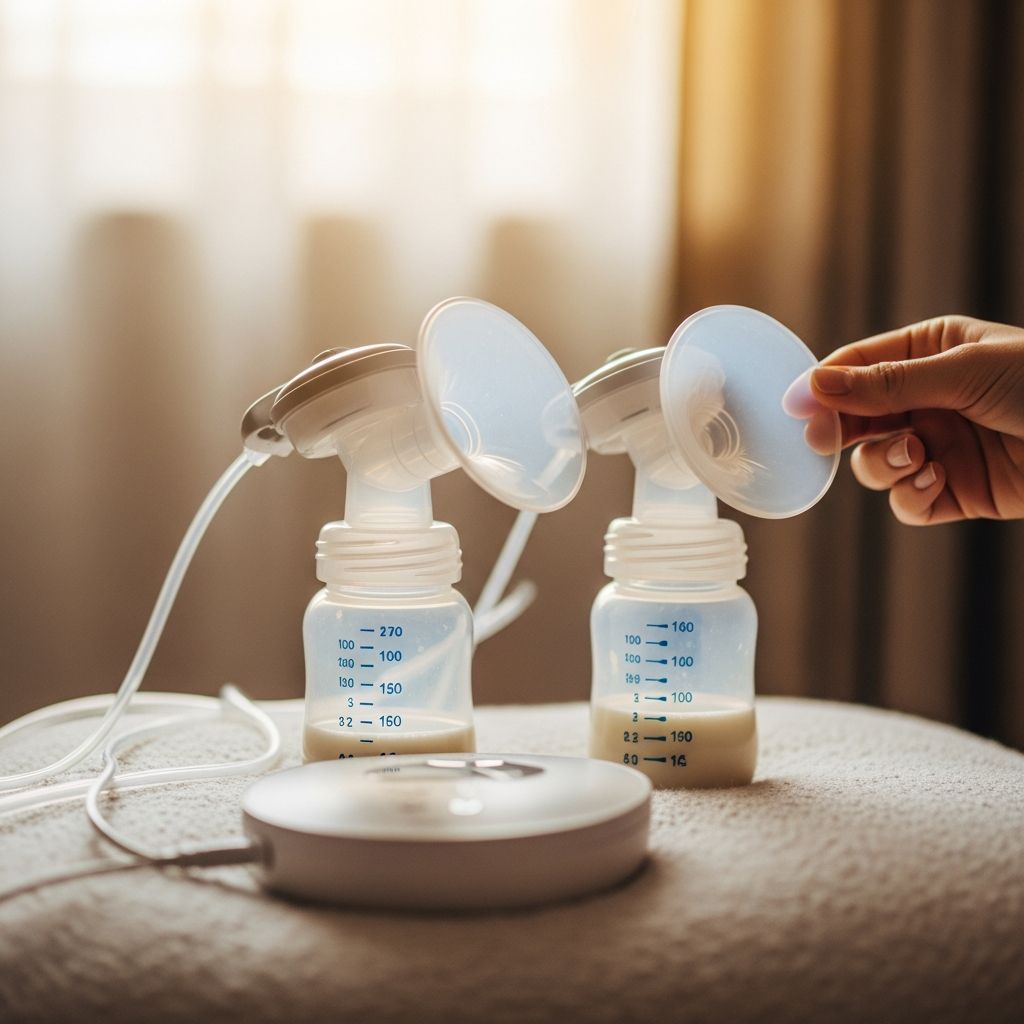
Many new mothers face challenges with milk supply during the early weeks of breastfeeding. Power pumping offers a practical solution by simulating a baby’s natural feeding patterns to signal the body to produce more milk. This method can lead to noticeable improvements in output within days when done correctly.
Understanding the Science Behind Power Pumping
Power pumping replicates **cluster feeding**, where infants nurse frequently in short bursts during growth spurts. This frequent stimulation triggers the release of **prolactin**, the hormone responsible for milk production, and **oxytocin**, which aids milk ejection or letdown.
By emptying the breasts repeatedly in a condensed timeframe, the body receives a strong demand signal, ramping up glandular activity in the mammary tissues. Research and lactation experts note that consistent application over 3-7 days often yields higher yields per session.
Essential Equipment for Successful Sessions
To maximize efficiency, invest in reliable tools:
- Double electric breast pump: Allows simultaneous expression from both sides, saving time and boosting prolactin response.
- Proper flanges: Ensure correct sizing to avoid discomfort and optimize milk flow.
- Lubricants or warming aids: Warm flanges and use lanolin to enhance letdown and comfort during extended pumping.
- Lactation massager: Helps drain milk ducts fully, preventing clogs.
Avoid manual pumps for primary use in power sessions due to fatigue, though they work in a pinch with adjusted protocols.
Step-by-Step Power Pumping Protocol
Replace one daily pumping session with a 60-minute power pump, ideally in the morning or evening when supply is highest. Follow this cycle:
- Pump for 20 minutes at comfortable suction.
- Rest 10 minutes (massage breasts, hydrate, or relax).
- Pump 10 minutes.
- Rest 10 minutes.
- Pump 10 minutes.
Total active pumping: 40 minutes. Continue your regular schedule otherwise.
| Time | Activity | Tips |
|---|---|---|
| 0-20 min | Pump both breasts | Increase suction gradually; aim for let-down. |
| 20-30 min | Rest | Drink water, gently massage breasts. |
| 30-40 min | Pump | Switch modes if available for variety. |
| 40-50 min | Rest | Stand and sway to encourage flow. |
| 50-60 min | Pump | Focus on highest comfortable setting. |
For single pumps, alternate sides every 10 minutes: left (10 min), right (10 min), repeat.
Customizing Your Routine for Best Results
Tailor the approach to your lifestyle:
- Frequency: Do it 1-2 times daily for 3-7 days. Some see gains in 4 days; persist if needed.
- Timing: Morning after baby’s first feed or evening before bedtime maximizes hormonal peaks.
- Suction levels: Use the highest tolerable without pain—discomfort reduces output.
- Combine with nursing: Nurse baby first, then power pump to fully empty breasts.
Track output daily to monitor progress. Expect richer hindmilk with sustained practice.
Proven Tips to Enhance Milk Flow
Boost effectiveness with these strategies:
- Hydration and nutrition: Aim for 100 oz water daily; include oats, fenugreek, or lactation cookies.
- Relaxation techniques: Listen to music, visualize nursing, or use skin-to-skin with baby post-session.
- Breast massage: Compress and stroke during rests to dislodge milk.
- Warm compresses: Apply before starting for quicker let-down.
- Skin-to-pump contact: Drape a baby’s blanket over the pump for oxytocin boost.
Power pumping alone isn’t a cure-all; pair with good latch and frequent feeds.
Potential Challenges and Solutions
Common hurdles include:
| Challenge | Solution |
|---|---|
| Sore nipples | Lower suction, use hydrogel pads, ensure flange fit. |
| Low output initially | Persist 3+ days; focus on demand, not volume. |
| Time constraints | Split into two 30-min sessions; hands-free pumps help. |
| Flangitis or clogs | Massage vigorously; consult IBCLC if persistent. |
Discontinue if pain worsens; seek professional help.
Realistic Expectations and Long-Term Benefits
Most mothers report 20-50% supply increase after a week, with sustained pumping yielding fatter milk. It builds resilience against dips from illness or return-to-work stress. Long-term, it supports exclusive breastfeeding goals, reducing reliance on formula.
Monitor baby’s wet diapers (6+/day) and weight gain as true success metrics.
When to Consult a Professional
Power pumping shines for exclusive pumpers or combo feeders, but red flags warrant expert input:
- No supply change after 7 days.
- Baby not gaining adequately.
- Pain, bleeding, or mastitis signs.
- Underlying issues like thyroid or PCOS.
Work with an **IBCLC** (International Board Certified Lactation Consultant) for personalized plans.
Frequently Asked Questions About Power Pumping
Is power pumping safe for newborns?
Yes, when added to regular feeds. It mimics natural behaviors and supports growth.
How long should I power pump?
3-7 days or until supply stabilizes. Avoid indefinite use to prevent oversupply.
Can I power pump at night?
Absolutely—prolactin peaks nocturnally. Evening sessions are ideal.
What if I only have a manual pump?
Alternate sides frequently, but upgrade to electric for sustainability.
Does it work for everyone?
Results vary; 70-80% see boosts, per anecdotal reports. Combine with other methods.
Integrating Power Pumping into Daily Life
Make it routine: Prep a pumping station with snacks, water, and entertainment. Hands-free options like wearable pumps allow multitasking. Share schedules with partners for support. Over time, this builds confidence and supply security.
Power pumping empowers mothers to meet their feeding goals. With patience and consistency, it transforms lactation journeys.
References
- Power Pumping: Boost Milk Supply Effectively — Perifit. 2023. https://perifit.co/blogs/breastfeeding/power-pumping
- How to Power Pump to Build Up Your Breast Milk Supply — Momcozy. 2024. https://momcozy.com/blogs/breastfeeding/how-to-power-pump
- Power Pumping — Balanced Breastfeeding Support. 2023. https://www.bfsuccess.com/breastfeeding-resources/breastfeeding-care-plans/power-pumping/
- Power Pumping: Does it Work? — Fed is Best Foundation. 2016-09-01. https://fedisbest.org/2016/09/power-pumping-does-it-work/
- Can power pumping increase milk supply? — Huckleberry. 2024. https://huckleberrycare.com/blog/can-power-pumping-increase-milk-supply-power-pumping-schedule
- Power pumping: A lactation consultant recommended… — Partum Health. 2024. https://www.partumhealth.com/resources/power-pumping
- Power Pumping: Schedule, Definition and More — The Bump. 2024. https://www.thebump.com/a/power-pumping