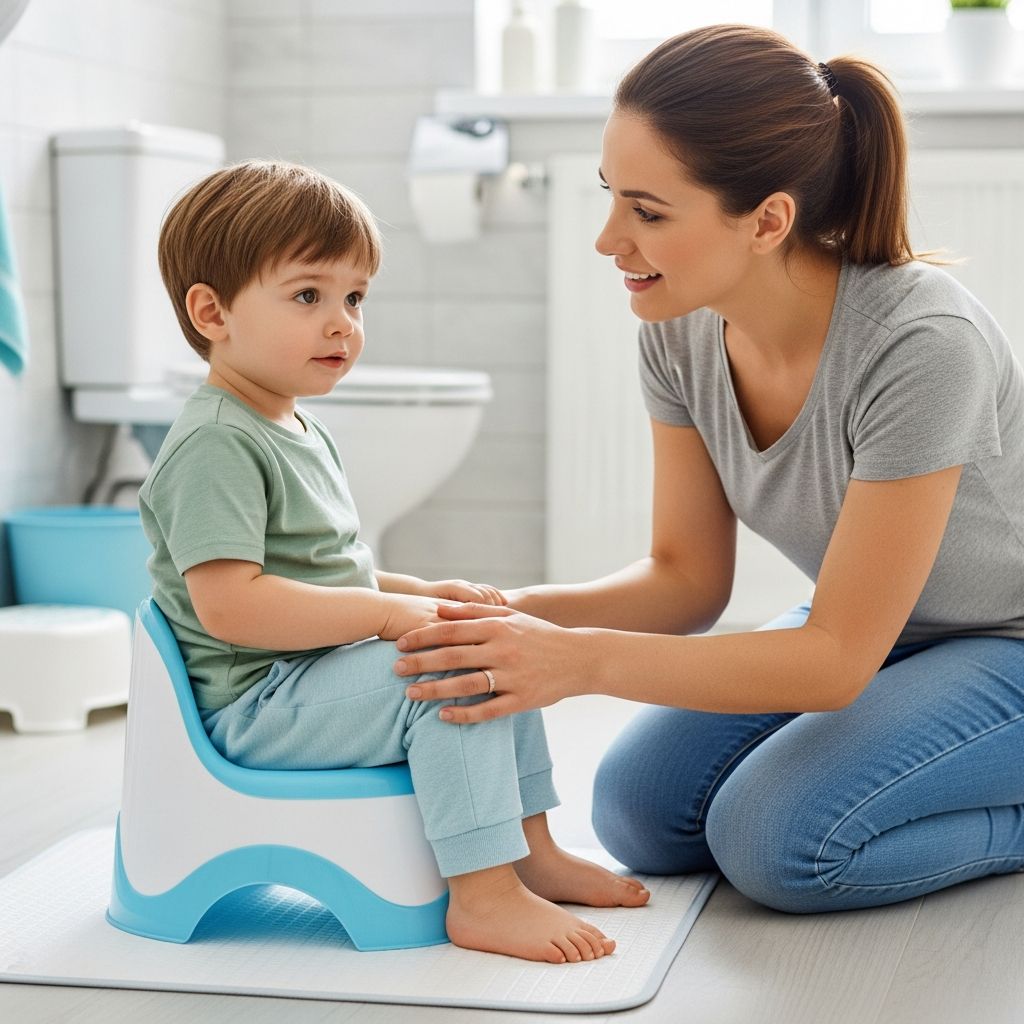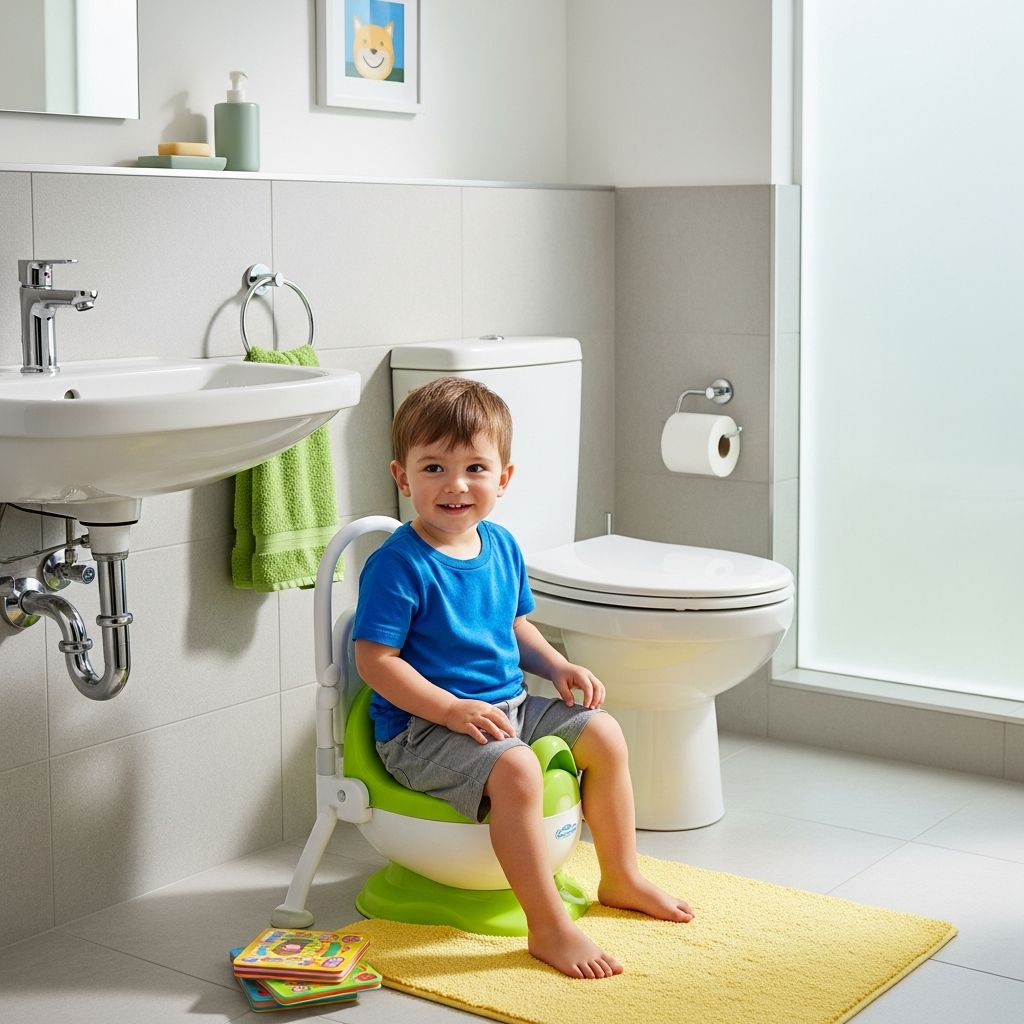
Transitioning from diapers to independent toilet use represents a pivotal achievement in early childhood development. This process fosters autonomy, hygiene skills, and parental relief from constant diaper changes. Drawing from pediatric expertise, this guide outlines readiness indicators, preparation strategies, proven techniques, and troubleshooting advice to ensure a positive experience for both child and caregiver.
Recognizing Readiness: Is Your Child Prepared?
Timing is crucial for effective potty training. Initiating too early can prolong the process, while starting at peak readiness accelerates success. Pediatric guidelines recommend observing behavioral and physiological cues between 18 and 30 months, though individual variation exists.
Key **readiness signs** include:
- Remaining dry for two or more hours during play or naps, indicating bladder control.
- Displaying predictable signals like squatting, holding the genital area, or facial grimacing before elimination.
- Demonstrating motor skills to independently remove pants or underwear.
- Expressing curiosity about bathroom routines or discomfort with soiled diapers.
- Following simple two-step instructions, such as ‘pull down pants and sit on potty’.
Assess these over a week without pressure. If most signs are present, proceed confidently. Forcing readiness risks resistance and setbacks.
Essential Equipment and Home Setup
Selecting child-friendly tools builds comfort and confidence. Options include standalone potty chairs or toilet-top seats with step stools. A portable potty ensures accessibility across home areas and travel.
| Equipment Type | Pros | Cons | Best For |
|---|---|---|---|
| Standalone Potty Chair | Stable, low height; easy to empty and clean | Bulkier storage; requires dumping into toilet | Beginners gaining confidence |
| Toilet Seat Adapter + Stool | Mimics adult toilet; promotes transition | Requires adult assistance initially | Children preferring ‘big kid’ feel |
| Portable Travel Potty | Compact for outings; familiar setup | Limited capacity | On-the-go training |
Stock up on training underwear, wipes, cleaning supplies, and rewards like stickers. Place the potty in a high-traffic area initially for easy access and familiarity. Personalize it with stickers to spark enthusiasm.
Building Foundations: Pre-Training Habits
Before active training, introduce concepts gradually. Use clear language like ‘pee,’ ‘poop,’ and ‘potty’ during changes to normalize functions. Demonstrate adult routines: ‘Mommy is peeing in the toilet now.’ Empty diaper contents into the potty while explaining, ‘Poop belongs here.’
Encourage clothed practice sits multiple times daily, limiting to 3-5 minutes. Praise efforts: ‘Great job sitting on the potty!’ This desensitizes without pressure. Establish a routine around wake-ups, meals, and naps, leveraging the gastro-colic reflex for poops 15-30 minutes post-eating.
Proven Training Methods Tailored to Your Family
Various approaches suit different temperaments. Child-led methods emphasize observation, while structured plans like the three-day intensive offer quick results for ready toddlers.
Gradual Child-Led Approach
Ideal for hesitant children, this spans weeks. Follow their cues: Rush to the potty upon signals, praise successes, and ignore accidents neutrally. Gradually increase independence with timed checks every 45-60 minutes.
Three-Day Intensive Method
For motivated families, commit a weekend. Day 1: Naked-from-waist-down supervision, fluids to prompt urges, swift potty transport on cues. Expect accidents; clean calmly. Days 2-3: Add underwear, extend intervals. By end, most children initiate independently.
Scheduled Routine Method
Set potty times: upon waking, post-meals/drinks, pre-naps/bed. Combine with cues for hybrid success. Takes 3-6 months fully but builds habits reliably.
Expect 3-6 months total mastery, with nighttime dryness potentially years later due to deep sleep patterns.
Positive Reinforcement and Handling Setbacks
Celebrate wins lavishly with hugs, cheers, or small rewards—avoid over-reliance on treats to maintain intrinsic motivation. Never punish accidents; say, ‘Accidents happen; next time, potty!’ Clean discreetly to minimize shame.
Regression is common during stress like new siblings or illness. Pause training if resistance mounts, resuming when calm. Consistency across caregivers prevents confusion.
Overcoming Common Challenges
- Poop Withholding: Offer privacy, foot support on stool, high-fiber foods. Model relaxed posture: knees above hips, lean forward.
- Public Restroom Fear: Practice at home; carry portable potty initially.
- Nighttime Wetting: Limit evening fluids; use pull-ups without daytime regression.
- Resistance: Take breaks; peer modeling at daycare often motivates.
Long-Term Success and Nighttime Strategies
Once daytime reliable, transition to underwear. Night training follows naturally for most by age 5. Protective bedding eases worries. Track progress: dry nights increase over months. Consult pediatricians if delays persist beyond 3 years or with constipation signs.
Frequently Asked Questions (FAQs)
What age is best for potty training?
Most children show readiness between 18-24 months, but success hinges on signs, not calendar age.
How do I handle accidents?
Respond calmly without scolding; clean up together and redirect to potty next time.
Can I potty train during travel?
Maintain routine with portable gear; consistency aids progress anywhere.
What if my child refuses to poop on potty?
Encourage squatting positions, dietary fiber, and patience—many overcome with time.
Is nighttime training separate?
Yes, it often lags daytime by months or years due to physiological factors.
References
- Our Step-by-Step Guide to Potty Training Toddlers — Ocean Pediatrics. 2023. https://ocean-pediatrics.com/blog/step-by-step-guide-to-three-day-method-of-potty-training-your-toddler/
- An Ultimate Guide to Potty Training — CHOC Children’s Health Hub. 2024-01-15. https://health.choc.org/an-ultimate-guide-to-potty-training/
- Potty Training Your Child — Seattle Children’s Hospital. 2025. https://www.seattlechildrens.org/health-safety/parenting/toliet-potty-training/
- Potty Training: How to Get the Job Done — Mayo Clinic. 2024-06-10. https://www.mayoclinic.org/healthy-lifestyle/infant-and-toddler-health/in-depth/potty-training/art-20045230
- Potty Training: Learning to Use the Toilet — ZERO TO THREE. 2023-08-20. https://www.zerotothree.org/resource/potty-training-learning-to-the-use-the-toilet/