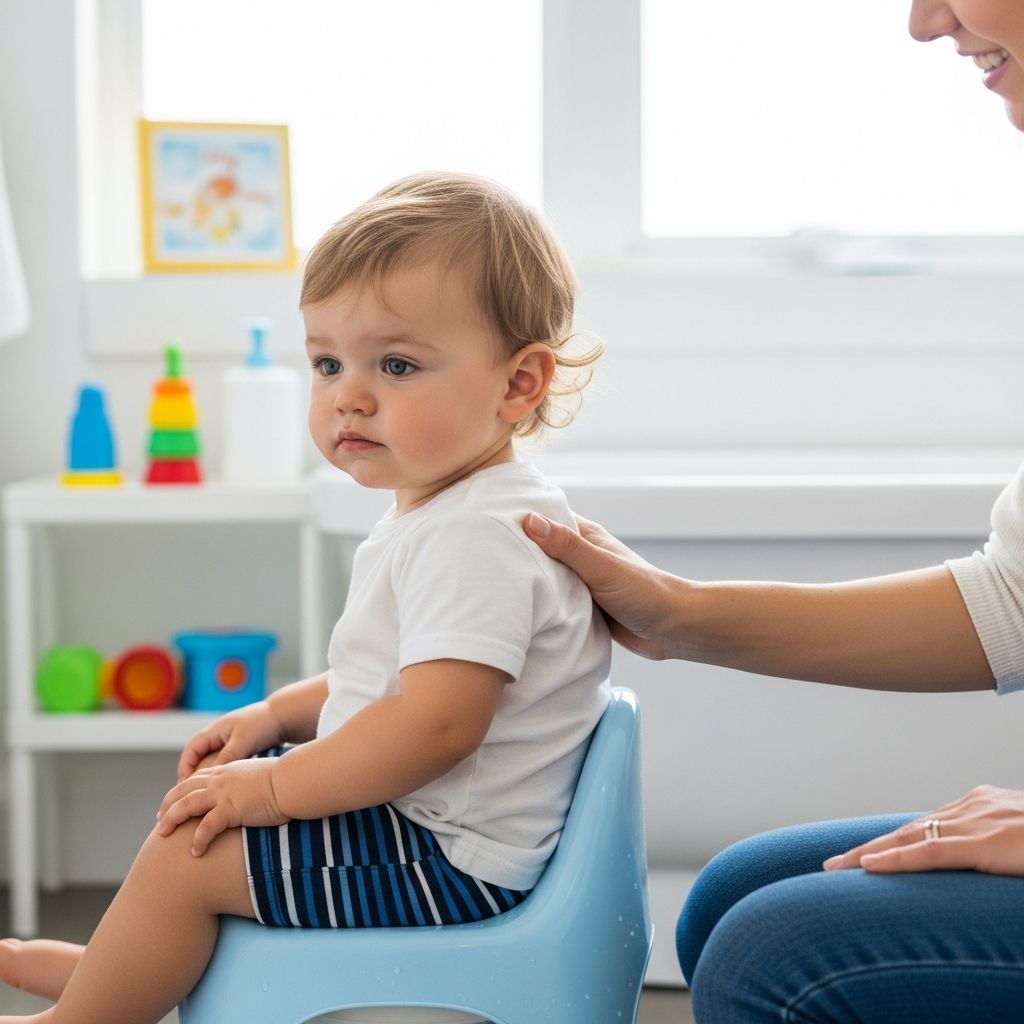
Potty training regression happens when a child who has made progress in using the toilet independently starts having frequent accidents or shows reluctance to continue. This phase, while challenging for parents, is a normal part of development and often resolves with the right approach.
Recognizing the Indicators of Regression
Spotting potty training setbacks early allows parents to intervene effectively. Common indicators include a sudden increase in daytime accidents, resistance to sitting on the potty, requests to wear diapers again, or nighttime wetting after periods of dryness. These signs can appear abruptly, even in children aged 2 to 4 years or older, disrupting what seemed like steady advancement.
- Sudden uptick in wet or soiled underwear during play or routines.
- Avoidance of the bathroom or fear expressed about using it.
- Bedwetting episodes that were previously absent.
- Hiding during accidents or showing shame afterward.
Observing patterns, such as accidents occurring only at daycare or during stressful times, provides clues to underlying triggers.
Primary Triggers Behind Toilet Training Reversals
Understanding what sparks regression is crucial for resolution. Most cases stem from non-medical factors, but ruling out health issues first is essential.
Environmental and Routine Disruptions
Shifts in daily life often destabilize a child’s sense of security. Starting preschool, a family relocation, or altered sleep schedules can lead to lapses as the child focuses energy on adapting.
Emotional and Familial Stressors
Children process big emotions through behavior. The arrival of a new baby, parental arguments, or even a pet’s death can provoke regression as a bid for attention or comfort. Stress hormones affect bladder control, making accidents more likely during high-anxiety periods.
Physical Health Contributors
Conditions like urinary tract infections (UTIs) or constipation cause discomfort that mimics willful refusal. Hard stools or burning during urination signal medical evaluation.
| Trigger Type | Examples | Associated Signs |
|---|---|---|
| Routine Changes | New school, travel | Accidents in specific settings |
| Family Stress | New sibling, divorce | Clinginess, emotional outbursts |
| Medical Issues | UTI, constipation | Pain complaints, straining |
Step-by-Step Recovery Plan
A structured yet flexible plan restores progress without pressure. Begin by assessing the situation calmly.
- Consult a Professional: Schedule a pediatrician visit to exclude UTIs or constipation. Simple tests confirm or rule out these.
- Address the Trigger: If a new routine caused it, reestablish predictability with visual schedules.
- Rebuild Habits: Return to basics like timed potty sits and easy-to-remove clothing.
- Boost Positivity: Use praise, stickers, or small rewards for successes, ignoring accidents.
- Monitor Progress: Track improvements over 1-2 weeks; most resolve quickly.
Consistency across caregivers prevents mixed messages, accelerating recovery.
Parental Mindset: Staying Composed Amid Frustration
Your reaction influences outcomes. Frustration transfers anxiety, worsening accidents. Instead, model calm: clean up matter-of-factly, saying, “Accidents happen; next time you’ll make it.” Avoid punishment, as it heightens shame and resistance.
Self-care for parents includes deep breaths, support from partners, or parenting groups. Viewing regression as temporary—often lasting days to weeks—preserves patience.
Preventive Measures for Future Stability
While not entirely avoidable, strategies minimize risks. Maintain loose routines during transitions, like vacations. Offer extra cuddles during family changes. Ensure high-fiber diets prevent constipation.
- Introduce changes gradually with prep talks.
- Keep potty accessible in new environments.
- Celebrate all wins to build resilience.
Age-Specific Considerations
For 2-year-olds, focus on play-based encouragement. Three- to four-year-olds benefit from responsibility discussions, like “big kid” privileges.
Real-Life Scenarios and Solutions
Consider a child regressing post-new sibling arrival. Extra one-on-one time and involving them in baby care rebuilds security. For school-only accidents, coordinate with teachers on reminders.
In persistent cases (beyond 4 weeks), behavioral therapy explores deeper anxiety.
Frequently Asked Questions
How long does potty training regression typically last?
Most cases resolve in a few days to two weeks with consistent support, though stress-related ones may linger until the trigger eases.
Should I revert fully to diapers during regression?
No—use training pants as a bridge while encouraging potty use to avoid prolonging dependency.
Is regression a sign my child wasn’t ready?
Not necessarily; even ready children regress due to external factors. Readiness returns with stability.
What diet helps prevent constipation-related setbacks?
Incorporate fruits, vegetables, and water; prune juice aids toddlers.
When to worry about ongoing accidents?
If accompanied by pain, blood in urine, or emotional distress, seek immediate medical advice.
Long-Term Benefits of Patient Handling
Navigating regression thoughtfully fosters trust and emotional intelligence. Children learn resilience, strengthening parent-child bonds. By 5 years, 90% achieve continence naturally. Patience now prevents future battles.
Expand knowledge with pediatric resources. Track your child’s journey in a journal for patterns and triumphs.
References
- Potty-Training Regression: Signs, Causes, and Tips — Pampers. 2023. https://www.pampers.com/en-us/toddler/potty-training/article/potty-training-regression
- Potty Training Regression: What To Do About It — Cleveland Clinic. 2023-10-12. https://health.clevelandclinic.org/what-to-do-when-your-potty-trained-child-suddenly-isnt
- Why Is My Child Going Through Potty Training Regression? — Aeroflow Urology. 2024. https://aeroflowurology.com/blog/potty-training-regression
- Potty Training Regression: 8 Helpful Tips for Parents — Healthline. 2023. https://www.healthline.com/health/parenting/potty-training-regression
- Potty Training Regression — American Academy of Pediatrics (HealthyChildren.org). 2022-05-09. https://www.healthychildren.org/English/ages-stages/toddler/toilet-training/Pages/Regression.aspx