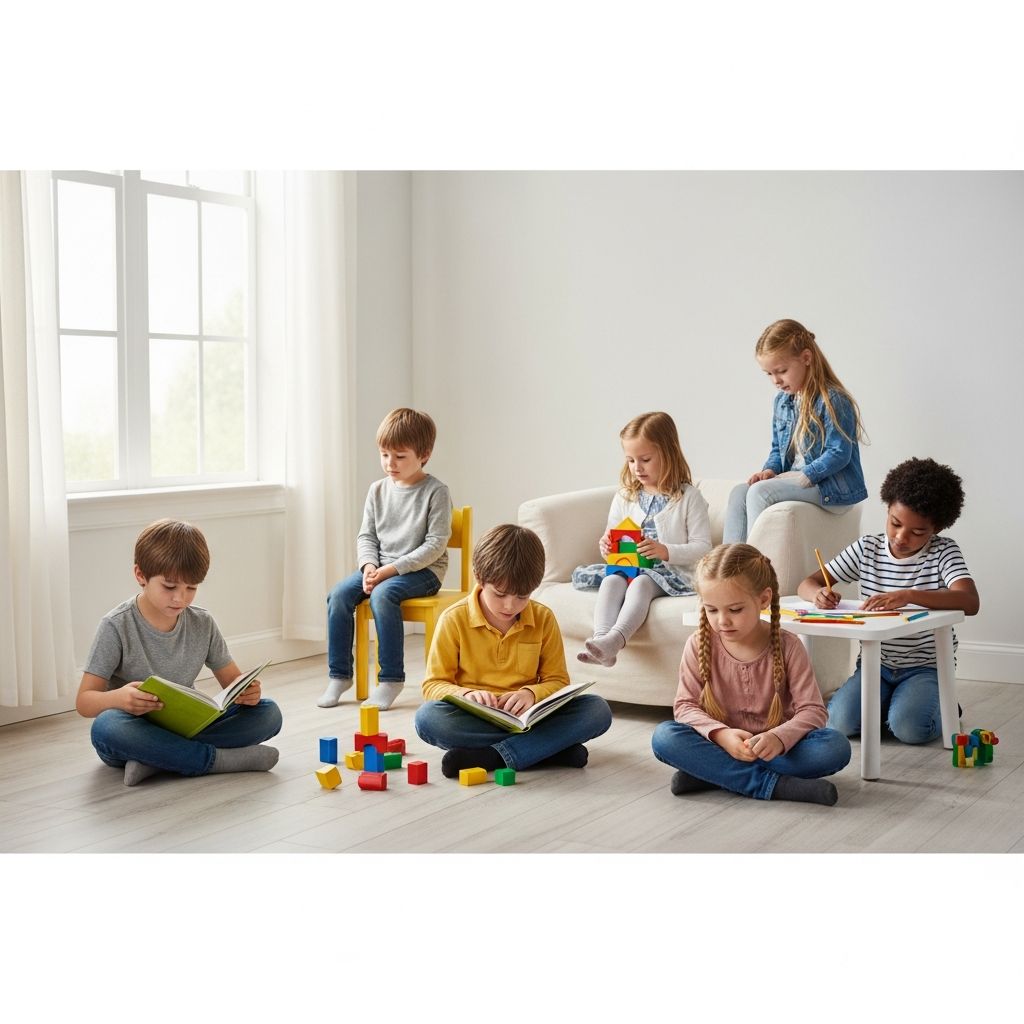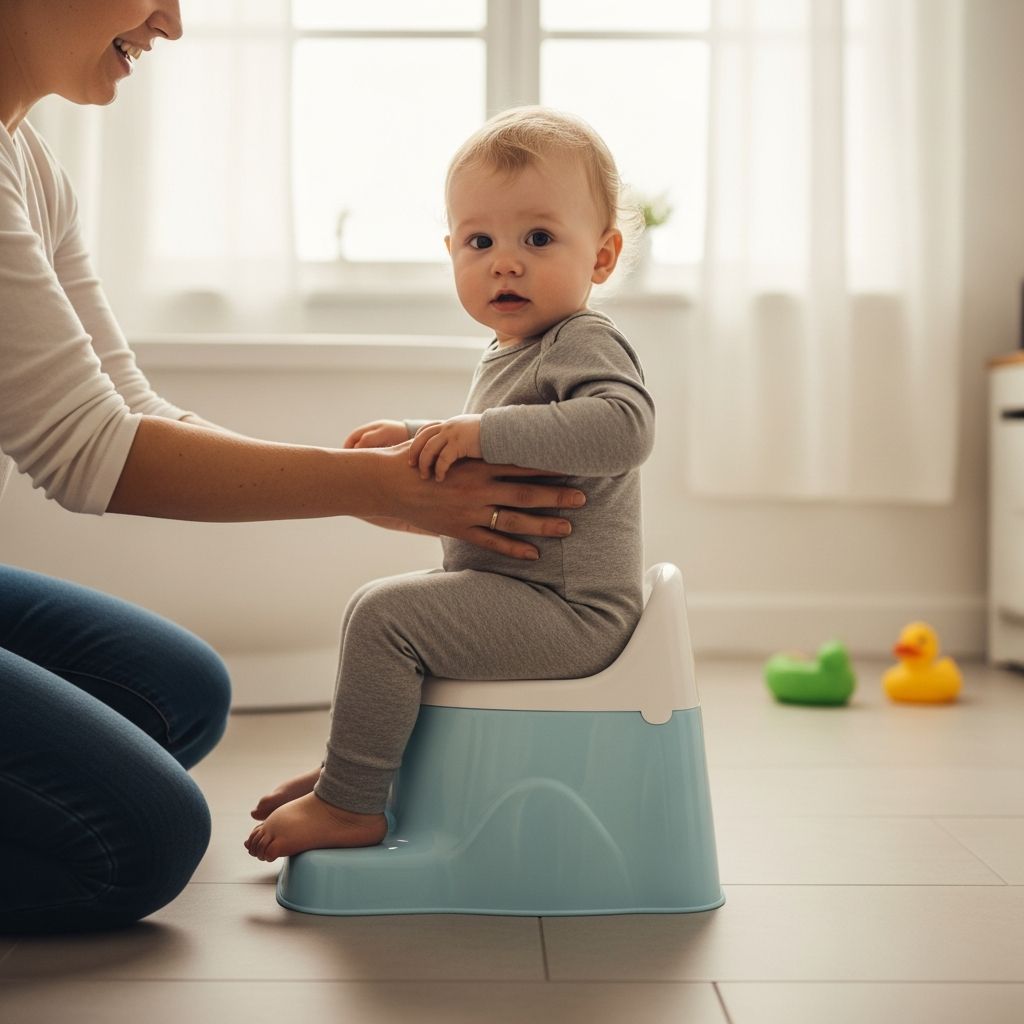
Potty training feels like a huge milestone, and it isbut success depends far less on your toddlers age and far more on true readiness. Recognizing when your child is physically, emotionally, and practically prepared can prevent power struggles, reduce accidents, and make the whole experience calmer for everyone.
Why Readiness Matters More Than Age
Many parents feel pressure to start potty training by a certain birthday, but development is individual and rarely follows a strict calendar. Some toddlers are ready earlier, others later, and pushing before your child is prepared can lead to battles, anxiety, and setbacks.
Focusing on readiness signs instead of age helps you time training to when your toddler can understand what is happening, communicate their needs, and participate in the process. That supportive timing makes the transition from diapers to underwear smoother and more positive.
Three Pillars of Potty Readiness
Readiness for potty training can be grouped into three main areas: physical development, communication and understanding, and emotional and behavioral readiness. When all three areas show signs of progress, your child is more likely to learn quickly and confidently.
| Area | What It Means | Typical Signs |
|---|---|---|
| Physical | The body can hold urine and stool long enough to reach the potty and release on cue. | Dry periods, predictable poops, ability to sit and stand safely. |
| Communication | Your child can understand simple instructions and signal when they need help. | Uses words/gestures for pee or poop, follows basic directions. |
| Emotional & Behavioral | Your toddler is curious, cooperative, and not terrified of the potty. | Wants to copy adults, enjoys praise, shows interest in underwear or the bathroom. |
Physical Signs Your Toddler May Be Ready
Physical readiness is about whether your toddlers body can actually manage holding and releasing waste on demand. These signs usually appear gradually and often cluster together over time.
- Longer dry stretches: Diapers stay dry for about two hours at a time, or your child wakes dry from some naps, suggesting better bladder control.
- Predictable bowel movements: Poops tend to happen at similar times each day, making it easier to anticipate potty opportunities.
- Discomfort in dirty diapers: Your toddler pulls at a wet or soiled diaper, asks for a change, or seems bothered when messy.
- Ability to sit and stand safely: They can sit down on a small potty or toilet insert and get up again without assistance or fear.
- Basic dressing skills: They can at least help pull pants up and down, even if they still need a bit of support.
Your child does not need to master every physical skill perfectly before you begin, but the more of these signs you see, the smoother early practice is likely to be.
Communication and Understanding Clues
Even if your toddlers bladder is ready, potty training will be frustrating if they cannot communicate what is happening or follow simple steps. Look for increasing awareness of their body and the ability to respond to your guidance.
- Words or signals for going: Your toddler uses words like pee or poop, or consistent gestures, facial expressions, or posture to show they need to go or have already gone.
- Follows simple instructions: They can respond appropriately to one- or two-step directions, such as Get your shoes or Put the book on the table.
- Understands basic potty talk: They can identify the potty, toilet, or bathroom when you name it and have some idea of what happens there.
- Shows awareness while going: They pause during play, go quiet, hide in a corner, or change posture right before or during peeing or pooping.
These early communication skills allow you to work as a team, turning potty time into a shared routine rather than a guessing game.
Emotional and Behavioral Readiness Signs
Emotional readiness is often what separates a smooth experience from a full-on standoff. A toddler who feels curious and somewhat in control will learn faster than one who feels forced or scared.
- Curiosity about the bathroom: Your child wants to follow you into the bathroom, asks questions, or wants to flush the toilet and watch how it works.
- Desire for independence: They insist on me do it for tasks such as washing hands, getting dressed, or climbing into the car seat.
- Interest in underwear: Your toddler asks about big kid underwear or wants to wear what older siblings or caregivers wear.
- Responds to praise: They light up when you congratulate them or show off new skills and enjoy being seen as capable.
- No intense fear of the toilet: They might be cautious at first, but they are not panicked by the sound of flushing or the idea of sitting on a small potty.
When your child seems emotionally open and curious about learning new things, its a good signal that potty training can be framed as a positive challenge instead of a struggle.
Subtle Signals Parents Often Overlook
Some readiness signs are more subtle and easy to miss in the chaos of daily life. Paying attention to patterns in your toddlers behavior can give you helpful clues.
- Pausing play to eliminate: They pause a game, step to the side, or squat behind furniture before filling a diaper, showing awareness of the urge.
- Hiding to poop: They go behind a curtain, under a table, or to a specific corner when they need to have a bowel movement.
- Routine-based bathroom interest: They talk about the potty as part of bedtime or bath routines, even without being prompted.
- Mimicking adult habits: They pretend to use the toilet during play, wipe dolls or stuffed animals, or flush toy toilets.
These quieter signs suggest your child is starting to connect bodily sensations with the act of going, an essential foundation for successful training.
Common Myths About When to Start
Potty training advice often comes from relatives, social media, or comparison with other children, and not all of it is helpful. Separating myths from reality can relieve unnecessary pressure.
- Myth: Every child should be trained by a certain age. In reality, there is a broad range of normal; some toddlers are ready earlier, others much later, with no link to intelligence or parenting quality.
- Myth: Faster training means better parenting. Rapid progress often has more to do with the childs temperament and timing than with any specific technique.
- Myth: If daycare suggests it, your child must be ready. Group settings have practical reasons for encouraging early training, but your toddlers individual readiness still matters most.
- Myth: Accidents mean your child failed. Accidents are part of learning, just like falling while learning to walk; they do not mean you started at the wrong time.
Letting go of rigid expectations allows you to focus on your own childs progress and comfort instead of comparisons and deadlines.
When Your Toddler Is Probably Not Ready Yet
Sometimes, the kinder choice is to wait. Forcing potty training when your toddler is not ready often leads to intense resistance, constipation, or holding behaviors that are harder to address later.
- Strong fear of the toilet or potty: Your child screams, clings, or refuses to go near bathroom fixtures, even with gentle encouragement.
- Very frequent wet diapers: There are almost constant small pees with no longer dry stretches, suggesting limited bladder control.
- No awareness of being wet or dirty: Your toddler continues playing as though nothing has happened and does not seem to notice a full diaper.
- Irregular or painful bowel movements: Constipation or painful poops can make toddlers afraid to release stool, which complicates training.
- Major life changes: A new baby, move, or big schedule shift can temporarily reduce your childs emotional bandwidth for new challenges.
If several of these apply, consider waiting a few weeks or months while gently building familiarity with the potty, without insisting they use it.
Preparing Your Toddler (and Home) Before Day One
Preparation can turn potty training from an abrupt demand into a gradual, predictable transition. Think of it as laying a runway instead of asking your toddler to leap off a cliff.
- Introduce the potty early: Place a child-sized potty in the bathroom, let your toddler sit on it fully clothed, and allow them to explore it at their own pace.
- Create simple language: Choose consistent words for pee, poop, and the potty so your child hears the same phrases each time.
- Practice bathroom routines: Wash hands together, talk briefly about where pee and poop go, and normalize flushing and bathroom noises.
- Dress for success: Use easy-on, easy-off clothing such as elastic-waist pants or dresses, and avoid complex snaps or overalls during training days.
- Protect surfaces calmly: Consider waterproof mattress covers, extra towels, or floor pads, framing these as helpers, not punishment.
By the time you officially start, your toddler should see the potty as a familiar object rather than a sudden, mysterious demand.
Choosing a Training Pace That Fits Your Child
There is no single right way to potty train every toddler. Matching the approach to your childs temperament and your familys schedule helps reduce stress and improves follow-through.
| Approach | What It Looks Like | Best For |
|---|---|---|
| Gradual Introduction | Short, low-pressure potty sits each day, slowly building skills and comfort. | Shy or cautious toddlers; busy families who prefer flexibility. |
| Focused Training Days | A few days at home with lots of potty practice, reminders, and supervision. | Children who adapt quickly to change; parents able to clear schedules. |
| Hybrid Method | Gradual lead-up, then a more focused period once many signs of readiness appear. | Families wanting structure with room to slow down if needed. |
Whichever method you choose, consistency, calm reactions, and a sense of teamwork tend to matter more than any specific schedule.
Supporting Your Toddler During the Learning Phase
Once you start, your toddler needs clear expectations, predictable routines, and lots of gentle encouragement. The goal is to help them practice without shame or pressure.
- Build a simple routine: Offer potty trips at natural times such as waking up, before going out, and before naps or bedtime.
- Use neutral language about accidents: Instead of scolding, say something like, Your pants are wet. Lets change and try the potty next time.
- Celebrate effort, not perfection: Praise your child for telling you they need to go, sitting on the potty, or trying to pull pants down, even if nothing comes out.
- Stay patient: Expect some back-and-forth progress, especially during transitions, outings, or illnesses.
- Offer choices when possible: Let your toddler pick which potty to use, which underwear to wear, or which book to read while they sit.
Keeping the tone light and supportive teaches your child that potty training is a safe learning process, not a test they must pass.
Frequently Asked Questions About Potty Readiness
What age do most children start potty training?
There is a wide range of normal, and many children show signs of readiness sometime in the second or third year of life, but some are ready earlier and others later. The best indicator is not the number on the birthday cake but the specific physical, communication, and emotional signs you see in your child.
Should I wait until my toddler asks to use the potty?
Some children directly ask to use the potty or to wear underwear, but many never make that clear request and still do very well with training. Rather than waiting for a specific question, pay attention to indirect signals such as discomfort in wet diapers, interest in the bathroom, and longer dry periods.
What if my child seems ready but then resists once we start?
It is common for toddlers to show enthusiasm at first and then suddenly say no when the new routine feels real. You can respond by lightening the pressure, continuing to offer chances without insistence, and focusing on keeping the bathroom a place of calm and safety. If resistance becomes intense or long-lasting, a short break of a few weeks before trying again is often helpful.
Can I train during a big life change?
You can technically start training at any time, but major life changes such as a new sibling, a move, or a new childcare setting may temporarily reduce your toddlers emotional flexibility. If possible, begin either well before or a little after big transitions, so your child can focus on mastering one challenge at a time.
Is it okay if my toddler is still in diapers at an older age?
Every child develops at a different pace, and extended diaper use does not automatically mean anything is wrong. If your child is older and shows no signs of readiness, or if you have concerns about physical or developmental delays, checking in with a pediatric care provider can give you guidance specific to your situation.
Key Takeaways for Confident Parents
Potty training readiness is not a rigid checklist, but a collection of clues that your toddlers body, brain, and emotions are lining up for this new skill. When you tune into those clues and move at your childs pace, you are far more likely to avoid battles and build confidence.
By watching for longer dry periods, communication about bodily needs, curiosity about the bathroom, and an overall willingness to cooperate, you can choose a starting point that supports success. With patience, preparation, and a sense of humor, potty training can be one more step in teaching your child independencenot a battlefield.