The journey toward toilet independence represents a significant developmental milestone for young children, yet the path is rarely smooth. Many parents encounter unexpected obstacles during this transition period, ranging from emotional resistance to physical difficulties. Understanding the root causes of these challenges and implementing appropriate strategies can transform a frustrating experience into a more manageable process. This comprehensive guide explores the most prevalent potty training difficulties and provides evidence-based approaches to help your child succeed.
Understanding the Emotional Foundations of Toilet Training
Before addressing specific problems, it’s important to recognize that potty training involves more than just physical readiness. Children often experience genuine anxiety about this transition, which can manifest as resistance or refusal to participate. When a child appears uncooperative or stubborn, underlying fears may be driving their behavior. Anxiety about the potty experience might stem from concerns about the unfamiliar sensation, fear of falling in, or worry about bodily functions in general.
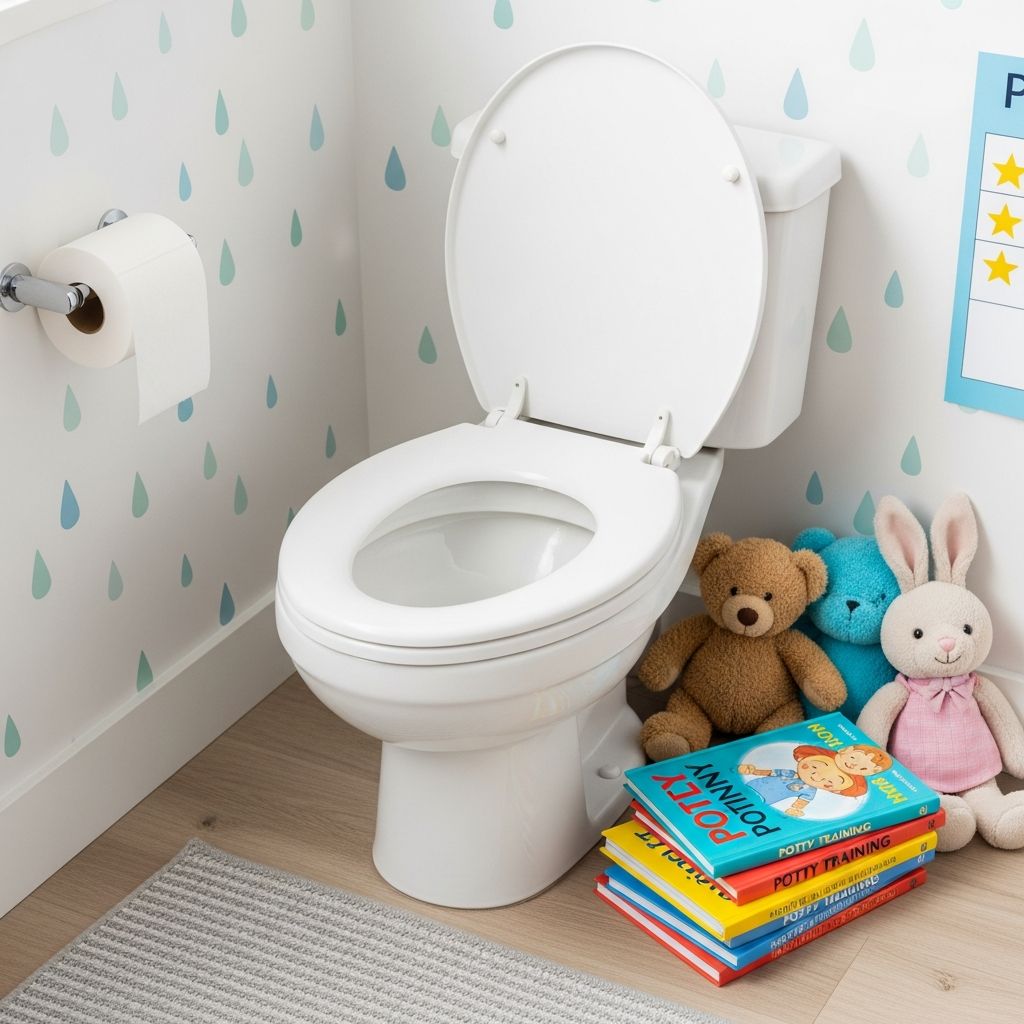
Creating a foundation of emotional safety is essential. Parents should begin by validating their child’s concerns and avoiding pressure-based approaches. Reading picture books about potty training, having adults model positive bathroom behavior, and maintaining a relaxed, encouraging atmosphere can help children feel more secure about the process. When children sense parental frustration or urgency, their anxiety typically increases rather than decreases.
The Readiness Gap: When Parents and Children Are Out of Sync
A common scenario occurs when parents feel ready to begin toilet training, but their child shows little interest or developmental readiness. This misalignment frequently happens when external pressures exist, such as starting preschool or planning a vacation. Parents may feel motivated by deadlines while their child remains developmentally unprepared or emotionally uninterested.
The solution involves recognizing that forcing the process before a child is truly ready typically backfires. Rather than imposing a timeline, observe your child for signs of genuine readiness, including:
- Staying dry for extended periods
- Showing interest in bathroom habits
- Communicating bodily sensations
- Demonstrating desire for independence
- Following basic instructions
When your child shows authentic interest, the learning process unfolds more naturally and successfully.
Managing Fear and Anxiety Related to the Toilet
Several specific fears commonly emerge during toilet training. One particularly prevalent concern involves anxiety about the flushing mechanism. The sudden noise, water movement, and unpredictable nature of automatic flushes can genuinely frighten children, sometimes triggering a fear that they themselves might be sucked into the toilet.
A gradual desensitization approach works effectively for flushing anxiety. Initially, flush the toilet after your child has completely left the bathroom, removing any association between their presence and the flushing action. Over several weeks, gradually normalize flushing by flushing while conversing, singing, or playing with your child, making it seem routine rather than threatening. Avoiding power outages of emotion around flushing—treating it as a normal, unremarkable part of the process—helps children develop comfort over time.
Another significant concern involves the sensation of bowel movements. Some children experience startlement or fear related to the physical sensation of stool passing and the splash impact in water. These children often request to return to diapers for bowel movements even after successfully urinating in the toilet. Patience and gradualism are key—forcing the issue typically intensifies anxiety rather than resolving it.
Addressing Resistance and Refusal Patterns
Resistance often escalates when parents respond with coercion or force. Research demonstrates that coercive approaches can trigger constipation, urinary tract complications, and long-term toilet-related phobias. Instead of confrontation, experts recommend backing away and attempting again later when your child appears more receptive.
A foundational principle involves introducing graduated exposure through “potty sitting” practice. In initial sessions, your child may remain fully clothed while sitting for just 30 seconds, receiving praise for cooperation. As comfort increases, sessions can extend and clothing can be removed gradually. This low-pressure approach allows children to acclimate without feeling forced.
During potty sitting practice, engagement is crucial. Boredom and isolation intensify resistance, while companionship and enjoyable activities reduce anxiety. Consider:
- Reading stories or picture books together
- Playing games or using toys
- Offering special stickers or rewards for attempting
- Providing interesting conversation and engagement
Never punish accidents or scold your child, as punishment often triggers withholding behaviors that compromise bladder and bowel health.
Preventing and Managing Accidental Wetting
Accidents represent a normal phase of toilet training, occurring even with careful planning and consistent effort. Many toddlers become so absorbed in activities that they ignore bodily signals until it’s too late to reach the bathroom. Others simply haven’t yet developed the muscle control or awareness needed for complete dryness.
Practical strategies for reducing accident frequency include:
- Reminding your child regularly to use the bathroom at predictable intervals
- Insisting on toilet visits before leaving home or entering public spaces
- Suggesting regular bathroom access during outings
- Dressing your child in easy-to-remove clothing that facilitates quick bathroom access
- Establishing bathroom breaks before bedtime and after meals
It’s important to normalize accidents emotionally. Research shows that harsh responses to accidents increase stress and can actually worsen the problem. Instead, respond matter-of-factly, clean up efficiently, and encourage your child to try again. With time and consistent practice, most children develop greater awareness and control.
Handling Constipation and Toileting Resistance
Some children develop constipation during or after toilet training, sometimes triggered by stress, anxiety, or coercive training methods. Constipation creates a painful cycle where hard stools discourage use of the toilet, leading to further withholding and more severe constipation.
Dietary modifications can significantly help. Increasing fiber intake, ensuring adequate water consumption, and decreasing sugary foods all contribute to softer, more regular bowel movements. Physical activity also promotes healthy bowel function. Before introducing stool softeners or other medications, consult your pediatrician, as these should be used only when dietary approaches haven’t resolved the issue.
For children who strain during bowel movements, medical evaluation is important, as straining can create long-term bladder and sphincter complications. Your pediatrician can assess whether your child needs specific interventions.
Optimizing the Physical Environment and Equipment
Equipment choices significantly impact training success. When children’s feet dangle unsupported, they experience discomfort and have greater difficulty controlling their voiding muscles. Using a child-sized potty or a regular toilet with an appropriately-fitted training seat combined with a sturdy step stool ensures proper positioning and foot support.
Certain potty designs create additional problems. Splash guards on potties, while seemingly practical, can catch boys’ genitals during transitions on and off the seat, creating pain or injury. Boys can be taught to sit initially and later transition to standing, using a bucket if preferred, without needing specialized guard equipment.
Bathroom hygiene presents another consideration. Bubble baths and heavily soaped bathwater can inflame the urethra, making urination painful, particularly for girls. Gentle cleansing with plain water or mild washcloths reduces irritation and associated discomfort.
Behavioral Techniques for Encouraging Independent Learning
A critical but often overlooked aspect of potty training involves teaching children to recognize and respond to their body’s natural signals. When parents handle all scheduling by taking children to the potty every few minutes, asking constantly if they need to go, or setting timers, children may never develop the internal awareness necessary for true independence.
This approach creates two potential problems: children don’t learn to recognize their body’s signals because their bladders never become full enough to send clear messages, and they become dependent on parental prompts rather than developing autonomous recognition. While scheduled prompts serve a purpose initially, gradually transitioning to child-initiated bathroom use is essential for developing true toilet independence.
Once your child shows basic understanding, take a step back. When you notice signs of needing to go, make a gentle observation: “It looks like your body might be telling you to use the potty. When you’re ready, it’s right over there,” then allow your child to respond independently.
Establishing Proper Hygiene Routines
Beyond using the toilet itself, children need to learn and practice complete bathroom routines. This includes wiping properly, flushing, washing hands, and managing other bathroom tasks. Visual charts displaying the sequence of steps can help children remember each component. Making bathroom procedures fun rather than burdensome increases compliance—singing a song like “Happy Birthday” while washing hands provides both entertainment and ensures adequate hand-washing duration.
Ensure your child can physically access all necessary items: toilet paper, sink, soap, and hand towels should be within easy reach. When children must struggle to access basic supplies, frustration increases and routines become inconsistent.
Understanding Setbacks and Regression
Progress during toilet training is rarely linear. A child who demonstrated success for weeks or months may suddenly refuse to use the potty and request diapers. This regression often reflects developmental sensitivity, changes in routine, stress from major life events, or simply a temporary loss of interest.
Rather than viewing regression as failure, recognize it as a normal part of development. Major transitions like starting school, welcoming a new sibling, or moving to a new home can trigger temporary regression. Returning to earlier stages of training without blame or frustration typically allows the child to regain confidence and move forward again.
Addressing Nighttime Bedwetting
Many parents expect nighttime dryness to follow daytime training success, but these represent different developmental achievements. Nighttime bladder control depends on physiological factors including hormone levels and bladder capacity, which develop on their own timeline often unrelated to daytime training. Some children remain in nighttime pull-ups months or even years after achieving daytime dryness.
Nighttime dryness is not something that can be trained; it develops when the child’s body is physiologically ready. Avoiding fluids before bedtime, using moisture-resistant mattress covers, and maintaining a matter-of-fact attitude about nighttime incidents reduces stress while your child’s body continues developing this capability.
Creating a Supportive Learning Environment
Environmental factors profoundly influence potty training success. Children respond better to low-pressure, positive environments where attempts are celebrated and accidents are treated matter-of-factly. Avoid creating scenarios where the child feels lonely or bored during bathroom time—engagement and companionship transform what could be a tense experience into a more comfortable one.
Some children respond well to sensory stimulation during potty sitting. Running tap water, having children swish their feet in warm water, or even playing recordings of trickling water can help relax the body and facilitate urination. These techniques have proven effective across age groups and can reduce anxiety associated with the process.
Frequently Asked Questions
At what age should potty training begin?
Most children show readiness between 18 months and 3 years. Rather than focusing on age, look for behavioral and developmental signs of readiness, including staying dry for longer periods, showing interest in bathroom activities, and communicating bodily sensations.
How long does potty training typically take?
Timeline varies considerably by child. Some progress quickly while others need many months. Most children achieve consistent daytime dryness within 3-6 months once they’re truly ready, though individual variation is significant.
Is it normal for children to regress during potty training?
Yes, regression is completely normal and often reflects stress, major life changes, or developmental shifts. Responding calmly and returning to earlier training stages without judgment usually allows the child to regain confidence.
Should I punish accidents during potty training?
No. Punishment for accidents increases anxiety and can trigger withholding behaviors that compromise bladder and bowel health. Respond calmly and matter-of-factly, then encourage trying again.
When should I be concerned about constipation during potty training?
Consult your pediatrician if your child experiences ongoing constipation despite dietary modifications, strains during bowel movements, or shows signs of pain. Early intervention prevents complications.
References
- Potty Training Problems and Solutions: An Evidence-Based Guide — Parenting Science. Accessed January 2026. https://parentingscience.com/potty-training-problems-prevention/
- Common Potty Training Problems and Solutions — Baby Gooroo. Accessed January 2026. https://babygooroo.com/articles/common-potty-training-problems-solutions
- My Child Doesn’t Tell Me When They Need to Go — The Potty Training Consultant. Accessed January 2026. https://www.pottytrainingconsultant.com/post/potty-problems-episode-1-my-child-doesnt-tell-me-when-they-need-to-go
- Toilet Training — American Academy of Pediatrics HealthyChildren.org. Accessed January 2026. https://www.healthychildren.org/English/ages-stages/toddler/toilet-training/Pages/default.aspx