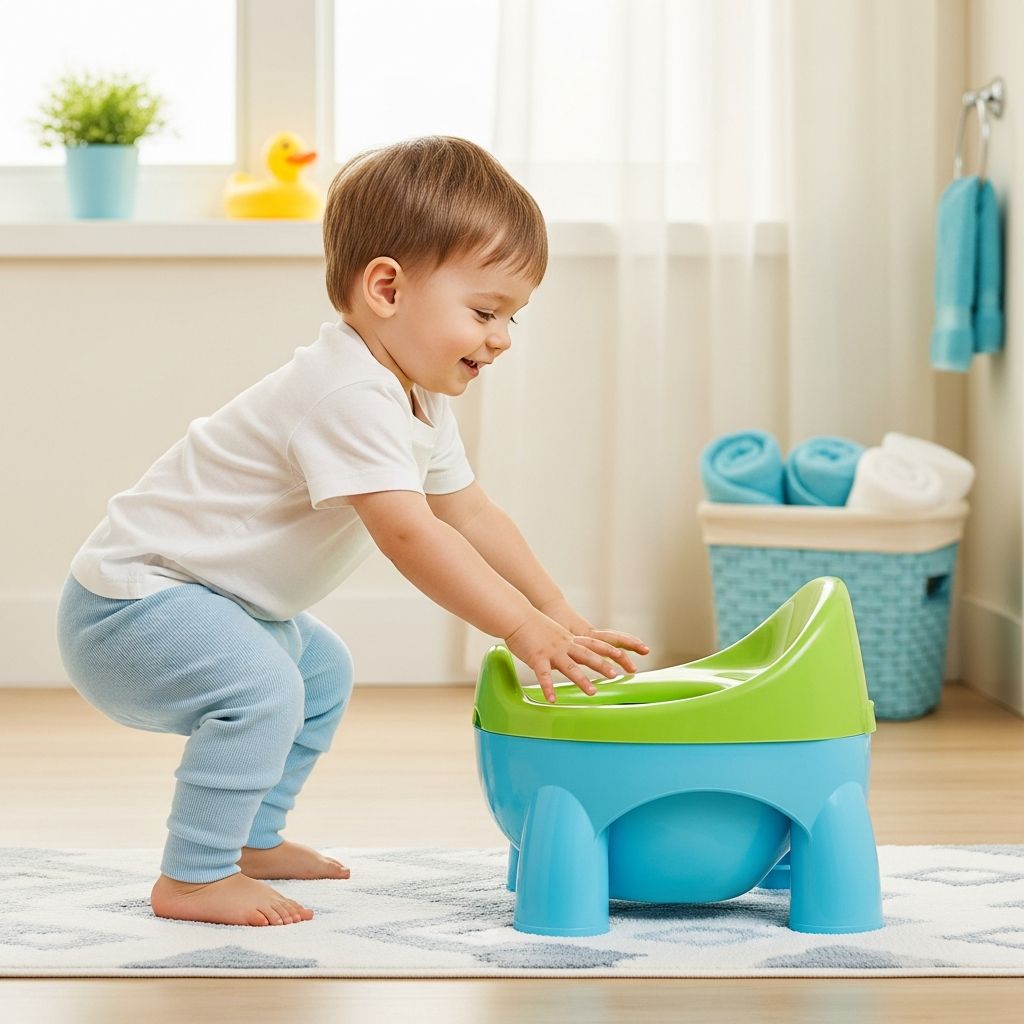
Potty training marks a significant developmental milestone for toddlers, typically occurring between ages 18 months and 3 years. Success hinges on recognizing readiness cues, establishing consistent routines, and maintaining patience throughout the 3-6 month process.
Recognizing When Your Child is Ready for Potty Training
Before introducing the potty, observe specific behavioral and physical signs that indicate your toddler possesses the necessary skills. These include staying dry for at least two hours, recognizing the sensation of needing to urinate or defecate, and demonstrating interest in bathroom activities.
- Follows basic instructions and communicates needs verbally, such as saying ‘wet’ or ‘poo’.
- Pulls pants up and down independently, showing fine motor control.
- Dislikes wearing soiled diapers and signals discomfort.
- Imitates adults or older siblings using the toilet.
- Can climb onto a low seat and sit comfortably for short periods.
Premature training often prolongs the process, so wait until multiple signs appear naturally. Pediatric guidelines emphasize that children under 18 months rarely succeed due to underdeveloped bladder control.
Essential Developmental Skills for Toilet Independence
Potty training requires a blend of cognitive, motor, and sensory abilities. Toddlers must understand instructions, balance on seats, and manage clothing independently. Those with motor planning challenges may prefer stable potty chairs with flat-footed support.
| Skill Category | Examples | Why It Matters |
|---|---|---|
| Cognitive | Recognizing urges, following ‘sit on potty’ commands | Links bodily signals to action |
| Motor | Pulling pants, wiping, handwashing | Enables self-reliance |
| Sensory | Tolerating seat texture, feeling wetness | Builds awareness and comfort |
Assess these skills through play: Can your child balance during games or undress a doll? Delays in these areas suggest postponing formal training.
Selecting the Best Potty Training Equipment
Choose gear that promotes security and accessibility. Options include freestanding potty chairs or adaptable toilet seat reducers with step stools.
- Potty Chair: Portable, stable for beginners; ideal for multiple rooms or travel.
- Toilet Topper: Mimics adult setup; pair with a sturdy stool for foot support during bowel movements.
- Accessories: Non-slip mats, wipes, step stools, and portable seats for outings.
For boys, begin seated to master both urination and defecation before transitioning to standing. Girls benefit from front-to-back wiping instruction early to prevent infections.
Building a Consistent Daily Potty Routine
Structure training around natural cues and predictable times. Dedicate a focused period, like a weekend, with all caregivers aligned on language and methods (e.g., ‘pee’ consistently).
- Start with modeling: Demonstrate your routine, explaining steps aloud.
- Set timed sits: After waking, meals (leveraging gastro-colic reflex), and every 45-60 minutes initially.
- Respond to cues: Squatting, leg-crossing, or grunting signal immediate potty trips.
- Practice hygiene: Teach handwashing and wiping post-use.
Keep sessions brief (2-5 minutes); never force sitting. Praise efforts lavishly, using stickers or songs for motivation.
Clothing and Environment Adjustments for Success
Dress for quick access: Elastic-waist pants, no onesies or buttons. Bare-bottom weekends accelerate learning by heightening wetness awareness.
- Layer with training pants or underwear over disposable inserts for outings.
- Stock every bathroom; keep a travel potty in the car.
- Maintain a calm, distraction-free zone with books or toys for engagement.
Consistency across home, daycare, and grandparents prevents confusion.
Positive Reinforcement Techniques That Work
Focus on encouragement over punishment. Immediate, specific praise (‘Great job sitting!’) builds confidence more than generic rewards.
- Sticker charts for successful sits or dry periods.
- Songs, ‘potty yoga,’ or stories during waits.
- Celebrate independence in dressing and flushing.
Avoid pressure, which can cause regressions. Accidents are normal—clean quietly and redirect.
Addressing Common Challenges and Setbacks
Expect accidents, constipation, or resistance. Nighttime dryness may lag by months or years due to deep sleep patterns.
| Challenge | Solution |
|---|---|
| Accidents | Clean without scolding; increase prompts temporarily |
| Fear of Potty | Use familiar chair; gradual exposure with clothes on first |
| Withholding Poop | High-fiber diet, post-meal sits, foot support |
| Regression | Revisit routines calmly during stressors like vacations |
For neurodiverse children, break into component skills with visual schedules. Consult pediatricians for persistent issues.
Boys vs. Girls: Tailored Training Approaches
Boys often start seated for poo and pee, aiming practice later with targets like cheerios. Girls prioritize wiping hygiene from day one.
Nighttime and Travel Training Extensions
Daytime success precedes nights; use bedwetting alarms if needed post-5 years. For trips, pack portables and schedule stops hourly.
Timeline Expectations: From Start to Mastery
Full training averages 3-6 months daytime, longer for nights. Track progress weekly to adjust.
Frequently Asked Questions
What age is best for potty training?
Most children are ready between 18-30 months; readiness signs trump age.
How do I handle poop resistance?
Encourage post-meal sits with feet supported; offer prunes for regularity.
Is pull-ups cheating?
Use sparingly for transitions; bare-bottom accelerates learning.
What if daycare uses different methods?
Communicate your plan; align terminology for consistency.
When to seek professional help?
If no progress after 6 months or signs of pain/UTI, see a doctor.
References
- An Ultimate Guide to Potty Training — CHOC Children’s Health Hub. 2023-05-15. https://health.choc.org/an-ultimate-guide-to-potty-training/
- Potty Training: How to Get the Job Done — Mayo Clinic Staff. 2024-08-20. https://www.mayoclinic.org/healthy-lifestyle/infant-and-toddler-health/in-depth/potty-training/art-20045230
- The Ultimate Guide to Potty Training Your Toddler — Moms on Call. 2023-11-10. https://momsoncall.com/blogs/blog/the-ultimate-guide-to-potty-training-your-toddler
- Mastering Potty Training: A Comprehensive Guide for Parents — The Mentor Mom Blog. 2024-02-28. https://www.thementormomblog.com/blog/mastering-potty-training-a-comprehensive-guide-for-parents
- Toilet Training: A Practical Guide — Raising Children Network. 2024-06-12. https://raisingchildren.net.au/preschoolers/health-daily-care/toileting/toilet-training-guide