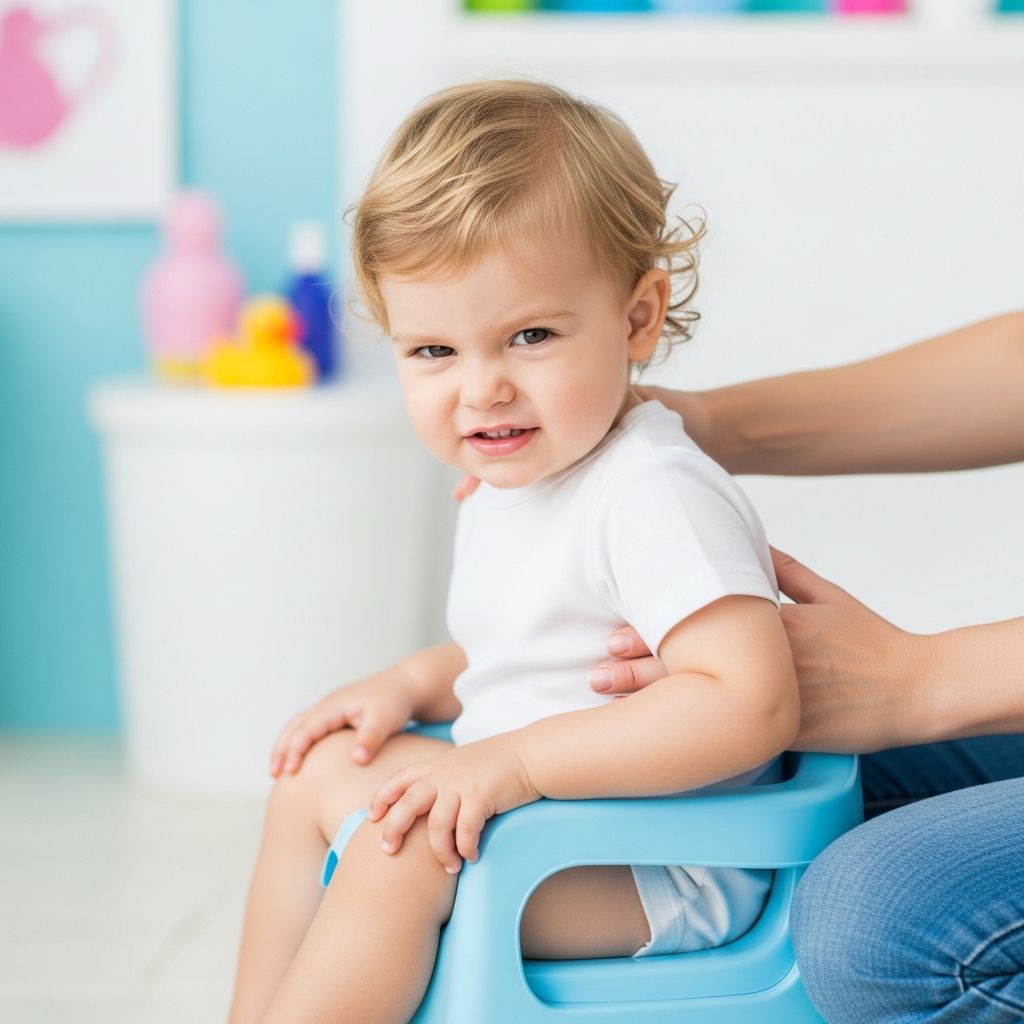
Some children trot off to the potty with curiosity and enthusiasm; others cling to diapers with iron determination and treat every trip to the bathroom like a negotiation. If your child is in the second group, you are not failing and your child is not broken. A stubborn or unmotivated child simply needs a different, more intentional approach to potty training.
This guide focuses on strong-willed, hesitant, or flat-out resistant kids and offers practical strategies to move from daily battles to steady progress. The goal is not just a dry pair of underwear; it is a cooperative, respectful process that protects your relationship while your child learns a major life skill.
Understanding Stubborn Potty Resistance
Before changing tactics, it helps to understand why some kids dig in their heels. What looks like “laziness” or “defiance” is often a mix of temperament, developmental timing, and genuine worries about change.
Common reasons kids resist
- Control and independence: Strong-willed children crave control over their bodies and routines. When they feel pushed, they often push back even harder.
- Fear of the toilet: The toilet is big, loud, and unpredictable. Flushing, falling in, and seeing poop disappear can all be unsettling to a young child.
- Comfort and habit: Diapers are familiar and convenient. Switching to the toilet requires noticing body signals, pausing play, and trying something new.
- Previous pressure: If earlier attempts involved shaming, frequent nagging, or power struggles, your child may now associate the potty with stress.
- Developmental timing: Some kids are simply not ready physically or emotionally at the same age as their peers, even if adults around them are eager to be done with diapers.
Signs your child is physically ready
Even a stubborn child will show some physical readiness signs when the body is capable of handling potty training. Emotional readiness is separate, but both matter.
- Stays dry for about two hours during the day.
- Wakes from naps dry at least some of the time.
- Has predictable times for peeing and pooping.
- Can walk to the bathroom, sit, and get on and off the potty with minimal help.
- Can follow simple directions like “pull down your pants” or “sit and wait.”
Resetting Your Mindset Before You Start
Stubborn potty training battles often feel personal, but they are rarely about winning or losing. They are about a child trying to guard their autonomy and a parent trying to do what feels responsible. Changing your mindset can transform the entire experience.
Shift from deadline to partnership
- Let go of comparisons: There is no trophy for the earliest potty-trained child. Public timelines, daycare expectations, and stories from other parents can add pressure that your child feels too.
- Adopt a coaching role: Instead of seeing yourself as an enforcer, think of yourself as a coach. A coach provides structure, encouragement, and feedback — but the player still takes the shot.
- Define success broadly: Progress can mean sitting on the potty without protest, telling you they are wet, or asking for privacy — not just staying dry all day.
Emotional climate matters
A tense bathroom is not a bathroom where learning happens. Children learn best when they feel safe and connected, not when they are braced for scolding or lectures.
- Keep your tone warm, matter-of-fact, and predictable.
- Talk about the potty as a normal part of growing up, not a test they might fail.
- Focus on what went right (“You told me you were wet”) more than what went wrong.
Preparing Your Strong-Willed Child for Change
For many resistant kids, the biggest mistake is jumping from “diapers all the time” to “underwear, starting today” without any build-up. A short preparation phase can lower anxiety and boost cooperation.
Introduce the idea gently
- Read a few age-appropriate potty books together and talk casually about how bodies work.
- Let your child watch you or an older sibling use the toilet, if everyone is comfortable with it.
- Keep a small potty chair or potty seat in the bathroom before you expect your child to use it.
- Let your child sit on it fully clothed at first so it feels safe and familiar.
Invite, don’t demand (yet)
Stubborn kids notice when they suddenly lose control. Starting with invitations can preserve goodwill before you move to firmer structure if needed.
- Offer low-pressure chances to sit on the potty, such as before bath time or after breakfast.
- Let them choose details: which potty, which step stool, which books to keep nearby.
- Use simple, upbeat language like “Let’s try a quick sit,” rather than “You have to go now.”
Designing a Plan That Fits Stubborn Kids
Once your child has had time to explore the idea, it is time to create a clear, consistent plan. Strong-willed kids do best when they know what to expect and where the limits are.
Core elements of a structured plan
| Element | What it looks like | Why it helps |
|---|---|---|
| Clear start day | You tell your child, a few days ahead, that next Saturday is the day underwear starts. | Gives time to adjust mentally and reduces surprise, which can trigger resistance. |
| Consistent routine | Scheduled sits after waking, meals, and before leaving the house or sleeping. | Helps kids learn body rhythms and removes constant nagging. |
| Limited choices | Child chooses underwear design, book, or song; adult decides timing. | Protects the child’s sense of control without giving up necessary boundaries. |
| Simple rewards | Small stickers or tokens for genuine effort and successes. | Provides extra motivation without turning every trip into a negotiation. |
| Calm response to accidents | Neutral cleanup, quick change, brief reminder, then back to play. | Prevents shame and power struggles while still reinforcing expectations. |
Choosing a training style
Different families prefer different levels of intensity. Strong-willed kids can succeed with either a quick “boot camp” style approach or a slower one, as long as you stay consistent.
- Intensive weekend approach: Spend two or three days mostly at home, with your child in underwear or bare-bottom and frequent, scheduled potty visits.
- Gradual transition: Start with daytime training at home, then add outings, then naps, then (eventually) nights.
Step-by-Step: Daytime Training With a Strong-Willed Child
The following framework can be adapted to your schedule and your child’s personality. Keep in mind that you are aiming for steady progress, not perfection in a few days.
Step 1: Announce and celebrate the change
- Pick a clear start morning and make a short, upbeat announcement at your child’s level: “Today you get to learn how to use the potty like a big kid.”
- Let them help you put daytime diapers away in a special container or out-of-the-way shelf.
- Offer new underwear as a tangible symbol of the change and allow them to choose which pair to wear first.
Step 2: Build a predictable potty schedule
Instead of asking all day, “Do you need to go?” — a question most stubborn kids will answer with a reflexive “no” — use a neutral, predictable schedule.
- Plan sits after predictable triggers: waking up, 20–30 minutes after meals, before leaving the house, and before sleep.
- Use a visual timer or soft alarm to signal “potty time” so the reminder is not always coming from you personally.
- Keep sits brief at first (2–3 minutes). If nothing happens, thank them for trying and let them go play.
Step 3: Make the bathroom a positive place
- Keep a small basket of special books or toys that only come out during potty time.
- Use simple games: count fingers, sing a short song, or practice deep breathing together while they sit.
- Offer privacy if they want it, but stay close enough to help and to notice when they are finished.
Step 4: Respond to success with genuine but balanced praise
Praise is most effective when it feels sincere and specific, rather than over-the-top every single time.
- Describe what they did: “You listened to your body and used the potty. That shows you’re learning.”
- If you use rewards, keep them small and consistent, such as a sticker or token after each successful pee or poop in the potty.
- Avoid withdrawing affection or approval on accident days; connect your positive feedback to effort and learning.
Handling Accidents Without Power Struggles
Accidents are a guaranteed part of the process, especially with kids who resist change. The way you react to them is often more important than the accident itself.
A calm response script
- Stay neutral in your voice and face, even if you are frustrated.
- Describe what happened in simple terms: “Your underwear is wet.”
- Involve your child in cleanup at a developmentally appropriate level, such as putting wet clothes in a hamper or bringing you a clean pair.
- Give a brief reminder: “Pee goes in the potty. We will try again next time.” Then move on.
When accidents are frequent
Frequent accidents do not always mean your child is not ready, but they can point to areas where the plan needs adjustment.
- Check whether you are spacing potty visits too far apart for your child’s bladder capacity.
- Notice whether your child tends to go during certain activities (like intense play or screen time) and schedule sits just before those.
- If your child seems distressed, overwhelmed, or completely unconcerned after several days, consider taking a short, calm break and trying again later.
Special Challenges With Strong-Willed Kids
Some potty hurdles show up more often in stubborn or sensitive children. Knowing how to respond can prevent a minor bump from becoming a long-term standoff.
Refusing to sit at all
- Offer very small, predictable sits: “We are going to sit until this short song is finished, then you can hop up.”
- Give a clear choice inside your boundary: “We are sitting on the potty now. Do you want the truck book or the animal book while you sit?”
- If they scream or arch away, stay calm and briefly pause the attempt, then try again later rather than turning it into a physical battle.
Pooping resistance
Many kids will pee in the potty but insist on pooping only in a diaper. This can be about control, comfort, or fear of the sensation of letting poop go into the toilet.
- Start by allowing poop in a diaper but in a consistent location, such as the bathroom, to link the act with that space.
- Have your child help you empty the poop from the diaper into the toilet and say something simple like, “Poop belongs in the toilet.”
- Gradually move from standing in a diaper to sitting on the potty in a diaper, then finally to no diaper once your child seems more relaxed.
When to Pause and When to Push Through
With strong-willed kids, it can be hard to tell whether to stay the course or call a timeout. The decision often depends on your child’s overall mood and your own stress level.
Signs it may be time for a break
- Your child is consistently distressed, crying, or begging for diapers despite calm, steady efforts.
- Accidents are constant with almost no successful trips after a week or more.
- The topic of the potty is dominating family life in a way that is damaging connection and daily routines.
Signs to keep going
- Your child complains but is still having at least some success each day.
- They show awareness of being wet or dirty right away, even if they did not make it in time.
- The overall trajectory is improving, even slowly — fewer accidents, more communication, or more cooperation.
Nighttime and Naptime Considerations
Daytime and nighttime training involve different body processes. Many fully trained daytime kids still need diapers or pull-ups at night for quite a while, and this is especially true for deep sleepers and strong-willed children who do not like being woken.
Day vs. night readiness
- It is perfectly reasonable to aim for daytime dryness first while keeping pull-ups for naps and nights.
- Night training becomes more realistic when your child wakes up dry most mornings or only slightly damp.
- Avoid restricting liquids excessively; focus instead on a bathroom trip before sleep and again soon after waking.
Supporting Yourself as the Parent
Helping a stubborn child learn any new skill is demanding, and potty training adds extra mess, time pressure, and public scrutiny. Your well-being directly affects how patient you can be.
Practical self-support ideas
- Plan training during a period when you are not juggling major transitions like a move, new baby, or big work deadline if you can help it.
- Share the load with another adult when possible so one person can step away to cool off if tensions rise.
- Remind yourself that this is a temporary phase. Your child will not go to college in diapers, even if progress feels painfully slow right now.
Potty Training Strong-Willed Kids: Quick Dos and Don’ts
- Do set clear, consistent routines.
- Do involve your child in small choices to preserve their sense of control.
- Do use simple rewards and specific praise for effort and success.
- Do keep your tone calm, even when you are cleaning up the third accident in an hour.
- Don’t shame, punish, or mock your child for accidents.
- Don’t turn every potty visit into a debate about whether they “have to go.”
- Don’t assume resistance means they will “never” be trained; strong-willed kids often make sudden leaps after a long plateau.
Frequently Asked Questions
How long does potty training a stubborn child usually take?
There is no single timeline, but it is common for strong-willed kids to need several weeks or even a few months before they are consistently dry during the day. Initial progress may happen in a few days, followed by ups and downs as your child tests limits and practices new habits. Focusing on trending improvement, not a specific end date, makes the process less stressful for everyone.
What if my child says they do not care about being wet?
Some kids truly are less bothered by wet or dirty clothes, especially if they are very focused on play. You can help by choosing underwear that makes wetness more noticeable, keeping extra outfits handy, and briefly pausing play for every change. Over time, the inconvenience of stopping to change plus your consistent, calm reminders usually makes the potty option more appealing.
Should I use rewards, and will they backfire?
Small, predictable rewards can be very motivating for reluctant kids when used thoughtfully. The key is to keep rewards simple, tie them clearly to specific actions (like sitting when asked or peeing in the potty), and gradually fade them out as the behavior becomes routine. You can transition from tangible rewards to social rewards such as verbal praise, high-fives, or simply the privilege of choosing the next activity.
What if my child regresses after doing well?
Regression is common during big life changes such as a new sibling, a move, or starting daycare. Instead of viewing it as failure, treat it as a sign that your child’s emotional resources are stretched. Return to basics: predictable routines, calm support, and gentle reminders. Once life feels more stable again, most children quickly return to their previous level of potty success.
When should I talk to a pediatrician?
It is wise to speak with a healthcare provider if your child seems to be in pain when peeing or pooping, is frequently constipated, or is older than you expected and still showing no awareness of wetness or urge. Medical issues are less common than behavioral ones but should be ruled out before assuming pure stubbornness. A brief conversation can also give you reassurance and tailored guidance for your specific child.
Potty training a strong-willed or unmotivated child can feel like a marathon, not a sprint. With a clear plan, realistic expectations, and a focus on connection over control, you can guide your child through this milestone in a way that builds both skills and confidence — for both of you.