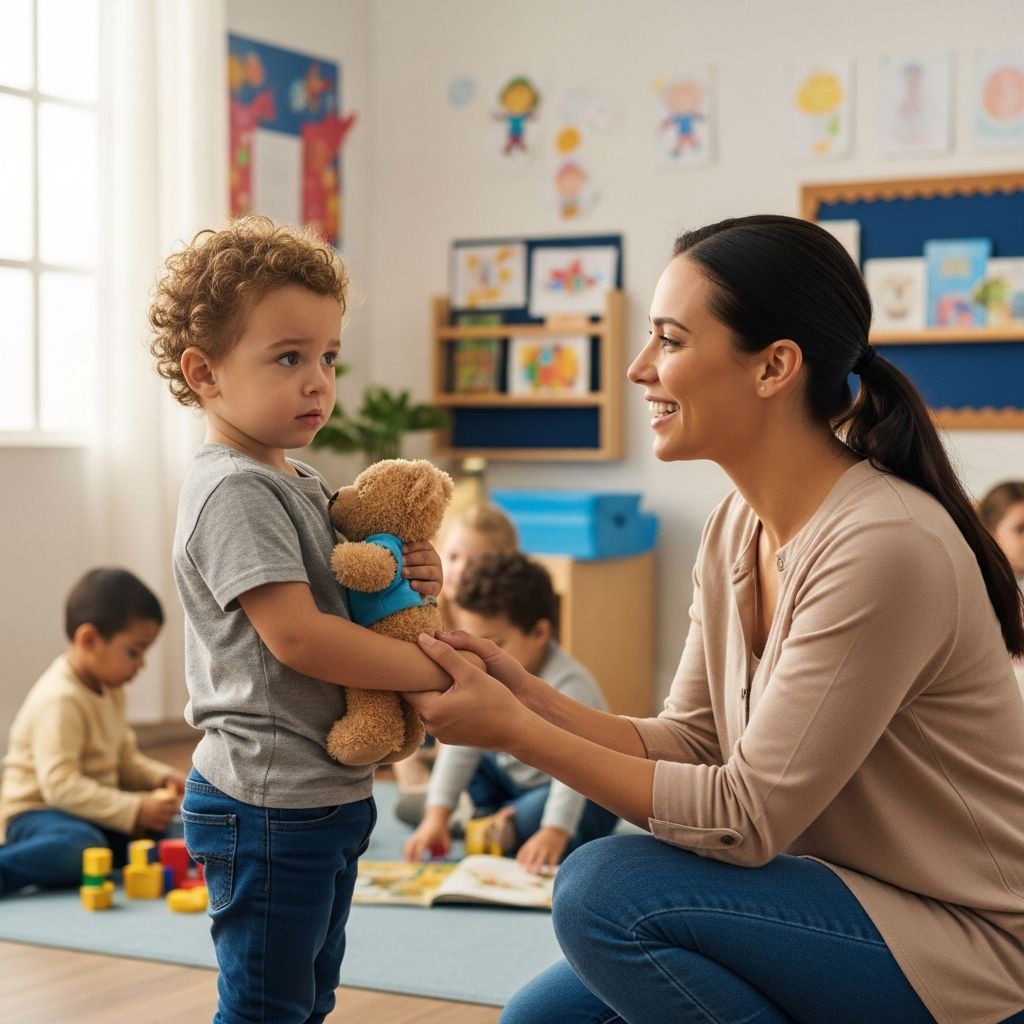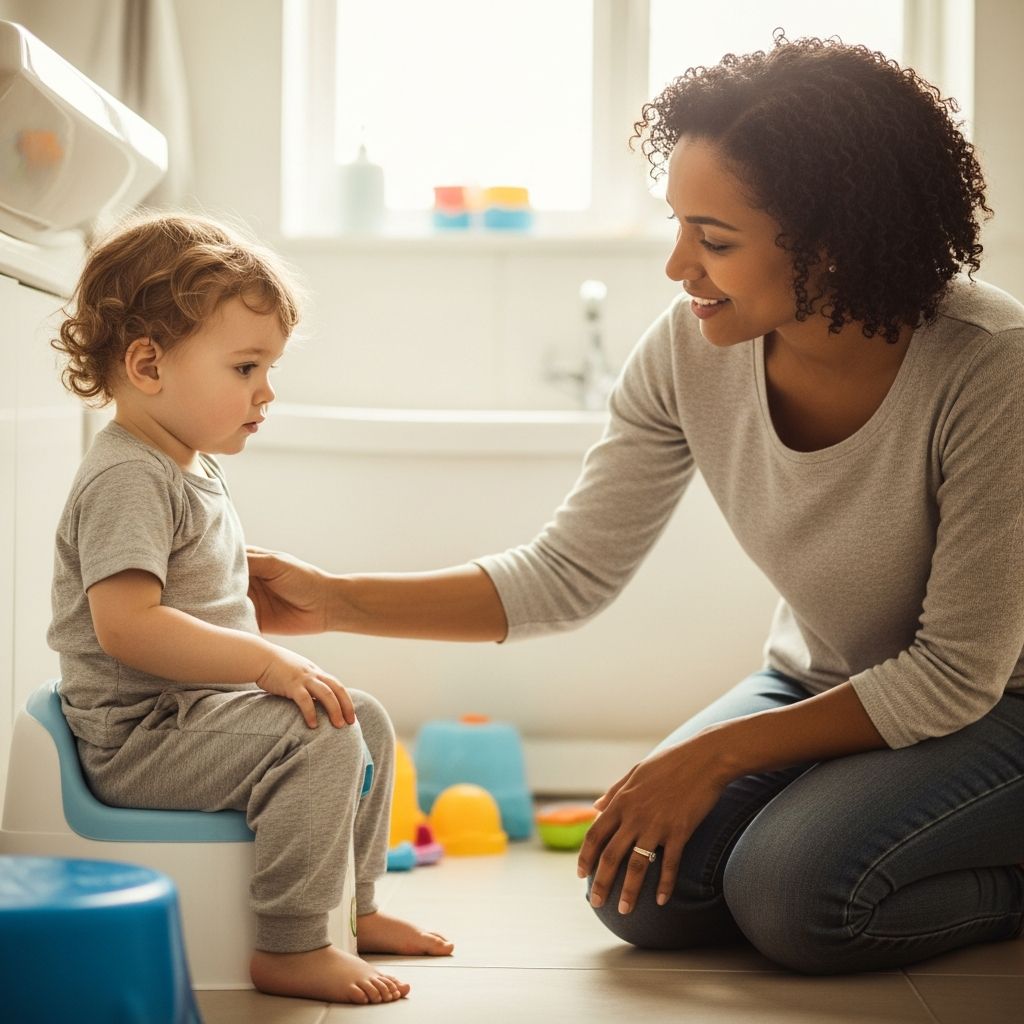
Some toddlers sprint toward the potty with curiosity and pride. Others dig in their heels, insist that diapers are just fine, and turn toilet training into a daily standoff. This guide focuses on that second group: the bright, stubborn, completely uninterested child who is technically capable but totally unmotivated.
Using research-informed guidance and practical ideas, you will learn how to reduce resistance, build internal motivation, and support your child’s growing independence without turning potty training into a power struggle.
Understanding Why Some Kids Resist the Potty
A toddler’s reluctance is rarely about laziness. It is usually about development, temperament, and control. Knowing what might be going on under the surface can help you respond calmly and effectively.
Common Reasons for Potty Resistance
- They are not fully ready developmentally – Toddlers need to be able to notice internal sensations, hold urine or stool briefly, walk to the potty, and understand simple directions before training can succeed.
- They value control – Toddlers are wired to seek autonomy. Using (or not using) the potty is one of the few things they can fully control.
- They dislike change – A child who clings to routines may see diapers as comforting and familiar, while the toilet feels strange or even scary.
- They feel pressure – When children sense urgency, bribes, or frustration from adults, they may push back harder, even if they are capable.
- They have had uncomfortable experiences – Constipation, painful stools, or being forced to sit too long can quickly poison the whole process.
Readiness vs. Willingness
It helps to separate two ideas:
- Readiness: your child has the physical, cognitive, and emotional skills needed to use the potty.
- Willingness: your child is interested and cooperative enough to practice and learn.
Many reluctant toddlers are physically ready but not yet willing. In that situation, pushing harder usually backfires. Instead, your goal is to gently increase curiosity and a sense of ownership while protecting your relationship.
Checking for True Potty Readiness
Pediatric experts emphasize that toilet training works best when both parent and child are ready, not just when an adult decides the time has come.
Signs Your Child May Be Ready
Look for a cluster of behaviors that suggest your child is capable of learning:
- Stays dry for at least 2 hours or wakes up from naps with a dry diaper.
- Has regular, fairly predictable bowel movements.
- Can walk to and from the bathroom and sit down steadily on a potty or toilet.
- Understands and can follow simple one-step directions (e.g., “Come here,” “Sit down”).
- Shows discomfort with dirty diapers or asks to be changed more quickly.
- Shows interest in what others do in the bathroom or in underwear.
- Can pull pants up and down with at least some help.
When to Consider Waiting
You may want to pause or slow down if:
- Your child becomes very upset when the potty is mentioned.
- There are major life changes happening (new sibling, move, starting school) and behavior is generally more fragile.
- There is a history of painful constipation or stool withholding. Medical guidance is important here.
Setting the Stage: Environment and Expectations
Before you ask a reluctant child to use the potty, set up the physical environment and family mindset for calmer, more predictable progress.
Make the Bathroom Toddler-Friendly
- Offer child-sized equipment – A small potty chair or a toilet insert with a stable step stool helps children feel secure.
- Keep everything within reach – Potty, wipes, toilet paper, books, and a small bin for clean underwear should be easy to see and grab.
- Remove unnecessary stress – Warm the bathroom if it is chilly, add a soft rug for bare feet, and keep lighting comfortable.
Use Routine, Not Pressure
Build neutral bathroom time into the day, even before your child is actively training. Pediatric advice suggests linking toilet visits to existing routines, such as waking up, after meals, and before bed.
- Let your child sit on the potty fully clothed at first while you read a quick story or sing a song.
- Gradually transition to sitting with a diaper off once they are comfortable.
- Keep early sits short and positive—one to three minutes is enough.
Language That Supports Learning
Simple, consistent words for body parts and bathroom actions help toddlers understand what is expected.
- Use words like pee, poop, potty, and wipe calmly and often.
- Avoid shaming phrases like “gross,” “dirty,” or “nasty.”
- Describe what is happening: “Your body is telling you poop is coming. Poop goes in the potty.”
Motivating the Unmotivated: Gentle Strategies That Work
Once your child is physically ready and familiar with the potty, you can focus on motivation. The goal is not to force compliance but to make using the potty feel safe, manageable, and rewarding.
Shift the Focus From You to Them
Resistant toddlers often respond better when they feel in charge of the process. You can support this by:
- Offering two acceptable choices: “Do you want to try the little potty or the big toilet with your seat?”
- Letting your child handle practical tasks: flushing, putting toilet paper in, washing hands.
- Inviting (not ordering): “Your body looks wiggly. Do you want to see if pee is ready to come out?”
Use Positive Reinforcement Thoughtfully
Small rewards can help some children get over the initial hump of trying the potty, as long as the tone stays light and not transactional.
- Immediate social rewards: smiles, high-fives, specific praise (“You listened to your body and made it to the potty on time.”).
- Activity-based rewards: an extra bedtime story, choosing the next game, a sticker on a simple chart.
- Avoid over-relying on candy or big prizes: these can shift focus away from internal pride and increase pressure if the child fails to earn them.
Normalize Accidents
Even after children learn to use the potty, accidents are common, especially under stress, distraction, or fatigue.
- Respond calmly: “Your pants are wet. Let’s get you some dry ones and try again next time.”
- Involve your child in cleanup in a matter-of-fact way (hand you clean underwear, place dirty clothes in a hamper) without criticism.
- Avoid punishments—research and pediatric guidelines warn that punishment can increase anxiety and worsen withholding or resistance.
Choosing a Training Pace for a Reluctant Child
There is no single “best” method for toilet training. Different families use different timelines, ranging from intensive weekend approaches to slow, child-led transitions. With a hesitant child, gentler pacing is usually more successful.
| Approach | Typical Pace | Best For | Watch Outs with a Reluctant Child |
|---|---|---|---|
| Fast-track or “boot camp” style | Intensive focus over a few days, frequent potty trips. | Highly interested, generally adaptable kids. | May increase power struggles or accidents if the child is not emotionally on board. |
| Child-led gradual training | Weeks to months, following child interest and readiness cues. | Kids who dislike pressure or need extra time with transitions. | Requires patience; progress can look slow or uneven. |
| Hybrid (structured but flexible) | Short, consistent practice daily; progress adjusted based on the child’s reactions. | Families wanting guidance but willing to slow down if resistance appears. | Adults must resist treating the plan as a race and be ready to pause. |
A Gentle, Stepwise Plan for the Resistant Toddler
The following outline blends child-led principles with practical structure. You can adapt the speed to your child’s reactions.
Step 1: Build Comfort and Curiosity
- Keep the potty visible in spaces where your child plays.
- Invite your child to sit on it fully clothed while reading or playing for a minute or two.
- Let them decorate the potty with washable stickers or choose its location.
- Talk casually about how bodies work and where pee and poop go, without asking them to perform.
Step 2: Connect Diapers to the Potty
- After a dirty diaper, empty the poop into the potty while your child watches and calmly say, “Poop belongs in the potty.”
- Have your child help flush and wash hands afterward.
- Do not shame diapers; simply present the potty as the next step for a growing body.
Step 3: Introduce Short, Low-Pressure Sits
- Choose predictable times (after breakfast, after snack, before bath) and offer a quick sit.
- Use a timer or short song to mark the end of potty time so the child knows it won’t last forever.
- If they say no, avoid battles; try again at the next routine moment.
Step 4: Transition to Underwear or Bare Bottom
When your child begins to cooperate with sitting and shows more awareness of diapers, you can gently transition:
- Let your child help pick out underwear with favorite colors or characters.
- On days at home, use loose pants or, in warm weather, short periods of bare-bottom time to increase body awareness, keeping a potty close by.
- Expect and plan for accidents; have several extra outfits ready.
Step 5: Reduce Reminders Over Time
- As your child starts to self-initiate, gradually reduce how often you ask, “Do you need to go?”
- Continue to suggest the potty at key transition times (before leaving the house, before naps, before bedtime).
- Celebrate growing independence more than dry pants: “You noticed in time and went all by yourself.”
Common Challenges and How to Handle Them
Almost every child hits at least one bump in the road. For a reluctant trainee, these challenges can be especially intense but are usually temporary.
Refusing to Sit on the Potty
- Pause active training for a few days and keep the potty available without comment.
- Return to Step 1: sitting fully clothed, reading, or playing a quick game.
- Offer control where you can: “Do you want me to read this book or that one while you sit?”
Holding Stool or Constipation
Painful bowel movements are a major cause of refusal and anxiety around the toilet. If your child seems to be avoiding pooping or stools are hard and infrequent:
- Talk with a pediatrician about diet, fluids, and whether a stool-softening plan is needed.
- Allow stools in a diaper while you address discomfort; forcing poop on the potty can worsen withholding.
- Once stools are soft and regular, gently reintroduce the potty with extra reassurance.
Nighttime vs. Daytime Training
Nighttime dryness depends more on sleep-related bladder control than on motivation. Many experts consider overnight wetting normal for years after daytime training.
- Focus first on daytime skills; keep bedtime routines calm and predictable.
- Use overnight diapers or training pants without shaming.
- If your child is consistently dry at night for several weeks, you can consider trying underwear with waterproof mattress protection.
Taking Care of Yourself During the Process
Helping a reluctant toddler learn to use the potty can be emotionally draining. Your calm presence and realistic expectations are as important as any technique.
Mindsets That Reduce Stress
- Progress is rarely linear – Good days and bad days are part of learning any new skill.
- This is not a parenting exam – Your child’s pace is not a measure of your worth or effort.
- Connection comes first – Preserving your relationship makes cooperation more likely in every area, including toileting.
Practical Supports for Parents
- Choose a training window when you can stay home more and are not overwhelmed by other obligations.
- Agree with other caregivers on language, routines, and how to respond to accidents, so your child gets consistent messages.
- Step away briefly if you feel yourself getting angry. It is better to take a break than to discipline in frustration.
Frequently Asked Questions (FAQs)
What age is “too late” to start potty training?
There is a wide range of normal. Many children start sometime between 18 and 36 months, but experts emphasize readiness signs over age alone. If your child is older than 3 and still strongly resisting, talk with your pediatrician to rule out medical or developmental concerns.
Should I force my child to sit on the potty if they refuse?
Forcing a reluctant child to sit, especially for long periods, can lead to fear, withholding, and bigger power struggles. Most pediatric guidance recommends gentle encouragement, choices, and short sits, while backing off if fear or intense distress appears.
Are rewards like candy harmful for potty training?
Small, short-term rewards can help some kids try something new, but they work best when paired with praise and a positive atmosphere. Over time, it is helpful to shift focus from treats to internal pride (“You listened to your body and did it yourself”). Avoid punishments for accidents, which can increase anxiety.
How long should I try before deciding our child “isn’t ready”?
If you see consistent distress, extreme resistance, or weeks of no progress despite calm, consistent efforts, it can be wise to pause for several weeks and focus on readiness skills and comfort with the potty. Training usually goes faster when both parent and child are genuinely ready to work together.
When should I worry and see a doctor?
Consult your pediatrician if your child has hard, painful stools, blood in the stool, frequent urinary accidents after being dry, seems to fear urinating or defecating, or if potty resistance is intense and long-lasting. Medical or developmental issues can be addressed, and you can get tailored advice.
References
- Toilet Training: Getting It Right — HealthyChildren.org / American Academy of Pediatrics. 2022-06-01. https://www.healthychildren.org/English/ages-stages/toddler/toilet-training/Pages/default.aspx
- Potty training: How to get the job done — Mayo Clinic Staff. 2023-03-22. https://www.mayoclinic.org/healthy-lifestyle/infant-and-toddler-health/in-depth/potty-training/art-20045230
- Five do’s and don’ts of potty training your toddler — UC Davis Health. 2023-05-10. https://health.ucdavis.edu/children/patient-education/potty-training-children
- Potty training techniques and methods — Parenting Science (Gwenaël Ross). 2022-04-15. https://parentingscience.com/potty-training-techniques/
- Potty training methods: Which is best for your child? — Huckleberry. 2022-08-01. https://huckleberrycare.com/blog/potty-training-methods-which-is-best-for-your-child