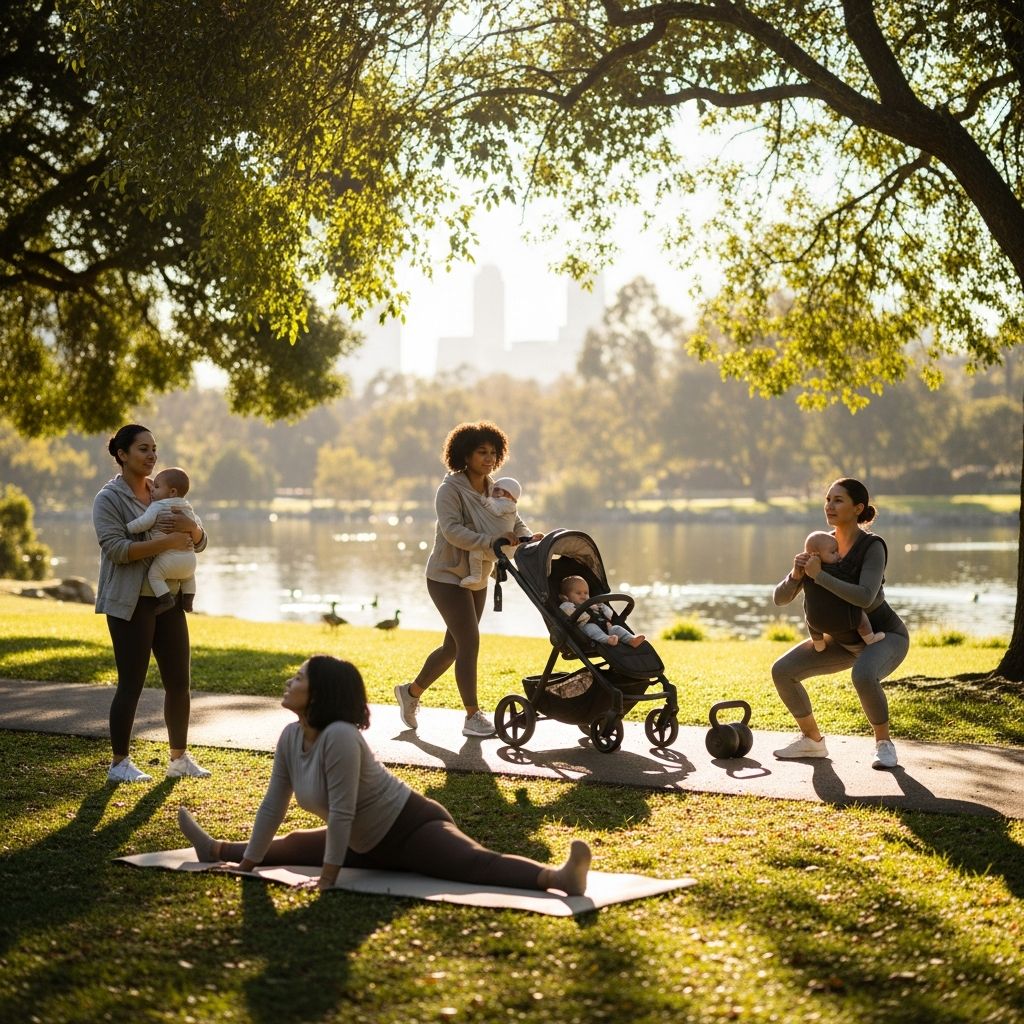
New mothers often seek ways to shed pregnancy pounds while prioritizing recovery and baby care. Sustainable postpartum weight loss focuses on gradual changes through nutrition, movement, hydration, and rest rather than quick fixes.
Understanding Your Postpartum Body
After delivery, hormonal shifts, fluid retention, and muscle recovery influence weight. Aim for 0.5-1 kg (1-2 lbs) loss per week to preserve energy and milk supply if breastfeeding. Exclusive breastfeeding burns extra calories—up to 500 daily—supporting natural fat loss after the initial months, though results vary.
Your body needs time: wait for medical clearance (typically 6-8 weeks postpartum) before intense activity. Factors like delivery type (vaginal vs. C-section) and pre-pregnancy fitness level guide timelines.
Nutrition Foundations for Lasting Results
Focus on nutrient-dense foods to fuel recovery and satiety. Breastfeeding mothers require 500 extra calories daily from wholesome sources.
- Whole grains and fiber-rich foods: Oats, quinoa, and brown rice stabilize blood sugar and aid digestion, combating constipation common postpartum.
- Lean proteins: Chicken, fish (low-mercury options), eggs, beans, and nuts build muscle and curb hunger.
- Vibrant produce: Fill half your plate with vegetables and fruits for vitamins, hydration, and low-calorie bulk.
Avoid skipping meals—opt for 5-6 small ones plus snacks to maintain energy and prevent binges. Sample daily intake: breakfast oatmeal with berries; mid-morning yogurt and nuts; lunch salad with grilled chicken; afternoon fruit; dinner salmon, veggies, and quinoa.
Plate Method for Balanced Meals
| Plate Section | Food Examples | Benefits |
|---|---|---|
| 50% Vegetables/Fruits | Leafy greens, broccoli, apples, berries | Fiber for fullness, vitamins for healing |
| 25% Whole Grains | Brown rice, whole wheat bread, barley | Sustained energy, gut health |
| 25% Protein | Tofu, turkey, lentils, Greek yogurt | Muscle repair, breastfeeding support |
This approach ensures balanced macros without calorie counting.
Hydration’s Role in Weight Management
Dehydration mimics hunger and slows metabolism. Aim for 3-4 liters of water daily, more if breastfeeding. Swap sugary drinks for infused water, herbal teas, or seltzer to cut empty calories.
- Track intake with a marked bottle.
- Pair meals with a full glass to enhance fullness.
- Include water-rich foods like cucumbers and watermelon.
Hydration supports milk production and reduces swelling.
Safe Exercise Routines to Build Strength
Start with clearance from your provider. The CDC recommends 150 minutes weekly of moderate aerobic activity, like brisk walking, plus strength training twice weekly.
Begin gently:
- Week 1-4: Pelvic floor exercises (Kegels), deep breathing, short walks with baby stroller.
- Week 5+: Yoga, swimming, or cycling for 20-30 minutes.
- Advanced: Bodyweight squats, planks for core rebuilding.
Exercise aids fat loss over muscle, boosting mood via endorphins. Incorporate baby: carrier walks or floor play strengthen bonds and muscles.
Weekly Exercise Sample Plan
| Day | Activity | Duration |
|---|---|---|
| Monday | Brisk walk | 30 min |
| Tuesday | Yoga flow | 20 min |
| Wednesday | Rest or light stretch | 15 min |
| Thursday | Strength circuit (squats, lunges) | 25 min |
| Friday | Swim or bike | 30 min |
| Weekend | Family walk + core work | 40 min |
Total: ~150 min moderate activity.
Breastfeeding and Weight Loss Synergy
Exclusive breastfeeding for 6 months promotes 0.5-1 kg weekly loss by mobilizing fat stores. Combine with diet for optimal results; no extra calories needed if lactation fails. Monitor supply—adequate nutrition prevents dips.
Mindset and Lifestyle Integration
Self-compassion is key: prioritize sleep (nap when baby naps), manage stress with meditation. Track progress weekly, not daily, to avoid frustration. Sustainable habits over 6-12 months yield 5-10% body weight reduction.
- Weigh weekly, same time/conditions.
- Journal food and mood for patterns.
- Seek support: postpartum groups or apps.
Common Pitfalls to Avoid
Steer clear of fad diets—they deplete nutrients vital for you and baby. Limit processed foods high in sugar/fats that spike cravings. Don’t over-exercise early; rapid loss risks muscle and fatigue.
Frequently Asked Questions (FAQs)
Q: How soon can I start exercising postpartum?
A: After medical clearance, usually 6 weeks. Begin with walks and build gradually.
Q: Does breastfeeding guarantee weight loss?
A: It helps burn calories but pairs best with diet and exercise; initial gain is common.
Q: What if I’m not losing weight at 3 months?
A: Adjust calories by 500 daily safely, ensure sleep/hydration, consult a doctor.
Q: Can I count calories while breastfeeding?
A: Focus on quality over strict counts; aim for nutrient balance.
Q: How much water should I drink?
A: 3-4 liters daily, more if active or nursing.
Long-Term Success Strategies
View this as lifestyle building: meal prep Sundays, involve family in healthy cooking. Reassess goals quarterly. Professional guidance from dietitians or trainers specializing in postpartum care accelerates progress.
By month 6, many reach pre-pregnancy weights with consistency. Celebrate non-scale victories: energy levels, strength gains, better sleep.
References
- Strategies for Effective Postpartum Weight Loss — Happy Family Organics. 2023. https://www.happyfamilyorganics.com/learning-center/article/strategies-for-effective-postpartum-weight-loss/
- Post pregnancy exercise and nutrition tips — HealthPartners Blog. 2024-01-15. https://www.healthpartners.com/blog/postpartum-weight-loss/
- Losing Weight After Pregnancy — UF Health. 2023. https://ufhealth.org/care-sheets/losing-weight-after-pregnancy
- Clinical Practice Guidelines for Weight Management in Postpartum Women — PMC (NCBI). 2022-04-08. https://pmc.ncbi.nlm.nih.gov/articles/PMC9008111/
- 16 Effective Tips to Lose Baby Weight After Pregnancy — Healthline. 2024. https://www.healthline.com/nutrition/weight-loss-after-pregnancy