Understanding the Hormonal Landscape: Postpartum Versus Perimenopause
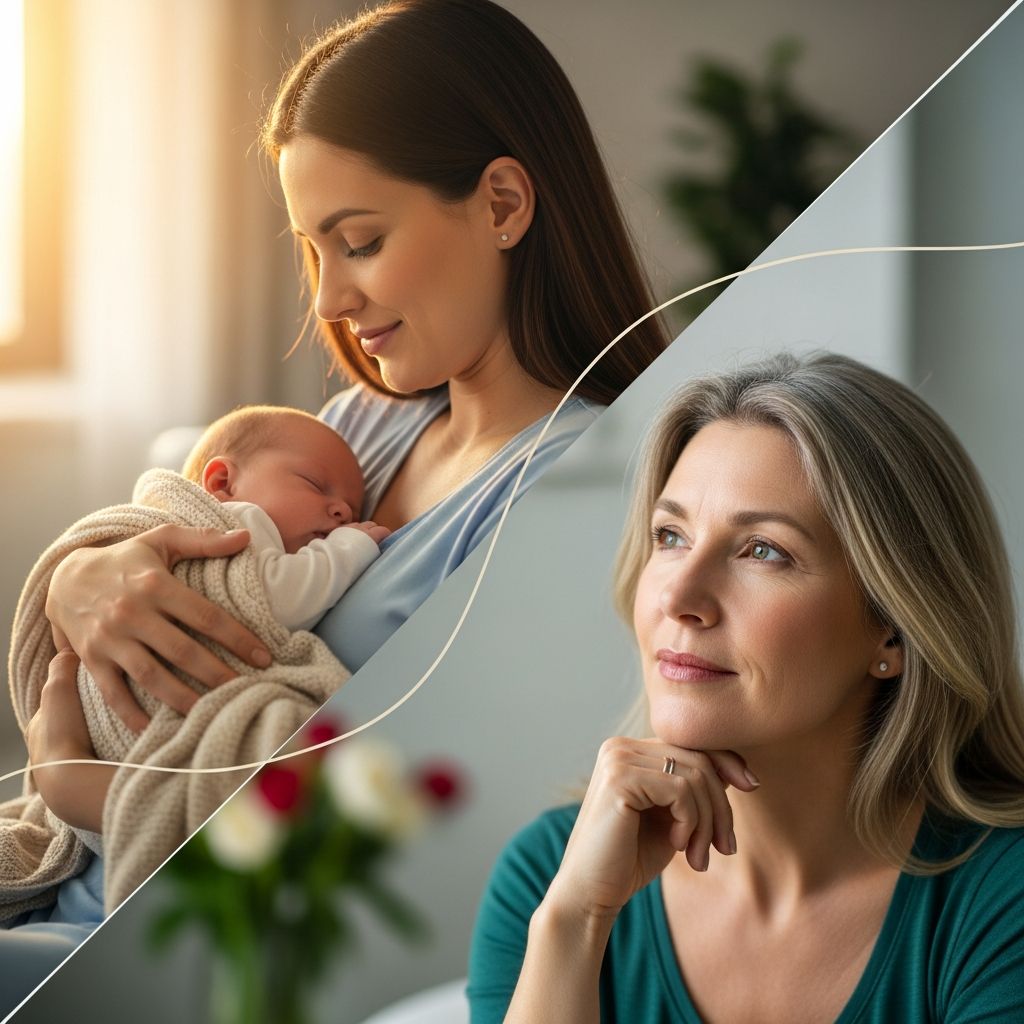
Women navigating their reproductive years face multiple hormonal transitions, and two of the most significant are the postpartum period and perimenopause. While these life stages occur at different times in a woman’s reproductive cycle, their symptom profiles can be remarkably similar, creating considerable confusion about what a woman is actually experiencing. This confusion intensifies when a woman becomes pregnant while already in perimenopause, a phenomenon that is increasingly common as more women choose to have children later in their reproductive years.
The challenge lies in the fact that both postpartum recovery and perimenopause involve dramatic fluctuations in estrogen and progesterone. These hormonal swings trigger overlapping physical and emotional symptoms, making it difficult for women—and sometimes even healthcare providers—to pinpoint which transition is responsible for a particular symptom. Understanding the distinct characteristics of each condition, along with their potential overlap, is essential for women to receive appropriate support and treatment.
The Postpartum Hormonal Transition Explained
The postpartum period encompasses the months following childbirth when a woman’s body undergoes significant physiological changes. One of the most dramatic shifts occurs in hormone levels. During pregnancy, estrogen and progesterone levels rise substantially to support fetal development and prepare the body for childbirth. Within the first six weeks after delivery, these hormone levels plummet by up to one hundredfold, a decrease so rapid that it rivals the hormonal shifts seen in menopausal women.
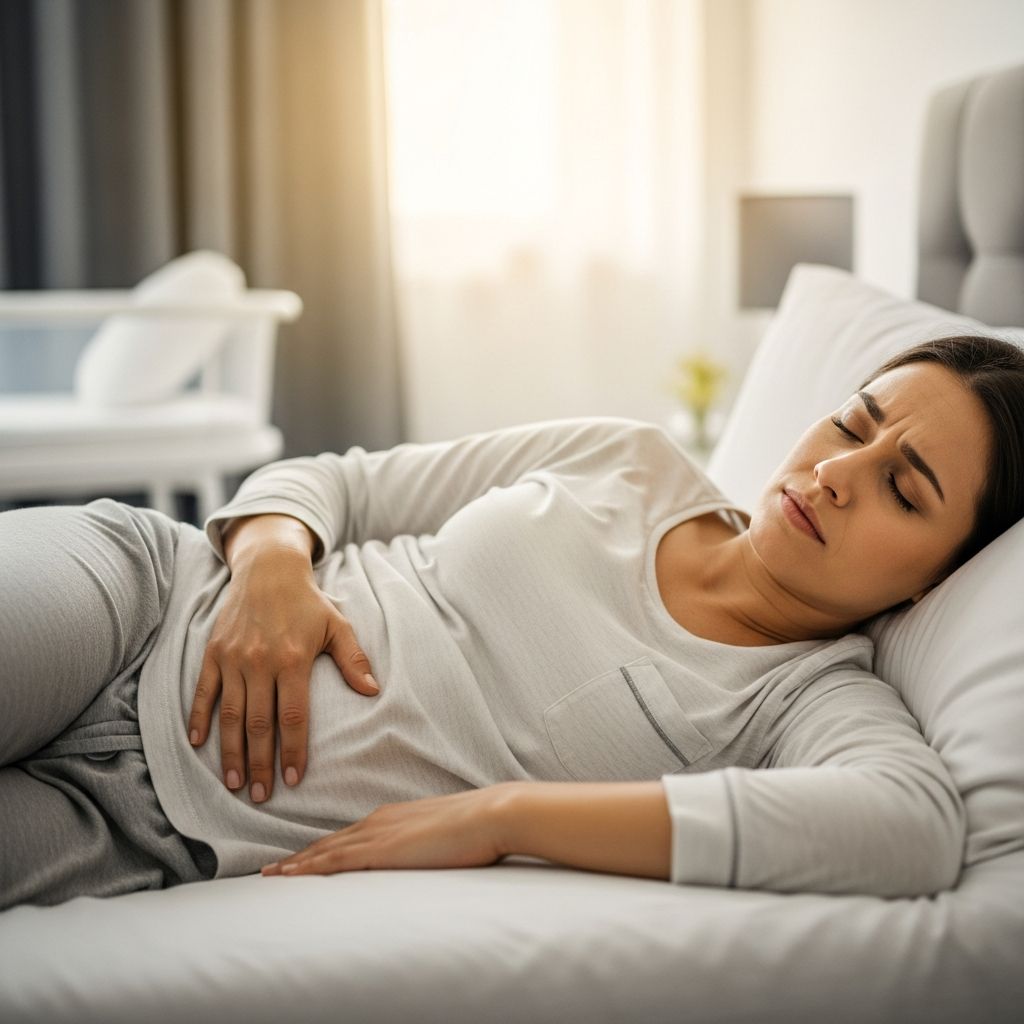
This precipitous drop in estrogen and progesterone triggers a cascade of physical symptoms. Many new mothers experience hot flashes and night sweats despite the common misconception that these are exclusively menopausal symptoms. Sleep disruption compounds these physical changes, partly due to the hormonal fluctuations themselves and partly due to the demands of newborn care. Mood changes are particularly pronounced during this period, with up to 85 percent of new mothers experiencing the “baby blues,” a condition characterized by emotional lability, mild anxiety, and temporary sadness.
The timeline for postpartum hormone stabilization typically spans six to twelve months, though some women report not feeling entirely like themselves for two to three years. During this extended recovery period, women may experience fatigue, difficulty concentrating, mood instability, and physical discomfort as their bodies recalibrate hormone production and manage the ongoing demands of recovery and childcare.
Perimenopause: The Decade of Hormonal Uncertainty
Perimenopause represents the years leading up to menopause, a transition that can last anywhere from four to ten years and typically occurs in a woman’s 40s or early 50s. Unlike the postpartum period, which has a defined endpoint, perimenopause is characterized by gradual and irregular hormonal fluctuations rather than a sharp decline. During these years, estrogen and progesterone levels become increasingly erratic, sometimes spiking and sometimes dropping within the same cycle.
This unpredictability generates a distinctive symptom pattern. Women in perimenopause commonly report hot flashes and night sweats that can be debilitating, interrupting sleep and affecting daily functioning. Mood changes during perimenopause differ somewhat from postpartum mood changes in that perimenopausal women are twice as likely to experience clinical depression compared to women in their reproductive years. Additionally, menstrual irregularities become increasingly pronounced, with periods becoming heavier, lighter, or skipped entirely.
Brain fog represents another hallmark of perimenopause, with women describing difficulty concentrating, memory lapses, and word-finding challenges. The pelvic floor also undergoes significant changes during perimenopause, as declining estrogen levels affect the elasticity and strength of pelvic floor muscles. This can result in urinary incontinence, vaginal dryness, and discomfort during sexual intercourse. Weight gain and metabolic changes frequently accompany perimenopause, even without changes in diet or exercise patterns.
The Symptom Overlap: Where Postpartum and Perimenopause Collide
The symptom overlap between postpartum recovery and perimenopause is striking and accounts for much of the diagnostic confusion women experience. Both conditions produce the following symptoms:
- Hot flashes and night sweats
- Mood disturbances including anxiety and depression
- Sleep disruption and insomnia
- Menstrual irregularities
- Brain fog and cognitive difficulty
- Pelvic floor dysfunction
- Changes in libido
- Vaginal dryness and discomfort
- Fluid retention and bloating
- Fatigue and energy fluctuations
This extensive overlap means that a woman experiencing multiple symptoms may struggle to determine whether her symptoms reflect normal postpartum recovery, the onset of perimenopause, or both simultaneously. The situation becomes even more complex for women who are breastfeeding while simultaneously managing perimenopausal symptoms. When a woman is exclusively nursing, estrogen levels remain suppressed to inhibit ovulation, perpetuating the low-hormone state characteristic of early postpartum recovery. If this low-hormone state collides with the hormonal volatility of perimenopause, symptoms can intensify considerably.
The Role of Hormones in Mood and Mental Health
Both estrogen and progesterone play crucial roles in brain function and emotional regulation. Estrogen influences neurotransmitter production, including serotonin and dopamine, which are fundamental to mood stability. Progesterone acts as a natural mood stabilizer and anxiolytic, promoting feelings of calm and well-being.
During the postpartum period, the dramatic decline in these hormones can precipitate mood disorders. While the “baby blues” affect the majority of new mothers mildly and temporarily, some women develop postpartum depression or postpartum anxiety, which are more severe and persistent conditions. Risk factors for postpartum mood disorders include a personal or family history of depression, lack of social support, and advanced maternal age. Women who give birth after age 35 demonstrate significantly higher rates of postpartum depression compared to younger mothers.
The mood impacts of perimenopause are equally significant. The erratic fluctuations in estrogen and progesterone during the perimenopausal years create an unstable neurochemical environment. Women experiencing perimenopause report increased anxiety, unexplained irritability, overwhelming emotional responses to minor stressors, and depressive episodes. When a woman is simultaneously managing postpartum recovery and perimenopause, the combined hormonal turbulence can create what clinicians describe as a “perfect storm” of emotional distress, significantly elevating the risk for clinical mood disorders.
Distinguishing Features: Key Differences Between the Two Conditions
While symptom overlap is substantial, certain features help differentiate postpartum recovery from perimenopause:
| Feature | Postpartum Recovery | Perimenopause |
|---|---|---|
| Timeline | Typically 6-12 months; up to 3 years for some | 4-10 years; no defined endpoint |
| Hormonal Pattern | Rapid initial drop, gradual stabilization | Gradual, erratic fluctuations over years |
| Menstrual Status | Absent during breastfeeding; returns predictably | Increasingly irregular; unpredictable timing and flow |
| Physical Recovery | Wound healing, vaginal recovery, uterine involution | No acute physical healing; structural changes minimal |
| Relaxin Hormone | Present, affecting joint and muscle stability | Absent; not a factor |
| Cognitive Changes | Temporary “postpartum brain”; typically resolves | Persistent brain fog; may worsen over time |
The Additional Factor: Relaxin and Pelvic Floor Changes
An important hormonal player in postpartum recovery that does not affect perimenopause is relaxin, a pregnancy hormone that loosens ligaments and connective tissues throughout the body. Relaxin facilitates childbirth and remains elevated during breastfeeding, even months after delivery. This hormone contributes to pelvic floor laxity, reduced joint stability, and altered core function in postpartum women.
When a woman is simultaneously managing postpartum recovery with persistent relaxin influence and perimenopausal estrogen decline, her pelvic floor faces a double challenge. Estrogen loss reduces muscle tone and elasticity, while relaxin continues to loosen supporting structures. This combination intensifies pelvic floor dysfunction, making urinary incontinence, painful intercourse, and pelvic pain more pronounced than either condition would produce independently.
Mental Health Implications and Long-Term Considerations
A critical distinction between postpartum recovery and perimenopause involves the trajectory of mental health risks. Postpartum depression and anxiety, while serious and requiring treatment, typically resolve within the postpartum period once hormones stabilize and supportive interventions are implemented. However, if a woman develops postpartum depression, her risk for depression during perimenopause increases substantially. The brain’s neurochemical sensitivity to hormonal fluctuation appears to be established during the first major hormonal transition after childbirth.
Perimenopause represents an ongoing mental health vulnerability that extends until after menopause is complete. Some women experience mood improvements after menopause, while others find that depressive or anxious symptoms persist despite hormonal stabilization. Additionally, emerging research suggests that both postpartum recovery and perimenopause may trigger or exacerbate autoimmune conditions. Women undergoing hormonal transitions demonstrate elevated rates of autoimmune disease diagnosis or flares of existing conditions.
When Timing Intersects: Pregnancy During Perimenopause
As women increasingly delay childbearing, an increasing number become pregnant while already in perimenopause. In these cases, pregnancy itself may temporarily mask perimenopausal symptoms, as pregnancy hormones surge to levels that suppress the perimenopausal hormonal turbulence. However, after delivery, women face a compounded hormonal challenge: postpartum hormone decline occurring against a background of perimenopausal hormonal instability.
These women frequently report that postpartum recovery feels more intense than previous postpartum experiences, with symptoms persisting longer and affecting quality of life more significantly. The postpartum period may feel like the hormonal rollercoaster never stabilizes, transitioning directly from postpartum volatility into perimenopausal volatility without an intervening period of hormone stability.
Diagnostic Approaches and Medical Evaluation
Accurate diagnosis requires a comprehensive history and clinical evaluation. Healthcare providers should assess the following factors:
- Time since last childbirth and current breastfeeding status
- Menstrual cycle pattern and any changes to previously established patterns
- Age and reproductive history
- Duration of current symptoms and any triggers or patterns
- Previous episodes of mood disorders or hormonal sensitivity
- Family history of early menopause or mood disorders
- Timing of symptom onset relative to delivery or menstrual cycle changes
Hormone testing can provide additional information, though hormonal fluctuations make a single test less reliable than with postmenopausal women. A woman with regular, predictable periods who is within the first postpartum year is most likely experiencing postpartum recovery. A woman with increasingly erratic periods, approaching her late 40s or 50s, with no recent pregnancy is most likely experiencing perimenopause. A woman with both recent childbirth and menstrual irregularities may be experiencing both conditions.
Treatment Strategies: Tailoring Interventions to the Condition
Treatment approaches differ based on whether a woman is managing postpartum recovery, perimenopause, or both. For postpartum recovery, supportive therapies including counseling, sleep support, physical therapy for pelvic floor and core recovery, and social support are foundational. When postpartum depression or anxiety develops, selective serotonin reuptake inhibitors (SSRIs) are effective and safe for breastfeeding mothers, combined with cognitive behavioral therapy.
For perimenopause, hormone replacement therapy (HRT) effectively addresses hot flashes, night sweats, mood changes, and vaginal symptoms. Non-hormonal medications including certain antidepressants and anti-anxiety medications provide alternatives for women who prefer to avoid or cannot take HRT. Lifestyle modifications including regular exercise, adequate sleep, stress management, and dietary adjustments support symptom management in both conditions.
When both conditions overlap, treatment requires careful coordination. Some women benefit from a combination approach including HRT to address perimenopausal symptoms, targeted psychological support for mood management, and physical therapy for pelvic floor and core recovery. The timing of HRT initiation after delivery requires careful consideration with healthcare providers, as some women can safely begin HRT a few months postpartum, while others should wait longer.
Frequently Asked Questions
Q: Can a woman become pregnant during perimenopause?
A: Yes, women in perimenopause remain capable of becoming pregnant because the perimenopausal ovaries still produce eggs, albeit irregularly. Contraception remains necessary unless a woman is attempting to conceive.
Q: How long do postpartum symptoms typically last?
A: Most postpartum hormonal symptoms resolve within 6 to 12 months after delivery. However, some women report not feeling entirely like themselves for up to three years, particularly regarding mood, energy, and cognitive function.
Q: Is it safe to take hormone replacement therapy while breastfeeding?
A: HRT can interfere with breast milk production, so timing is important. Most healthcare providers recommend waiting several months after delivery or stopping exclusive breastfeeding before initiating HRT. Individual circumstances vary, and this decision should be made collaboratively with a healthcare provider.
Q: Can postpartum depression and perimenopause happen simultaneously?
A: Yes, if a woman is already in perimenopause when she becomes pregnant and delivers, she will face both postpartum hormonal recovery and perimenopausal hormonal volatility simultaneously, increasing mental health risks.
Q: What are the warning signs that postpartum symptoms have evolved into perimenopause?
A: Warning signs include menstrual cycles that return but become increasingly irregular, persistence of symptoms beyond the typical postpartum timeline, new symptom onset beyond the early postpartum period, and symptoms that worsen rather than improve over time.
Q: How does breastfeeding affect the postpartum hormonal recovery timeline?
A: Exclusive breastfeeding suppresses ovulation and maintains low estrogen levels, which can extend the postpartum hormonal adjustment period. When breastfeeding stops, estrogen levels rise relatively quickly, and menstruation typically returns within several months.
References
- The Intersection of Postpartum & Perimenopause — The Alliance Center CT. Accessed January 2026. https://www.thealliancecenterct.com/blog/the-intersection-of-postpartum-and-perimenopause
- Postpartum or Perimenopause: How to Tell the Difference — Restore Hope PT. Accessed January 2026. https://restorehopept.com/postpartum-or-perimenopause-how-to-tell-the-difference/
- What Will Postpartum Look Like If I’m in Perimenopause? — Parent Data. Accessed January 2026. https://parentdata.org/what-will-postpartum-look-like-if-im-in-perimenopause/
- Parenting During Perimenopause — The Bump. Accessed January 2026. https://www.thebump.com/a/parenting-during-perimenopause
- Is it Postpartum, Perimenopause, or Both? — TārāMD. Accessed January 2026. https://www.taramd.com/post/is-it-postpartum-perimenopause-or-both