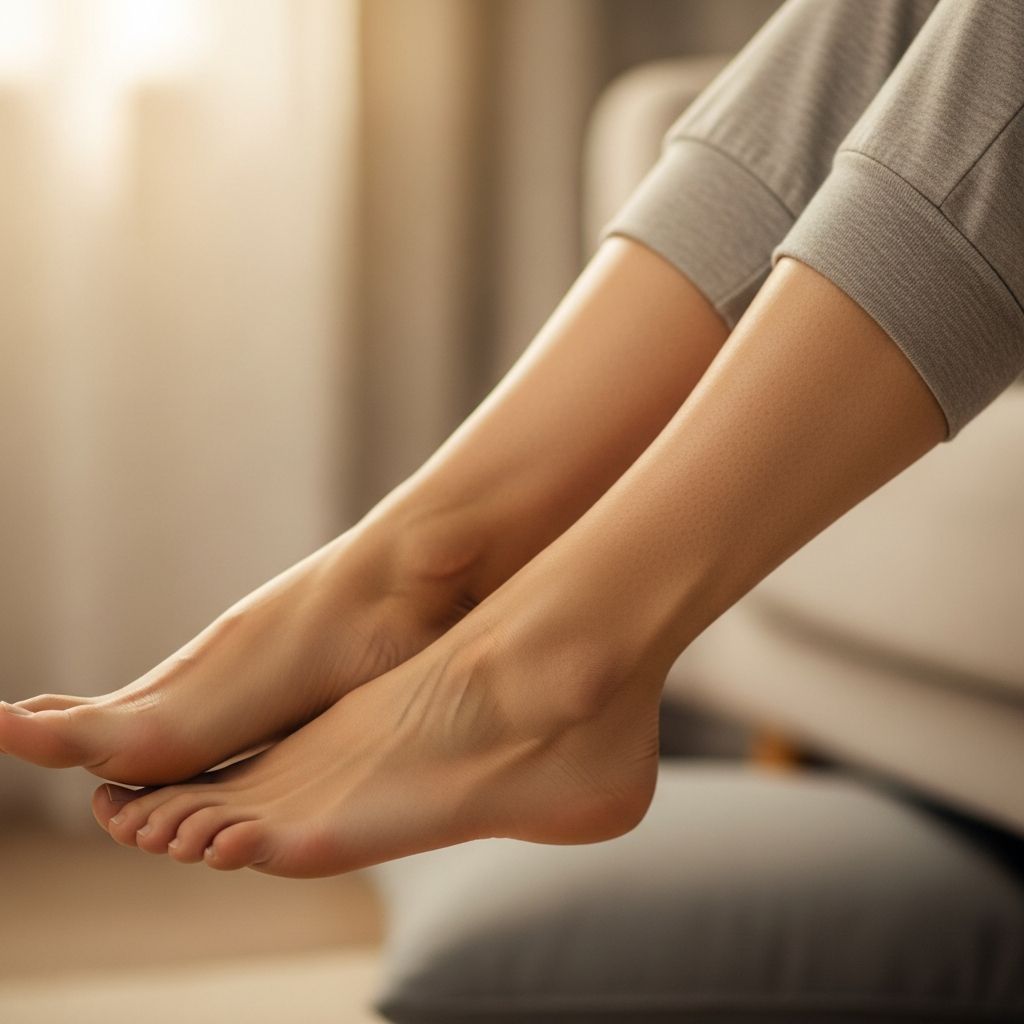
Swelling after giving birth, known medically as postpartum edema, affects many new mothers, causing puffiness in the feet, ankles, legs, hands, and face. This temporary condition stems from the body’s adjustments post-delivery and typically resolves within one to two weeks with proper care.
Understanding the Physiology Behind Postpartum Edema
During pregnancy, a woman’s body increases blood volume by up to 50% to nourish the fetus, leading to fluid accumulation in tissues. After birth, hormonal shifts cause blood vessels to constrict gradually, pushing excess fluid into extremities. Labor exacerbates this: prolonged pushing shifts fluids downward, while IV fluids administered during delivery—especially in C-sections or inductions—add to the volume that kidneys must process.
Other contributors include reduced mobility from recovery, hot weather promoting fluid retention, and dietary factors like high sodium intake that hinder elimination. For C-section mothers, immobility and surgical fluids intensify symptoms compared to vaginal births, though both groups experience similar resolutions.
Common Areas Affected and What to Expect
- Feet and ankles: Most noticeable due to gravity pulling fluids downward; shoes may feel tight.
- Legs: Calves and thighs can puff up, making movement uncomfortable.
- Hands and face: Rings tighten, and facial bloating creates a rounded appearance.
- Abdomen: Less common but possible from uterine involution releasing stored fluids.
Symptoms peak 2-5 days postpartum and subside as the body excretes 1-3 pounds of fluid daily through urine and sweat. Breastfeeding aids this by boosting diuresis via oxytocin and prolactin hormones.
Timeline for Resolution: How Long Does It Last?
Most swelling diminishes within 7-14 days, with full resolution by 4-6 weeks for uncomplicated cases. Factors prolonging it include C-section recovery (up to 3 weeks extra), preeclampsia history, or poor circulation. Track progress: if pitting edema (indentation from pressure) persists beyond two weeks, consult a provider.
| Time Postpartum | Expected Changes | Management Focus |
|---|---|---|
| Days 1-3 | Peak swelling | Rest, elevate, hydrate |
| Days 4-7 | Noticeable reduction | Add gentle movement |
| Weeks 2-4 | Minimal to none | Monitor diet, exercise |
| Beyond 4 weeks | Should be resolved | Seek medical evaluation |
Proven Strategies to Alleviate Swelling Naturally
Targeted home remedies enhance circulation, promote lymphatic drainage, and support kidney function without medications.
Hydration and Nutrition Adjustments
Counterintuitively, increasing water intake to 11+ cups daily flushes retained fluids; dehydration worsens retention. Prioritize potassium-rich foods (bananas, spinach, avocados) to balance sodium, and limit processed items high in salt (under 2,300mg/day). Incorporate diuretics like cucumber, watermelon, and leafy greens.
Physical Positioning and Support
- Elevate legs above heart level for 20 minutes several times daily to counter gravity.
- Wear compression socks or stockings to improve venous return; opt for medical-grade if severe.
- Choose loose clothing and comfortable, wide-toed shoes to avoid constriction.
Cooling and Movement Techniques
Apply cold compresses or ice packs wrapped in cloth to swollen areas for 10-15 minutes to constrict vessels. Gentle exercises like walking, postpartum yoga, or swimming (once cleared) boost circulation without strain. Avoid prolonged standing or sitting.
Massage and Additional Therapies
Self-massage or partner-assisted strokes from extremities toward the heart stimulate lymph flow; professional postpartum massage enhances benefits like hormone regulation and sleep. Foam rolling legs and Epsom salt baths provide soothing relief.
Special Considerations for Different Birth Experiences
C-section patients face heightened swelling from anesthesia fluids, antibiotics, and bed rest; prioritize early ambulation as advised. Vaginal birth mothers may notice perineal puffiness alongside leg edema. Breastfeeding mothers benefit from frequent nursing to accelerate fluid loss.
For those with multiples or high-risk pregnancies, swelling may linger; integrate core-strengthening postpartum programs to address related issues like diastasis recti.
Recognizing When Swelling Signals a Problem
While common, persistent or one-sided swelling, accompanied by severe headache, vision changes, shortness of breath, chest pain, or calf tenderness, warrants immediate care. These may indicate deep vein thrombosis (DVT), preeclampsia postpartum, or infection. Sudden weight gain over 2 pounds in a day or non-pitting edema also flags issues. Contact your OB-GYN or go to ER if symptoms escalate.
Lifestyle Integration for Lasting Recovery
Beyond acute remedies, build habits: daily 20-minute walks, balanced meals, and 7-9 hours sleep facilitate healing. Postpartum support groups or apps tracking symptoms aid monitoring. Patience is key—your body performed an extraordinary feat and needs time to recalibrate.
Frequently Asked Questions
Is postpartum swelling dangerous?
Usually not; it’s a normal fluid shift. Monitor for red flags like unilateral swelling or breathing issues.
Does breastfeeding help reduce swelling?
Yes, it promotes diuresis and hormonal balance, speeding resolution.
Can I use diuretics for postpartum swelling?
Avoid over-the-counter diuretics; consult your doctor, especially if breastfeeding, as natural methods suffice for most.
How does C-section swelling differ from vaginal birth?
C-sections often involve more IV fluids and immobility, intensifying symptoms, but remedies are identical.
When can I start exercising to help swelling?
Begin with walking post-hospital discharge; add yoga or Pilates after 4-6 week checkup.
Empowering Your Postpartum Journey
Postpartum swelling, though uncomfortable, is transient and manageable. By understanding its roots and applying evidence-based remedies, new mothers can reclaim comfort swiftly. Prioritize self-care, lean on support, and celebrate your body’s resilience.
References
- Postpartum Swelling: Natural Treatments — Healthline. 2016-04-04. https://www.healthline.com/health/pregnancy/postpartum-swelling
- 4 Tips to Reduce Postpartum Swelling — Every Mother. N/A. https://every-mother.com/empower/when-does-swelling-after-pregnancy-go-down
- Postpartum Swelling: Causes, Symptoms, and Treatments — Aeroflow Breastpumps. N/A. https://aeroflowbreastpumps.com/blog/postpartum-swelling
- Postpartum swelling: Causes and 10 natural treatments — Medical News Today. N/A. https://www.medicalnewstoday.com/articles/322504
- Postpartum Swelling: What is It & How Long Does It Last? — Natural Cycles. N/A. https://www.naturalcycles.com/cyclematters/postpartum-swelling
- What to Know About Postpartum Swelling — WebMD. N/A. https://www.webmd.com/baby/postpartum-swelling-what-is-it
- Postpartum: Stages, Symptoms & Recovery Time — Cleveland Clinic. N/A. https://my.clevelandclinic.org/health/articles/postpartum