Understanding Postpartum Sweating
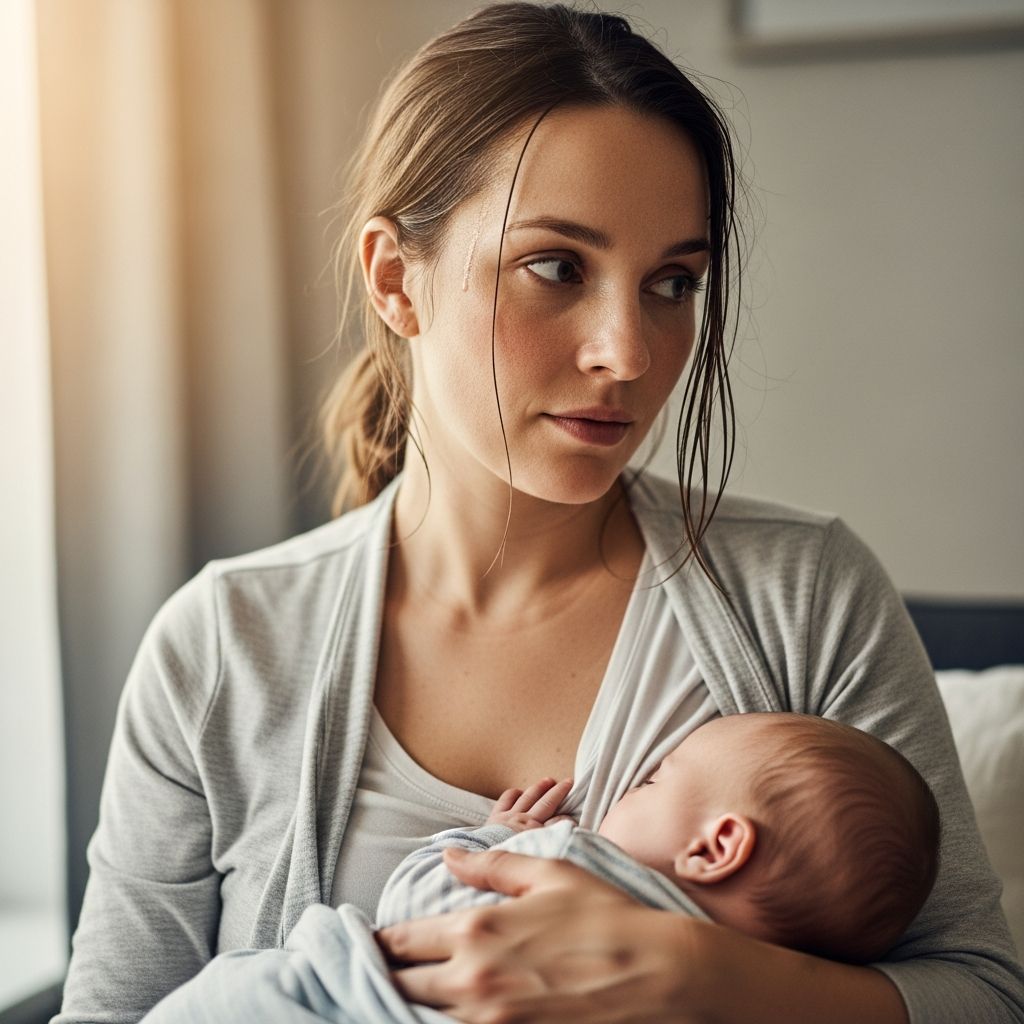
After childbirth, many women experience a sudden and often overwhelming increase in sweating. This phenomenon, commonly referred to as postpartum sweating, is a natural response to the dramatic hormonal shifts that occur as the body transitions from pregnancy to recovery. While it can be uncomfortable and sometimes embarrassing, it is a sign that the body is working to restore balance and eliminate excess fluids accumulated during pregnancy.
Why Sweating Happens After Childbirth
Postpartum sweating is primarily driven by hormonal changes. During pregnancy, the body retains extra fluids to support the growing baby. After delivery, these fluids are released, and the body works to regulate its temperature and hormone levels. This process often results in excessive sweating, especially at night, as the body sheds the extra water weight and adjusts to its new state.
- Hormonal fluctuations, particularly in estrogen and progesterone, play a major role.
- The body is eliminating excess fluids accumulated during pregnancy.
- Sweating is more common in the first few weeks after delivery, but can persist for several months.
Physical and Emotional Impact
While postpartum sweating is a normal physiological response, it can have both physical and emotional effects. Physically, it may lead to dehydration, skin irritation, and disrupted sleep. Emotionally, the constant discomfort and unpredictability can add to the stress and fatigue that many new mothers already experience.
| Physical Effects | Emotional Effects |
|---|---|
| Dehydration | Increased anxiety |
| Skin irritation | Feelings of embarrassment |
| Sleep disruption | Heightened stress |
Practical Tips for Managing Postpartum Sweating
There are several strategies new mothers can use to manage postpartum sweating and improve their comfort during this transitional period:
- Stay hydrated by drinking plenty of water throughout the day.
- Wear loose, breathable clothing made from natural fibers like cotton.
- Keep the bedroom cool and well-ventilated, especially at night.
- Use absorbent towels or sheets to protect bedding.
- Practice good hygiene to prevent skin irritation and infections.
- Consider using a fan or air conditioner to help regulate room temperature.
When to Seek Medical Advice
While postpartum sweating is usually harmless, there are situations where it may indicate an underlying issue. If sweating is accompanied by fever, chills, severe pain, or other concerning symptoms, it is important to consult a healthcare provider. These symptoms could be signs of infection or other complications that require prompt attention.
Emotional Support and Self-Care
The postpartum period is a time of significant change, both physically and emotionally. It is important for new mothers to seek support from family, friends, or healthcare professionals. Sharing experiences with other mothers can also help reduce feelings of isolation and provide valuable coping strategies.
- Join support groups for new mothers.
- Reach out to friends or family for emotional support.
- Practice self-care activities such as gentle exercise, meditation, or journaling.
- Allow time for rest and recovery.
FAQs About Postpartum Sweating
How long does postpartum sweating last?
Postpartum sweating typically lasts for several weeks to a few months, but the duration can vary from person to person.
Is postpartum sweating a sign of a health problem?
In most cases, postpartum sweating is a normal part of recovery. However, if it is accompanied by other symptoms such as fever or pain, it is important to seek medical advice.
Can I do anything to reduce postpartum sweating?
Staying hydrated, wearing breathable clothing, and keeping the environment cool can help reduce discomfort from postpartum sweating.
Should I be concerned if I sweat a lot at night?
Night sweats are common after childbirth, but if they are severe or persistent, it is a good idea to consult a healthcare provider.
Conclusion
Postpartum sweating is a natural and common experience for many new mothers. By understanding the causes and taking steps to manage discomfort, women can navigate this phase with greater ease and confidence. Seeking support and practicing self-care are essential for emotional well-being during this transformative time.