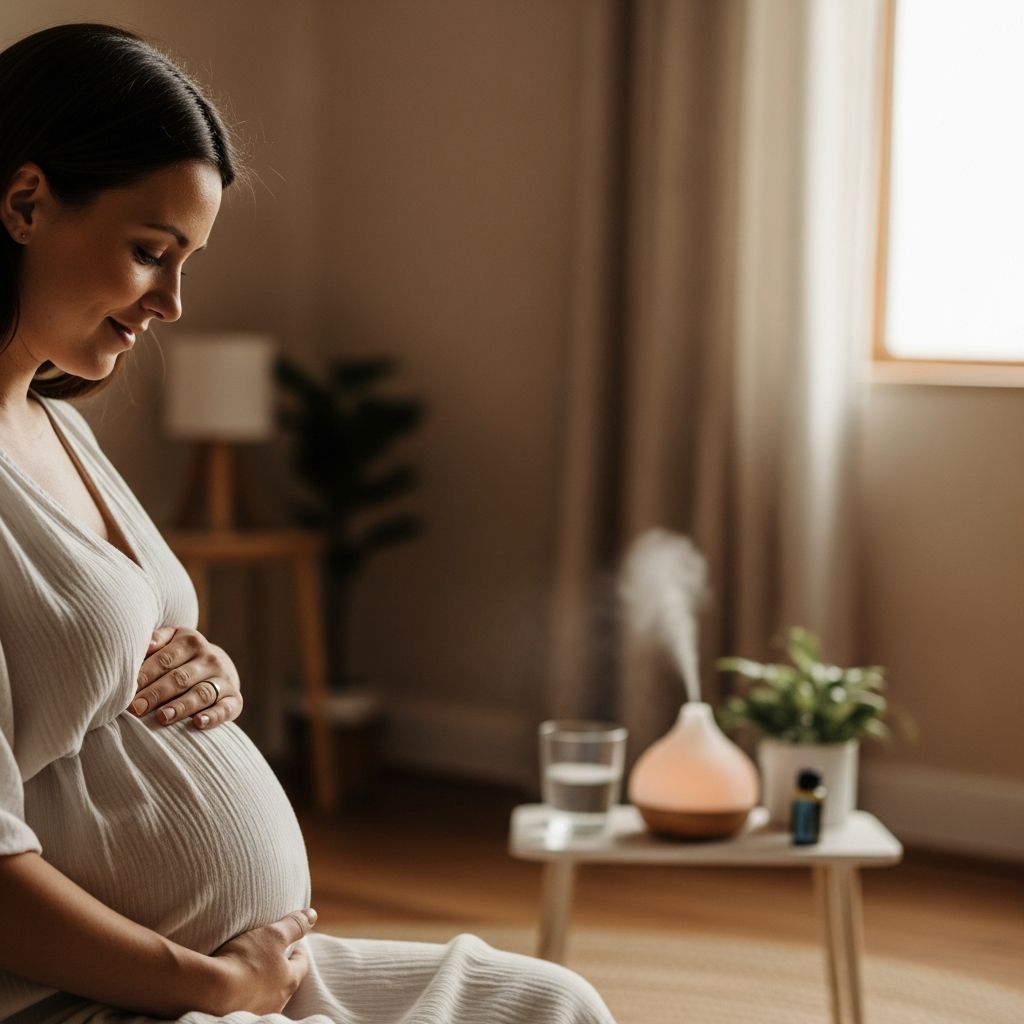
Hormonal Shifts and Skin Transformation After Childbirth
The postpartum period brings profound changes to a woman’s body, and the skin is often one of the most visibly affected areas. During pregnancy, elevated levels of estrogen and progesterone work to enhance skin hydration, improve elasticity, and boost circulation—often creating that celebrated pregnancy glow many women experience. However, once delivery occurs, hormone levels drop dramatically and rapidly. This sudden biochemical shift, combined with physical exhaustion, sleep deprivation, and the stress of adjusting to motherhood, creates an ideal environment for various skin concerns to emerge.
Understanding these changes is essential for new mothers who may feel frustrated or concerned about their skin’s appearance during the recovery phase. Rather than viewing these skin issues as permanent problems, it helps to recognize them as temporary manifestations of your body’s adjustment process. Most postpartum skin conditions resolve within six to twelve months as hormone levels stabilize and your immune system rebalances.
The Moisture Barrier Crisis: Dryness and Sensitivity
One of the most immediate and noticeable postpartum skin changes involves a dramatic shift in moisture levels. The reduction in estrogen impairs your skin’s natural ability to retain water, leading to a compromised moisture barrier. This creates a cascade of problems that many new mothers encounter unexpectedly.
Dryness manifests as tightness, flaking, and a generally uncomfortable sensation across the face and body. What makes this particularly challenging is that products you used comfortably during pregnancy may suddenly cause stinging, redness, or irritation. Your skin becomes hypersensitive because the protective barrier is weakened, leaving it vulnerable to irritants it previously tolerated well.
To address this barrier compromise, prioritize ingredients that support skin recovery without introducing additional stress. Ceramides, glycerin, hyaluronic acid, ectoin, and niacinamide in gentle concentrations work to restore the skin’s protective function. Rather than pursuing aggressive treatments or introducing multiple active ingredients, a simplified routine focused on barrier repair yields superior results during this delicate recovery phase.
Building an Effective Hydration Strategy
- Hyaluronic acid serums help lock in moisture, keeping skin plump and supple
- Rich moisturizers formulated with ceramides, glycerin, or squalane fortify your skin’s barrier
- Nourishing belly oils containing vitamin E, jojoba, or rosehip enhance elasticity and nourish stressed skin
- Broad-spectrum mineral sunscreen with daily SPF protection as the foundation of your morning routine
Acne After Delivery: Breaking the Myth
Many women are surprised to develop acne after pregnancy, particularly if they enjoyed clear skin during their teenage years and early adulthood. Contrary to the common assumption that acne only affects teenagers, postpartum acne is remarkably prevalent among new mothers. This condition can appear even in women with no prior history of acne, making it especially frustrating and unexpected.
The causes of postpartum acne are multifaceted. Hormonal fluctuations may trigger increased sebum production by the skin’s sebaceous glands, creating an oily environment conducive to bacterial growth and inflammation. Simultaneously, stress from sleep deprivation, the physical demands of caring for a newborn, and emotional adjustments compromise immune function and elevate inflammation throughout the body. Disrupted skincare routines due to time constraints and exhaustion further contribute to congestion and breakouts.
Treating postpartum acne requires patience and a gentle approach. Aggressive treatments can further compromise an already sensitive, barrier-challenged skin. Instead, focus on maintaining cleanliness and oil balance without stripping the skin. A gentle, non-stripping cleanser removes excess oil and bacteria without disrupting the protective barrier. If you’re breastfeeding, be cautious with active ingredients—vitamin C serums and lactic acid are generally considered safe options for addressing both acne and other skin concerns while nursing.
Hyperpigmentation and Melasma: The Mask of Pregnancy
Melasma, commonly referred to as the “mask of pregnancy,” represents one of the most visually noticeable postpartum skin changes for many women. This condition involves the development of dark patches and spots, typically appearing on the face, neck, or décolletage. Unlike acne or dryness that may improve relatively quickly, melasma can persist for months or even years if left untreated.
The underlying cause of melasma involves melanin overproduction triggered by lingering pregnancy hormones and, significantly, by sun exposure. The skin’s melanin-producing cells become hyperstimulated, depositing excess pigment in patches across the face. Importantly, UV radiation acts as a powerful trigger and accelerator for melasma development and progression. This makes sun protection not merely cosmetic but essential for managing this condition.
Prevention and management strategies for melasma include:
- Daily application of high-SPF broad-spectrum sunscreen (SPF 30 or higher) to protect against UV-induced dark spots
- Use of vitamin C serums to even out pigmentation and provide antioxidant protection
- Lactic acid treatments, which are generally safe for breastfeeding mothers and help improve skin tone
- Professional chemical peels, which dermatological research indicates can improve discoloration and treat hyperpigmented areas
- Minimizing sun exposure during peak UV hours (10 AM to 4 PM) when possible
- Wearing protective clothing, wide-brimmed hats, and considering UV-blocking accessories
Structural Skin Changes: Stretch Marks and Loss of Elasticity
The physical stretching of skin during pregnancy, while necessary to accommodate a growing baby, results in microscopic tears within the collagen and elastin fibers that provide structural support. Once these fibers break, the resulting stretch marks become visible as linear scars across the abdomen, breasts, hips, and thighs. Unlike hormonal skin issues that resolve as hormone levels stabilize, stretch marks represent more permanent structural damage, though their appearance can be significantly improved with appropriate treatment.
The postpartum period offers a critical window for addressing stretch marks effectively. The skin is still in active repair mode, making it more responsive to moisturizing treatments and professional interventions. Research demonstrates that moisture-intensive repair creams designed to tighten and firm the skin can help minimize stretch mark appearance and improve overall skin texture.
Clinically proven stretch mark-specific products containing ingredients such as retinoids, centella asiatica, or vitamin E show measurable results in reducing the visibility of existing marks and preventing new ones from developing. For women seeking longer-term solutions, professional treatments including microneedling, laser therapy, and radiofrequency treatments offer more dramatic improvements, though these typically require multiple sessions and professional administration.
Inflammatory Skin Conditions: Urticaria and Eczema
Beyond the more common postpartum skin changes, some women experience inflammatory conditions that can be particularly distressing. Postpartum urticaria, characterized by itchy, raised welts or hives, represents a distinct condition that can appear anywhere on the body, though commonly on the abdomen, thighs, buttocks, and arms. These red, pink, or skin-colored bumps vary significantly in size and intensity, sometimes resembling mosquito bites and other times forming larger plaques several inches across.
The causes of postpartum urticaria involve multiple contributing factors. Stress from sleep deprivation and overwhelming new responsibilities compromises immune function and triggers inflammatory responses. The physical healing process following childbirth creates inflammatory conditions that can manifest as hives. For some women, postpartum urticaria represents a continuation of PUPPP syndrome (Polymorphic Eruption of Pregnancy) that began during pregnancy and persists after delivery, though it typically resolves within weeks postpartum. Additionally, allergic reactions to new medications, antibiotics, or skincare products introduced during recovery can trigger urticaria in sensitive individuals.
The encouraging news is that postpartum urticaria rarely leaves permanent scarring or pigmentation changes, and the condition typically resolves completely with proper care and time as hormone levels stabilize and the immune system rebalances.
Similarly, some women develop or experience worsening of eczema during the postpartum period. The compromised skin barrier, hormonal changes, and increased stress create an ideal environment for eczematous flare-ups. Management focuses on intensive moisturizing, avoiding trigger substances, and maintaining a simplified skincare routine that supports rather than irritates sensitive, inflamed skin.
Foundational Skincare Principles for Postpartum Recovery
Rather than pursuing complex, multi-step skincare routines or introducing numerous active ingredients, the postpartum period calls for a fundamentally different approach. The guiding principle should be support rather than stimulation. This is not the time for aggressive treatments, harsh ingredients, or dramatic changes that stress an already compromised skin barrier.
The Simplified Postpartum Skincare Foundation
- Gentle cleanser: Non-stripping formulas that remove impurities without disrupting the protective barrier
- Nourishing moisturizer: Rich formulas that support barrier repair and provide sustained hydration
- Broad-spectrum mineral SPF: Daily sun protection as the cornerstone of morning skincare
- Targeted treatments (if needed): Introduce active ingredients only after the barrier has recovered, typically after 4-6 weeks
This pared-back approach produces superior results compared to elaborate routines because it allows the skin to heal without additional stress. As the skin barrier recovers and becomes more resilient, you can gradually reintroduce active ingredients if desired, but there’s no rush during the acute recovery phase.
Timeline and Expectations for Postpartum Skin Recovery
Understanding realistic timelines helps manage expectations and reduce frustration during the postpartum period. Most postpartum skin concerns improve within 6-12 months as hormone levels return to pre-pregnancy ranges and the immune system rebalances. However, the timeline varies by specific condition:
- Acne and congestion: Typically improve within 6-8 weeks as hormonal fluctuations stabilize, though some women experience continued breakouts for longer
- Dryness and sensitivity: Generally improve within 2-3 months with consistent barrier repair support
- Melasma: May persist for several months or longer; improvement accelerates with consistent sun protection and targeted treatments
- Urticaria: Usually resolves within weeks to a few months as immune function normalizes
- Stretch marks: Improve gradually over months; red or purple marks fade to white or silvery over time, with reduced appearance when treated early
When to Seek Professional Dermatological Help
While most postpartum skin changes resolve independently with appropriate home care, certain situations warrant professional evaluation. Consult a dermatologist if you experience:
- Severe urticaria with angioedema (deep swelling around eyes, lips, hands, or feet) requiring immediate attention
- Persistent acne or severe breakouts that don’t improve with gentle home care after 8-12 weeks
- Melasma that worsens despite consistent sun protection and doesn’t improve after several months
- Severe eczema or other inflammatory conditions affecting sleep, comfort, or quality of life
- Skin reactions suggesting allergic responses to medications or products
Professional treatments including chemical peels, laser therapy, professional-strength retinoids, and microneedling can accelerate improvement and provide results that home care alone cannot achieve. A dermatologist can also rule out other conditions and recommend evidence-based treatments appropriate for your specific situation, particularly if you’re breastfeeding.
Frequently Asked Questions
Q: Is it safe to use active skincare ingredients like retinoids or vitamin A while breastfeeding?
A: Most topical retinoids and vitamin C serums are considered safe while breastfeeding because minimal amounts are absorbed through the skin. However, always consult with your healthcare provider or dermatologist before introducing any new active ingredients, especially oral medications. Lactic acid and vitamin C are generally well-tolerated options.
Q: How long does postpartum acne typically last?
A: Postpartum acne usually improves significantly within 6-8 weeks as hormonal fluctuations stabilize, though some women experience breakouts for several months. The timeline varies based on individual hormonal patterns and breastfeeding status. Consistent gentle cleansing and barrier support accelerate improvement.
Q: Will melasma disappear completely after pregnancy?
A: Melasma often improves as hormone levels normalize, but it may not disappear entirely without treatment. Consistent sun protection is essential to prevent worsening. Professional treatments like chemical peels can significantly reduce dark patches, though some residual pigmentation may persist.
Q: Can I prevent postpartum stretch marks during pregnancy?
A: While you cannot completely prevent stretch marks, using moisture-intensive creams during pregnancy may reduce their severity. Staying hydrated, maintaining healthy weight gain, and using products with vitamin E, jojoba oil, or rosehip oil can support skin elasticity. After delivery, targeted treatments continue improving their appearance.
Q: Should I wait before starting an aggressive skincare routine postpartum?
A: Yes, absolutely. The postpartum period requires a simplified, supportive approach rather than aggressive treatments. Focus on barrier repair with gentle cleansing, moisturizing, and sun protection for at least 4-6 weeks before considering active ingredients or professional treatments. Your skin will respond better and heal faster with this gentler approach.
Q: Is postpartum urticaria dangerous or permanent?
A: Postpartum urticaria is typically not dangerous and rarely leaves permanent marks or scarring. The condition usually resolves completely within weeks to months as immune function normalizes and hormone levels stabilize. However, severe cases with angioedema require medical attention.
Moving Forward: Recovery and Resilience
The postpartum period represents a temporary phase of skin transformation rather than a permanent condition. With understanding, patience, and appropriate skincare support, your skin will recover and often become more resilient than before pregnancy. The key lies in adjusting expectations, simplifying your routine, and providing targeted support for the specific concerns you experience. Most women find that their skin returns to normal function and appearance within 6-12 months, allowing them to focus energy on bonding with their newborn and adjusting to their new role as a mother.
References
- From Bump to Baby: The Essential Guide to Postpartum Skincare with Nourishing Belly Oils — Milk and Baby. 2025. https://www.milkandbaby.com/blogs/milk-baby/from-bump-to-baby-the-essential-guide-to-postpartum-skincare-with-nourishing-belly-oils
- Understanding and Managing Hives & Dry Skin After Childbirth — PP Care USA. 2025-10-20. https://ppcareusa.com/2025/10/20/postpartum-urticaria-skin-changes/
- Postpartum Skincare: A Dermatologist’s Guide to Caring for Your Skin After Birth — Tenth Wellness. 2024. https://www.tenthwellness.com/blog/postpartum-skincare-a-dermatologists-guide-to-caring-for-your-skin-after-birth-by-professor-caitriona-ryan
- Skin Problems After Pregnancy – Four Postpartum Skin Changes & How to Tackle Them Effectively — Twin Cities Birth Center. 2025. https://www.twincitiesbc.com/blog/four-postpartum-skin-changes-amp-how-to-tackle-them-effectively
- Postpartum Skin Care Guide: Everything You Need to Know — Skin Pharm. 2025. https://skinpharm.com/blogs/blog/postpartum-skin-care-guide