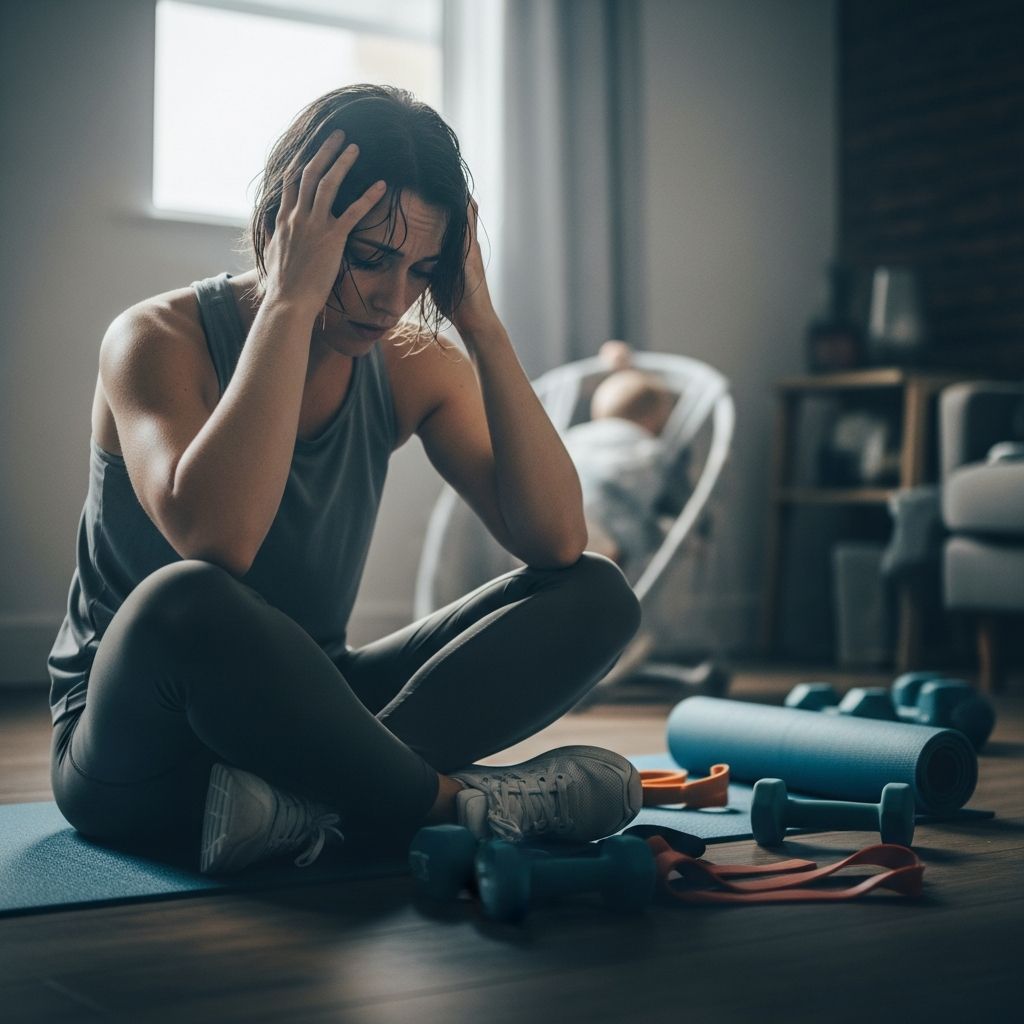
New mothers often feel pressure to reclaim their pre-pregnancy fitness levels quickly, with running emerging as a popular choice for its accessibility and endorphin boost. However, the postpartum period brings unique physical and emotional hurdles that can turn this pursuit into a painful ordeal if not approached with caution.
Physical Realities: Why Your Body Rebels Against Early Runs
The body undergoes profound changes during pregnancy and birth, leaving tissues, muscles, and joints vulnerable for months postpartum. Resuming high-impact activities like running too soon can exacerbate these vulnerabilities, leading to injuries that sideline moms longer than expected.
One common issue is diastasis recti, where the abdominal muscles separate, weakening the core and contributing to back pain or pelvic instability. Crunches or sudden high-impact movements can worsen this condition, causing bulging or functional impairments rather than strengthening the area.
Pelvic Floor Weakness and Incontinence
Pelvic floor muscles, stretched during delivery, may not recover fully for 6-12 months. Running’s repetitive impact can trigger urinary incontinence or pelvic organ prolapse, turning a simple jog into an embarrassing and demotivating experience.
- Symptoms include leaking during strides or sudden pressure sensations.
- Mothers report avoiding runs due to fear of accidents, impacting mental health.
- Gradual strengthening with Kegels and low-impact exercises is essential before progressing.
Hair Loss, Fatigue, and Hormonal Shifts
Postpartum telogen effluvium causes significant hair shedding for 3-6 months, adding to body image struggles. Combined with sleep deprivation and hormonal fluctuations, energy levels plummet, making sustained runs challenging.
Emotional Toll: Guilt, Shame, and Mental Health Barriers
Beyond physical pain, emotional challenges amplify the struggle. New moms internalize ideals of instant recovery, leading to guilt when bodies don’t comply.
The first 16 weeks postpartum heighten risks of psychological distress, with guilt over physical limitations predicting anxiety and depression. Physical recovery delays, especially after cesareans, intensify feelings of being a burden.
Postnatal Depression’s Impact on Motivation
Affecting over 1 in 10 women, postnatal depression brings persistent sadness, fatigue, and withdrawal, sabotaging exercise efforts. Symptoms like low energy and loss of interest make lacing up sneakers feel impossible.
| Symptom | Impact on Exercise | Source |
|---|---|---|
| Persistent sadness | Reduces motivation to start workouts | |
| Chronic fatigue | Leads to skipped sessions and overexertion injuries | |
| Sleep disturbances | Impairs recovery from runs | |
| Anxiety or intrusive thoughts | Heightens injury fear during activity |
Safe Pathways to Postpartum Running Success
Returning to running requires a phased approach prioritizing healing over speed. Consult healthcare providers for clearance, typically 6-12 weeks postpartum, but listen to your body.
Phase 1: Build Foundations (Weeks 1-6 Post-Clearance)
- Focus on walking: Start with 10-20 minute brisk walks 3-4 times weekly.
- Incorporate pelvic floor and core activation exercises like gentle bridges.
- Monitor for pain, leaking, or heaviness—stop and regress if present.
Phase 2: Introduce Impact (Weeks 6-12)
Progress to run-walk intervals: 1 minute run, 2 minutes walk, building duration gradually. Strengthen with squats, lunges, and planks modified for diastasis safety.
Phase 3: Steady State Running (12+ Weeks)
Aim for 20-30 minute continuous runs, incorporating strength training 2x weekly. Cross-train with yoga or swimming to reduce injury risk.
Nutrition and Recovery Essentials
Fuel repair with protein-rich meals, hydration, and anti-inflammatory foods. Appetite changes are normal; if persistent, seek advice. Prioritize sleep hygiene despite baby demands.
Real Mom Stories: Lessons from the Frontlines
Many moms share tales of initial enthusiasm crashing into reality. One runner faced stress fractures from ignoring pelvic pain, requiring months off. Another battled depression-fueled avoidance, finding solace in therapy and group walks.
These narratives underscore community support’s value—join postpartum fitness groups for accountability and normalization.
Frequently Asked Questions (FAQs)
When can I start running after giving birth?
Typically after 12 weeks with medical clearance, starting with walk-run intervals to assess tolerance. Vaginal births may allow earlier progression than cesareans.
What if I experience incontinence while running?
Pause high-impact activity and consult a pelvic floor therapist. Kegels alone aren’t enough; targeted rehab restores function.
Is postpartum depression preventing my workouts?
Yes, symptoms like fatigue and low mood commonly derail exercise. Speak to your doctor—treatments like therapy or medication can help.
How do I heal diastasis recti for running?
Avoid crunches; use transverse abdominis activation, deep breathing, and functional movements. Severe cases may need surgery.
What’s the biggest mistake new moms make with postpartum fitness?
Rushing back without addressing core and pelvic floor weaknesses, leading to injuries and frustration.
Long-Term Strategies for Sustainable Fitness
View postpartum fitness as a marathon, not a sprint. Track progress in a journal, celebrate non-scale victories like improved stamina, and adjust expectations amid motherhood’s chaos.
Integrate baby into routines—stroller runs or family walks foster bonding while building endurance. Professional guidance from physical therapists specializing in postpartum recovery transforms challenges into triumphs.
Ultimately, patience yields resilience. Bodies that grew life deserve time to rebuild, ensuring running becomes joy, not torment.
References
- 20 Moms Get Real About Postpartum Mental and Physical Changes — Healthline. 2023-05-15. https://www.healthline.com/health/parenting/postpartum-symptoms-from-real-moms
- Exploring Lived Experiences of Guilt and Shame in the Early Postpartum Period — PMC (NCBI). 2024-10-01. https://pmc.ncbi.nlm.nih.gov/articles/PMC11675951/
- Postnatal Depression Overview — NHS. 2025-03-12. https://www.nhs.uk/mental-health/conditions/post-natal-depression/overview/
- Postpartum Body Changes — Dr. Pamela Tan. 2024-02-20. https://drpamelatan.com/postpartum-body-changes/
- Real Stories of Postpartum Depression — Geisinger (YouTube). 2023-11-08. https://www.youtube.com/watch?v=-9zIAIyxOHA
- Postpartum Depression — Office on Women’s Health (womenshealth.gov). 2024-07-19. https://womenshealth.gov/mental-health/mental-health-conditions/postpartum-depression