The postpartum period marks the profound transition into motherhood, a time filled with unexpected challenges and quiet triumphs. Far from the idealized images often portrayed, it involves physical healing, emotional fluctuations, and a deep redefinition of self. This article delves into the multifaceted experiences of new mothers, drawing from shared stories to illuminate paths toward resilience and joy.
The Immediate Aftermath: What to Expect Right After Birth
Right after delivery, the body undergoes significant changes that can feel overwhelming. Hormonal shifts trigger ‘baby blues’ in up to 80% of new mothers, characterized by tearfulness, irritability, and mood swings lasting about two weeks. Physical symptoms include heavy bleeding (lochia), uterine cramping as the organ contracts back to size, perineal soreness, and breast engorgement if breastfeeding.
New moms often describe an initial disconnect or shock upon meeting their baby. Exhaustion from labor—whether vaginal or cesarean—compounds this, making bonding feel delayed rather than absent. Medical check-ins in the hospital focus on vitals and newborn care, but privacy and rest are limited, amplifying feelings of vulnerability.
- Bleeding and cramping: Lochia can last 4-6 weeks, heaviest in the first days.
- Pain management: Ice packs, pain relievers, and sitz baths aid perineal healing.
- Breast changes: Colostrum transitions to mature milk around day 3-5, causing swelling.
According to the American College of Obstetricians and Gynecologists (ACOG), adequate postpartum care begins immediately, with follow-up visits recommended within 3 weeks.
Navigating Physical Recovery at Home
Returning home shifts the focus to self-care amid newborn demands. Sleep deprivation hits hardest here, as feeds occur every 2-3 hours. The body, still mending, demands rest that feels impossible. C-section moms face incision care, avoiding heavy lifting, while vaginal birth recoveries involve monitoring for infection.
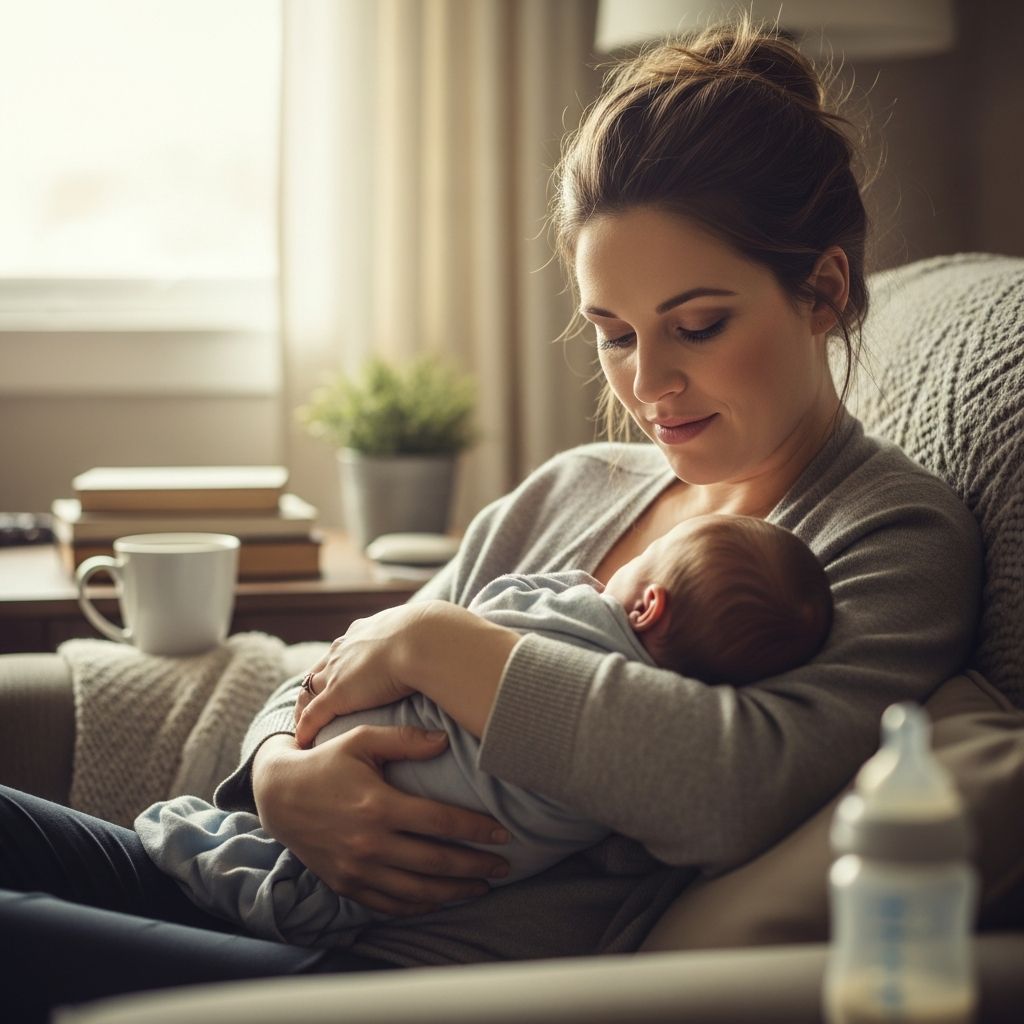
Mobility improves gradually, but activities like walking or stairs can cause discomfort. Nutrition becomes crucial: the body needs extra 300-500 calories daily for lactation, emphasizing proteins, fluids, and iron-rich foods to combat anemia. Many new moms report feeling like ‘imposters’ in their caregiving role, especially with visiting family offering well-meaning but sometimes overwhelming advice.
| Recovery Milestone | Timeline | Tips |
|---|---|---|
| Uterus returns to pre-pregnancy size | 4-6 weeks | Breastfeeding helps; feel cramps during feeds |
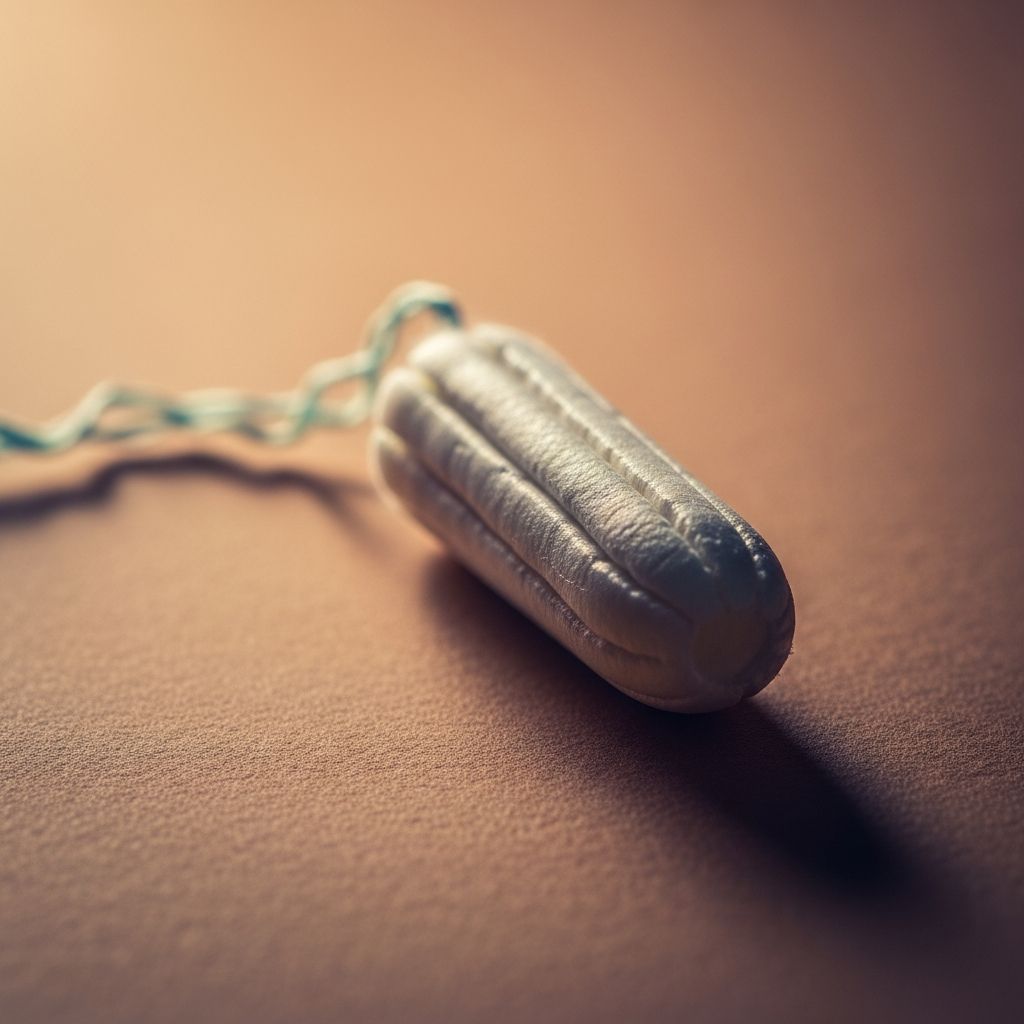
| Lochia ends | 4-8 weeks | Use pads, not tampons; seek care if foul odor |
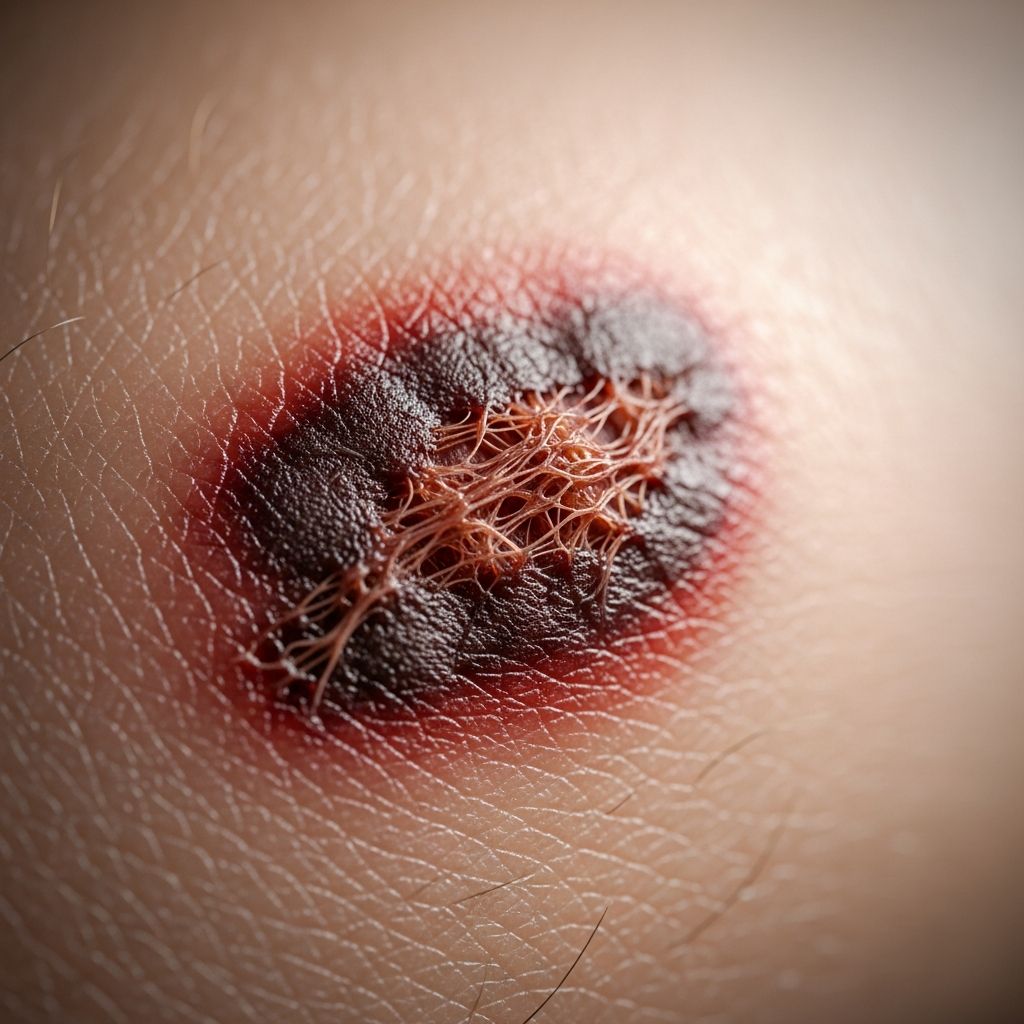
| Incision heals (C-section) | 6 weeks | Keep dry, watch for redness/swelling |
| Energy levels stabilize | 8-12 weeks | Prioritize short naps, light exercise |
Patience is key; full physical recovery varies, influenced by birth type, health history, and support.
Emotional Waves: From Baby Blues to Deeper Struggles
Emotional turbulence defines postpartum for many. While baby blues resolve naturally, 10-15% develop postpartum depression (PPD), with symptoms like persistent sadness, anxiety, and withdrawal. Postpartum anxiety (PPA) affects up to 18%, manifesting as obsessive worries about baby safety or constant ‘what-ifs’. Severe cases include postpartum psychosis, requiring immediate intervention.
Stories abound of moms crying in showers, feeling isolated despite loved ones nearby. Lost friendships, identity shifts, and guilt over not ‘loving every moment’ compound loneliness. Yet, these emotions coexist with profound love—giggles and cuddles pierce the fog.
- Warning signs of PPD/PPA: Hopelessness, panic attacks, intrusive thoughts, appetite/sleep changes beyond newborn norm.
- Risk factors: History of mental health issues, traumatic birth, lack of support, thyroid imbalances.
The National Institute of Mental Health stresses screening at postpartum visits, as early treatment via therapy, medication, or support groups transforms outcomes.
Body Image and Self-Perception in the Fourth Trimester
The postpartum body feels alien: stretched skin, softened abdomen, leaking breasts, greasy hair. Mirrors reflect exhaustion—dark circles, scars, wider hips. Pre-pregnancy clothes mock from closets, fueling insecurity. Yet, this body accomplished miracles, deserving reverence.
Self-compassion practices help: affirmations like ‘My body is healing’ counter negativity. Gentle movement, like postpartum yoga, rebuilds strength without pressure. Partners and communities play roles in affirming beauty beyond aesthetics.
“You birthed life; honor the vessel that carried it through tenderness, not judgment.”
Building Your Village: Support Systems That Matter
Isolation thrives without connection. Enlist partners for night shifts, friends for meals, family for errands. Postpartum doulas or home visitors provide expert, non-judgmental aid—massage, lactation support, emotional check-ins. Online communities offer 24/7 solidarity when in-person feels daunting.
Prepare prenatally: discuss division of labor, stock freezer meals, schedule help. Normalize asking: ‘Can you hold baby while I shower?’ Vulnerability fosters deeper bonds.
Prioritizing Nutrition, Rest, and Gentle Movement
Fuel recovery with balanced meals: oats for lactation, leafy greens for iron, fatty fish for omega-3s. Hydrate relentlessly—aim for 100 oz daily. Micro-naps (10-20 minutes) recharge without deep sleep disruption.
Start movement slowly: pelvic floor exercises (Kegels) from day 1, walks by week 2. ACOG endorses gradual return to exercise post-clearance, focusing on core stability.
- Assess with provider at 6-week check.
- Begin with walking, swimming.
- Progress to strength training after 12 weeks.
Turning Pain into Purpose: Stories of Resilience
Many channel struggles into advocacy. One mom, enduring severe pain, founded home-based recovery services, aiding hundreds. Another, surviving psychosis, now educates on early signs, saving lives. These narratives show postpartum as catalyst for growth, forging purpose from adversity.
Falling in love with your baby unfolds gradually, amid tears and triumphs. Rhythm emerges: sleep regressions pass, grooves form.
Frequently Asked Questions (FAQs)
When does postpartum bleeding stop?
Typically 4-6 weeks, transitioning from bright red to lighter. Consult a doctor if it persists beyond 8 weeks or includes large clots.
How do I know if it’s baby blues or postpartum depression?
Baby blues fade in 2 weeks; PPD lingers with intense symptoms. Screen via Edinburgh tool at checkups.
Is it normal to not feel bonded immediately?
Yes, bonding develops over weeks. Skin-to-skin and responsive care nurture it.
What if I have intrusive thoughts?
Common in PPA but discuss with a professional; therapy helps distinguish from harm intent.
Can partners experience postpartum issues?
Yes, paternal PPD affects 10%; encourage their self-care too.
Finding Your New Normal: Long-Term Outlook
By 3-6 months, many report stabilization—better sleep, confidence surges. Yet, motherhood evolves continuously. Grace yourself through regressions; celebrate milestones. You’ve birthed not just a child, but a fiercer self.
This journey, raw and redemptive, weaves strength from vulnerability. New moms: you’re enough, exactly as you are.
References
- Postpartum Depression: Causes, Symptoms & Treatment — American Pregnancy Association. 2024-01-15. https://americanpregnancy.org/healthy-pregnancy/postpartum-health/postpartum-depression/
- Optimizing Postpartum Care — American College of Obstetricians and Gynecologists (ACOG). 2023-05-01. https://www.acog.org/clinical/clinical-guidance/committee-opinion/articles/2018/05/optimizing-postpartum-care
- Nutrition During Breastfeeding — Centers for Disease Control and Prevention (CDC). 2025-02-10. https://www.cdc.gov/breastfeeding-special-circumstances/hcp/diet-nutrition/maternal-diet.html
- Perinatal Depression — National Institute of Mental Health (NIMH). 2024-11-20. https://www.nimh.nih.gov/health/topics/perinatal-depression
- Postpartum Support International — Postpartum Support International. 2025-03-05. https://postpartum.net/
- Postpartum Care for Mothers and Newborns — World Health Organization (WHO). 2024-07-12. https://www.who.int/news-room/fact-sheets/detail/postpartum-care-for-mothers-and-newborns