The postpartum period, often called the fourth trimester, marks a profound transition for new mothers as their bodies heal from pregnancy and delivery while adapting to parenthood. This phase extends beyond the initial six weeks, influencing physical, emotional, and relational aspects of life. Understanding typical experiences empowers women to prioritize self-care and recognize when professional intervention is needed.
Understanding the Phases of Postpartum Healing
Recovery unfolds in distinct stages, beginning with immediate post-delivery changes and progressing over months. The body undergoes hormonal recalibration, tissue repair, and organ readjustment. For vaginal deliveries, healing focuses on perineal and pelvic areas, while cesarean sections involve surgical wound care. Both paths demand patience, as full recovery can take up to a year.
Key phases include acute recovery (first 2 weeks), subacute (weeks 3-6), and ongoing adjustment (months 2-12). During these, women may encounter a range of symptoms from normal to concerning.
Physical Transformations and Discomforts After Birth
New mothers often face multiple physical adjustments. Vaginal bleeding, known as lochia, persists for 4-6 weeks, transitioning from red to lighter shades. This is the uterus shedding its lining, a natural process aided by breastfeeding-induced contractions.
Uterine Involution and Cramping
Afterbirth pains, resembling menstrual cramps, intensify with subsequent births and breastfeeding. These contractions shrink the uterus from pregnancy size to pre-pregnancy state within six weeks. Over-the-counter pain relievers like ibuprofen manage discomfort effectively.
Pelvic Floor and Perineal Recovery
Pelvic floor muscles, stretched during delivery, may cause incontinence or pressure sensations. Perineal soreness from tearing or episiotomy affects sitting and mobility. Remedies include ice packs, sitz baths, and Kegel exercises to rebuild strength.
- Sitz baths: Soak in warm water with Epsom salts 2-3 times daily for 10-15 minutes.
- Pelvic floor exercises: Contract muscles as if stopping urine flow, holding for 5-10 seconds, 10-15 reps thrice daily.
- Perineal sprays: Use witch hazel-based products for soothing relief.
C-Section Specific Challenges
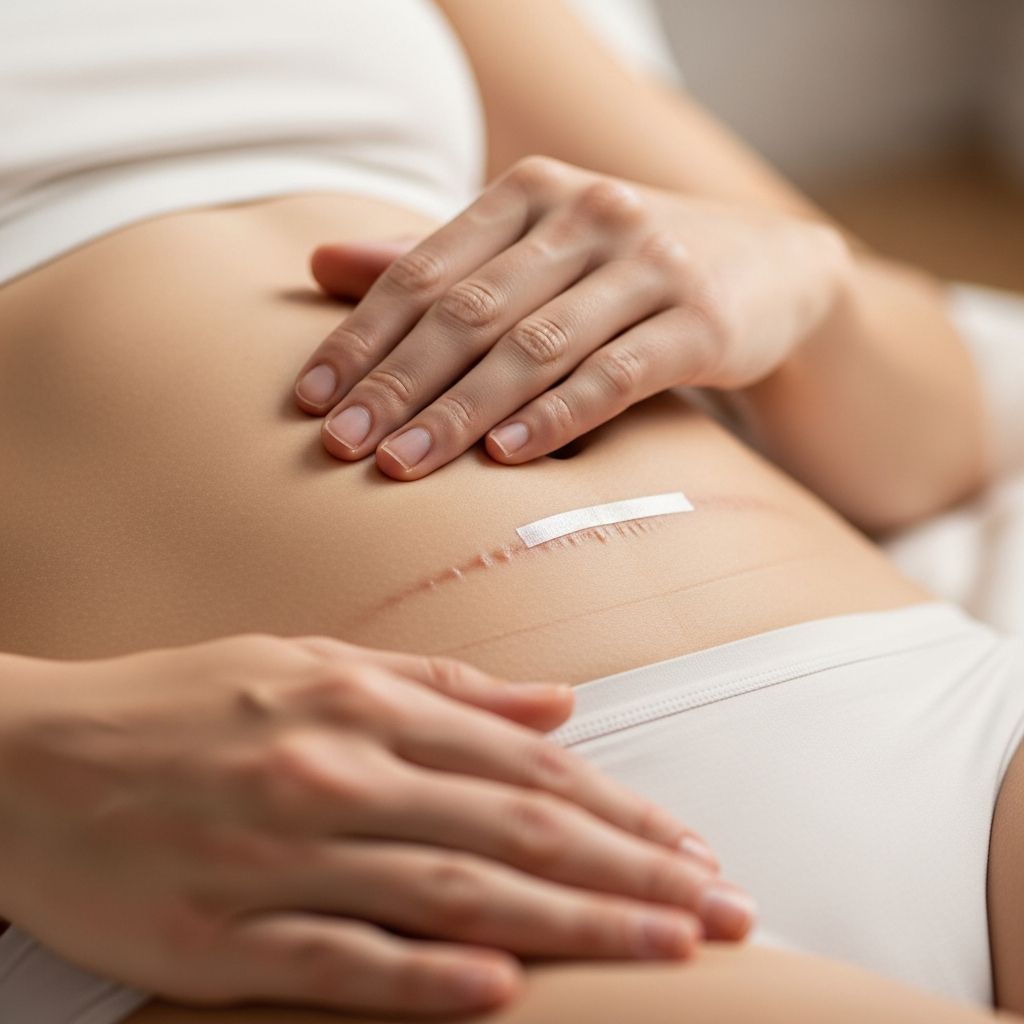
Cesarean recovery treats the incision as major surgery. Expect pain, swelling, and restricted movement for 4-6 weeks. Scar care involves keeping it clean, monitoring for infection, and avoiding heavy lifting. Gentle walking promotes circulation without strain.
Breast Changes and Lactation Issues
Breasts engorge as milk arrives around day 3-5, causing tenderness or leakage. Common problems include cracked nipples, mastitis (breast infection), and perceived low supply. Frequent nursing, proper latching, and hydration mitigate these. Painful breasts affect up to 62.5% of mothers at 5-6 months postpartum.
| Issue | Symptoms | Management |
|---|---|---|
| Engorgement | Hard, warm breasts | Frequent feeding, warm compresses |
| Mastitis | Fever, flu-like symptoms | Antibiotics, continued nursing |
| Cracked Nipples | Pain during feeding | Lanolin cream, latch correction |
Digestive and Urinary Concerns
Constipation arises from pain meds, dehydration, or hemorrhoids. Increase fiber via fruits, prunes, and water (8-10 glasses daily). Urinary incontinence improves with pelvic therapy.
Mental and Emotional Shifts in Early Motherhood
Hormonal plummets post-placenta delivery trigger emotional volatility. Sleep deprivation amplifies irritability and overwhelm.
Baby Blues: A Temporary Wave
Affecting most new mothers, baby blues involve tearfulness, anxiety, and mood swings lasting up to two weeks. These resolve with rest and support.
Postpartum Depression and Anxiety
PPD strikes 10-15% of mothers, featuring persistent sadness, detachment, or harmful thoughts lasting beyond two weeks. PPA manifests as excessive worry. Infants of untreated mothers risk bonding and developmental delays. Seek help if symptoms persist.
Signs include insomnia, appetite changes, guilt, and disinterest in activities.
Sleep Deprivation’s Toll
Fragmented sleep heightens anxiety and impairs cognition. Nap when baby naps and enlist partner help.
Serious Health Risks to Monitor Closely
Beyond routine issues, watch for emergencies like hemorrhage (soaking a pad hourly), infection (fever over 100.4°F), or preeclampsia (high blood pressure post-delivery).
- Postpartum hemorrhage: Heavy bleeding, dizziness—call 911.
- Infection: Foul lochia odor, chills—contact provider.
- Preeclampsia: Severe headache, vision changes—urgent care.
- Thrombosis: Leg swelling/pain—immediate evaluation.
Thyroid and Cardiovascular Concerns
Postpartum thyroiditis affects 5-10% with fatigue mimicking PPD. Cardiomyopathy risks rise in the first months. Routine check-ups screen these.
Sexual Health and Intimacy Return
Resuming sex around 6 weeks post-clearance may involve pain, dryness, or low libido due to hormones and fatigue. Use lubricants; 39% report disinterest at 12 months. Patience fosters reconnection.
Nutrition, Rest, and Lifestyle Supports
Fuel healing with balanced meals: proteins, veggies, whole grains. Hydrate doubly if breastfeeding. Prioritize short walks for endorphins.
- Rest: Delegate tasks; nap opportunistically.
- Nutrition: Iron-rich foods combat anemia.
- Support: Join mom groups for solidarity.
When to Contact Your Healthcare Provider
Schedule 1-2 week and 6-week visits. Call sooner for fever, heavy bleeding, severe pain, mood changes >2 weeks, or calf swelling.
Frequently Asked Questions (FAQs)
How long does lochia last?
Typically 4-6 weeks, varying by individual. Consult if it restarts heavily.
Is postpartum anxiety treatable?
Yes, via therapy, medication, and support groups. Early intervention prevents escalation.
When can I exercise post-C-section?
Start with walking; resume full activity after 6-8 weeks clearance.
Does breastfeeding prevent PPD?
No guarantee, but oxytocin release may help mood.
How common is urinary incontinence postpartum?
Affects many initially; pelvic therapy resolves most cases.
Building a Supportive Recovery Network
Enlist partners, family, doulas. Postpartum doulas assist with meals, newborns. Online communities provide validation. Self-compassion counters perfectionism.
Long-term, pelvic therapy, therapy for PPD, and annual exams sustain wellness. Celebrate milestones; recovery is nonlinear.
References
- Postpartum Recovery: What No One Tells You About the First Six Weeks — Associates in OBGYN. 2023. https://associates-obgyn.com/posts/postpartum-recovery-what-no-one-tells-you-about-the-first-six-weeks/
- What You Should Know About Postpartum Care — Falmouth Women’s Health. 2023. https://www.falmouthwomenshealth.com/blog/1302570-what-you-should-know-about-postpartum-care
- Health problems experienced by women during the first year postpartum: a narrative review — National Library of Medicine, NIH. 2023-11-27. https://pmc.ncbi.nlm.nih.gov/articles/PMC10726257/
- Recovering from birth — Office on Women’s Health, womenshealth.gov. 2023. https://womenshealth.gov/pregnancy/childbirth-and-beyond/recovering-birth
- Postpartum Care — UR Medicine, University of Rochester. 2023. https://www.urmc.rochester.edu/conditions-and-treatments/postpartum-care
- Warning signs of postpartum health problems — March of Dimes. 2023. https://www.marchofdimes.org/find-support/topics/postpartum/warning-signs-postpartum-health-problems
- 3 Conditions to Watch for After Childbirth — American College of Obstetricians and Gynecologists (ACOG). 2023. https://www.acog.org/womens-health/experts-and-stories/the-latest/3-conditions-to-watch-for-after-childbirth