Understanding the Postpartum Journey: Setting the Foundation for Recovery
The weeks and months following childbirth represent a profound transformation for your body and mind. Your physical form has undergone one of the most dramatic changes the human body can experience, involving the reorganization of internal organs, hormonal fluctuations, and the recovery from significant tissue changes. Simultaneously, your emotional landscape shifts as you navigate the demands of newborn care, identity reconstruction, and the adjustment to motherhood. Recognizing that postpartum recovery is not merely about returning to your pre-pregnancy state, but rather about supporting yourself through a complex healing process, sets the stage for thriving during this critical period.
The postpartum period, often called the fourth trimester, requires intentional attention to your wellbeing. During this time, your body is healing from pregnancy and birth while simultaneously adapting to the demands of caring for a newborn. Understanding that self-care during this phase is not selfish but rather essential to your ability to care for your baby strengthens your commitment to prioritizing recovery.
Cultivating Your Personal Sanctuary: Designing a Restorative Home Environment
Your physical environment during the early postpartum weeks significantly influences your ability to rest and recover. Consider the spaces where you will spend the most time—typically where you feed, soothe, and bond with your baby. Transform these areas into havens of comfort and functionality that support both your healing and your baby’s needs.
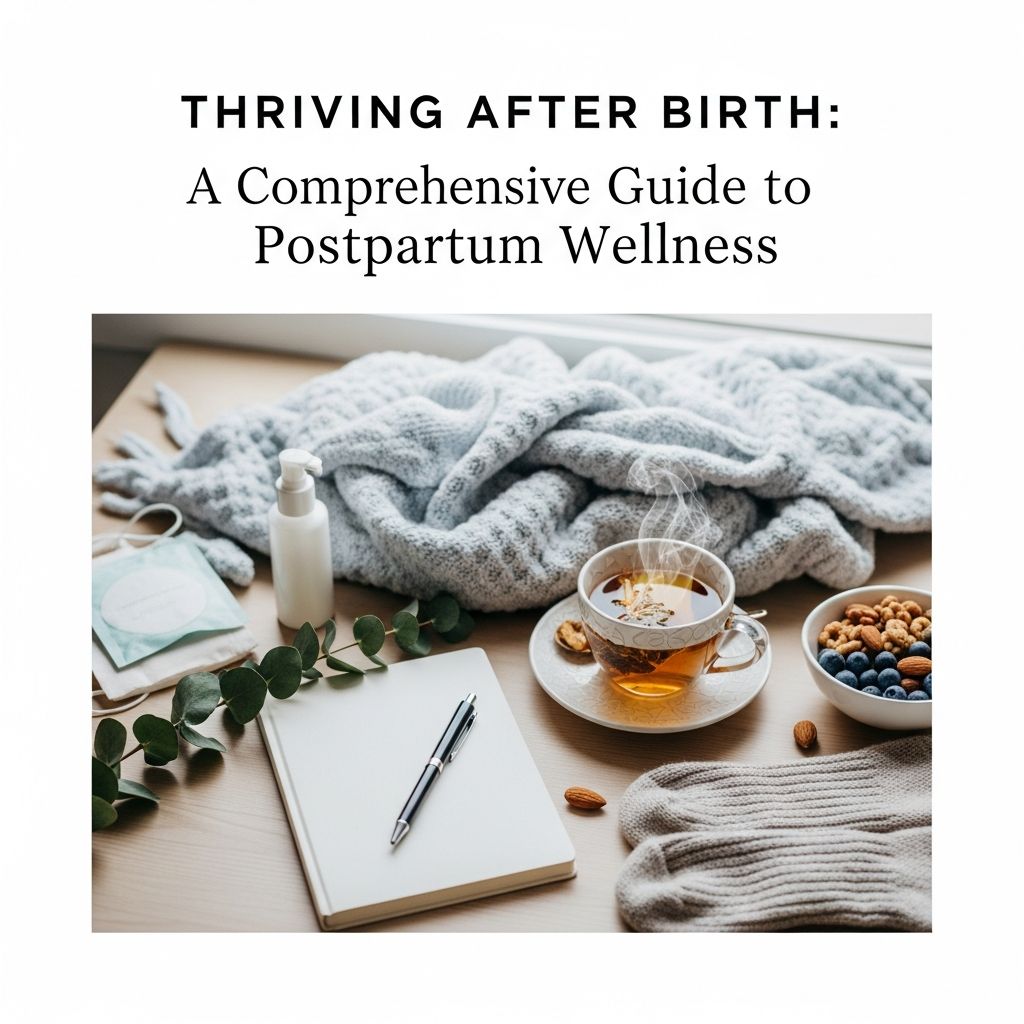
A thoughtfully designed recovery space might include a comfortable seating area with supportive cushions and warm blankets to facilitate extended periods of rest during feeding sessions. Stock nearby surfaces with items that nourish and comfort you: herbal teas, nutritious snacks, hydrating beverages, and natural oils or lotions for self-care rituals. Some mothers find that incorporating natural elements—such as potted plants, soft lighting, or calming colors—creates a nurturing atmosphere that promotes relaxation and emotional wellbeing. The key is personalizing your space to reflect what brings you comfort and joy, whether that involves aromatherapy, soft textures, or elements of nature that remind you to slow down.
Nourishing Your Body: Strategic Nutritional Choices for Postpartum Healing
Nutrition plays a critical role in postpartum recovery, yet many new mothers neglect their dietary needs while focused entirely on their infants. Your body requires deliberate nutritional support to repair tissues, restore energy, and support any breastfeeding demands.
Warming foods and beverages form a cornerstone of postpartum nutrition, as they are generally easier to digest and provide readily absorbed nutrients that support healing. As your digestive system reactivates following pregnancy and birth, and your organs shift back to their pre-pregnancy positions, consuming warm, easily digestible foods facilitates this natural process. In contrast, cold and raw foods can slow digestion and potentially contribute to postpartum constipation—a common complaint that can be minimized through strategic nutritional choices.
Focus on nutrient-dense foods rich in iron and protein, which are essential for tissue repair and rebuilding strength. Consider working with healthcare providers or nutritionists to understand your specific dietary needs, which may differ based on whether you are breastfeeding, your pre-pregnancy health status, and any complications during pregnancy or birth. Creating a meal plan or accepting meal support from family and friends ensures you maintain consistent nutrition even during sleep-deprived days when meal preparation feels overwhelming.
The Sacred Practice of Rest: Restructuring Your First Weeks
The early postpartum period—particularly the first two to three weeks—demands a fundamentally different approach to daily life than most mothers are accustomed to. During this window, your primary responsibilities are physical healing, emotional bonding with your newborn, and learning your baby’s needs. Nearly everything else can wait.
This represents a rare opportunity in life to step back from external obligations and cocoon with your newborn. Your baby’s circadian rhythm is not yet established, meaning days and nights blend together in a continuous cycle of feeding, soothing, and brief sleep periods. Rather than fighting this natural rhythm, accepting and planning for it reduces the stress and disappointment that comes from expecting a \”normal\” schedule.
Communicate clearly with family members and friends about your intention to prioritize rest during these initial weeks. Specific requests for help prove more effective than general offers of support: ask someone to manage household tasks, prepare meals, care for older children, or handle administrative responsibilities. This removes the burden of deciding what needs doing and allows helpers to provide concrete assistance.
Sleep as Medicine: Maximizing Rest Opportunities
While the advice to \”sleep when the baby sleeps\” is frequently repeated, it bears repeating because it remains fundamentally sound. Sleep deprivation during the postpartum period affects not only your physical recovery but also your mental health, emotional resilience, and ability to respond patiently to your newborn’s needs.
The postpartum period—particularly the first 40 days—demands that you reframe your priorities and grant yourself permission to release obligations that typically demand your attention. Your house will require cleaning eventually; your dishes can accumulate temporarily; thank-you notes and social commitments can be postponed. What you can only experience once is the tender early days with your newborn and the opportunity to fully rest during a life phase when rest is genuinely necessary for healing.
Investing in your rest now pays dividends in your long-term postpartum recovery. The more thoroughly you prioritize sleep and restoration during these initial weeks, the stronger and more resilient you will be when the intensive early postpartum phase concludes and you gradually resume broader responsibilities.
Hydration and Breastfeeding Support: Maintaining Fluid and Nutrient Balance
Adequate hydration becomes even more critical during the postpartum period, particularly if you are breastfeeding. Your body requires increased fluid intake to support milk production, replace fluids lost during delivery, and facilitate healing of tissues.
Keep water and other hydrating beverages easily accessible in your resting spaces so you can maintain consistent hydration without needing to leave your comfortable positions during feeding sessions. Many mothers find that having a large water bottle or thermos nearby serves as a helpful visual reminder to drink regularly. If breastfeeding, be particularly attentive to hydration needs, as dehydration can impact milk supply and overall energy levels.
Bonding Through Movement and Water: Therapeutic Bathing and Connection
Beyond the practical elements of recovery, incorporate gentle bonding experiences that support both your emotional connection with your baby and your physical wellbeing. Warm baths offer therapeutic benefits while creating intimate moments with your newborn. A warm bath infused with calming herbs can soothe your body while providing a peaceful bonding opportunity, particularly following a challenging day or a difficult birth experience.
These bathing rituals offer both physical comfort—warm water can ease muscle tension and promote relaxation—and emotional benefits through the intimate contact and sensory experience of bonding with your baby in a calm, warm environment.
Professional Support Systems: When to Engage Additional Help
Many new mothers attempt to manage postpartum recovery independently when professional support could substantially ease their transition. Consider engaging specialized postpartum support when your partner returns to work or from the beginning of your postpartum period, depending on your circumstances.
A postpartum doula represents a valuable resource, offering support tailored to your entire family’s needs. These professionals can facilitate emotional processing of your birth experience, provide hands-on infant care to enable your rest, offer breastfeeding guidance, manage meal preparation, and handle household tasks—essentially providing comprehensive support that allows you to focus on recovery.
Alternative support structures might include inviting family members to stay during the initial adjustment period, arranging delivery of prepared meals, hiring childcare assistance for older children, or organizing help with school and daycare transportation. If you have children in structured programs, arranging morning transportation eliminates a significant logistical challenge during the early weeks when navigating the outside world with a newborn feels overwhelming.
Mental and Emotional Dimensions of Postpartum Recovery
While physical recovery demands attention, the emotional and psychological dimensions of postpartum adjustment deserve equally serious consideration. The first days and weeks postpartum involve significant emotional adjustment, and your mental health requires intentional support.
Before leaving your hospital or birthing facility, you typically receive screening for postpartum mood disorders and access to mental health resources. Postpartum depression and postpartum anxiety are common experiences—not indicators of weakness or parenting inadequacy—and are highly treatable conditions. Establishing open communication channels with your partner, trusted friends, or support groups provides essential outlets for processing your emotions and experiences.
During the initial weeks, focus on rest and relaxation as foundational mental health practices, recognizing that sleep deprivation significantly amplifies emotional challenges. As you move into the following weeks, establish loose routines that provide a sense of structure and normalcy while remaining flexible as you and your baby adjust.
Extending Support: The Broader Postpartum Timeline
While the first weeks demand intensive focus on basic recovery, the postpartum healing process extends considerably longer. As you progress beyond the initial period, gradually incorporate additional wellness practices while maintaining rest as a priority.
Around the first month, begin very gentle pelvic floor exercises under your healthcare provider’s guidance to support recovery of these important muscles. Continue with gradual activity increases, but remain attentive to your body’s signals and your physician’s recommendations. Attend all postnatal checkups to monitor your physical healing and address any complications early.
In the months following birth, continue establishing supportive routines that balance recovery with gradual resumption of activities. Incorporate regular, gentle exercise tailored to your recovery stage—postpartum exercise classes designed specifically for new mothers can provide both physical activity and community connection. Maintain nutritious eating habits to sustain energy levels during this demanding phase of parenting.
Emotional Resilience and Self-Compassion: Navigating Identity Shifts
Motherhood represents a fundamental identity shift that involves loss alongside joy. Many new mothers experience grief for aspects of their pre-motherhood lives—career focus, spontaneity, physical autonomy, or simply uninterrupted time for personal interests. Acknowledging these complex emotions normalizes the transition rather than dismissing it as selfish or ungrateful.
Extend compassion to yourself during this massive life transition. Your body has transformed; your hormones are shifting; your daily structure has fundamentally changed; and your entire sense of identity is reorganizing. These circumstances warrant enormous self-kindness rather than harsh self-judgment about how you \”should\” be managing.
As weeks progress into months, prioritize finding your community—other mothers navigating similar experiences, support groups centered on postpartum wellness, or recreational groups that combine your interests with opportunities to connect with other parents. These relationships provide both practical support and the invaluable normalization that comes from connecting with others who understand your experience.
Long-Term Postpartum Wellness: Building Sustainable Practices
Beyond the initial intensive recovery period, sustainable postpartum wellness involves continuous reassessment of your needs and adjustment of your support systems as circumstances evolve. Your baby’s changing developmental needs, shifts in family dynamics, and your own evolving capacity create a landscape that requires flexibility and ongoing attention.
Celebrate the milestones you achieve—both with your baby’s development and your own recovery progress. Acknowledge the challenges you have navigated and the resilience you have demonstrated. Continue educating yourself about maternal mental health, seeking out resources and communities that support long-term wellbeing beyond the initial postpartum period.
Set realistic physical health goals that align with your current capacity and life phase. Continue health screenings and checkups to ensure any lingering physical issues receive appropriate attention. As your baby introduces new foods, reassess your own nutritional needs to ensure you are fueling your body adequately for the demands you are managing.
Frequently Asked Questions About Postpartum Recovery
Q: When can I expect to feel \”normal\” again after giving birth?
A: Postpartum recovery is highly individual and depends on many factors including your birth experience, overall health, and support systems. Physical recovery typically progresses over weeks to months, while emotional adjustment and identity integration often continue for a year or longer. Rather than expecting to return to your pre-pregnancy baseline, focus on progressing through each recovery phase and adapting to your new identity as a mother.
Q: Is it normal to experience grief or sadness during the postpartum period?
A: Yes, absolutely. Postpartum is a major life transition involving significant losses alongside the joy of your new baby. Missing aspects of your previous life, feeling sad about changes to your body or lifestyle, or grieving shifts in your relationship or career are all normal responses to this massive transition. These feelings do not indicate that you do not love your baby or that you are not grateful for motherhood.
Q: How much help should I ask for during the postpartum period?
A: More than you think. Most new mothers significantly underestimate the help they need and underutilize offers of support. Be specific in your requests—ask for meal delivery, household help, childcare for older children, or meal preparation assistance. Accept help generously during the first several weeks when your primary focus should be healing and bonding with your baby.
Q: What should I do if I’m experiencing symptoms of postpartum depression or anxiety?
A: Reach out to your healthcare provider immediately. Postpartum mood disorders are medical conditions, not personal failings, and are highly treatable. Your physician can discuss therapeutic options, medication if appropriate, and connect you with mental health professionals who specialize in postpartum mental health.
Q: When can I start exercising again after giving birth?
A: This depends on your specific birth experience and any complications. Always consult with your healthcare provider before initiating any new exercise program. Generally, very gentle movement can begin early, with progression to more structured exercise as you receive medical clearance, typically after your initial postpartum checkup.
References
- After the joy of birth, new moms face ‘the wilderness’ — Stanford Medicine. 2025-05-01. https://med.stanford.edu/news/insights/2025/05/new-moms-postpartum-wellness-checklist.html
- 10 Ways To Better Your Physical & Mental Postpartum Recovery — Mind By Design LLC. 2024. https://mindbydesignllc.com/10-ways-better-postpartum-recovery/
- Navigating Postpartum Recovery: Essential Self-Care for New Parents — Inspira Health Network. 2024. https://www.inspirahealthnetwork.org/news/healthy-living/navigating-postpartum-recovery-essential-self-care-new-parents
- Postpartum Recovery Tips for Moms: Benefits of Physical Therapy — Foundation Physical Therapy Utah. 2024. https://foundationptutah.com/postpartum-recovery-tips-for-moms-how-physical-therapy-helps/
- 10 Tips For A Thriving Postpartum — OBGA.net. 2021-04-10. https://obga.us/blog/2021/04/10-tips-thriving-postpartum/