The postpartum period marks the beginning of a profound transformation for new mothers, encompassing physical healing, hormonal shifts, and emotional adjustments following childbirth. This phase, typically spanning six to eight weeks, requires intentional care to restore strength and well-being.
Understanding the Postpartum Timeline
Recovery unfolds in distinct phases, with the body prioritizing tissue repair, uterine involution, and energy restoration. The initial days focus on immediate healing, while weeks two through six introduce progressive activities. Structured timelines, such as a six-week progression, empower mothers to track improvements and avoid overexertion.
- Days 1-3: Emphasize bed rest, hydration, and gentle perineal care to manage swelling and initial discomforts.
- Weeks 1-2: Transition to limited mobility around the home, incorporating light walking and basic pelvic exercises.
- Weeks 3-5: Build tolerance with moderated strengthening, monitoring for pelvic symptoms like leakage or heaviness.
- Week 6+: Medical clearance enables intensified rehab, often with pelvic physiotherapy.
Adopting rules like the 5-5-5 guideline—five days in bed, five days near the bed, five days around the home—promotes rest while preventing complications like blood clots.
Immediate Post-Birth Care Strategies
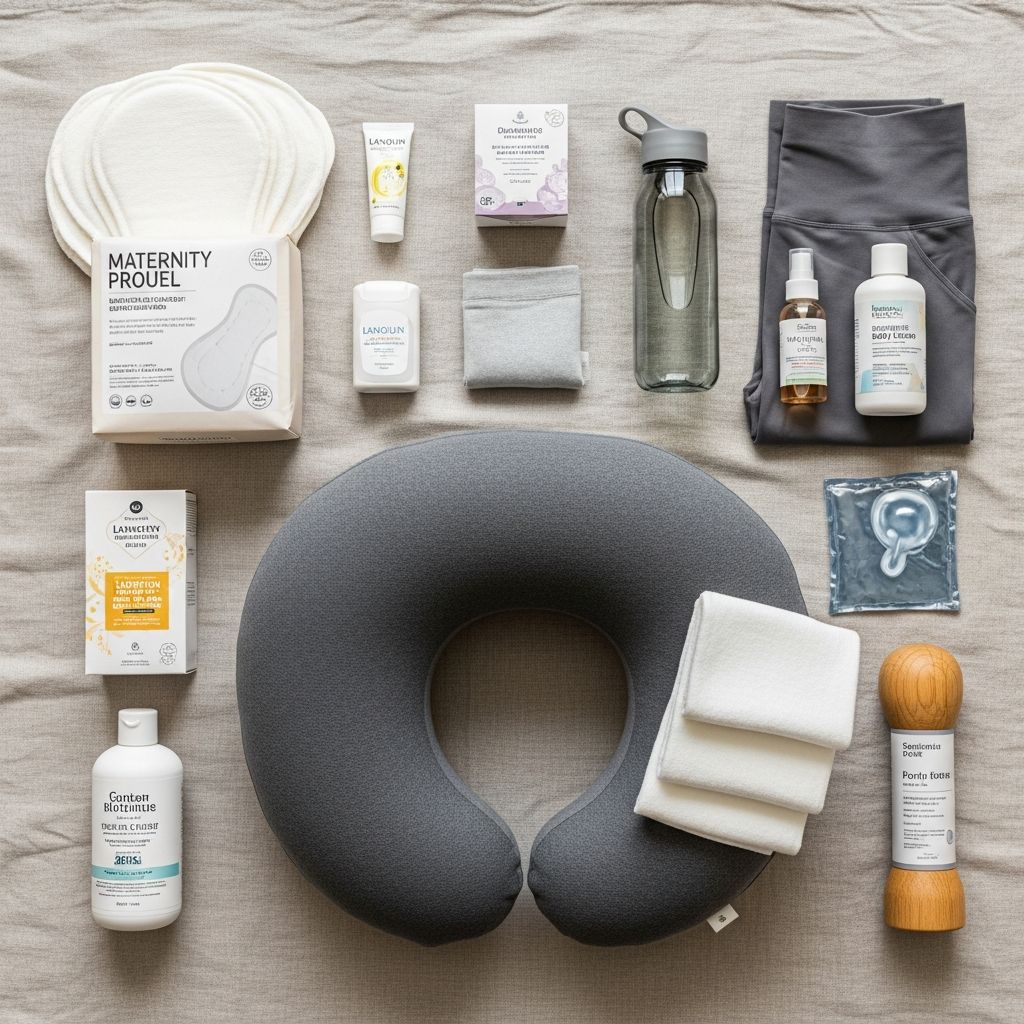
Right after delivery, targeted interventions alleviate common discomforts. For vaginal births, perineal care is paramount: use a peri-bottle for cleansing, pat dry gently, and apply ice packs intermittently to reduce swelling. NSAIDs like ibuprofen combat inflammation effectively.
C-section mothers should prioritize incision monitoring, walking short distances to promote circulation, and avoiding heavy lifting. Across both delivery types, hydration and fiber-rich foods prevent constipation, supplemented by stool softeners if needed.
| Delivery Type | Key First-Day Actions | Pain Management |
|---|---|---|
| Vaginal | Ice perineum, sitz baths, Kegels at 10% effort | Acetaminophen, NSAIDs |
| C-Section | Short walks, incision checks, heating pad | Acetaminophen, avoid straining |
Positioning aids like legs-up-the-wall ease pelvic pressure, fostering early recovery.
Prioritizing Rest and Building a Support Network
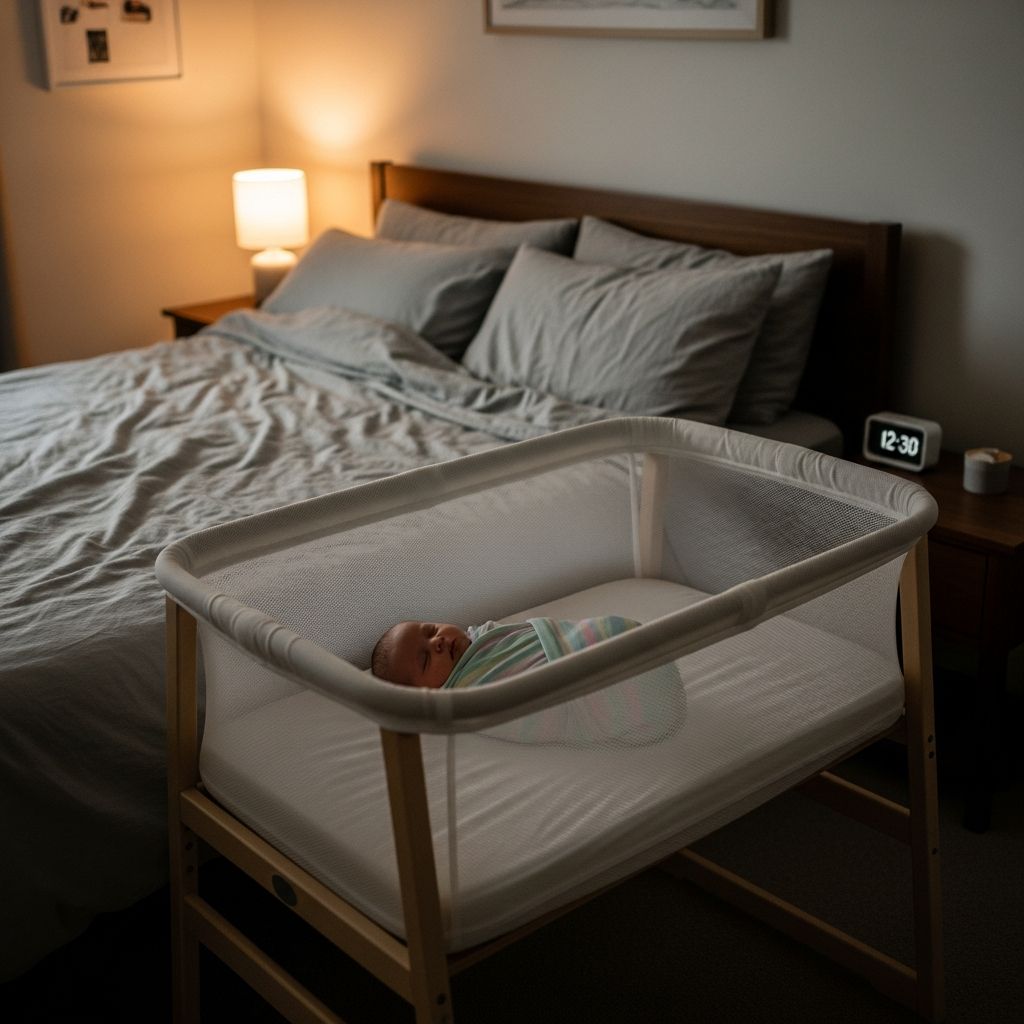
Adequate rest is foundational, countering fatigue from hormonal fluctuations and sleep disruptions. Delegate tasks to partners, family, or doulas to adhere to rest protocols. Positioning the baby’s sleep area nearby minimizes disruptions.
Emotional support networks normalize experiences; postpartum groups and professional check-ins address isolation. Regular communication with healthcare providers ensures timely interventions.
Nutrition for Optimal Healing
Postpartum nutritional demands surge, particularly for breastfeeding mothers, supporting tissue repair and lactation. Focus on balanced intake: proteins for muscle recovery, fibers for digestion, and fluids for hydration.
- Proteins: Eggs, lean meats, legumes—essential for wound healing.
- Fibers: Fruits, vegetables, whole grains—to combat constipation.
- Hydration: Aim for 8-10 glasses daily, more if nursing.
- Small, frequent meals: Sustain energy without overwhelming digestion.
Supplements like fiber aids assist when diet alone falls short, promoting regularity without straining incisions.
Strengthening the Pelvic Floor
Pelvic floor muscles, stretched during pregnancy, demand targeted rehab to prevent incontinence and prolapse. Kegels, involving gentle contractions, begin early at low intensity (10-30% max effort) and progress weekly.
By weeks 4-5, advance to 70-80% with structured sets: 2×10 reps twice daily. Pelvic physiotherapists customize programs, assessing for dysfunctions like diastasis recti.
Signs warranting therapy: urinary leakage, pelvic heaviness, or pain. Early intervention yields faster, safer return to activities.
Gradual Return to Movement and Exercise
Movement boosts circulation, mood, and recovery, but progression must be cautious. Start with tolerated walking, postnatal yoga, and mobility work. Avoid crunches or heavy lifts until cleared.
- Weeks 2-3: Gentle yoga, 30-50% Kegels, bodyweight upper body work.
- Weeks 4-5: Increase Kegels, light lower body, no core strains.
- Week 6: Physiotherapy-guided rehab, progressive loading.
Listen to bodily cues: pain or leakage signals to pause. C-section scars should be mobile and pain-free by week 3.
Managing Emotional and Hormonal Shifts
Postpartum mood changes, from baby blues to potential depression, affect up to 80% of mothers due to hormonal drops. Symptoms include irritability, anxiety, or persistent sadness. Daily walks and social support mitigate risks.
Screening at six-week checkups is standard; therapy or medication aids severe cases. Prioritizing self-care fosters resilience.
Common Discomforts and Remedies
Afterpains, breast engorgement, and lochia (postpartum bleeding) are typical. Remedies include:
- Heating pads or showers for cramps.
- Cold packs and supportive bras for breasts.
- High-absorbency pads for discharge, changing frequently.
Monitor for infections: fever, foul odor, or excessive bleeding necessitate immediate care.
Resuming Intimacy and Contraception
Typically cleared at six weeks, resuming sex requires comfort and lubrication. Discuss birth control, as periods may return variably, especially with breastfeeding.
Red Flags: When to Contact Your Doctor
Vigilance prevents complications:
- Severe abdominal pain, heavy bleeding (soaking a pad hourly).
- Fever over 100.4°F, foul discharge.
- Leg swelling/pain, chest pain, severe headaches.
- Thoughts of harm, extreme mood changes.
Frequently Asked Questions
When can I start exercising after birth?
Gentle walking begins immediately as tolerated; structured exercises post six-week clearance with provider approval.
How do I manage constipation postpartum?
Hydrate, eat fiber-rich foods, use stool softeners, and avoid straining.
Is pelvic floor therapy necessary for everyone?
Not always, but beneficial for symptoms like incontinence; consult around weeks 2-6.
What is the 5-5-5 rule?
Five days bed-bound, five near-bed, five home-bound to prioritize healing.
How long does postpartum bleeding last?
Typically 4-6 weeks, tapering from heavy to spotting.
Long-Term Wellness After Postpartum
Beyond six weeks, sustain gains with ongoing pelvic maintenance, balanced fitness, and mental health check-ins. Annual wellness visits track progress, empowering mothers for future health.
This comprehensive approach transforms recovery from overwhelming to manageable, fostering confidence and vitality.
References
- Postpartum Guide | 6 Week Timeline for Recovery After Childbirth — Cornerstone Physio. 2023. https://cornerstonephysio.com/resources/postpartum-guide/
- Postpartum Recovery: What To Expect In The Weeks After Birth — Franciscan Health. 2023. https://www.franciscanhealth.org/community/blog/healing-after-childbirth
- Navigating the Postpartum Period: A Guide to Effective Recovery — Summit Women’s and Wellness Medical Group. 2023. https://summitwomensandwellnessmedicalgroup.com/blog/navigating-the-postpartum-period-a-guide-to-effective-recovery/
- Postpartum Recovery — American Pregnancy Association. 2023. https://americanpregnancy.org/healthy-pregnancy/first-year-of-life/postpartum-recovery/
- Recovering from birth — Office on Women’s Health (womenshealth.gov). 2023-05-01. https://www.womenshealth.gov/pregnancy/childbirth-and-beyond/recovering-birth
- Postpartum care: What to expect after a vaginal birth — Mayo Clinic. 2024. https://www.mayoclinic.org/healthy-lifestyle/labor-and-delivery/in-depth/postpartum-care/art-20047233