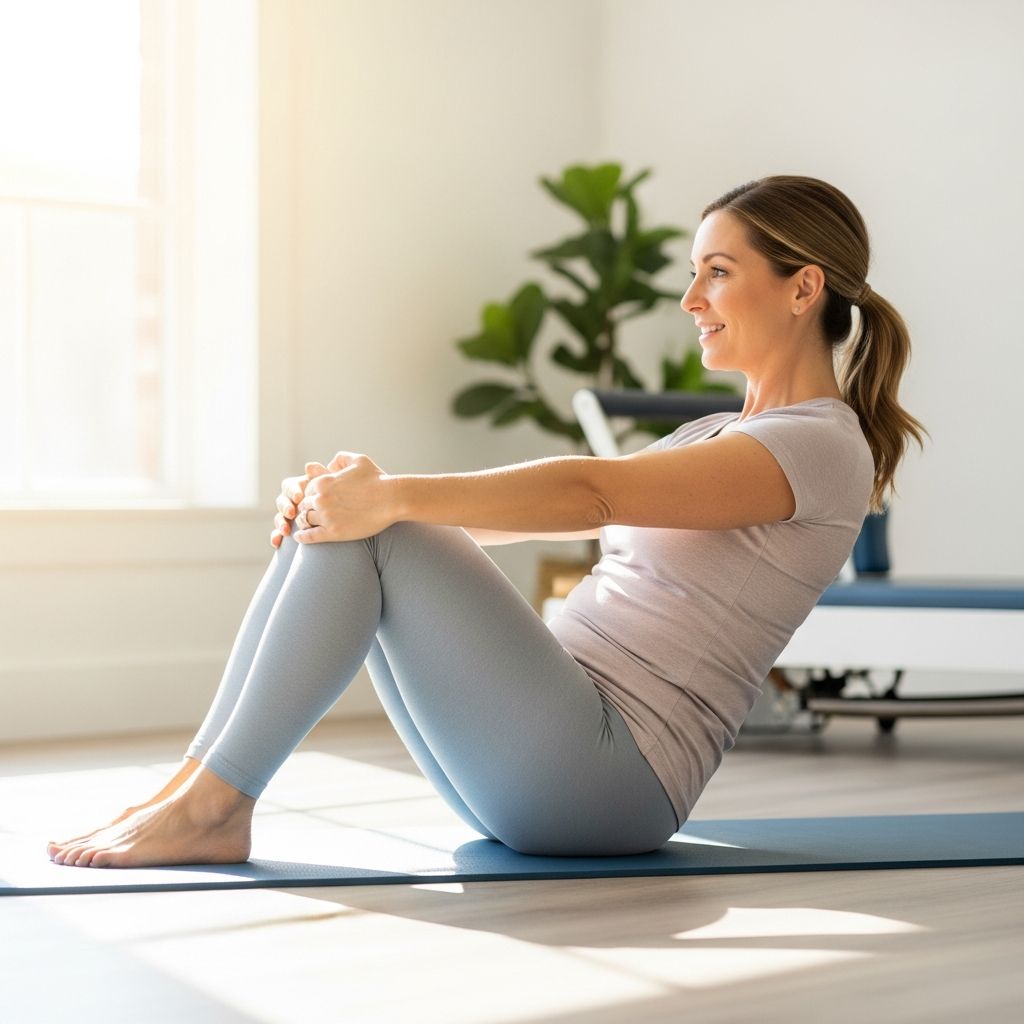
After giving birth, many women face challenges like weakened muscles, lingering fatigue, and shifts in body confidence. Pilates emerges as a transformative, low-impact practice that targets these issues, fostering physical restoration and emotional balance. Designed with mindful movements and breathwork, it helps new mothers rebuild from the inside out.
Why Pilates Stands Out in Postpartum Healing
Pilates postpartum focuses on controlled exercises that prioritize core stability, pelvic health, and overall alignment without straining healing tissues. Unlike high-intensity workouts, it emphasizes precision and breath to gently reactivate muscles stretched during pregnancy. This approach not only aids physical recovery but also nurtures mental resilience amid the demands of new motherhood.
Research highlights its efficacy: a study in the Journal of Physical Therapy Science demonstrated significant fatigue reduction in postpartum women practicing Pilates, attributing gains to enhanced circulation and endorphin release. Similarly, peer-reviewed findings confirm improvements in physical, mental, and motivational fatigue subscales.
Key Physical Transformations from Postpartum Pilates
Fortifying the Pelvic Floor Foundation
The pelvic floor bears immense pressure during pregnancy and delivery, often leading to weakness, incontinence, or prolapse risks. Pilates counters this through targeted activations that rebuild these muscles, improving bladder control and organ support.
- Targeted Engagement: Exercises isolate pelvic muscles, promoting faster natural recovery.
- Integrated Strengthening: Combines with core work to prevent long-term issues like perineal soreness.
Strengthening here also supports sexual health and reduces prolapse risks, as noted in postnatal recovery guidelines.
Closing the Abdominal Gap
Diastasis recti, where abdominal muscles separate, affects many postpartum bodies. Pilates draws the midline together via deep transverse abdominis activation, reducing separation and soreness without aggressive crunches.
Consistent practice typically shows improvements within eight weeks, enhancing core integrity for daily activities like lifting a baby.
Alleviating Back Pain and Enhancing Posture
Pregnancy alters spinal alignment, often causing persistent back discomfort. Pilates reinforces supporting muscles around the spine, pelvis, and hips, redistributing pressure for pain relief.
| Common Issue | Pilates Benefit | Expected Outcome |
|---|---|---|
| Lower Back Strain | Spine-stabilizing moves | Reduced pain, better lift mechanics |
| Poor Posture | Alignment-focused flows | Upright stance, less neck tension |
| Hip Imbalance | Pelvic tilts and bridges | Even weight distribution |
Mental and Emotional Boosts for New Mothers
Beyond the body, Pilates serves as a mind-body sanctuary. Deep breathing oxygenates tissues and calms the nervous system, combating postpartum fatigue and anxiety.
- Endorphin Surge: Releases feel-good hormones, lowering depression risk per studies in obstetrics journals.
- Sleep Enhancement: Regulates cortisol, promoting restorative rest despite irregular baby schedules.
- Confidence Rebuild: Visible strength gains foster body positivity and capability.
A PMC study affirmed Pilates home exercises significantly cut general, physical, and mental fatigue while boosting motivation—no adverse effects reported.
Essential Guidelines Before Starting
Consult your healthcare provider post-six-week checkup to ensure clearance, especially after C-sections or complications. Begin with modifications: short sessions (10-15 minutes), supine positions if needed, and instructor guidance for form.
| Stage | Duration | Focus |
|---|---|---|
| Weeks 1-4 | 10-15 min/day | Breathwork, pelvic activations |
| Weeks 5-8 | 20-30 min | Core engagement, gentle bridges |
| Week 9+ | 30-45 min | Full sequences, posture work |
Listen to your body—stop if pain arises. Hydrate, wear supportive attire, and consider group classes for community support.
Proven Pilates Exercises for Postpartum Success
These beginner-friendly moves, drawn from expert recommendations, build progressively. Perform 8-12 reps, 2-3 sets, breathing deeply.
1. Pelvic Floor Activations
Reconnect with your base muscles effortlessly.
- Lie supine, knees bent, feet flat.
- Inhale to prepare, exhale lifting pelvic floor (imagine stopping urine flow).
- Hold 5 seconds, release. Progress to quick pulses.
Ideal starter for bladder support.
2. Pelvic Tilts
Mobilize spine and awaken core.
- On back, knees bent.
- Exhale tilting pelvis to flatten back; inhale to neutral.
- Add arm reaches for coordination.
Great for back pain relief.
3. Glute Bridges (Pelvic Lifts)
Tone glutes, hamstrings, and pull abs inward.
- Supine, knees bent, feet hip-width.
- Exhale lifting hips, squeezing glutes and pelvic floor.
- Squeeze a ball between knees for extra engagement. Lower slowly.
Enhances hip stability.
4. Cat-Cow Flow
Boost spinal flexibility on all fours.
- Tabletop position.
- Inhale arching back (cow), exhale rounding (cat) while engaging core.
- Flow 10 breaths.
Combats posture slumps.
5. Heel Slides
Reintroduce leg control with core tie-in.
- Supine, imprint spine.
- Exhale sliding one heel out straight, inhale back.
- Alternate, keeping pelvis stable.
Builds transverse abdominis.
Progressing to Advanced Postpartum Routines
Once basics feel solid (around 6-8 weeks), incorporate standing work like side bends or squats with pelvic engagement. Mat or reformer Pilates amplifies results—reformers provide support for C-section recoveries.
Track progress: measure waist, note energy levels, and monitor diastasis via finger-width test. Aim for 3-5 sessions weekly, blending with walks for cardio.
Overcoming Common Postpartum Challenges with Pilates
- Fatigue: Short, energizing flows increase oxygenation.
- C-Section Scars: Avoid deep flexion initially; focus on breath and lifts.
- Time Constraints: 10-minute circuits fit busy days.
- Motivation Dips: Pair with baby naps or online classes.
Frequently Asked Questions (FAQs)
When can I start Pilates after birth?
After medical clearance, typically 6 weeks postpartum. Vaginal births may begin gently sooner; C-sections require caution.
Is Pilates safe for diastasis recti?
Yes, when avoiding traditional crunches—focus on deep core draws. Consult a specialist if separation exceeds 2 fingers.
How often should I practice postpartum Pilates?
3-5 times weekly, starting short. Consistency trumps intensity.
Can Pilates help with postpartum depression?
Absolutely—endorphins and mindfulness reduce risks, per research.
Do I need equipment for home Pilates?
No basics required, but a mat, pillow, or small ball enhances pelvic work.
References
- The Top 5 Postpartum Pilates Benefits and Exercises — Vaura Pilates. 2023. https://vaurapilates.com/postpartum-pilates/
- What are the benefits of postnatal pilates? — Patient.info. 2024. https://patient.info/features/healthy-living/what-are-the-benefits-of-postnatal-pilates
- Unexpected Benefits Of Pilates For Postpartum Recovery — InMotion Physical Therapy. 2023. https://inmotionptny.com/benefits-of-pilates-for-postpartum-recovery/
- Effect of Pilates exercises on postpartum maternal fatigue — PMC / NIH. 2015-03-31. https://pmc.ncbi.nlm.nih.gov/articles/PMC4371197/
- How Pilates After Childbirth Supports Mental Well-Being — Sultivate. 2024. https://sultivate.com/benefits-of-pilates-after-childbirth/
- Postpartum/Postnatal Pilates Guide — Pilates Anytime. 2023. https://www.pilatesanytime.com/mx/postpartum-pilates
- 5 Postpartum Home Pilates Exercises — Club Pilates Blog. 2023. https://blog.clubpilates.com/5-postpartum-home-pilates-exercises