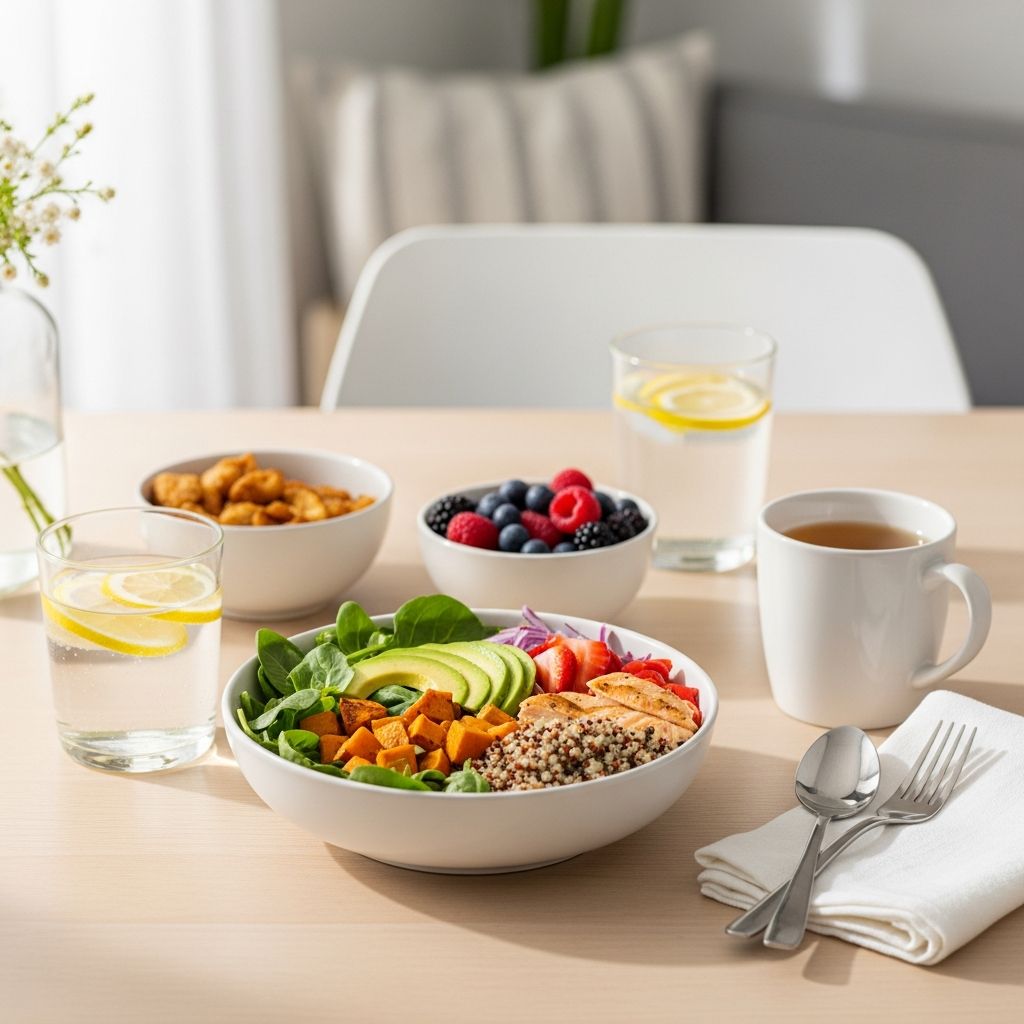
The first month after giving birth is a transformative period marked by physical healing, hormonal adjustments, and the demands of newborn care. Proper nutrition plays a pivotal role in replenishing depleted nutrients, promoting tissue repair, sustaining energy levels, and, for breastfeeding mothers, supporting milk production. A focus on whole, nutrient-dense foods helps new mothers navigate this challenging yet rewarding phase with greater vitality.
Why Nutrition Matters in Early Postpartum
Your body undergoes profound changes post-delivery, including uterine contraction, wound healing from tears or C-sections, and blood volume restoration. Breastfeeding mothers require additional calories—typically 2,300 to 2,700 daily—to produce milk, which draws on reserves of protein, calcium, and iron. Even non-breastfeeding mothers benefit from a balanced intake to combat fatigue and support recovery. Key needs include iron to prevent anemia, protein for tissue rebuilding, omega-3s for mood stability, and fiber to ease constipation.
Studies emphasize that inadequate nutrition can exacerbate postpartum blues or delay healing, while a nutrient-rich diet enhances overall well-being. Prioritize hydration, aiming for an extra liter of fluids daily if lactating, through water, herbal teas, or broths.
Core Nutrients for Healing and Strength
Target these essential building blocks through everyday foods:
- Protein: Vital for repairing muscles and tissues strained during labor. Sources like lean poultry, eggs, beans, and dairy provide amino acids for recovery.
- Iron: Replenishes blood loss; pair with vitamin C for absorption. Found in lean beef, leafy greens, and fortified grains.
- Calcium and Vitamin D: Support bone health post-pregnancy demands. Dairy, fortified plant milks, and fatty fish deliver these.
- Omega-3 Fatty Acids: Aid brain health for mom and baby, potentially reducing depression risk. Salmon and walnuts are top choices.
- Fiber: Combats digestive slowdown from pain meds or dehydration. Whole grains and cooked fruits help regularity.
Power Foods to Prioritize Daily
Incorporate these versatile, recovery-boosting options into meals and snacks:
| Food Group | Key Benefits | Examples & Serving Ideas |
|---|---|---|
| Whole Grains | Fiber for digestion, sustained energy, B vitamins, iron | Oats, brown rice, quinoa; oatmeal with berries or congee with broth |
| Leafy Greens | Vitamins A/C, calcium, antioxidants, low-calorie | Spinach, kale; sautéed in soups or smoothies (blended for ease) |
| Fatty Fish | DHA omega-3s for mood/milk quality; limit to 12 oz/week | Salmon, sardines; baked or in salads |
| Lean Proteins | Tissue repair, B-12, sustained fullness | Chicken, eggs, lentils; soups or hard-boiled snacks |
| Healthy Fats | Hormone balance, brain support | Avocados, nuts, olive oil; on toast or in dressings |
| Dairy/Alternatives | Calcium, vitamin D, protein | Yogurt, cheese, fortified almond milk; with fruit |
These foods align with recommendations from health experts, providing a foundation for meals that are both nourishing and practical.
Meal Planning for Busy New Moms
With erratic schedules, prepare simple, make-ahead options emphasizing warm, soft textures for gentle digestion in week one. Aim for balanced plates: half veggies/fruits, quarter protein, quarter grains.
Breakfast Boosters
Start days with energy-sustaining choices:
- Overnight oats with yogurt, nuts, and stewed fruits for fiber and probiotics.
- Whole-grain toast with avocado, eggs, and spinach.
- Smoothie bowls blending greens, banana, nut butter, and milk.
Lunch and Dinner Staples
Opt for one-pot wonders:
- Chicken or bone broth soup loaded with veggies, grains, and herbs—hydrating and mineral-rich.
- Quinoa bowls with lean beef, broccoli, and olive oil dressing for iron and omegas.
- Lentil stew with sweet potatoes and kale, slow-cooked for tenderness.
Snack Smartly
Keep portable, protein-packed bites handy:
- Greek yogurt with berries and seeds.
- Apple slices with peanut butter.
- Salted crackers or cheese with whole-grain bread for nausea relief.
- Handful of nuts or hard-boiled eggs.
Batch-cook broths or stews; freeze in portions. Enlist family for grocery runs focusing on fresh produce and staples.
Hydration and Supportive Beverages
Fluids are crucial—dehydration hampers milk supply and energy. Beyond water:
- Bone broth: Collagen for healing, electrolytes for restoration.
- Herbal teas: Fenugreek or fennel for potential lactation support; ginger for digestion.
- Golden milk: Turmeric latte with milk and honey for anti-inflammatory warmth.
Aim for 3-4 liters daily, sipping consistently.
What to Limit or Avoid
Steer clear of pitfalls:
- High-mercury fish: Like tuna or mackerel; stick to low-mercury options.
- Alcohol: Avoid first three months, especially if nursing.
- Caffeine: Limit to 200-300mg daily to prevent baby irritability.
- Processed sugars: Opt for natural sweetness to stabilize blood sugar.
- Raw/cold foods initially: Favor cooked for digestion.
Special Considerations for Breastfeeding
Galactagogues like oats, salmon, and greens may aid supply, though evidence varies. Your diet influences milk’s DHA and nutrient profile, benefiting baby’s development. Track intake if allergies appear in baby, like dairy sensitivity.
Weekly Sample Meal Plan
| Day | Breakfast | Lunch | Dinner | Snacks |
|---|---|---|---|---|
| Monday | Oatmeal w/ nuts | Chicken soup | Quinoa salmon bowl | Yogurt, crackers |
| Tuesday | Egg toast | Lentil stew | Beef stir-fry greens | Nuts, fruit |
| Wednesday | Smoothie | Broth congee | Veggie lentil curry | Cheese, eggs |
| Thursday | Yogurt parfait | Quinoa salad | Fish rice bowl | PB apple |
| Friday | Oats w/ fruit | Soup leftovers | Chicken quinoa | Trail mix |
| Weekend | Flexible repeats | Batch meals | Family favorites | Quick bites |
Adjust portions to 2,000+ calories; consult a doctor for personalized needs.
Frequently Asked Questions (FAQs)
Can I diet to lose baby weight immediately?
No—wait 6-8 weeks and avoid rapid loss, which reduces milk and energy. Focus on nutrient-dense eating.
Do I need more calories if formula-feeding?
Balanced intake is key for healing, but no extra 500 calories like breastfeeding moms.
What if I’m vegetarian postpartum?
Emphasize beans, eggs, dairy, fortified grains, and nuts for protein/iron; supplement if needed.
Does diet affect my mood?
Yes—omega-3s and balanced carbs help prevent postpartum depression.
How soon can I eat sushi?
Wait 2-4 weeks for healing; choose low-mercury fish thereafter.
References
- What to eat and what to limit in a postpartum diet — Optum Now. 2023. https://now.optum.com/article/health/postpartum-diet
- What to Eat in Week 1 Postpartum (Meals and Snacks for Recovery) — The Food Doula. 2023. https://www.thefooddoula.com/blog/what-to-eat-in-week-1-postpartum-meals-and-snacks-for-recovery
- Nutrition for mom & baby — Pediatric Associates. 2024. https://www.pediatricassociates.com/health-topics/nutrition-for-mom-baby
- Post-Pregnancy Diet: 12 Foods for New Moms — WebMD. 2023-10-15. https://www.webmd.com/parenting/baby/breast-feeding-diet
- 7 Healthy Foods to Eat Right After Labor — Healthline. 2023. https://www.healthline.com/health/parenting/best-foods-to-eat-after-labor
- Your guide to postpartum meals: 7 essential postpartum nutrition tips — Baylor Scott & White Health. 2024. https://www.bswhealth.com/blog/postpartum-meals-7-essential-postpartum-nutrition-tips-for-new-mothers
- Nutrition for New Mothers — Corewell Health. 2024. https://corewellhealth.org/care-and-specialties/womens-health/pregnancy-hub/nutrition