The postpartum period marks a profound transition for new mothers, blending exhaustion, joy, and often unspoken emotional turmoil. When one mother decided to voice her unfiltered experiences online, she ignited a firestorm of reactions that revealed both the stigma and the solidarity surrounding maternal mental health.
Navigating the Emotional Rollercoaster of New Motherhood
Becoming a mother introduces a whirlwind of changes that can feel both miraculous and merciless. Physical recovery from birth overlaps with hormonal shifts, sleep deprivation, and the constant demands of caring for a newborn. Many women experience the ‘baby blues,’ characterized by mood swings and tearfulness in the first two weeks postpartum. However, for a significant number, these feelings intensify into postpartum depression (PPD) or anxiety, affecting daily functioning and bonding with the baby.
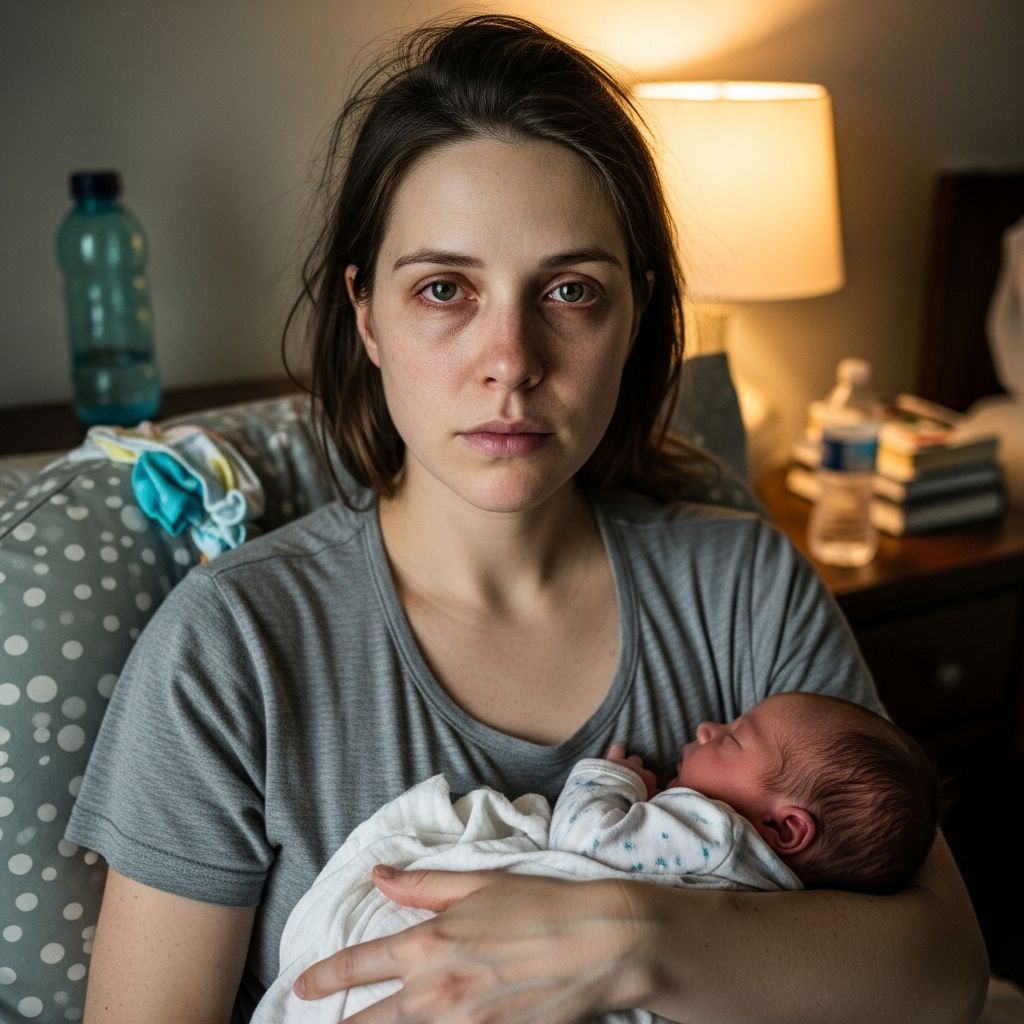
Imagine the isolation of those early weeks: nights blurred into days, breasts aching from unsuccessful nursing attempts, and a body that feels foreign and unrelenting. New mothers often grapple with overwhelming frustration, guilt over perceived failures like supplementing with formula, and fear that they are not cut out for this role. Yet, amid the chaos, moments of pure connection—tiny fingers grasping yours or a baby’s first smile—offer glimmers of the profound love that defines motherhood.
The Surge in Postpartum Mental Health Challenges
Recent data underscores the growing prevalence of these struggles. Postpartum depression rates have notably increased, rising from 9% in 2010 to 19% in 2021, signaling a public health concern that demands attention. This doubling affects mothers across demographics, with stark disparities: non-Hispanic Black and White mothers report the highest rates, while Asian and Pacific Islander mothers saw a 280% jump, and Black mothers a 140% increase. Factors like higher pre-pregnancy BMI correlate with elevated risk, highlighting intersections of physical and mental well-being.
| Demographic Group | Rate Increase | Key Insight |
|---|---|---|
| Asian/Pacific Islander | 280% | Largest proportional rise |
| Black | 140% | Significant disparity |
| Non-Hispanic White | Highest overall | Persistent high rates |
These statistics reflect broader societal pressures, including limited access to paid leave, childcare shortages, and a culture that glorifies ‘bouncing back’ while undervaluing recovery. The postpartum period, often called the fourth trimester, requires comprehensive support that many systems fail to provide.
When Vulnerability Meets the Digital Spotlight
In a moment of raw honesty, one mother named Hind shared her postpartum reality on social media. Far from the polished images of serene motherhood, she described the bone-deep fatigue, intrusive thoughts, waves of rage, and a sense of loss for her pre-baby self. Her words resonated deeply: ‘I feel like a shell of who I was, trapped in this cycle of feed, change, cry, repeat.’ What followed was a cascade of responses—some empathetic, others judgmental—exposing the double-edged sword of online authenticity.
Critics accused her of scaring expectant mothers or portraying motherhood negatively, with comments like ‘Not all of us feel this way—stop complaining.’ Yet, an outpouring of support emerged from women who had silently endured similar battles, thanking her for giving voice to their pain. This dichotomy illustrates a critical tension: the internet amplifies both connection and cruelty, particularly for topics as personal as postpartum experiences.
Unpacking Postpartum Rage and Anxiety
Beyond sadness, many mothers confront ‘postpartum rage’—intense bursts of anger that feel disproportionate and terrifying. These episodes, often tied to PPD or anxiety, stem from sleep loss, hormonal imbalances, and unmet needs. Symptoms of postpartum anxiety include relentless worry, physical restlessness, irritability, and disrupted sleep, even when the baby is resting.
- Constant apprehension about the baby’s health or safety.
- Physical manifestations like a racing heart or muscle tension.
- Intrusive thoughts that hijack focus and breed exhaustion.
- Irritability snapping at partners or loved ones unexpectedly.
Postpartum rage might erupt over small triggers—a spilled bottle or endless crying—revealing deeper unmet emotional needs. Recognizing these as signals, not character flaws, is the first step toward healing.
Real Stories: From Silence to Solidarity
Hind’s story mirrors countless others. One mother recounted undiagnosed PPD that left her numb and detached, only seeking help after a crisis point. Another described postpartum anxiety as a ‘constant pulse of dread,’ transforming her life once she named it and pursued therapy. These narratives emphasize that PPD ‘rarely looks the same for any mama,’ challenging the myth of a one-size-fits-all experience.
Building a ‘village’ proved transformative for many. Platforms connecting parents, like one founded by a mom recovering from PPD, foster community where isolation fades[10]. Sharing unvarnished truths—’Tell me the truth, not the highlight reel’—builds bridges, making recovery feel less lonely.
Strategies for Thriving Through the Fourth Trimester
Empowerment begins with awareness and action. Healthcare providers should screen for PPD routinely at prenatal and postpartum visits, as early intervention can alter trajectories.
- Prioritize rest: Accept help with chores or baby-holding to reclaim sleep in snippets.
- Seek professional support: Therapy, medication, or support groups tailored to perinatal mood disorders.
- Foster connections: Phrases like ‘You’re not alone, I’m here’ validate and comfort.
- Self-compassion practices: Journaling or mindfulness to counter mom guilt.
- Advocate systemically: Push for policies like extended paid leave and mental health coverage.
Your baby sees the nurturer, not the ‘mess’—the tired eyes, aching body, or tear-streaked face. Grace yourself as you would a dear friend in the same storm.
Frequently Asked Questions (FAQs)
How common is postpartum depression?
Rates have doubled to 19% by 2021, affecting moms across all groups with varying increases by demographic.
What distinguishes baby blues from PPD?
Baby blues resolve in two weeks; PPD persists longer, impacting sleep, appetite, and mood severely.
Can postpartum rage be a sign of something serious?
Yes, it’s often linked to PPD or anxiety; consult a provider if anger feels uncontrollable.
How can partners support a mom postpartum?
Listen without fixing, handle night feeds, affirm her efforts, and encourage professional help if needed.
Where to find immediate help?
Contact your doctor, call 988 for crisis support, or join online mom communities for peer solidarity.
Policy and Cultural Shifts Needed Now
America’s individualism exacerbates maternal isolation. Solutions include paid family leave, affordable childcare, and normalized mental health check-ins. Cultural narratives must evolve to celebrate the full spectrum of motherhood—not just the joys, but the raging waters too. Hind’s experience proves that one voice can ripple into many, urging society to ‘normalize showing up for moms.’
Through grief and growth, new mothers find rhythm. Staring at that tiny, vibrant human, love blooms anew each day. Vulnerability, like Hind’s, paves the way for collective healing.
References
- To the Mama Struggling with Postpartum — Motherly. 2023. https://www.mother.ly/life/motherly-stories/struggling-with-postpartum/
- Postpartum depression rates double, yet moms still lack support — Motherly. 2023. https://www.mother.ly/health-wellness/postpartum-depression-rates-have-doubled/
- Postpartum Anxiety – Definition & Explanation for Mothers — Motherly. 2023. https://www.mother.ly/terms/postpartum-anxiety/
- We Need to Talk About Postpartum Rage — Motherly. 2023. https://www.mother.ly/postpartum/fourth-trimester/postpartum-rage/