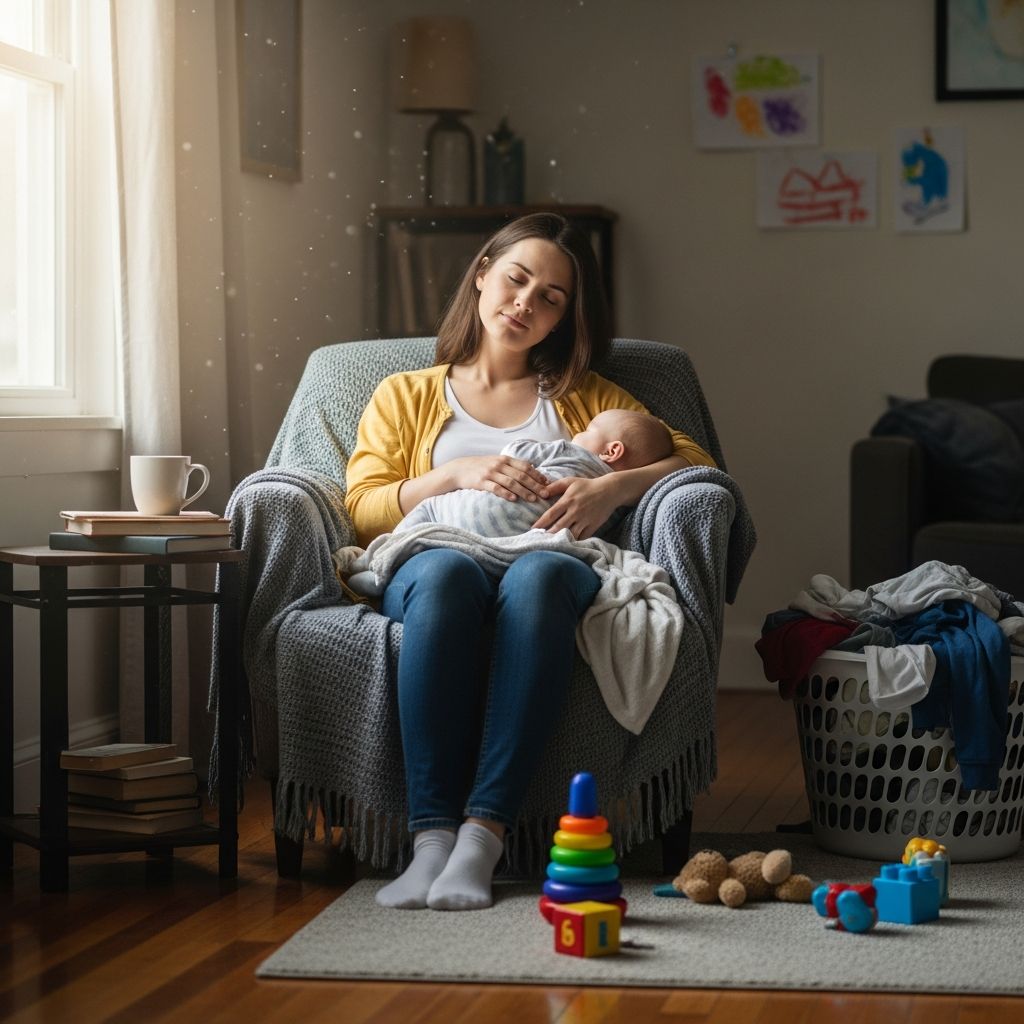
The postpartum period marks a profound transition for women, filled with physical recovery, emotional adjustments, and bonding with a newborn. Yet, when overlaid with global disruptions like pandemics, this phase intensifies into a complex landscape of isolation, limited access to care, and heightened mental health vulnerabilities. New mothers have faced unprecedented barriers, from restricted hospital visits to severed social networks, prompting innovative adaptations in support systems.
Understanding the Heightened Vulnerabilities
Postpartum women are particularly susceptible during crises due to hormonal shifts, sleep deprivation, and the demands of infant care. Research indicates that pandemics exacerbate these risks, with studies showing a sharp rise in postpartum depression (PPD) rates—potentially tripling pre-crisis levels. Factors include fear of infection, disrupted prenatal plans, and loss of in-person support, leading to increased anxiety, stress, and feelings of isolation.
In low-income communities, these challenges compound with financial strain and limited healthcare access, creating a perfect storm for emotional distress. For instance, social distancing measures not only isolated mothers from family but also altered birthing experiences, such as solo labor support or sudden policy shifts on partners.
Emotional and Psychological Toll on New Parents
Many new mothers report amplified emotional changes during crises, including intensified anxiety and depression linked directly to pandemic repercussions like virus fears and healthcare changes. Qualitative interviews reveal themes of grief over ‘lost’ ideal births, guilt from breastfeeding struggles, and mourning disrupted family rituals.
Despite these hardships, some found silver linings: deeper bonding time with babies and formation of healthier, virtual social circles. However, the predominant narrative underscores the need for targeted mental health interventions to mitigate long-term impacts.
Virtual Innovations Reshaping Postpartum Care
The shift to digital platforms has been a game-changer. Virtual breastfeeding groups, online doula sessions, and telehealth consultations emerged as lifelines, allowing mothers to access expertise without physical exposure. One mother’s story illustrates this: joining a local group that pivoted online provided validation and boosted confidence during unexpected NICU stays and pumping challenges.
Healthcare providers rapidly adapted, offering phone and video support from lactation consultants and mental health professionals. Online courses, like those focused on postnatal recovery, enabled antenatal education from home, covering everything from physical healing to emotional resilience. These tools democratized access, connecting global communities via forums like Reddit groups for real-time peer advice.
- Key Virtual Support Types:
- Teletherapy for PPD management, delivering counseling via video calls.
- Peer-led online groups fostering community and shared experiences.
- Virtual prenatal classes with doulas, preparing families for birth amid restrictions.
- Mindfulness apps and guided sessions for stress reduction.
Addressing Postpartum Depression in Crisis Times
PPD risk surges during pandemics due to isolation and disrupted support networks. Interventions must be multifaceted: teletherapy proves effective for remote mental health access, while peer groups combat loneliness. Physical exercise, adapted to home routines, and medication remain viable when guided virtually.
Studies emphasize early identification, with healthcare systems urged to screen via telehealth and provide psychoeducation on symptoms. Policymakers play a role by expanding perinatal mental health services, including paid leave and affordable childcare to ease burdens.
| Intervention | Benefits | Challenges |
|---|---|---|
| Teletherapy | Convenient home access, reduced infection risk | Tech barriers, internet reliability |
| Peer Support Groups | Emotional validation, shared coping strategies | Lack of in-person connection |
| Mindfulness Practices | Low-cost stress relief | Requires self-motivation |
| Medication | Direct symptom relief | Access via tele-prescriptions |
Practical Strategies for Building Resilience
New mothers can proactively seek virtual networks, such as Reddit’s Bumpers or local online breastfeeding circles, to grieve losses and adapt expectations. Prioritizing self-compassion—acknowledging that ‘perfect’ motherhood is a myth—helps reframe challenges.
Partners and families should facilitate virtual connections, like video calls with extended relatives, to mimic traditional support. Home-based wellness routines, including gentle yoga or walking with baby, bolster physical recovery and mood. Grieving altered plans while embracing unanticipated joys, such as extended family leave, fosters adaptability.
Systemic Changes Needed for Future Crises
Emergencies expose gaps in maternal services, particularly in underserved areas. Investments in telehealth infrastructure, perinatal workforce expansion, and equitable policies are essential. Units like those at Imperial College Healthcare NHS Trust exemplify proactive responses with online PRISM courses for postnatal inspiration.
Low-income postpartum individuals face unique hurdles in healthcare navigation, demanding tailored virtual outreach. Future preparedness requires prioritizing psychological safety alongside physical health.
Frequently Asked Questions (FAQs)
How has the pandemic affected postpartum mental health?
Crises like COVID-19 tripled PPD rates through isolation and support loss, heightening anxiety and depression.
What virtual tools help new moms during lockdowns?
Teletherapy, online peer groups, and virtual doula classes provide essential support from home.
Can breastfeeding succeed virtually?
Yes, online groups and video consultations offer guidance for challenges like pumping or NICU scenarios.
How to cope with disrupted birth plans?
Grieve losses, join virtual communities, and focus on adaptable family strategies.
What policy changes support postpartum care in crises?
Expand telehealth, paid leave, and mental health services for equitable access.
Empowering Tomorrow’s Mothers
While crises test postpartum journeys, they also innovate care delivery. By leveraging virtual resources and advocating for systemic support, new mothers can thrive. This resilience not only aids individual families but paves the way for robust maternal health frameworks worldwide.
References
- How I Found Virtual Postpartum Support During the COVID-19 Pandemic — ACOG. 2020. https://www.acog.org/womens-health/experts-and-stories/the-latest/how-i-found-virtual-postpartum-support-during-the-covid-19-pandemic
- Postpartum Depression in Women During the COVID-19 Pandemic — International Journal of Caring Sciences. 2023. https://www.internationaljournalofcaringsciences.org/docs/30.maniou28.pdf
- The emotional and social impact of COVID-19 on postpartum women — PubMed. 2023. https://pubmed.ncbi.nlm.nih.gov/41310930/
- The impact of the COVID-19 pandemic on perinatal services — PMC. 2023. https://pmc.ncbi.nlm.nih.gov/articles/PMC9874036/
- A third of new moms had postpartum depression during early COVID — Michigan Medicine. 2023. https://www.michiganmedicine.org/health-lab/third-new-moms-had-postpartum-depression-during-early-covid