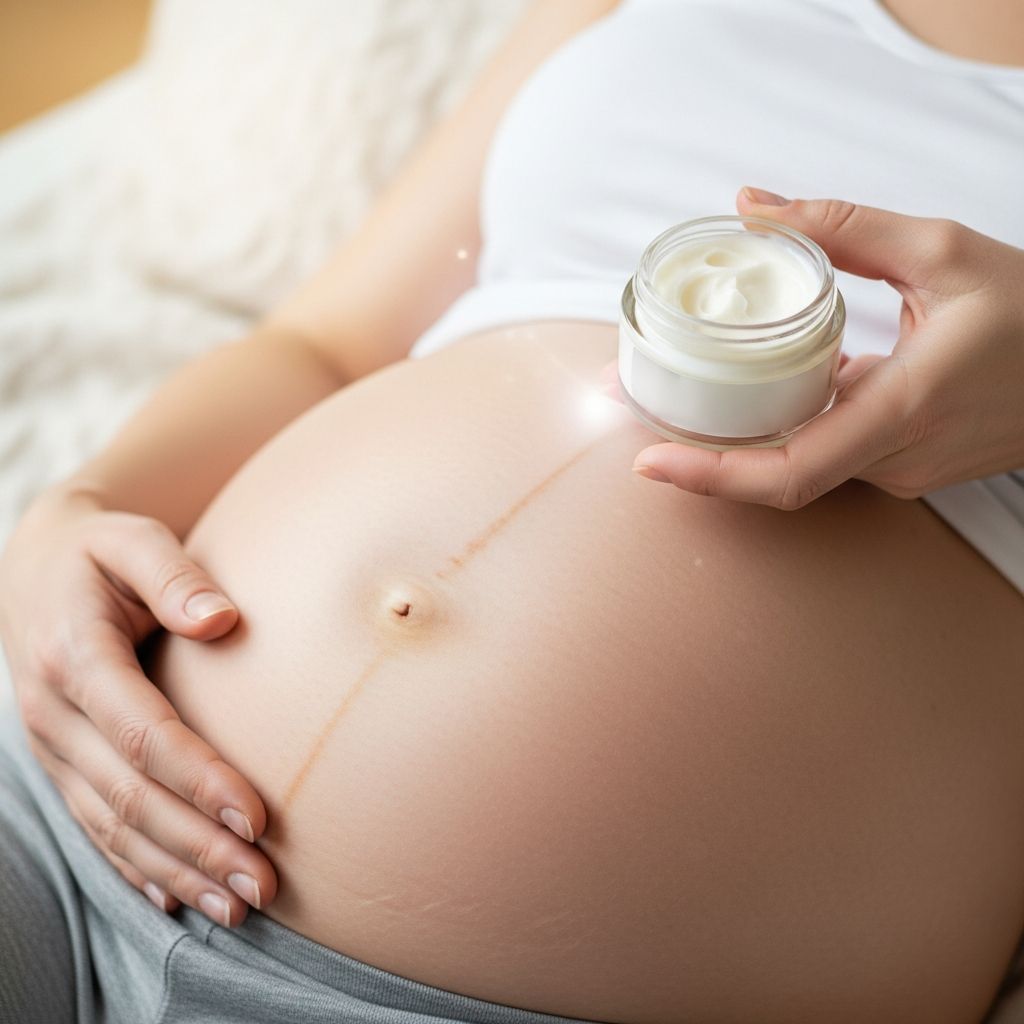
The journey into motherhood brings profound physical and emotional shifts that challenge even the most seasoned fitness professionals. Drawing inspiration from conversations with Tone It Up co-founder Katrina Scott, this article delves into realistic strategies for postpartum recovery, highlighting the importance of patience, targeted exercises, and self-compassion. New mothers often face societal pressures to return to pre-pregnancy shapes quickly, but experts emphasize that full recovery can take up to a year, allowing time for the body to heal from pregnancy and delivery.
Understanding the Postpartum Body’s Unique Changes
Postpartum bodies undergo remarkable adaptations. During pregnancy, the body produces relaxin, a hormone that loosens ligaments and joints to accommodate growth, which can linger postpartum, affecting stability and posture. Weight distribution shifts as the uterus involutes over six weeks, and hormonal fluctuations influence energy levels and mood. Katrina Scott, a certified trainer with a background in health promotion, shares that even she was surprised by persistent bloating and a ‘five-months-pregnant’ appearance weeks after birth.
These changes are normal and functional. The abdominal wall stretches, sometimes leading to diastasis recti—a separation of the rectus abdominis muscles—affecting up to 60% of women postpartum, according to the American College of Obstetricians and Gynecologists (ACOG). Pelvic floor muscles, crucial for bladder control and core stability, weaken from the baby’s weight and delivery pressures. Recognizing these as signs of strength rather than flaws fosters a positive mindset.
Safe and Effective Exercise Strategies for New Moms
Resuming activity should prioritize healing over aesthetics. Health authorities like ACOG recommend waiting 4-6 weeks post-vaginal delivery or 6-8 weeks after cesarean before moderate exercise, always with medical clearance. Start small: short walks build cardiovascular health without strain.
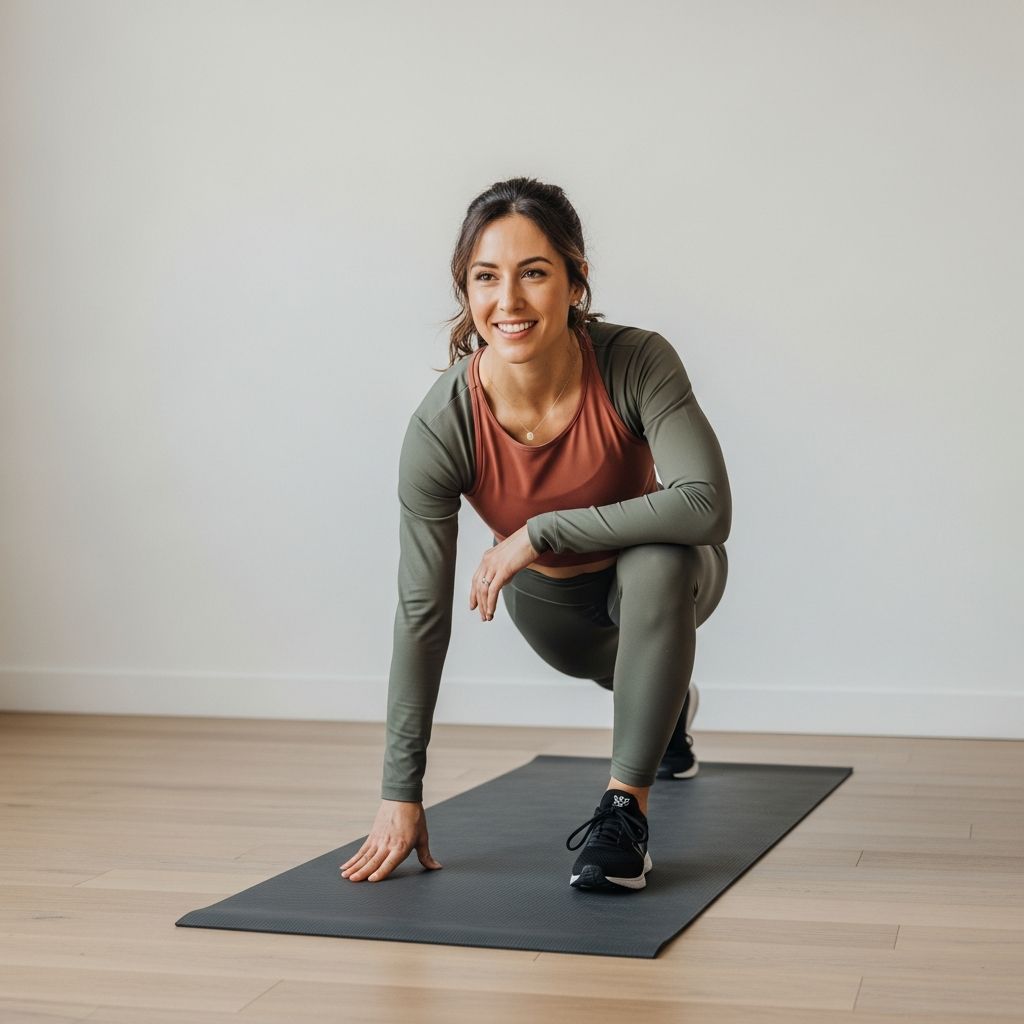
Katrina advocates for ‘everything counts’ philosophy—15-minute strolls or naptime stretches accumulate benefits. Progress to low-impact routines like Pilates or yoga, focusing on alignment to protect the core and pelvis. Tone It Up’s postnatal programs exemplify this, offering on-demand sessions tailored for busy schedules.
- Daily Walks: Aim for 10-20 minutes outdoors to boost endorphins and vitamin D.
- Breathing Exercises: Diaphragmatic breaths strengthen the core gently.
- Modified Squats: With pelvic floor engagement to rebuild lower body strength.
Prioritizing Pelvic Floor Recovery
The pelvic floor—a hammock of muscles supporting organs—demands attention. Weakness contributes to incontinence, prolapse, or pain, impacting 25-50% of new mothers per Cleveland Clinic data. Kegels are foundational: contract as if stopping urine flow, hold 5-10 seconds, repeat 10 times daily. But variety matters—integrate with squats or bridges for functional strength.
Scott stresses postnatal TLC, noting delivery’s toll. Consult a pelvic floor therapist if symptoms persist; biofeedback tools aid progress. Table below outlines a beginner pelvic routine:
| Exercise | Reps/Sets | Focus |
|---|---|---|
| Kegels | 10 reps, 3 sets | Isolation |
| Bridges | 8-12 reps, 2 sets | Glutes + Floor |
| Squats with Squeeze | 10 reps, 2 sets | Functional Strength |
Consistency yields results in 12 weeks, enhancing confidence in daily activities.
Nutrition for Replenishment and Energy
Fuel recovery with nutrient-dense foods. Breastfeeding moms need 300-500 extra calories daily, per USDA guidelines, emphasizing proteins for tissue repair, omega-3s for inflammation, and fiber for digestion. Hydration combats fatigue—aim for 13 cups daily.
Inspired by Scott’s approach, prioritize whole foods: lean proteins, veggies, healthy fats. Sample day: oatmeal with nuts for breakfast, salmon salad lunch, yogurt parfait snack, chicken stir-fry dinner. Avoid crash diets; sustainable habits prevent rebound weight gain.
Mental Resilience and Shifting Perspectives
Postpartum mental health is as vital as physical. Up to 1 in 7 mothers experience depression, per CDC, exacerbated by body image pressures. Scott champions embracing the ‘new you’—curves as badges of creation.
- Practice gratitude journaling for body achievements.
- Join mom communities for support.
- Set non-scale victories: better sleep, more energy.
Mindful movement, like yoga, reduces cortisol. Professional help is key if anxiety persists.
Building Sustainable Long-Term Habits
Transition from recovery to maintenance with progressive overload. After 3 months, incorporate strength training 2-3 times weekly, balancing cardio. Track via apps, but listen to cues—rest if fatigued.
Scott’s transformation post-baby involved gradual goals: from walks to studio classes, celebrating progress. Family integration, like stroller workouts, sustains motivation.
Common Challenges and Solutions
New moms face hurdles:
- Fatigue: Nap when baby naps; prioritize sleep.
- Time Scarcity: 10-minute HIIT bursts.
- Motivation Dips: Partner accountability.
Frequently Asked Questions (FAQs)
When can I start exercising after birth?
Consult your doctor; typically 4-6 weeks post-vaginal, 6-8 post-C-section. Begin with walking.
How long until my body feels ‘normal’?
Full recovery spans 9-12 months; embrace the process.
Are Kegels enough for pelvic health?
They’re a start; combine with full-body moves and therapy if needed.
What if I had a C-section?
Focus on scar mobility, gentle core work; avoid planks initially.
How to stay motivated postpartum?
Set micro-goals, find joy in movement, connect with other moms.
Real Stories of Postpartum Triumph
Many echo Scott’s journey: one mom shared losing 40 pounds gradually through walks and nutrition, gaining strength. Another rebuilt after diastasis via targeted PT. These narratives underscore patience pays off.
In summary, postpartum fitness thrives on realism. By honoring your body’s timeline, integrating expert tips, and cultivating kindness, new mothers can emerge stronger. Katrina Scott’s message resonates: motherhood redefines beauty—own it.
References
- Postpartum Body Changes and Fitness Insights — Motherly. 2023-05-15. https://www.mother.ly/postpartum/we-talked-to-tone-it-ups-katrina-scott-about-postpartum-bodies/
- 6 Things No One Tells New Mamas About Postnatal Exercise — Tone It Up Blog. 2023-08-20. https://my.toneitup.com/blogs/latest/6-things-no-one-tells-new-mamas-about-postnatal-exercise
- Physical Activity and Exercise During Pregnancy and the Postpartum Period — ACOG. 2020-04-01. https://www.acog.org/clinical/clinical-guidance/committee-opinion/articles/2020/04/physical-activity-and-exercise-during-pregnancy-and-the-postpartum-period
- Pelvic Floor Disorders After Childbirth — Cleveland Clinic. 2024-02-12. https://my.clevelandclinic.org/health/diseases/14459-pelvic-floor-dysfunction
- Postpartum Care Guidelines — CDC. 2023-11-05. https://www.cdc.gov/reproductivehealth/maternalinfanthealth/pregnancy-relatedmortality.htm