New mothers often face a complex journey of physical recovery and emotional adjustment after giving birth. While societal expectations push for quick returns to pre-pregnancy shapes, the reality involves hormonal shifts, muscle weakness, and sleep deprivation that make fitness challenging. Celebrities like Brooklyn Decker have openly shared their struggles, highlighting that postpartum bodies transform in unpredictable ways, sometimes leading to rapid weight loss rather than stubborn retention.
Understanding Postpartum Body Transformations
The postpartum period, typically the first 6-12 weeks after delivery, brings profound physiological changes. Hormones like prolactin and oxytocin, which support breastfeeding, can influence metabolism and fat storage. Many women expect to ‘bounce back’ swiftly, but factors such as breastfeeding, sleepless nights, and diastasis recti—separation of abdominal muscles—affect body composition uniquely.
Brooklyn Decker, known for her roles in shows like Grace and Frankie, described her own transformation candidly. Pre-pregnancy, she had a curvy figure, but after having children and breastfeeding, she experienced significant weight loss, likening her body to a ‘long, floppy noodle.’ This ‘loss of body’ was not a goal but a result of exhaustion and hormonal changes, challenging the narrative that postpartum bodies always mean holding onto ‘baby weight.’
- Hormonal impacts: Elevated cortisol from stress and sleep loss can accelerate fat metabolism.
- Muscle and core changes: Pregnancy stretches ligaments and weakens the pelvic floor.
- Breastfeeding effects: Burns extra calories but may reduce breast size and overall body mass.
These shifts underscore that every mother’s experience differs; some retain weight, others lose it rapidly, emphasizing the need for personalized recovery approaches.
Common Barriers to Postpartum Exercise
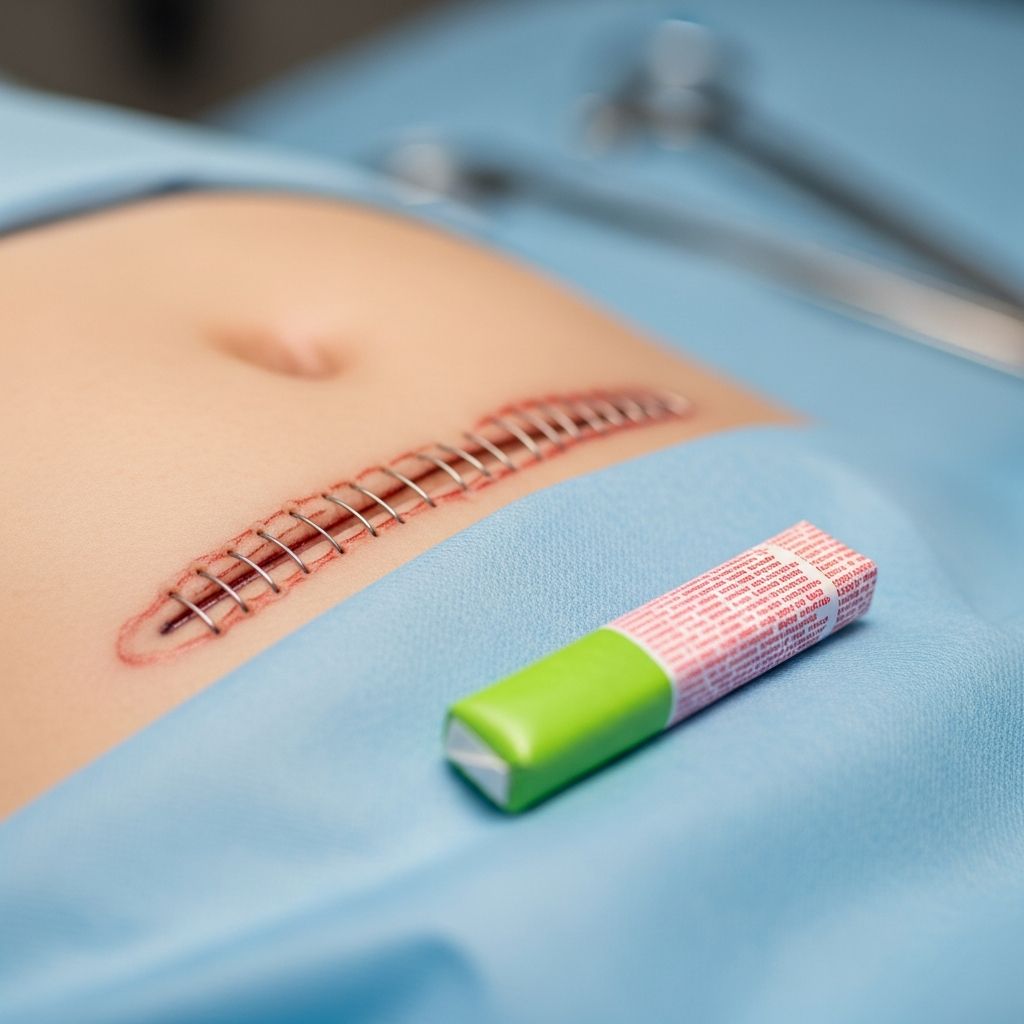
Resuming workouts postpartum is daunting due to physical limitations and time constraints. Fatigue from nighttime feedings leaves little energy for gym sessions, while pain from cesarean sections or vaginal tears delays activity. Decker’s story illustrates emotional hurdles too—frustration when the body doesn’t respond as before.
Medical guidelines recommend waiting 4-6 weeks post-vaginal birth or 6-8 weeks post-cesarean before moderate exercise, prioritizing healing. The American College of Obstetricians and Gynecologists (ACOG) advises gradual starts with pelvic floor exercises like Kegels to rebuild strength.
| Barrier | Description | Solution |
|---|---|---|
| Fatigue | Sleep deprivation reduces motivation | Short 10-minute sessions |
| Pelvic floor weakness | Risk of incontinence during activity | Kegel exercises daily |
| Diastasis recti | Abdominal bulging limits core work | Specialized PT programs |
| Time scarcity | Infant care dominates schedule | Home workouts with baby |
These barriers are universal, but acknowledging them reduces self-judgment and fosters sustainable habits.
Safe Workout Strategies for New Moms
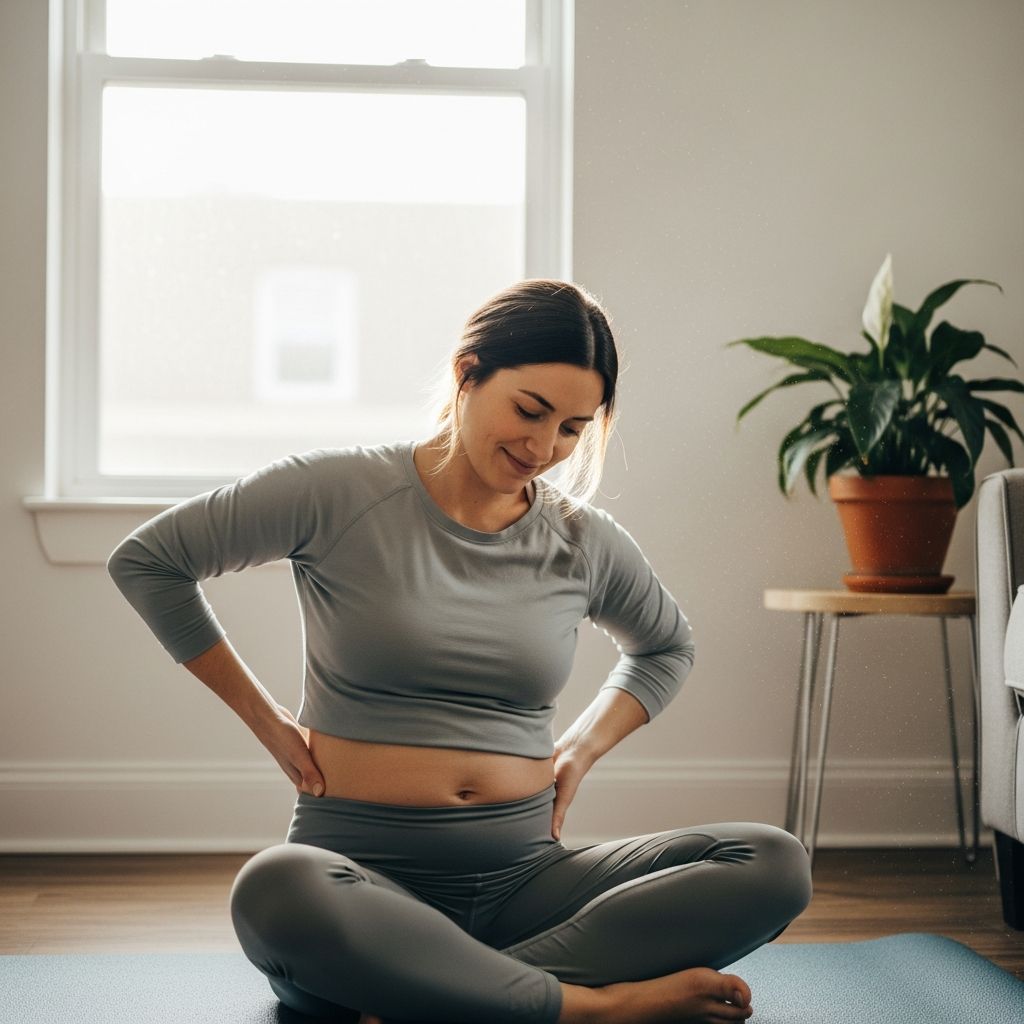
Effective postpartum fitness begins with low-impact activities that respect recovery stages. Walking is ideal—start with 10-minute strolls with the stroller, building to 30 minutes. Yoga and Pilates focus on alignment and breath, aiding pelvic floor reconnection without strain.
Decker emphasized the mental load of motherhood impacting physical efforts. She advocated for realistic goals, like consistent movement over intense sessions. Strength training should wait until cleared by a doctor, incorporating resistance bands for gentle upper body work.
- Weeks 1-6: Rest, gentle walks, postpartum yoga.
- Weeks 6-12: Add light cardio, core activation exercises.
- 3+ months: Progressive weights, HIIT if healed.
Nutrition supports these efforts: prioritize protein for muscle repair, complex carbs for energy, and hydration—especially if breastfeeding. Aim for 2,500-2,800 calories daily per ACOG guidelines for lactating moms.
Health Risks and Real-Life Incidents
Postpartum bodies are vulnerable to complications like mastitis—inflammation of breast tissue often from blocked ducts. Decker shared a terrifying experience eight months postpartum on a film set, where a tight underwire bra for a costume restricted milk flow, causing severe pain, swelling, and a 104°F fever. This led to a feverish state requiring medical intervention, mirroring Mayo Clinic descriptions of mastitis symptoms: redness, chills, and infection risk.
Such incidents highlight wardrobe and activity risks. Tight clothing can impede milk ejection, a key breastfeeding factor. The Mayo Clinic lists tight bras as a risk, advising loose, supportive options.
- Symptoms to monitor: Flu-like aches, hot spots on breasts.
- Prevention: Frequent nursing/pumping, proper latch.
- Treatment: Antibiotics if bacterial, rest, warm compresses.
These stories normalize seeking help promptly, preventing escalation.
Mental and Emotional Aspects of Recovery
Beyond physicality, postpartum fitness intertwines with mental health. Body image pressures amplify anxiety, especially when changes feel permanent. Decker’s openness about her ‘bag of bones’ phase combats toxic positivity, validating diverse experiences.
Postpartum depression affects 10-15% of mothers, per CDC data, often worsened by unmet fitness expectations. Support networks are crucial—Decker relied on friends for honest feedback during intimate recovery moments, like checking healing areas.
Mindfulness practices, such as meditation apps tailored for moms, build resilience. Celebrate non-scale victories: better sleep, increased stamina, joyful baby interactions.
Nutrition for Fueling Postpartum Fitness
Diet is the foundation of recovery. Breastfeeding demands extra nutrients—iron for blood replenishment, calcium for bones, omega-3s for brain health. A sample day:
- Breakfast: Oatmeal with nuts, berries, Greek yogurt.
- Lunch: Quinoa salad with greens, chicken, avocado.
- Snack: Apple with almond butter.
- Dinner: Salmon, sweet potatoes, broccoli.
Hydrate with 100-128 oz water daily. Supplements like vitamin D and probiotics aid if diet lacks. Avoid crash diets; sustainable calorie deficits prevent fatigue.
Building a Supportive Routine
Success lies in routines fitting motherhood chaos. Partner involvement—baby-wearing during walks—frees hands. Apps track progress without obsession. Join mom groups for accountability.
Decker’s advocacy normalizes struggles, inspiring patience. Six months postpartum, many regain strength; full recovery spans a year.
Frequently Asked Questions (FAQs)
When can I start exercising after giving birth?
Consult your doctor; typically 4-6 weeks post-vaginal, 6-8 weeks post-C-section. Begin with walking and pelvic floor work.
Is rapid weight loss normal postpartum?
Yes, especially with breastfeeding and sleep disruption, as experienced by Brooklyn Decker. Monitor health to rule out issues.
How do I prevent mastitis during workouts?
Wear supportive, non-restrictive bras; nurse frequently. Decker’s set incident underscores avoiding tight underwire.
What if my core feels weak?
Check for diastasis recti with a professional. Use transverse abdominis breathing exercises before crunches.
Can I achieve pre-pregnancy fitness?
Bodies evolve; focus on strength and function over aesthetics. Consistency yields results over 6-12 months.
Long-Term Wellness for Mothers
Postpartum fitness evolves into lifelong habits. Annual check-ups monitor pelvic health; varied routines prevent burnout. Decker’s transparency empowers moms to embrace changes, fostering confidence beyond workouts.
Ultimately, prioritize joy and health—your body carried life, deserving gentle rebuilding.
References
- Brooklyn Decker on postpartum weight loss: ‘I just lost my body after having children’ — Fox News. 2016-approx (relevant for personal account). https://www.foxnews.com/entertainment/brooklyn-decker-on-postpartum-weight-loss-i-just-lost-my-body-after-having-children
- Brooklyn Decker Speaks Out About Her Scary On-Set Health Incident — Nicki Swift. 2023-approx. https://www.nickiswift.com/757621/brooklyn-decker-speaks-out-about-her-scary-on-set-health-incident/
- Brooklyn Decker Asks Best Friend Awkward Task Postpartum — Mother.ly. Recent. https://www.mother.ly/life/brooklyn-decker-postpartum/
- Physical Activity and Exercise During Pregnancy and the Postpartum Period — ACOG. 2020-04-01 (updated guideline). https://www.acog.org/clinical/clinical-guidance/committee-opinion/articles/2020/04/physical-activity-and-exercise-during-pregnancy-and-the-postpartum-period
- Mastitis – Symptoms and causes — Mayo Clinic. 2023-11-01 (recent update). https://www.mayoclinic.org/diseases-conditions/mastitis/symptoms-causes/syc-20374829
- Depression Among Women of Reproductive Age — CDC. 2024 (ongoing data). https://www.cdc.gov/reproductivehealth/depression/index.htm